Зорчигч тээврийн Boeing 777-300ER загварын онгоцыг ачаа тээврийн зориулалттай болгон өөрчлөх үйл явцыг Emirates компани танилцууллаа.
Ердийн үед 15-20 жил ашиглагдсан зорчигч тээврийн онгоцны технологи нь хуучирч, засвар үйлчилгээний зардал өсдөг тул агаарын тээврийн компаниуд ийнхүү ачааны хөлөг болгон хувиргах аргыг сонгодог байна. Энэхүү үйл явц нь шинэ ачааны онгоц худалдан авахаас хавьгүй хямд тусдаг бөгөөд тухайн онгоцны бүхээг болон хөдөлгүүр нь удаан хугацаанд ашиглах боломжтой хэвээр үлддэг. Мөн нисгэгчид болон техникийн ажилтнууд хуучин загварт дадсан тул сургалтын нэмэлт зардал гарахгүй давуу талтай.
Онгоцыг хувиргах ажил дөрвөн үндсэн үе шаттай явагддаг. Эхний шатанд бүхээгийн дотоод тоноглол болох суудал, тавиур, гал тогоо, ариун цэврийн өрөөг бүрэн буулгаж, зорчигчийн цонхнуудыг хөнгөн цагаан хавтангаар битүүлдэг. Дараа нь хүнд ачааг даах чадвартай болгохын тулд шалыг хүчитгэж, ачаа ачих автомат зам, өнхрүүлгүүдийг суурилуулдаг.
Гуравдугаар шатанд онгоцны их биеийг зүсэж, гидравлик систем бүхий том хэмжээний ачааны хаалга хийж, бүтцийн бат бэхийг нэмэгдүүлдэг. Эцэст нь нисгэгчдийн аюулгүй байдлыг хангах зорилгоор бүхээгийн ард хамгаалалтын хаалт суурилуулж, гал илрүүлэх болон агааржуулалтын системийг олон улсын ачаа тээврийн стандартын дагуу шинэчилдэг. Энэхүү өөрчлөлт нь үйлдвэрлэгчээс шинэ онгоц хүлээх хугацааг хэмнэж, агаарын тээврийн компаниудад богино хугацаанд ачаа тээврийн хүчин чадлаа нэмэгдүүлэх боломжийг олгодог байна.
Дэлгэрэнгүйг эх сурвалжаас харах
↓Эх сурвалжийг нээх ↓
Emirates shared an interesting video showcasing the full conversion of a Boeing 777-300ER from passenger plane to cargo freighter.
It depends on the type of plane, but refitting an aircraft always takes months, not weeks.
In the case of this 777-300ER, it probably took Emirates at least half a year.
But the way they compressed the entire process into two minutes of video is pretty impressive.
150 days in 1.5 minutes
The video that Emirates shared highlights the main aspects of the conversion process of this Boeing 777-300ER.
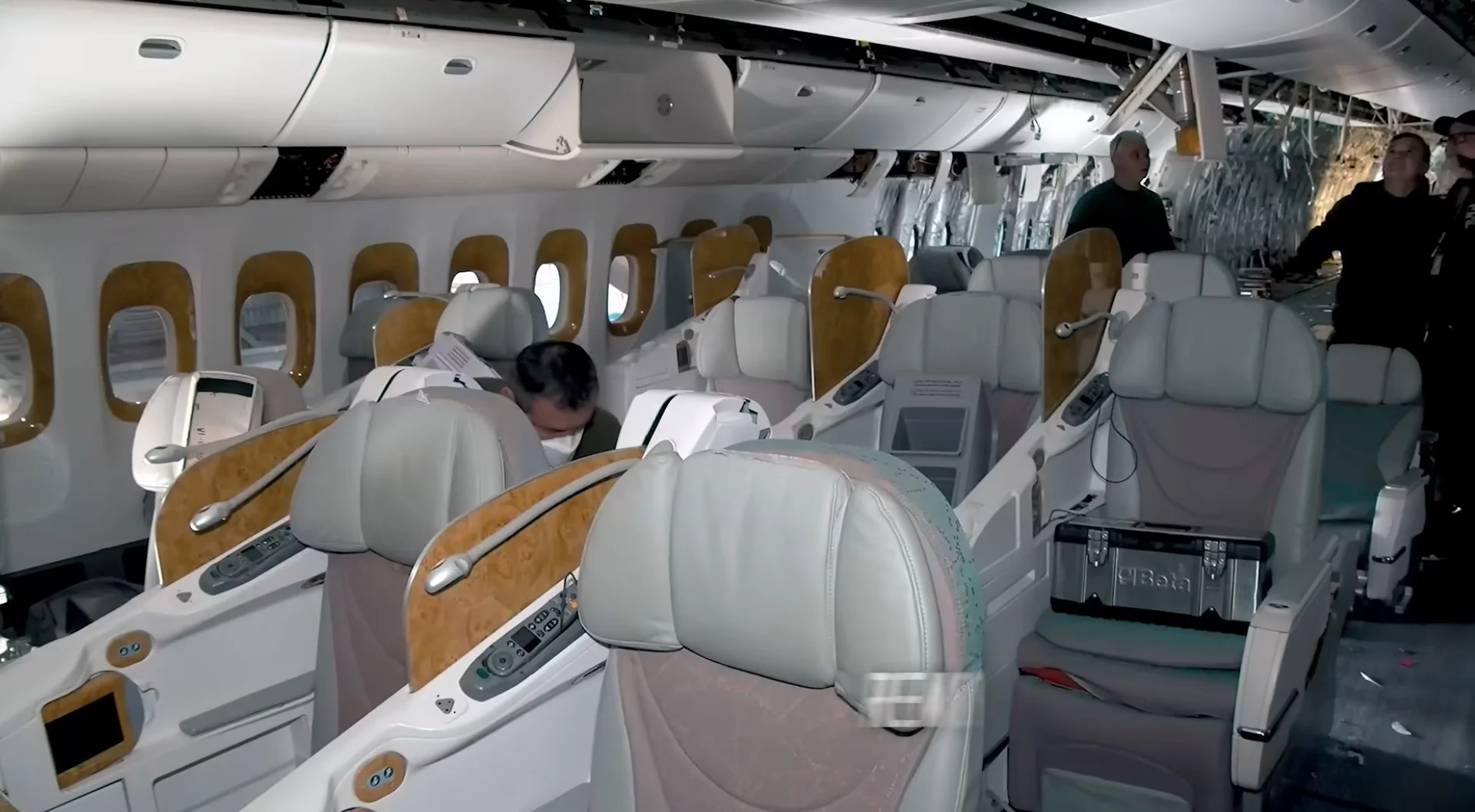
You begin with the interior, which is completely stripped.
All passenger-related components, including the seats, are removed.
After that, the airline has to reinforce the cargo floor and bulkhead to support heavy freight loads, and cut a new, large cargo door to allow for freight loading.
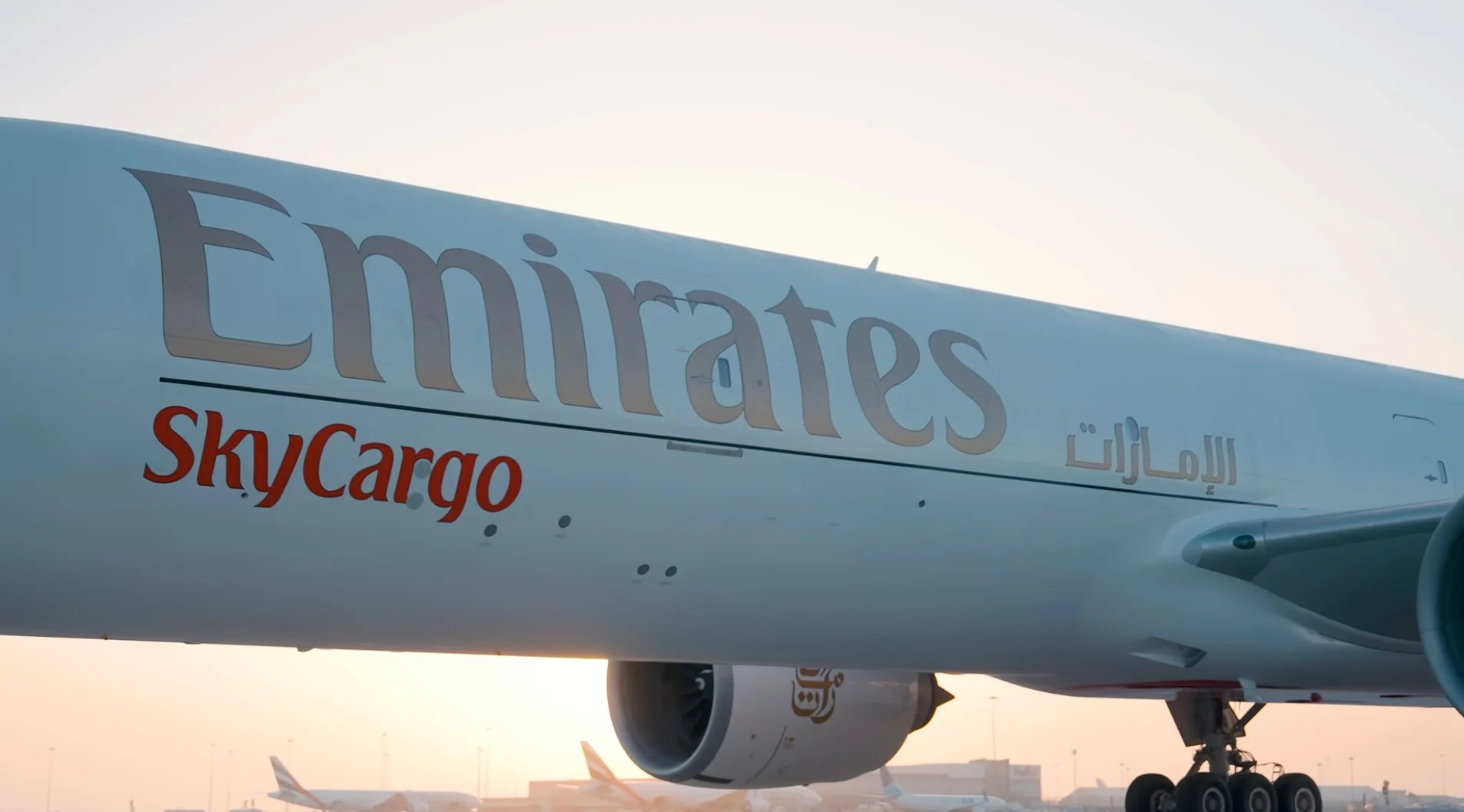
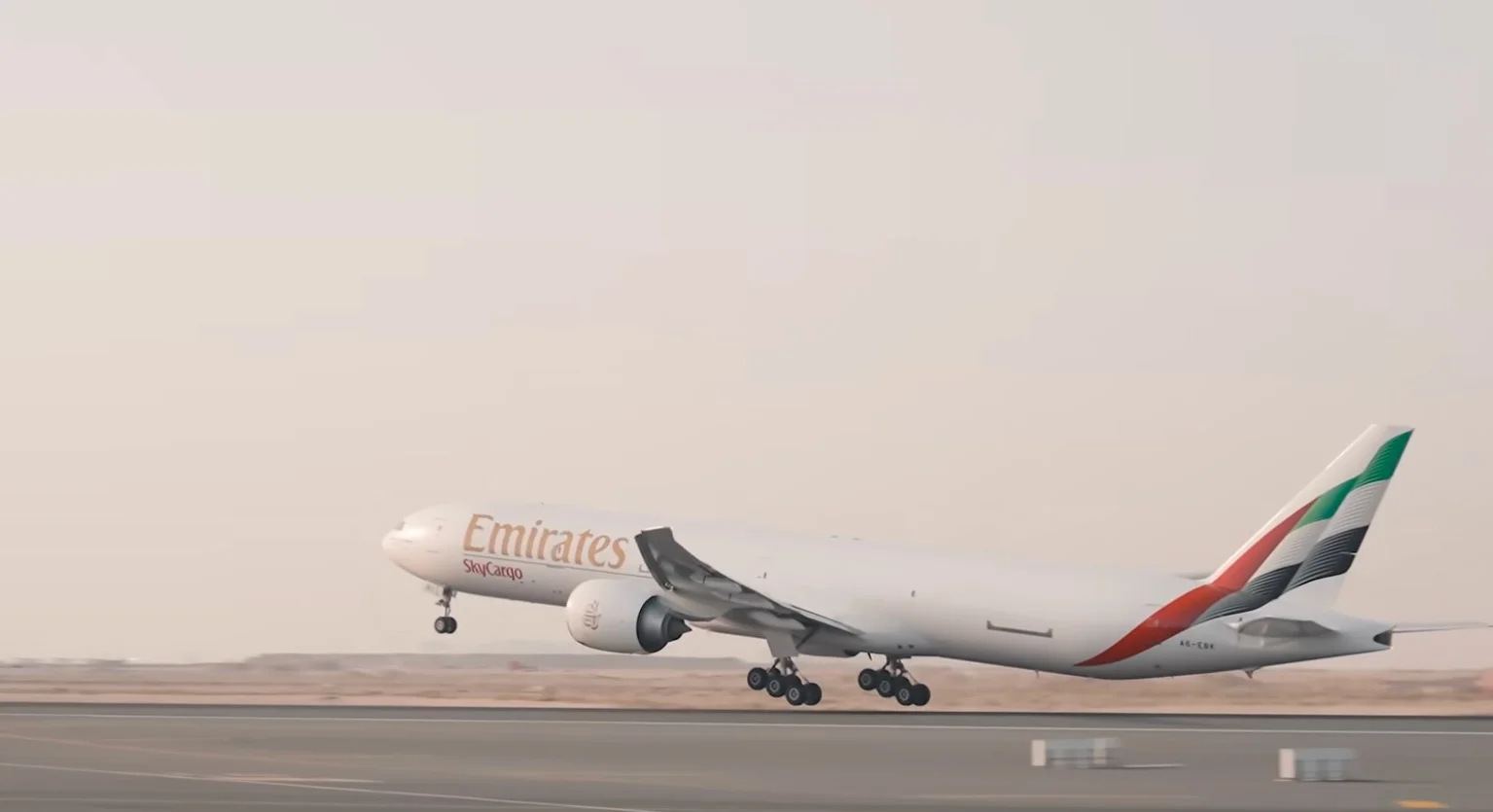
Last but certainly not least, the Boeing 777-300ER is repainted with a cargo freighter livery.
The reason why Emirates converted this Boeing 777-300ER
Converting a passenger plane into a cargo carrier – the Passenger-to-Freighter (P2F) conversion, as they call it – is the equivalent of recycling.
The core reason is economic life extension.
A commercial jetliner is usually retired from passenger service after 15 to 20 years.
That’s because at that stage, passengers will expect modern cabin tech, and maintenance costs for high-frequency flights begin to pinch.
In other words, replacing outdated inflight entertainment systems with modern screens wouldn’t make financial sense.
But the plane’s structural airframe and engines are still in great shape after 20 years, which is why the aircraft is still usable.
Converting a mid-life passenger plane isn’t cheap, but it’s still significantly less expensive than buying a factory-fresh cargo plane.
There’s also another advantage, because converting that same model to a freighter means an airline’s existing pilots existing pilots, mechanics, and spare parts are already good to go.
The third reason has nothing to do with airlines but everything to do with manufacturers.
Aircraft manufacturers are facing massive production backlogs and regulatory delays for next-generation factory freighters.
It’d take years for the manufacturer to deliver a new freighter, but it only takes months for the airline to convert an old passenger plane.
When do airlines do it?
In general, the sweet spot is around 15-20 years, but sometimes it can be a lot later than that.
That’s the reason why so many Boeing 747s still in existence are cargo freighters, but by no means all of them.
As airlines upgrade to brand-new, highly fuel-efficient passenger models, older fleets are generally retired in batches, which creates a wave of available aircraft perfectly suited for cargo conversion.
As you can imagine, the P2F conversion – just like everything else in aviation – is highly regulated.
There are four phases.
Phase 1: total cabin gutting
Engineers strip everything out: seats, overhead bins, carpets, galleys, passenger lavatories, insulation panels – all gone.
The passenger windows are permanently plugged and sealed with aluminum panels to reduce weight and maintenance.
Phase 2: floor reinforcement
Passengers are relatively light and distributed evenly.
But freight pallets are not.
That’s why engineers need to install heavy-duty floor beams and automated cargo-loading tracks with rollers to handle tonnage.
Phase 3: a new cargo door for this Boeing 777-300ER
Passengers walk on the plane using one, two, or sometimes three doors.
But you need something bigger than that for a cargo freighter.
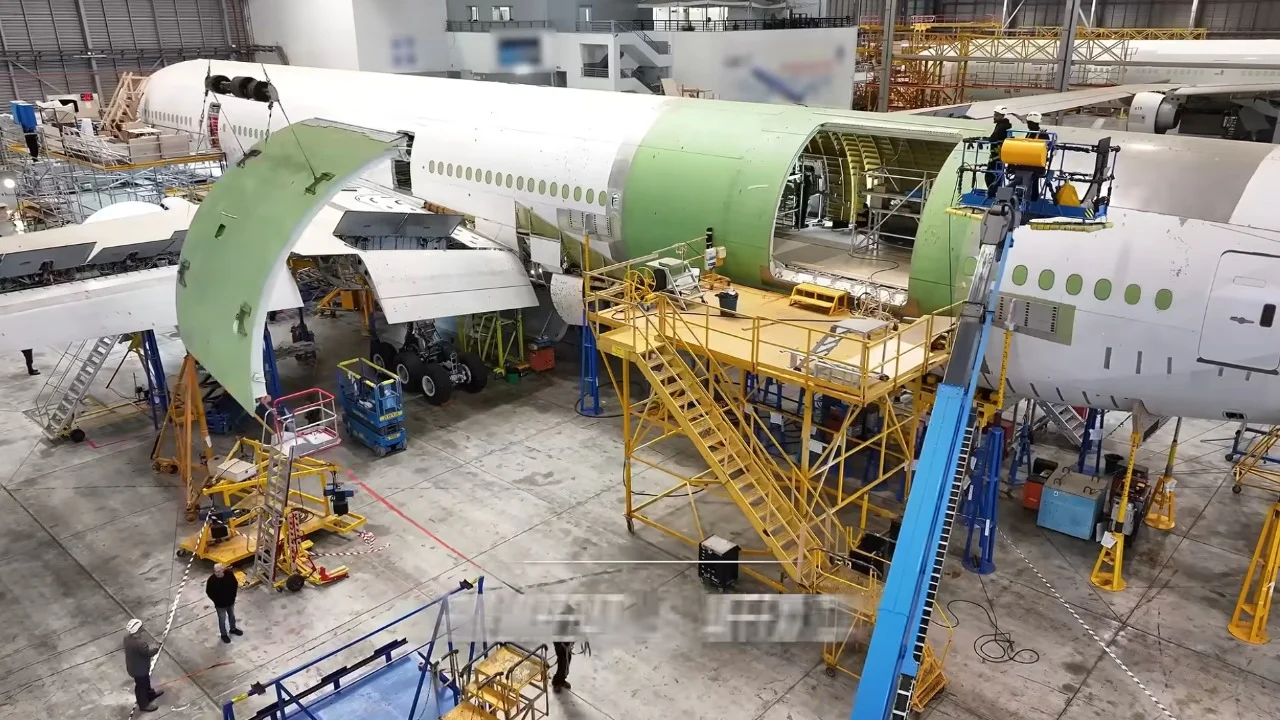
A massive section of the fuselage of the Boeing 777-300ER is literally cut open.
A giant, hydraulically operated main deck cargo door is installed, and the surrounding fuselage frame is heavily reinforced to maintain the plane’s structural strength.
Phase 4: safety and systems overhaul
Firstly, a solid crash barrier wall is installed behind the flight deck to protect the pilots if the cargo shifts during flight.
Then engineers add advanced smoke detection, fire suppression, and ventilation systems are upgraded to meet strict freight regulations.
A few months (and millions of dollars) later, you’ve got yourself a freighter at a fraction of the cost.