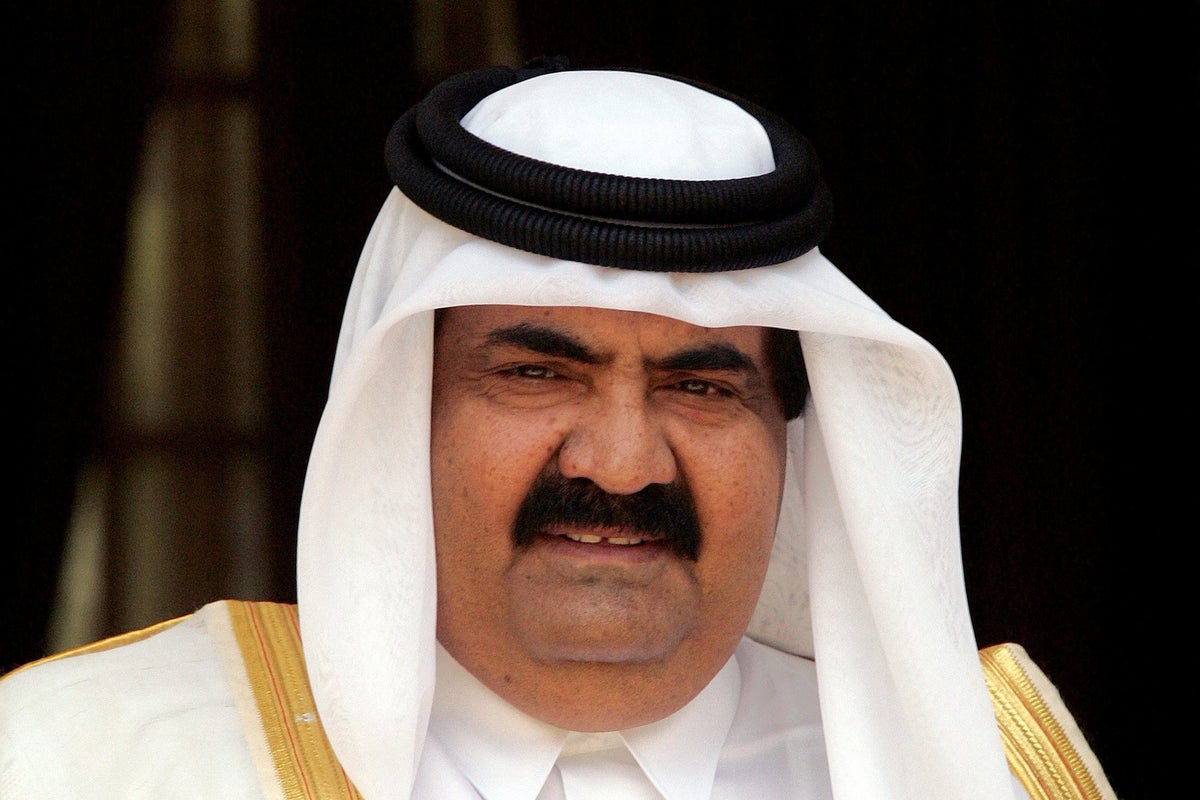
Катарын нөлөө бүхий удирдагч асан, тус улсыг дэлхийн тавцанд гаргахад гол үүрэг гүйцэтгэсэн шейх Хамад бин Халифа Аль Тани 74 насандаа таалал төгссөнийг төрийн хэвлэл мэдээллийн хэрэгслүүд баталлаа.
Шейх Хамад 18 жилийн турш Катарыг удирдаж, тус улсыг олон улсын томоохон тоглогч болгон хувиргасан юм. Түүний санаачилгаар байгуулагдсан Al Jazeera телевиз дэлхийн мэдээллийн салбарт томоохон байр суурь эзэлж, Катар улс 2022 оны FIFA-гийн дэлхийн аварга шалгаруулах тэмцээнийг хүлээн авсан нь түүний бодлогын үр дүн байв. Тэрээр 2013 оны зургаадугаар сард эрх мэдлээ хүү шейх Тамим бин Хамад Аль Танид сайн дураараа шилжүүлж, тус бүс нутагт ховор тохиолддог эрх мэдлийн шилжилтийг хийсэн билээ.
Түүний гадаад бодлого нь бүс нутгийн болон өрнөдийн орнуудтай харилцах харилцаанд сорилт болж байв. Тухайлбал, Иран, Хамас бүлэглэл, Египетийн Мусульман ахан дүүс хөдөлгөөнтэй тогтоосон харилцаа нь олон улсын зүгээс шүүмжлэл дагуулж байсан ч нөгөө талаар Катарыг Афганистан, Ливан, Судан зэрэг орнуудын мөргөлдөөнийг шийдвэрлэхэд зуучлагч улс болгосон юм. Ливийн иргэний дайны үеэр НАТО-гийн ажиллагаанд оролцож, Сирийн сөрөг хүчнийг дэмжиж байсан нь түүний бие даасан бодлогын илрэл байлаа.
Британийн Сэндхёрстын цэргийн академид боловсрол эзэмшсэн шейх Хамад 1995 онд эцгээ огцруулж засгийн эрхийг авсан бөгөөд хожим нь Арабын хавар үйл явдлын дараа залуу үеийн удирдлагад шилжих стратегийг сонгосон юм. Тэрээр Афганистаны Талибан бүлэглэлийн албан ёсны төлөөлөгчийн газрыг Дохад нээх зөвшөөрөл олгосон нь хожим АНУ болон НАТО-гийн цэргийг Афганистанаас гарахад хүргэсэн хэлэлцээрийн эхлэл болсон билээ.
Дэлгэрэнгүйг эх сурвалжаас харах
↓Эх сурвалжийг нээх ↓
Sheikh Hamad bin Khalifa Al Thani, the former ruler of Qatar who dramatically reshaped the tiny Persian Gulf nation into a global powerhouse before making the unprecedented move of voluntarily abdicating, has died at the age of 74.
State media confirmed his passing, though no cause was specified.
His 18-year reign, which concluded in June 2013, saw Sheikh Hamad mastermind Qatar’s transformation from a quiet backwater into an influential international crossroads in less than a generation. Under his leadership, the energy-rich state acquired prestigious assets such as London’s Harrods department store and established the groundbreaking Al Jazeera satellite news network, which became a major force in global media.
Qatar’s diplomatic and political reach now spans from North Africa to Afghanistan, a testament to his ambitious vision.
This culminated in the nation’s hosting of the 2022 Fifa World Cup, the world’s most-watched football event, where Sheikh Hamad received thunderous applause from Qataris attending the opening match, despite having been out of power for years.
However, this rapid ascent and independent-minded policymaking often put Qatar at odds with both regional and Western allies. His government fostered close ties with Shia powerhouse Iran, the Palestinian militant group Hamas, and Egypt’s outlawed Muslim Brotherhood, which frequently rankled traditional partners. Al Jazeera, while widely praised for its departure from the traditionally deferential habits of Arab media, also faced criticism and accusations of slanting coverage to suit the views of Qatar’s rulers.
In a move highly unusual for the region, Sheikh Hamad announced his abdication in 2013, handing power to his British-educated son, Sheikh Tamim bin Hamad Al Thani, who was then 33. He declared: “The future lies ahead of you, the children of this homeland, as you usher into a new era where young leadership hoists the banner.”
This peaceful, voluntary transfer of power stood in stark contrast to his own ascent, having seized control after deposing his father, Sheikh Khalifa, in a bloodless palace coup in 1995.
The abdication was widely interpreted as Qatar’s strategic attempt to pre-empt Arab Spring-inspired calls for reforms and to present a leadership more attuned to the region’s large and powerful young population. Concerns over his health, including a leg injury requiring surgery in Switzerland in 2015, may also have played a role.
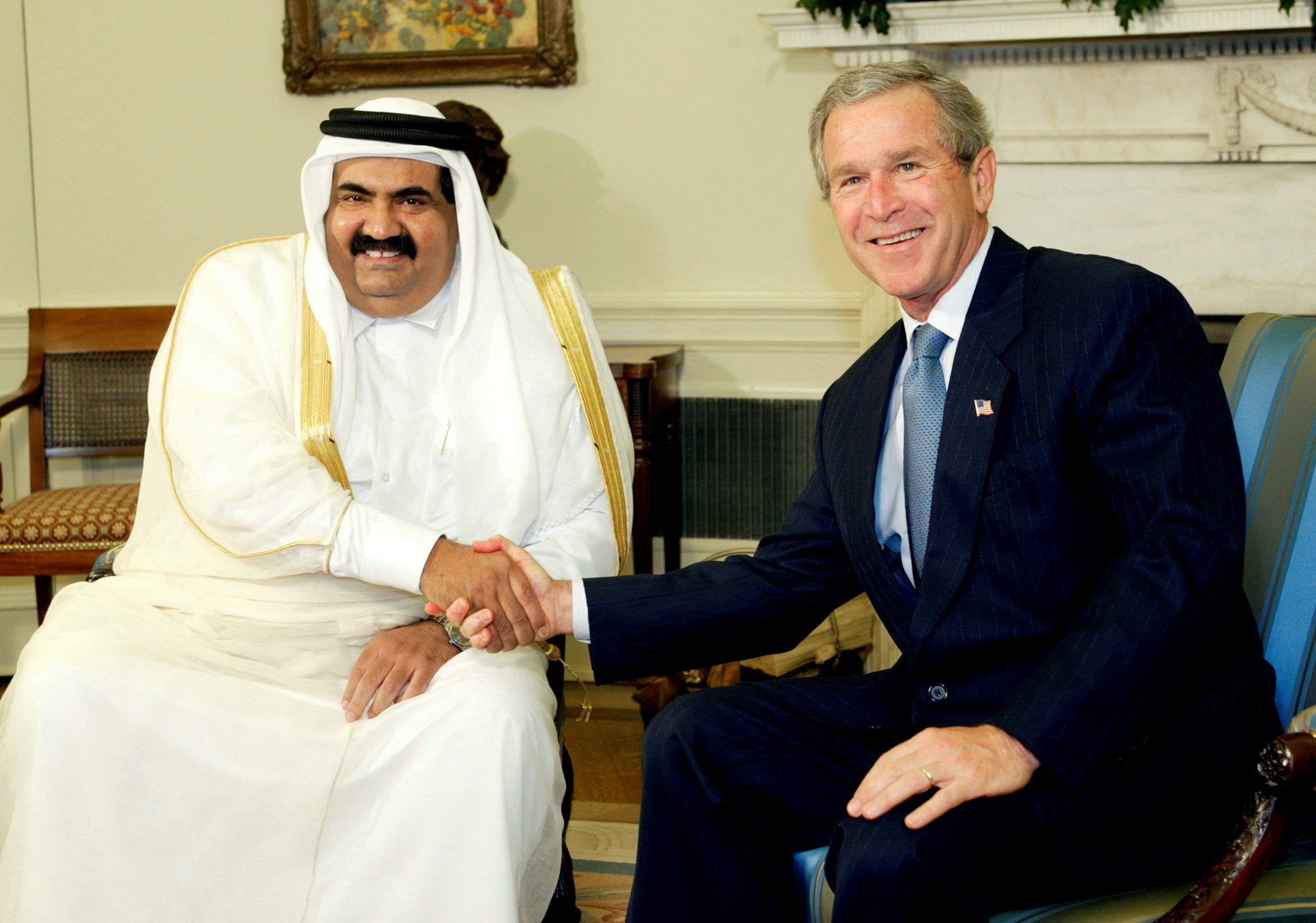
Educated at Britain’s Sandhurst military academy, Sheikh Hamad rose through the ranks, becoming commander of Qatar’s armed forces and defence minister. Named crown prince in the late 1970s, he gradually broadened his duties to include planning for Qatar’s vast oil and gas reserves, laying the groundwork for its future prosperity.
After seizing power, Sheikh Hamad swiftly moved to open an inward-looking nation to outside influences. Al Jazeera’s candid reporting not only angered other Arab leaders, sometimes to the point of diplomatic rupture, but also riled Washington by airing statements from the terror network al-Qaeda, even as Qatar simultaneously hosted a key Pentagon logistical hub following the 9/11 attacks.
He aggressively pursued international prestige through sports, securing the World Cup bid amidst accusations that Qatar used its immense wealth to garner support from poorer nations. Qatar’s brand remains prominent across the sporting world, from sponsorship deals with Spanish football giant Barcelona to a majority stake in the French club Paris Saint-Germain. He also oversaw the expansion of Qatar Airways into a major international carrier and the construction of the $15bn Doha international airport, which bears his name.
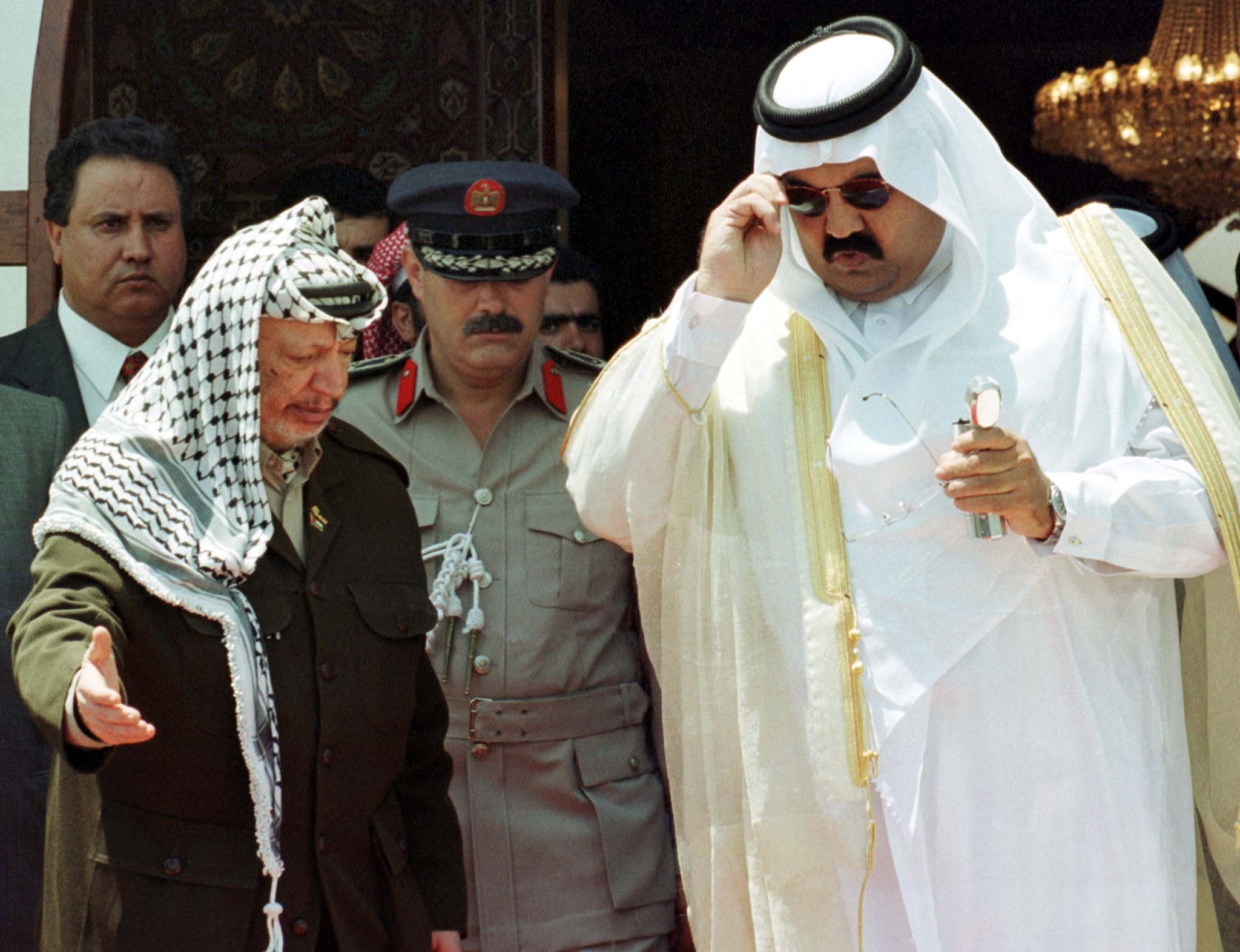
Sheikh Hamad harboured wide-ranging visions for Qatar’s role as a diplomatic broker. Over the years, its mediation efforts were brought to bear on conflicts in Sudan’s western Darfur region, Lebanese factional feuding, and the rift between the Palestinian factions of Hamas and Fatah. In October 2012, he became the first head of state to visit the Gaza Strip since Hamas seized control five years prior, pledging $400m in projects and investments.
While Qatar maintained its distance from Israel, unlike neighbouring Bahrain and the United Arab Emirates, Sheikh Hamad did meet Israel’s then-foreign minister, Tzipi Livni, at the UN General Assembly in 2007. An Israeli trade office operated in Doha until it was ordered closed in response to Israel’s attacks on Gaza in late 2008.
During the Arab Spring, Qatar sent warplanes to Nato-led missions in Libya against Moammar Gadhafi’s forces and provided key military and financial aid to the successful Libyan rebels. In Syria, Qatar was a main political sponsor of the opposition to then-President Bashar Assad and led calls to increase the flow of weapons to the Syrian rebels.
However, his backing of Islamist groups like the Muslim Brotherhood created deep rifts with other nations in the region. These tensions culminated under Sheikh Tamim, when Bahrain, Egypt, Saudi Arabia and the UAE launched a years-long boycott of Qatar, partly over the policies initiated by his father that continued during his rule.
In one of his final initiatives before abdicating, Qatar formally opened an office for Afghanistan’s Taliban, which set the stage for talks between the United States and the Taliban that ultimately led to Nato and America’s chaotic withdrawal from Afghanistan in 2021.

