Швейцарын Нёшатель нуурын ёроолоос МЭ 20-50 оны үед хамаарах, ачаа ачсан Ромын үеийн хөлөг онгоцны үлдэгдлийг археологичид илрүүлэн судалж байна.
2024 оны 11 дүгээр сард агаарын гэрэл зураглалын тусламжтайгаар анх илрүүлсэн уг хөлгийг 2025 оны гуравдугаар сард хийсэн малтлагаар баталгаажуулжээ. Швейцарын Кантоны археологийн алба (OARC), Octopus Foundation болон Фрибур муж улсын Археологийн алба хамтран малтлагын ажлыг зохион байгуулж байна. Нуурын ёроолд хадгалагдсан хөлгийн ачаа нь эвдэрч бутарсан байдалтай биш, харин тээвэрлэхэд бэлтгэсэн дарааллаараа хадгалагдан үлдсэн нь нэн ховор олдвор болохыг мэргэжилтнүүд онцолж байна.
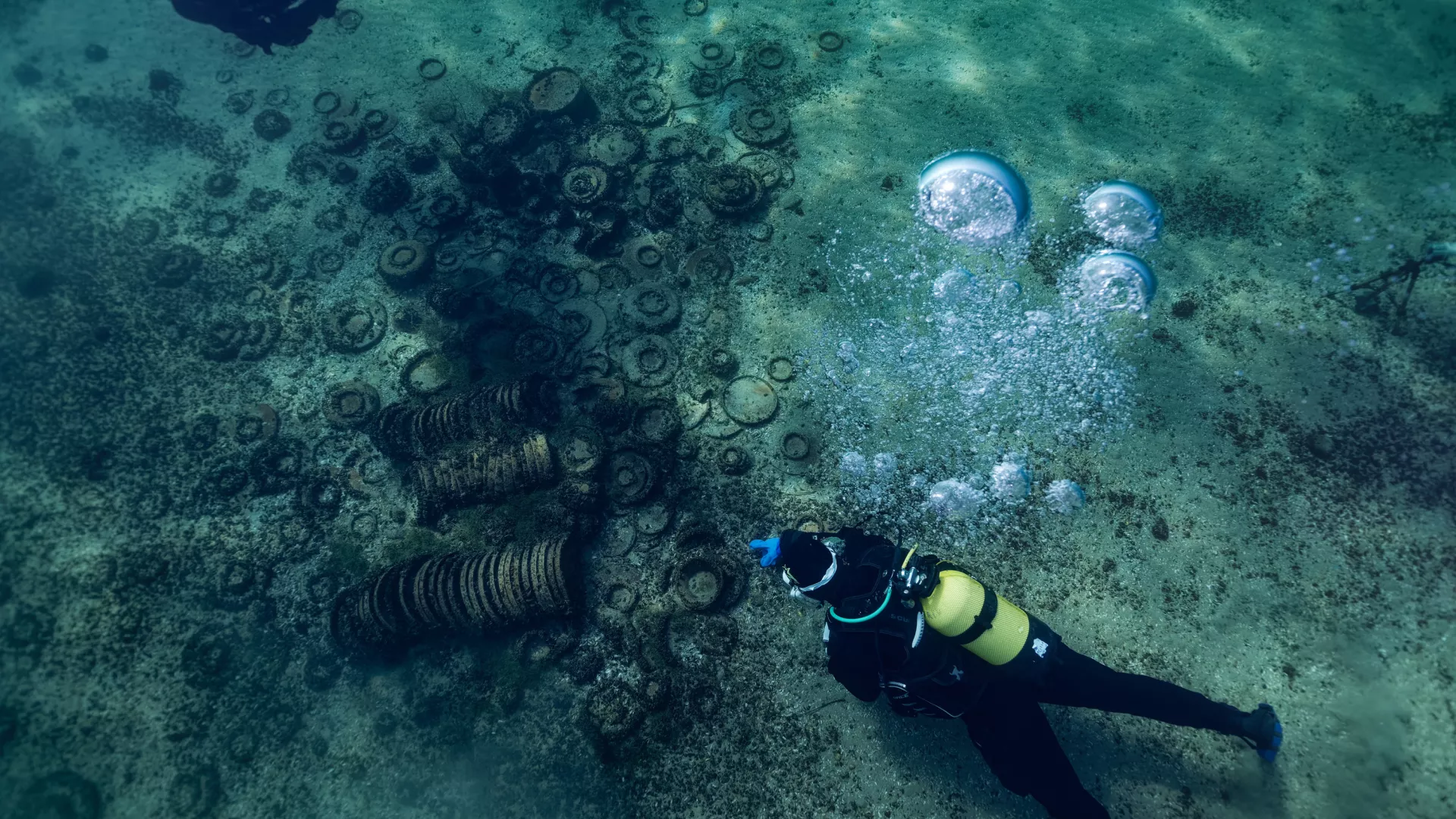
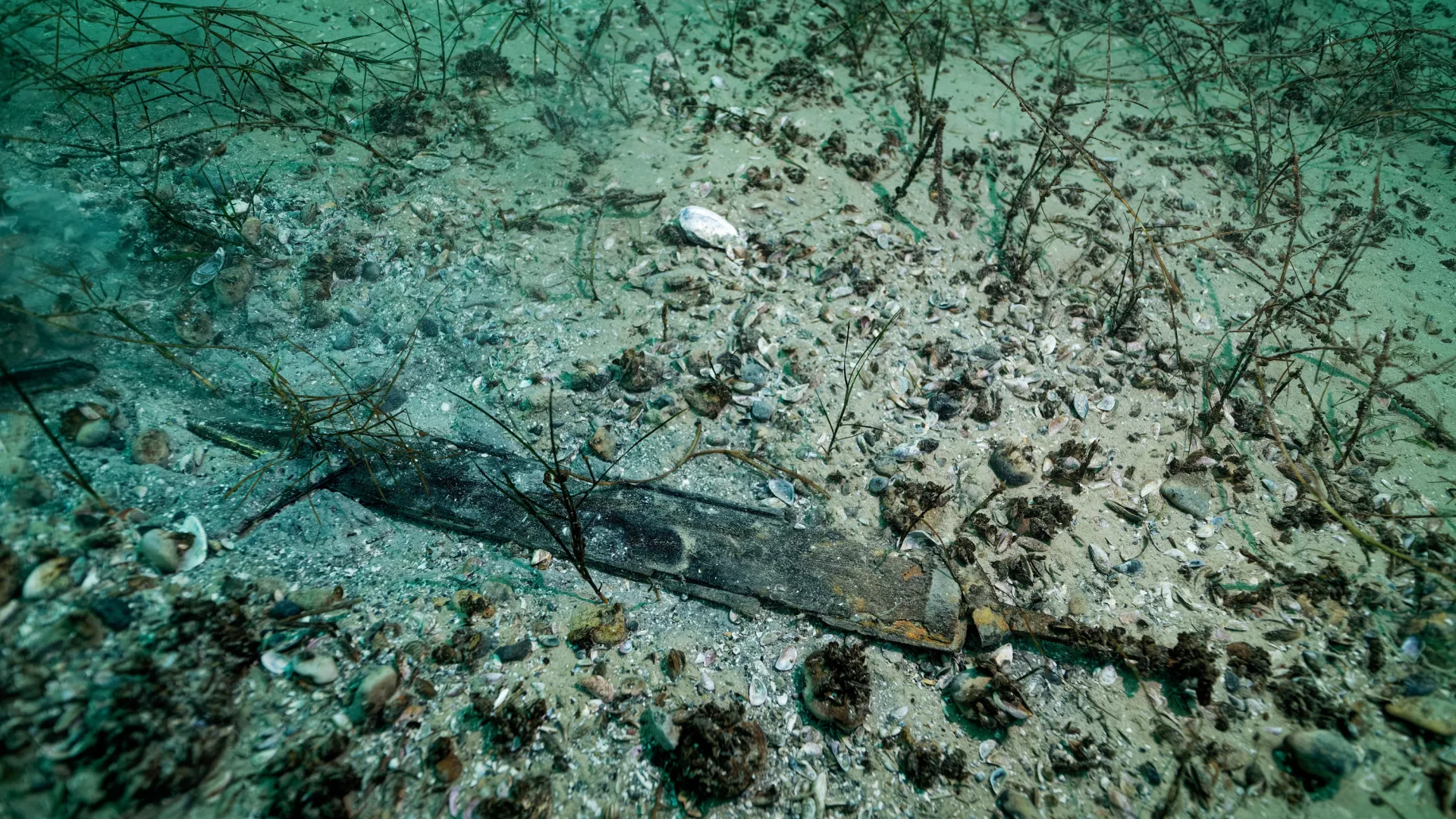
Олдворын дийлэнх нь Швейцарын тэгш тал нутагт үйлдвэрлэсэн хэдэн зуун шаазан эдлэл, мөн Испаниас импортолсон оливын тос хадгалдаг амфорануудаас бүрдэж байна. Түүнчлэн тэрэгний дугуй болон морины хэрэгсэл олдож байгаа нь тухайн үед бараа бүтээгдэхүүнийг усан болон хуурай замын хосолсон сүлжээгээр тээвэрлэдэг байсныг гэрчилж байна. Мөн хөлөг онгоцноос Ромын цэргийн сэлэм олдож байгаа нь тухайн үед үнэ цэнтэй ачааг хамгаалалт дор тээвэрлэдэг байсан байж болзошгүй гэсэн таамгийг дэвшүүлэхэд хүргэжээ.
Нуурын ёроолын элэгдэл, завь болон хүний нөлөөллөөс олдворыг хамгаалах зорилгоор археологичид хамгийн эмзэг хэсгүүдийг бүртгэлжүүлсний дараа нэн даруй гаргаж авч байна. Судлаачид уг олдворыг Ромын эртний худалдааны сүлжээ болон бүс нутгийн эдийн засгийн харилцааг тодруулахад чухал ач холбогдолтой гэж үзэж байна. Нөхөн сэргээх ажил дууссаны дараа олдворуудыг Нёшатель хотын Латениум музейд олон нийтэд дэлгэхээр төлөвлөжээ.
Дэлгэрэнгүйг эх сурвалжаас харах
↓Эх сурвалжийг нээх ↓
Divers working in Lake Neuchâtel have documented hundreds of objects from a Roman-era cargo that sank with its vessel roughly 2,000 years ago and was never recovered. The wreck, dated to between 20 and 50 AD, was first spotted through aerial photography used to monitor the lakebed in November 2024, before a first underwater excavation campaign in March 2025 confirmed the scale of what had settled on the bottom.
Officials in the canton of Neuchâtel describe the find as unique in Switzerland and in inland waters north of the Alps, both for how well the goods survived and for the range of items packed together. Rather than a scattering of broken pottery, archaeologists found a coherent, contextualized load, still arranged in a way that hints at how it was stowed before the boat went down.
A Working Cargo Preserved on the Lakebed
The excavation is being run by the Office of Cantonal Archaeology, known as OARC, together with the Octopus Foundation and the Archaeological Service of the State of Fribourg. Their focus has been as much about rescue as research, since fragile material resting on a lakebed can be damaged or lost quickly once it is exposed to currents, boat traffic, or people who reach the site before archaeologists do.
That is why the most vulnerable objects have been lifted only after being carefully documented in place. Each item’s position on the lakebed was recorded before removal, so researchers could preserve information about how the cargo was originally packed and arranged, not just what the individual pieces were.
Most of the cargo consists of several hundred ceramic vessels, found largely intact after two millennia underwater. These are pieces of everyday tableware, plates, cups, dishes, and bowls, made regionally across the Swiss Plateau. Their survival in such numbers is part of what officials point to when they call the assemblage exceptional.
Alongside the tableware are amphorae that once held olive oil imported from Spain, evidence that goods on the lake were tied into a trade network stretching well beyond the immediate region. The site also produced tools and utensils tied to the daily routines of the crew who worked the boat, small, practical objects that round out the picture of life on board.
Wagon Wheels Point to a Dual Transport System
Among the more unusual finds are fragments of harnesses and a wagon, including wheels that officials say are the only Roman examples of their kind preserved in Switzerland. Their presence on a sunken lake vessel is notable, since these are land-transport parts recovered from a water-based wreck.
That combination suggests cargo did not stay on the water for its whole journey. Instead, goods appear to have moved between lake and land, loaded onto carts at some point along the route rather than carried by boat from start to finish.
Archaeologists connect this pattern to settlements such as ancient Eburodunum, today’s Yverdon-les-Bains, on a lake once known by the Latin name Lacus Eburodunensis. The wreck likely represents one stop along a route linking such communities by both water and road.
That dual system, boats on the lake and carts on the roads, is why researchers see the wreck as more than an isolated accident. It reflects a transport network that linked workshops, markets, and communities across the region during the early Roman period, with the lake serving as one link in a longer chain rather than an endpoint.
Swords on Board Suggest a Military Escort
One detail shifted how archaeologists read the wreck: several glaives, a type of Roman sword, were recovered among the cargo. Weapons are not what investigators would expect to find alongside tableware and olive oil amphorae on a routine trading run.
Their presence suggests the boat may have been a civilian merchant vessel that carried an armed escort rather than an unguarded trading craft. Officials describe this as a working hypothesis drawn from the combination of goods and weapons found together, not a confirmed military role for the ship itself.
That does not make the vessel a warship, but it does add a layer of context to how valuable, or how exposed, this kind of lake traffic could be in the early Roman period. A merchant boat carrying armed protection points to cargo, or a route, that was considered worth defending.
Racing to Protect the Site Before It Is Lost
Even in its current condition, the cargo faces immediate threats. Neuchâtel authorities have pointed to lakebed erosion, anchoring by pleasure boats, and the risk of looting as reasons the recovery could not wait for a slower, more conventional excavation schedule.
That urgency shaped the decision to remove the most fragile items soon after they were mapped and recorded, rather than leaving the full assemblage exposed on the lakebed indefinitely. Selective, documented recovery was chosen over letting natural and human disturbance run its course.

Because the objects were recovered together and with their original context intact, researchers expect the cargo to support work on Roman trade networks, ceramic workshops, and how manufactured goods were marketed and distributed across the region. Context, in this case, matters as much as the objects themselves.
Every object will go through conservation and restoration before that research can move forward, a process the canton says is necessary to keep the finds stable and accessible over the long term. Once that work is far enough along, the material is expected to be presented at the Laténium, Neuchâtel’s archaeology park and museum.
Enjoyed this article? Subscribe to our free newsletter for engaging stories, exclusive content, and the latest news.