Засгийн газрын албан ёсны мэдээллээр зургаадугаар сарын 24-нд болсон газар хөдлөлтийн улмаас амиа алдсан иргэдийн тоо 4,490 болж нэмэгдсэнийг Үндэсний ассамблейн ерөнхийлөгч Хорхе Родригес ням гарагт баталлаа.
Байгалийн гамшгийн улмаас 16,740 хүн гэмтэж бэртсэн бөгөөд 6,462 хүнийг нурангиас аварчээ. Одоогийн байдлаар 17,907 хүн орон гэргүй болж, түр хоргодох байр болон ил задгай талбайд амьдарч байна. Тэдгээр иргэд цэвэр усны хангамж, ариун цэврийн нөхцөл байдлын хүндрэлтэй тулгарч байгаа нь эрүүл мэндийн ноцтой эрсдэлийг дагуулж байна.
Каракас хотын эмнэлгийн гэмтлийн тасгийн эрхлэгч Эугенио Кова гамшгийн бүсэд удаан хугацаагаар байсан иргэдийн дунд халдварт өвчин дэгдэх магадлал өндөр байгааг анхааруулав. Тусламжийн байгууллагууд яаралтай арга хэмжээ авахгүй бол хүний амь нас нэмж эрсдэх аюултайг сануулж байна.
Зургаадугаар сарын 24-нд болсон 7.2 болон 7.5 магнитудын хүчтэй газар хөдлөлт нь сүүлийн зуун жилийн хугацаанд тус улсад тохиолдсон хамгийн том гамшиг болж, 58,000-59,000 барилга байгууламжийг сүйтгэжээ. Ялангуяа Ла Гуайра муж болон Каракас хотын зарим хэсэгт ихээхэн хохирол учирсан байна.
Орон нутгийн иргэд гамшиг тохиолдсон эхний 48-72 цагт засгийн газрын зүгээс хангалттай арга хэмжээ аваагүй, аврах ажиллагааг зохион байгуулалт муутай явуулсан хэмээн шүүмжилж байна. Харин Делси Родригесийн удирдаж буй засгийн газар уг буруутгалыг няцааж, гамшгийн эхний өдрүүдээс л идэвхтэй ажилласан гэж мэдэгдлээ.
Дэлгэрэнгүйг эх сурвалжаас харах
↓Эх сурвалжийг нээх ↓
The death toll from two powerful earthquakes that struck Venezuela last month has tragically risen to 4,490, National Assembly President Jorge Rodriguez confirmed on Sunday.
The official count of injured remains unchanged at 16,740, while 6,462 people have been successfully rescued from the devastation.
According to the latest figures, 17,907 individuals have been left homeless following the disaster.
The Venezuelans who remain displaced have been forced into crowded shelters or to sleep outdoors, grappling with a severe lack of clean water and deplorable sanitary conditions in the wake of the June 24 tremors.
Aid organizations describe the aftermath as a significant medical emergency. They caution that without swift intervention, the crisis is poised to claim more lives in the coming days and weeks.
Eugenio Cova, head of the trauma unit at Caracas’s Hospital del Oeste Dr. José Gregorio Hernández, articulated the immediate concern: “The issue we foresee just around the corner is the infections that patients who have been exposed to the disaster for the longest time might bring.”
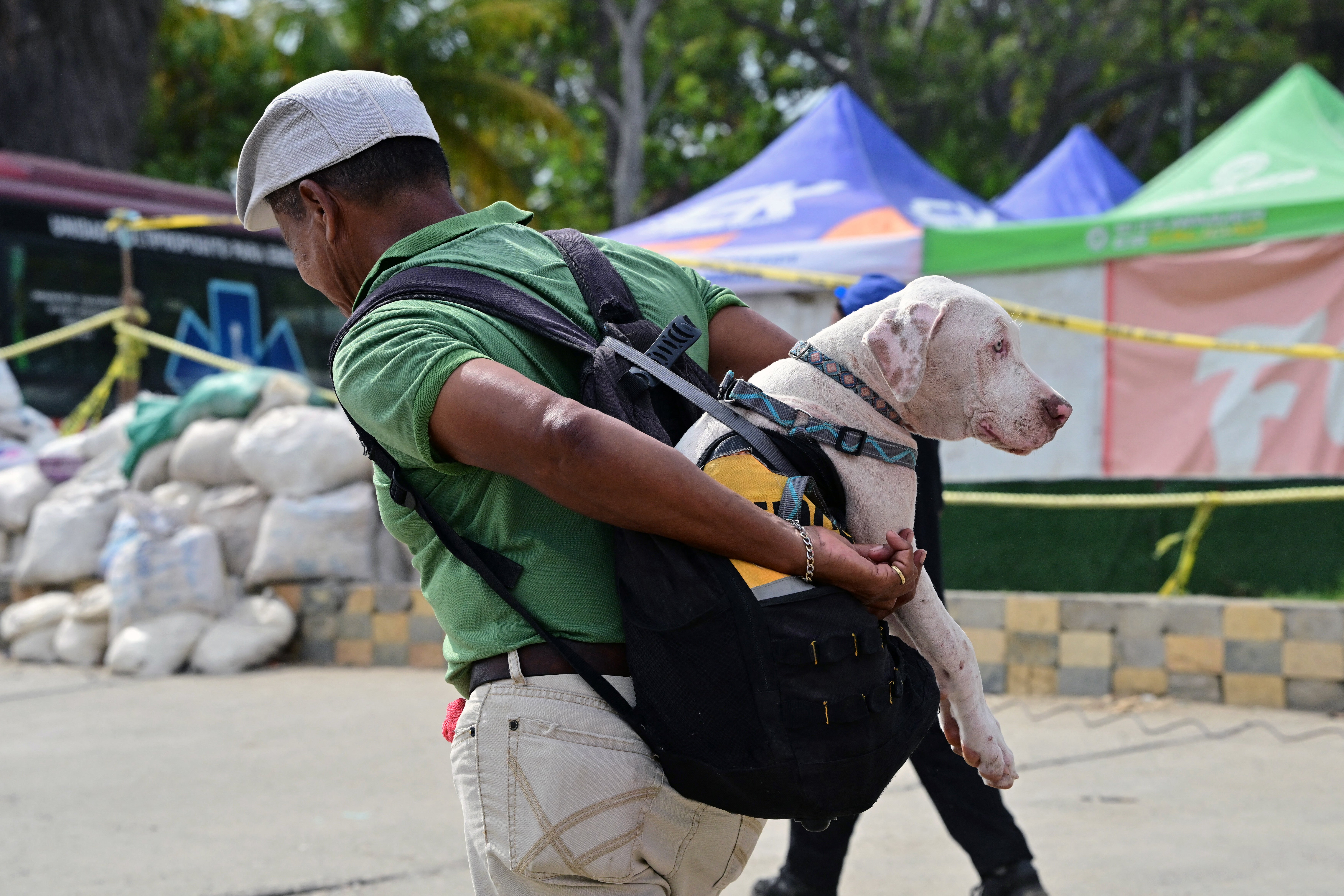
The Venezuelan government has been accused of remaining largely absent in the first 48–72 hours of the earthquake, downplaying the death toll, poor coordination and underlying systemic failures.
Two 7.2- and 7.5-magnitude earthquakes – the bigger one the strongest to hit the country in more than a century – toppled or damaged 58,000–59,000 buildings, especially in La Guaira, the hardest-hit coastal state and parts of Caracas, and displaced at least 15,800 people.
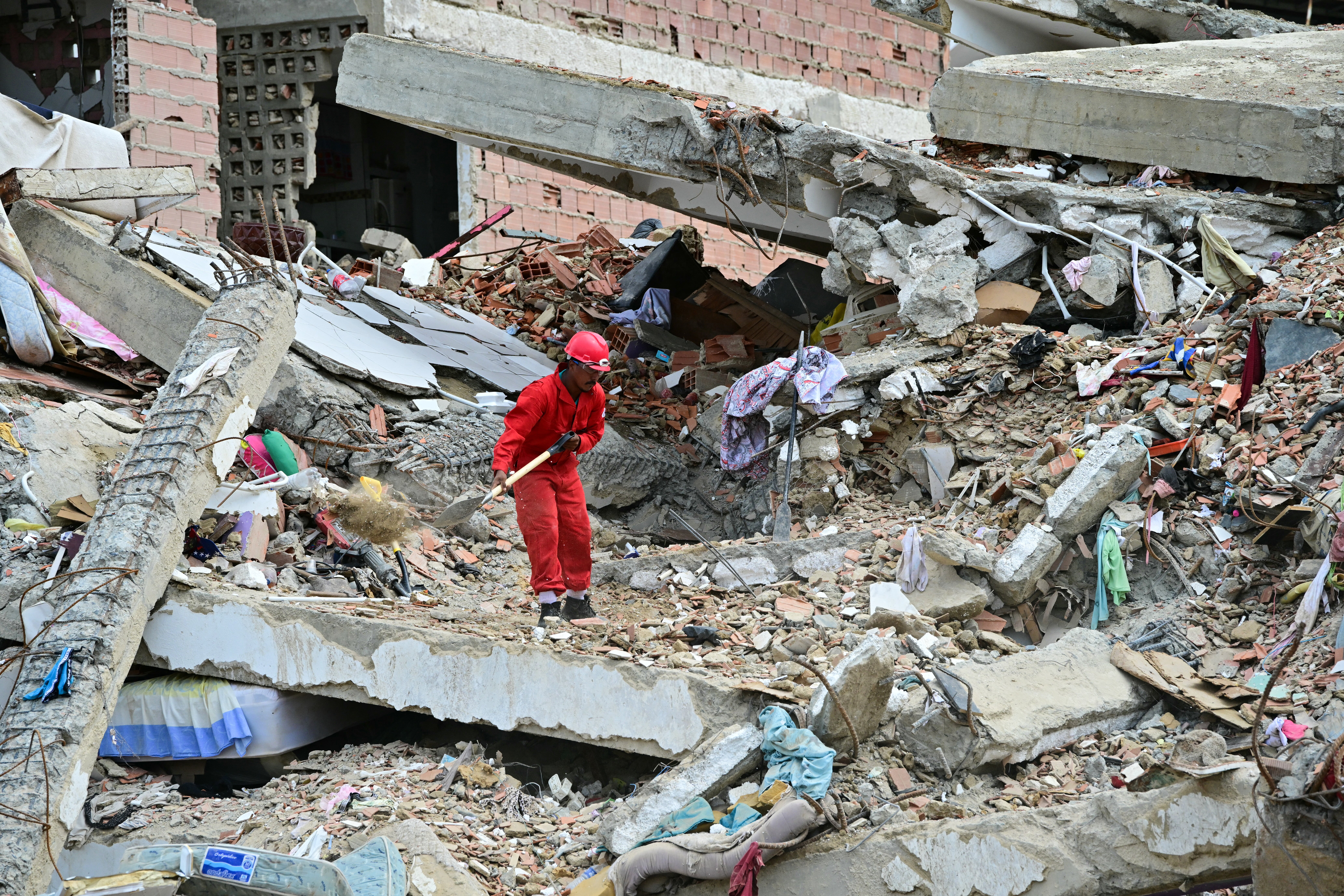
Residents in La Guaira have lashed out at the self-described socialist government of Delcy Rodríguez, alleging that the initial absence of a serious government search-and-rescue operation left them alone to scour for neighbours and loved ones with their bare hands.
However, Rodríguez fiercely defended her government at a press conference, saying politicisation of human tragedy is “disgraceful.”
“We did not wait one day, two days or three days. We activated immediately,” she said, wearing a black ribbon as a symbol of mourning.