Хөлбөмбөгийн дэлхийн аварга шалгаруулах тэмцээнийг зохион байгуулж буй АНУ-ын Атланта хотын албаныхан орон гэргүй иргэдийн эд зүйлийг урьдчилан сануулахгүйгээр хураан авч устгасан байна.
“The Guardian” сонины мэдээлснээр, Фридом паркаас хураасан эд зүйлсийн дотор эм тариа, иргэний үнэмлэх, майхан зэрэг нэн шаардлагатай зүйлс байжээ. Тухайлбал, цусны даралт бууруулах эм, инсулины иж бүрдэл зэрэг хүний амь насанд чухал эмүүд хураагдсаныг эх сурвалжууд онцолсон байна.
Хотын захиргааны зүгээс тус арга хэмжээг “цэцэрлэгт хүрээлэнгийн байнгын арчилгаа” хэмээн тайлбарлаж, уг байршил нь албан ёсны суурьшлын бүс биш тул урьдчилан мэдэгдэх үүрэг хүлээгээгүй гэж мэдэгдлээ. Атланта хотын цагдаагийн газрын хошууч Питер Риес тус эд зүйлсийг “эзэнгүй хаягдсан” хэмээн үзэж устгасан болохыг баталсан байна.
Хотын зөвлөлийн гишүүн Келси Бонд хотын захиргааны энэхүү шийдвэрийг шүүмжилж, бодлогын хэрэгжилт нь орон гэргүй иргэдийн амьдралд сөргөөр нөлөөлж байгааг онцлов. Атланта хотын дарга Андре Дикенс тэмцээний өмнө орон гэргүй иргэдийг хотын төв болон жуулчид ихээр цугладаг газруудад байлгахгүй байх бодлого баримталж байгаагаа мэдэгдэж байсан юм.
Тэмцээний бэлтгэл ажлын хүрээнд хотын төвийн хэд хэдэн паркийг хашиж хаасан нь орон гэргүй иргэдийн эрүүл мэндийн үйлчилгээ болон нийгмийн харилцаанд сөргөөр нөлөөлж байгааг хүний эрхийн төлөө тэмцэгчид анхааруулж байна. Энэхүү арга хэмжээ нь орон гэргүй иргэдийг илүү хүнд нөхцөлд гудамж, явган хүний зам дээр хоноглоход хүргэж байгааг мэргэжилтнүүд шүүмжилж байна.
Дэлгэрэнгүйг эх сурвалжаас харах
↓Эх сурвалжийг нээх ↓
Officials in Atlanta, a World Cup host city, threw away tents, medication, identification, and other items belonging to homeless people without any warning, according to a report.
The items were collected from a public park not far from where many soccer fans have been gathering to watch the soccer tournament, The Guardian reports.
Some of the items taken by city workers reportedly include blood pressure pills, an insulin kit, and hormones.
In response to the accusations, the city’s senior advisor on homelessness, Chatiqua Ellison, told the paper that the area that the affected area of Freedom Park was “not an encampment” and that the item removals were part of “routine park maintenance.”
She reportedly said that because the site was not an encampment and the action was not considered a “sweep,” the city was not obligated to give a warning before officials moved in to seize the items.
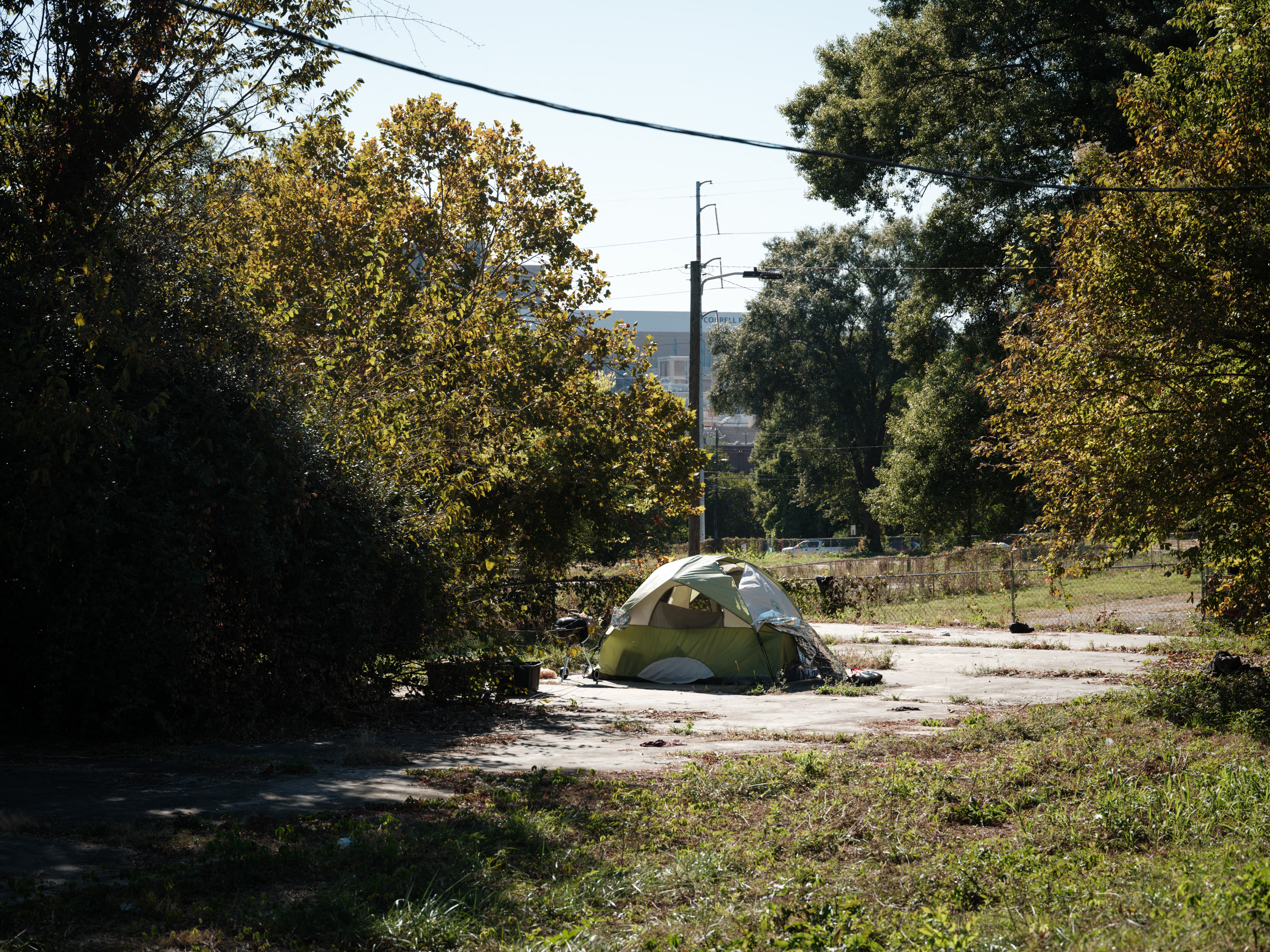
One person who lost belongings, named Kai, told The Guardian that she lost a bag filled with her possessions, including a flash light.
“Our whole lives was thrown away,” she said.
Kai said the site was effectively an encampment as it was used for that purpose, regardless of the city’s official definition.
Kelsea Bond, an Atlanta city council member whose district includes the park, told the newspaper that she was disappointed with the city’s handling of the situation.
“It’s disappointing that the city is more concerned about the strict, and perhaps arbitrary, definition of ‘encampment’ here rather than the impact these kinds of clearings have on the houseless community,” she said, adding that the city should be more focused on “the impact of a policy, not the intention on paper.”
Bond shared an email with the outlet from Major Peter Ries of the Atlanta Police Department in which he stated that the area in question was not an encampment, and the seized “property was considered abandoned, [and] park maintenance disposed of … unclaimed items.”
The Independent has requested comment from the city of Atlanta.
People from around the world have descended on Atlanta this summer to watch the eight planned soccer matches at Mercedez Benz stadium. But homeless advocates have argued that the city’s efforts to present a good face to visitors has been at the expense of some of the community’s most vulnerable members.
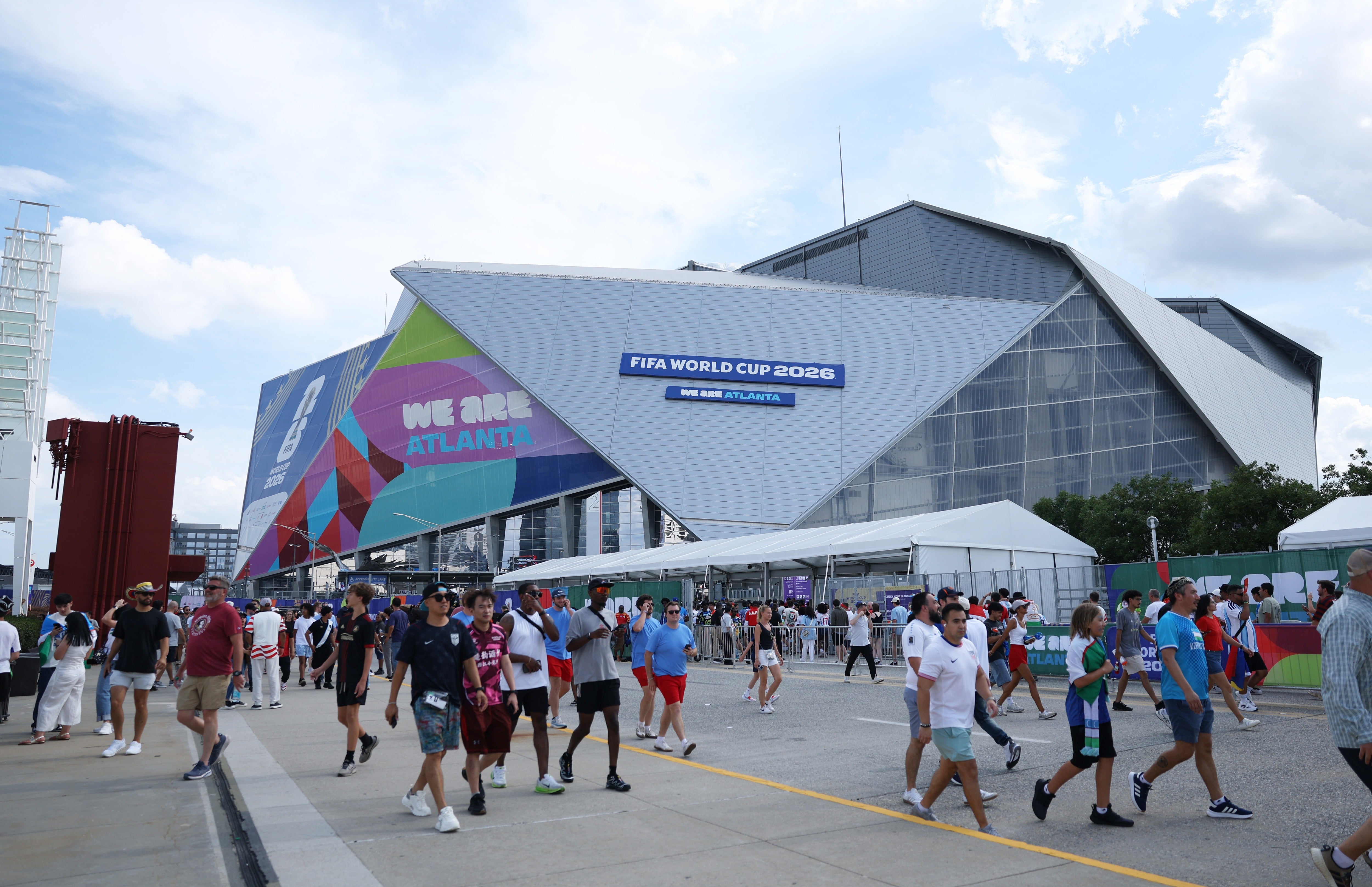
In the months leading up to the World Cup, Atlanta Mayor Andre Dickens made clear in a statement that he did not want the city’s homeless population anywhere near places where they might run into visitors.
“We want to make sure those unsheltered individuals don’t come anywhere downtown, and throughout the city of Atlanta, not just during the World Cup, but now,” he said.
Advocates told The Guardian that at least two of Atlanta’s downtown parks — often used by the homeless as gathering places — were fenced off in the weeks prior to the World Cup, forcing them to disperse into other parts of the city.
They said that disruption breaks up homeless individuals’ routines, access to healthcare services, and disrupts their social connections.
Allen Hall, who was homeless for decades and who now is active in street outreach for the American Friends Service Committee, told the paper that the city’s actions have forced homeless individuals to sleep on the streets and sidewalks because they have limited options outside of shelters.