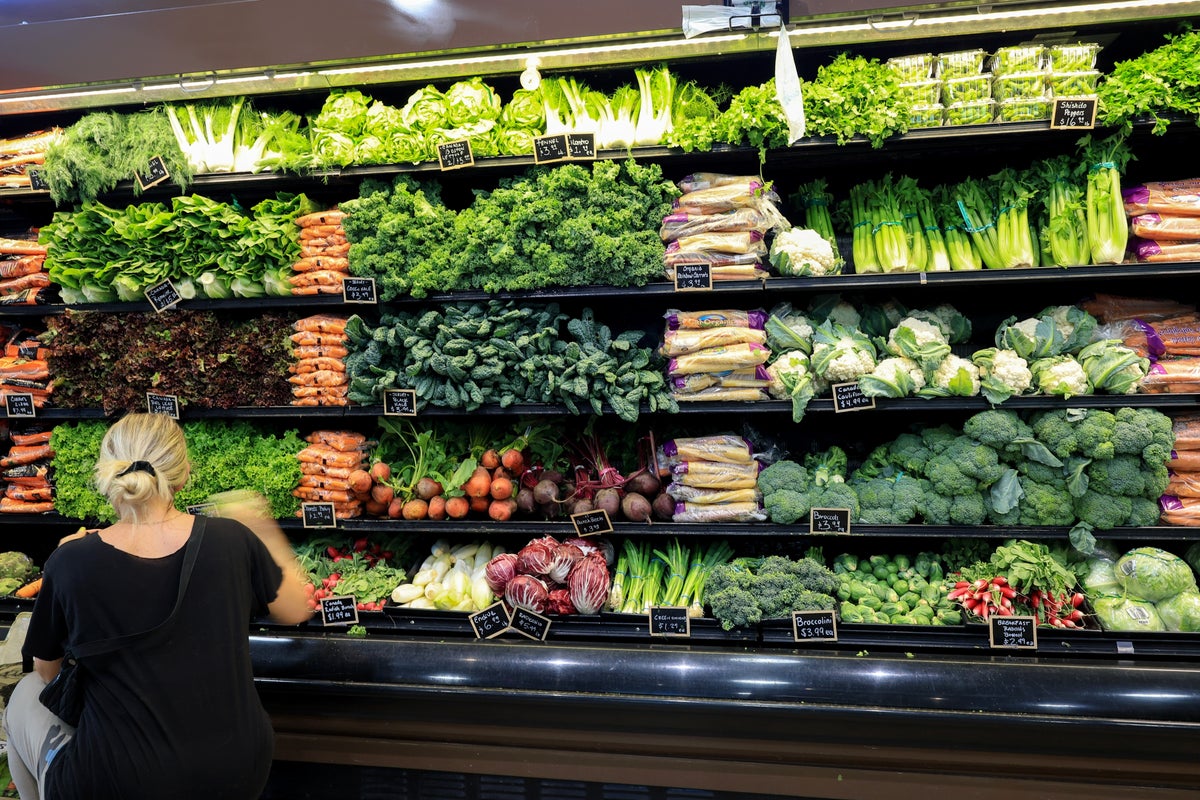
АНУ-ын эрүүл мэндийн байгууллагууд Cyclospora cayetanensis шимэгчээр үүсгэгдсэн гэдэсний хүнд хэлбэрийн халдвар 31 мужид тархсаныг тогтоож, урьдчилан сэргийлэх арга хэмжээ авахыг анхаарууллаа.
Тавдугаар сарын 1-нээс хойш АНУ-ын Өвчнийг хянах, урьдчилан сэргийлэх төв (CDC)-д бүртгэгдсэн тохиолдлын тоо 843-т хүрснээс 86 хүн эмнэлэгт хэвтэн эмчлүүлжээ. Гэсэн хэдий ч албаны хүмүүс халдвар авсан хүний бодит тоо үүнээс хавьгүй их байх магадлалтайг анхааруулж байна. Одоогоор нэмэлтээр 1,500 орчим сэжигтэй тохиолдлыг лабораторийн шинжилгээгээр шалгаж байгаа бөгөөд бүртгэлийн үйл явц удаашралтай байгаагаас шалтгаалан муж улсуудын мэдээлсэн тоо CDC-ийн албан ёсны тооноос өндөр байна.
Cyclospora cayetanensis шимэгч нь ихэвчлэн бохирдсон ус эсвэл хүнсний ногоогоор дамжин халдварладаг. Шинж тэмдэг нь халдвар авснаас хойш хоёр хоногоос хоёр долоо хоногийн дотор илэрдэг бөгөөд голчлон суулгах, ядрах, гэдэс базлах, дотор муухайрах зэрэг шинжээр илэрдэг. Халдвар авсан хүмүүсийн дундаж нас 44 байгаа бөгөөд нийт тохиолдлын 59 хувийг эмэгтэйчүүд эзэлж байна.
Эрүүл мэндийн байгууллагууд халдварын эх үүсвэрийг хараахан тогтоогоогүй байгаа ч өмнөх жилүүдийн туршлагаас үзэхэд навчит ногоо, яншуй, базилик, ногоон сонгино, бөөрөлзгөнө зэрэг хүнсний бүтээгдэхүүнүүд гол эх үүсвэр болдог байна. Иймд хүнсний ногоог сайтар угаах, навчит ногоог багцаар нь биш, тус тусад нь ялгаж угаах, эсвэл бүрэн болгож хэрэглэхийг иргэдэд зөвлөв. Бөөрөлзгөнө зэрэг жимс нь гадаргуугийн бүтэц онцлогтой тул угааж цэвэрлэхэд хүндрэлтэй байдаг тул болгоомжтой хандахыг мэргэжилтнүүд анхааруулж байна.
Дэлгэрэнгүйг эх сурвалжаас харах
↓Эх сурвалжийг нээх ↓
A parasitic outbreak that causes severe gastrointestinal illness has spread to 31 U.S. states, federal and state health officials reported.
The Centers for Disease Control and Prevention has confirmed 843 domestic cases of cyclosporiasis since May 1, resulting in 86 hospitalizations and no deaths. However, federal officials say that the true number of infections is vastly higher.
Because many infected people recover without seeking medical attention or undergoing specific testing, and because several states are experiencing significant data processing backlogs, the federal totals reflect a severe undercount of the actual outbreak size. An additional 1,500 suspected cases are currently undergoing further laboratory analysis to determine if they are tied to the spike.
Case numbers differ significantly depending on the state. Though no cases have been recorded in Alabama, states like New York and Michigan are experiencing the highest concentration of illnesses.
Federal numbers are lower because it takes the CDC up to six weeks to confirm and log a case. Because of this delay, local state counts are often much higher. For example, health officials in Michigan have already recorded more than 1,500 cases locally, CBS News reported.
The illness is caused by Cyclospora cayetanensis, a microscopic parasite typically transmitted through water or fresh produce contaminated with human feces. Symptoms usually appear roughly one week after exposure, though the incubation period can range from two days to more than two weeks.
As previously reported, the primary symptom is watery, often explosive diarrhea, which carries a severe risk of dehydration. Additional symptoms include acute fatigue, stomach cramps, bloating, flatulence, nausea, vomiting, a low-grade fever and a loss of appetite.
Although the infection affects all demographics, recent CDC data shows the parasite has primarily affected people between the ages of 5 and 88, with a median age of 44, and females accounting for approximately 59 percent of the cases.
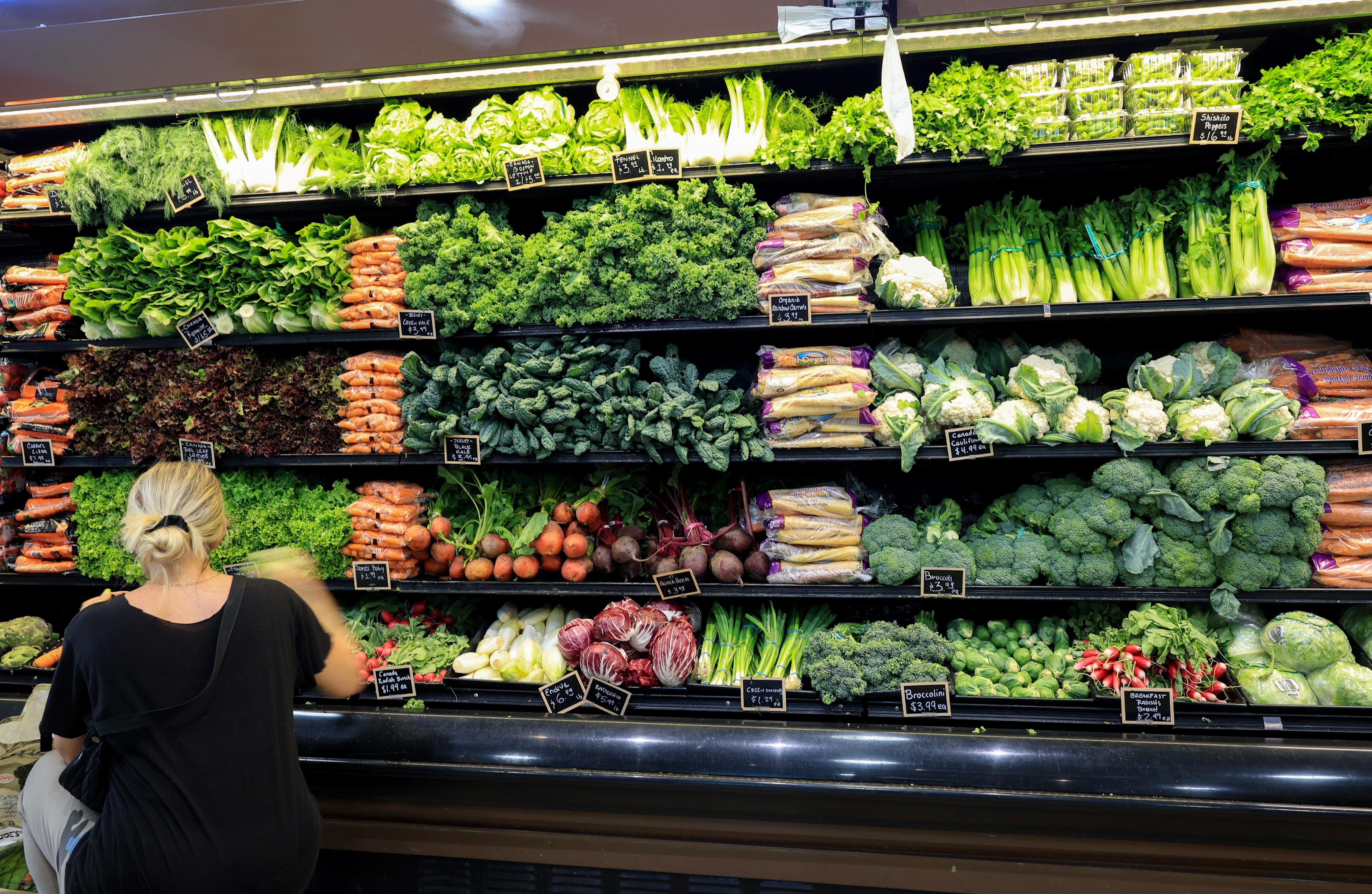
Health investigators have not yet identified a specific food source driving the current multistate spike. However, the Michigan Department of Health and Human Services noted that prior historical outbreaks have been repeatedly traced back to fresh herbs and produce, including bagged salad mixes, pre-cut lettuce blends, fresh cilantro, basil, snow peas, green onions and raspberries.
Public health agencies have issued specific food safety guidelines to lower the risk of infection while the investigation continues. For leafy greens, officials recommend purchasing whole heads of lettuce rather than pre-washed bagged kits. Consumers should discard the outer two to three layers of leaves and thoroughly wash the inner layers under running water.
Herbs like cilantro and basil should be separated and washed individually under running water. Green onions should have their root ends trimmed and outer layers removed before washing. For snow peas, health officials advise washing under running water while physically rubbing the surface.
Because the bumpy texture of raspberries contains microscopic crevices where the parasite can easily evade standard rinsing, experts note they are particularly difficult to clean.
For all of these items, including berries, green onions and herbs, cooking remains the safest option. Buying frozen raspberries is a viable alternative, though public health officials caution that freezing may reduce the presence of the parasite but does not fully guarantee its elimination.

