
Туркийн Ерөнхийлөгч Режеп Тайип Эрдоган 2016 оны долдугаар сарын 15-ны өдөр болсон төрийн эргэлт хийх оролдлоготой холбоотой этгээдүүдийг эх оронд нь буцаан өгөх асуудлаар Их Британи болон НАТО-гийн бусад гишүүн орнуудад дахин хандлаа.
Туркийн эрх баригчид 2016 оны долдугаар сарын 15-ны өдрийн үйл явдлыг Фетхуллах Гюлений дэмжигчдийн зохион байгуулсан гэж үздэг бөгөөд уг бүлгийг “Фетхуллахын террорист байгууллага” (FETO) хэмээн нэрлэдэг. Тухайн үед цэргийнхэн байлдааны онгоц, нисдэг тэрэг, танк ашиглан төрийн байгууллагуудыг хяналтдаа авахыг оролдсоны улмаас 250 гаруй хүн амиа алдаж, 2200 орчим хүн гэмтэж бэртсэн юм.
Туркийн Хууль зүйн сайд Акин Гюрлек төрийн эргэлт хийх оролдлого гарсны 10 жилийн ойг тохиолдуулан сэжигтнүүдийг шилжүүлэн авах хүсэлтээ дахин шинэчиллээ. Ерөнхийлөгч Эрдоган зарим улс орон тус байгууллагын гишүүдийг нууцаар дэмжиж, орогнуулж байна хэмээн мэдэгдэж, олон улсын хамтын ажиллагаа чухал болохыг онцлов.
Үүний өмнө Их Британийн шүүх Туркийн талын гаргасан шилжүүлэн өгөх хүсэлтүүдийг няцааж байсан юм. Британийн тал эдгээр хүсэлтийг улс төрийн зорилготой гэж үзэж байгаа бөгөөд сэжигтнүүдийг Турк руу буцаах нь хүний эрхийн зөрчил, зүй бус харьцаанд өртөх эрсдэлтэй гэж дүгнэжээ.
Туркийн засгийн газар өөрсдийгөө бүс нутгийн болон дэлхийн хэмжээний хямралыг шийдвэрлэхэд чухал үүрэг гүйцэтгэж буй улс гэж үздэг. Гэсэн хэдий ч Турк дахь хэвлэлийн эрх чөлөө болон хүний эрхийн асуудлаар олон улсын байгууллагууд шүүмжлэлтэй хандсаар ирсэн билээ.
Дэлгэрэнгүйг эх сурвалжаас харах
↓Эх сурвалжийг нээх ↓
Turkish president Recep Tayyip Erdogan has made a fresh appeal to the UK and other Nato allies to extradite individuals he claims are linked to a failed coup which took place in the country a decade ago.
In a statement, Mr Erdogan, 72, said some countries were “covertly providing support… and are harbouring its members” and demanded their return to Turkey to face the courts there.
More than 250 people were killed and 2,200 injured in the July 15, 2016 coup attempt when rogue soldiers commandeered warplanes, helicopters and tanks to take control of institutions and overthrow Erdogan’s government.
Ankara, which has just hosted the Nato summit, blamed the coup on supporters of former Erdogan ally Fetullah Gulen, and has since detained hundreds of thousands of people over suspected links, designating the wider movement “the Fethullah Terrorist Organisation (FETO)”.
British courts have previously rejected “politically motivated” extradition appeals from Turkey, warning that those accused of involvement in the coup face ill-treatment back in Turkey, where political rights and civil liberties have declined under Erdogan.
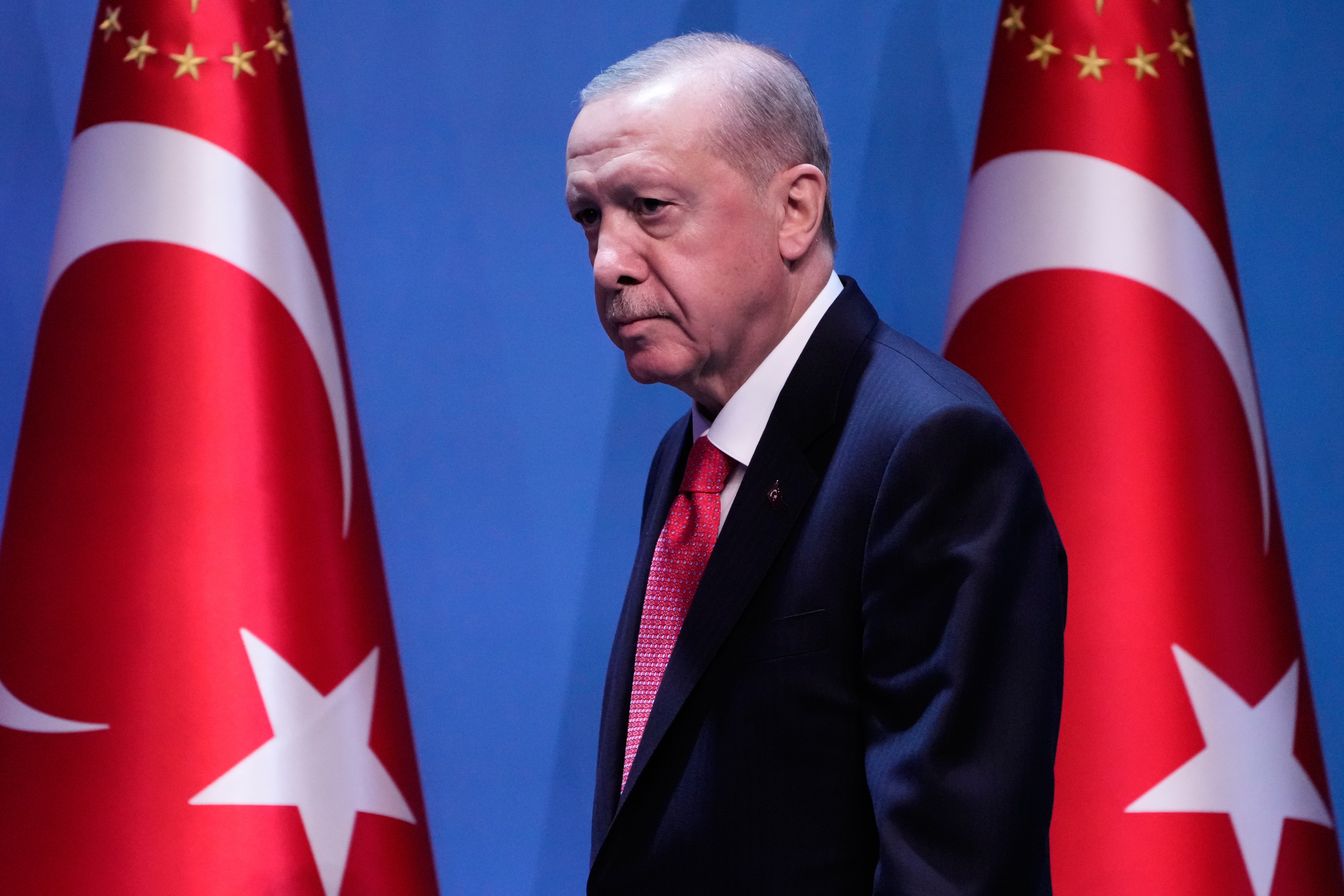
Turkey is ranked 159th for press freedom and the Nato ally has faced criticism from partners over its crackdowns in south eastern regions with predominantly Kurdish populations.
The Gulen movement, known as Hizmet by its supporters but FETO by the Turkish state, denies involvement in the coup. The UK does not recognise the Gulenist movement as a terror group.
But President Erdogan insisted: “The fight against terrorism, in which international cooperation is essential, retains its prominent place on our foreign policy agenda. As is well known, the process of internal disintegration within FETO’s overseas network has accelerated over the past two years.”
He added: “That said, we are aware that some countries are covertly providing support to this organisation and are harbouring its members. I would like to take this opportunity to underscore the necessity of maintaining vigilance against FETO, which considers all means permissible to achieve its ambitions, adopts every possible guise, and does not hesitate to exploit every concept, including democracy, freedom, and human rights.”
The Turkish government has voiced frustration at years of failed attempts to extradite individuals they have linked to the movement from the UK, the EU and the US.
Justice minister Akin Gurlek renewed the push with fresh extradition requests ahead of the 10th anniversary of the coup.
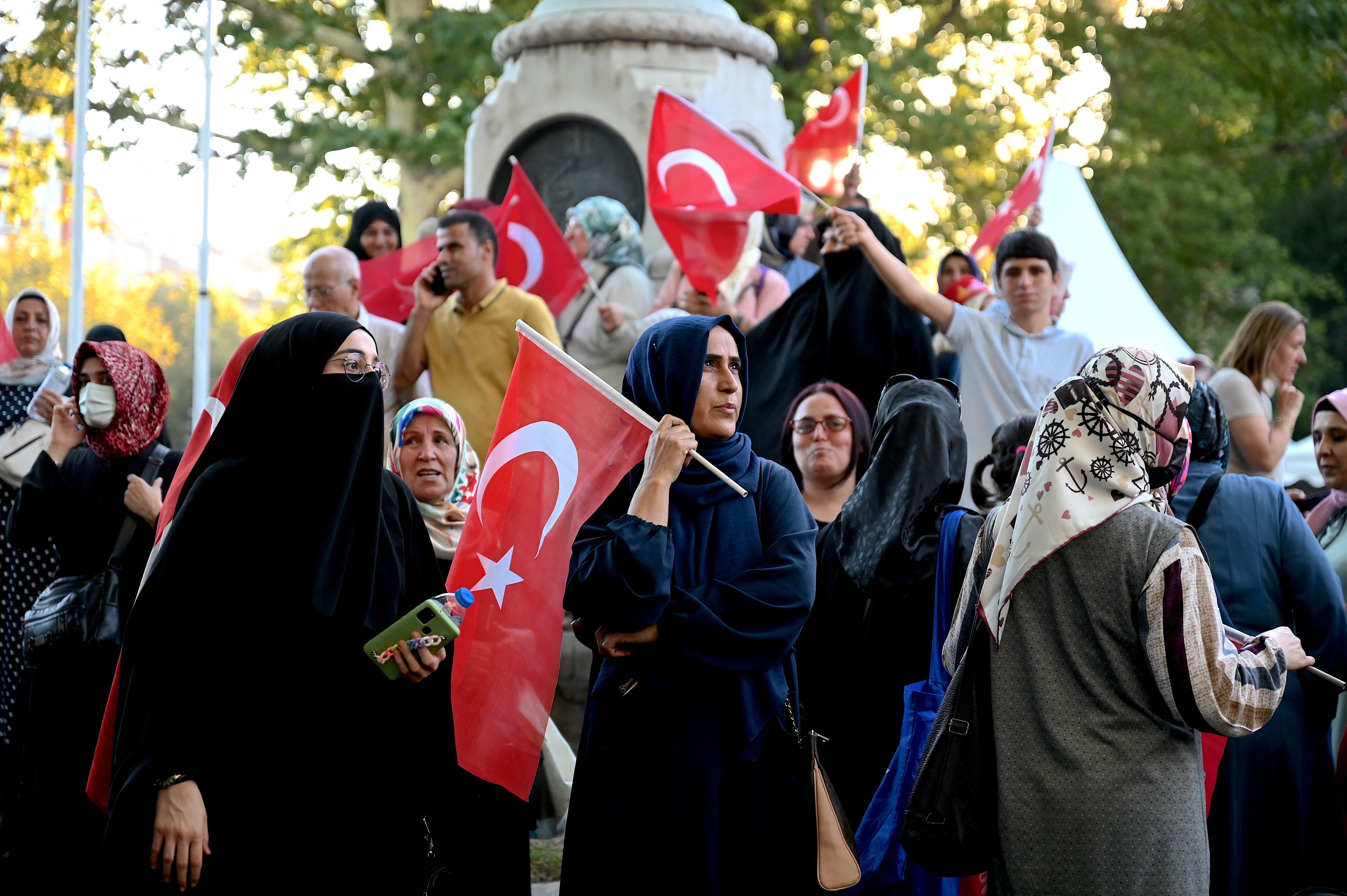
Britain previously rejected a request for exiled businessman Akin Ipek to face terrorism-funding, fraud and other charges in Turkey, saying he faced a real risk of ill-treatment should he be returned.
Westminster Magistrates Court also ruled two other defendants, Talip Buyuk, the alleged “imam” of the Gulenist group in Iraq, and Bank Asya director Ali Celik, should not be extradited.
Freedom House claims President Erdogan’s Justice and Development Party (AKP), in power since 2002, has become increasingly authoritarian over the past decade and consolidated power by imprisoning political opponents and journalists.
President Erdogan has rejected claims that his country post-coup is one that supports repression and argued that Turkey has become an important mediator in the resolution of crises in the region and wider world.
He insisted: “Over the past 10 years, Türkiye has emerged as an effective actor in the resolution of crises and conflicts at both regional and global levels, guided by an enterprising foreign policy approach.
“Türkiye is now regarded as a country whose contribution is sought, whose word carries weight, and who is consulted on regional and global matters.”

