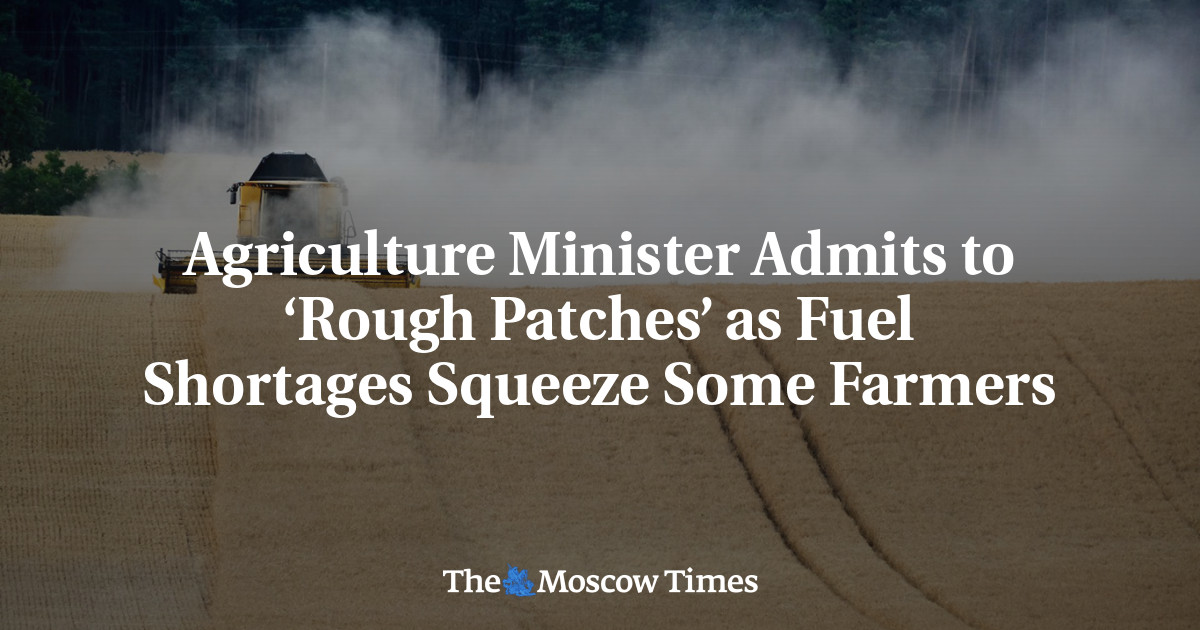
Украины тал Оросын газрын тос боловсруулах үйлдвэрүүдэд цохилт өгсний улмаас шатахууны нийлүүлэлт тасалдаж, ургац хураалтын ажилд сөрөг нөлөө үзүүлж эхэллээ.
ОХУ-ын Хөдөө аж ахуйн сайд Оксана Лут баасан гарагт мэдэгдснээр, Ерөнхийлөгч Владимир Путин тариаланчдыг шатахуунаар тасралтгүй хангах үүрэг өгсөн хэдий ч бүс нутгуудад нийлүүлэлтийн доголдол гарсаар байна. Тэрээр асуудлыг тухай бүрд нь шийдвэрлэхээр ажиллаж байгаа бөгөөд нийлүүлэлтийн төлөвлөгөөг бүрэн биелүүлнэ гэдэгт итгэлтэй байгаагаа илэрхийлэв.
Украины зүгээс ачаа тээврийн хөлөг онгоцууд руу халдсаны улмаас Азовын тэнгис дэх тээвэрлэлтэд хязгаарлалт тогтоосон нь Оросын үр тарианы экспортод хүндрэл учруулж байна. Энэхүү чиглэл нь тус улсын үр тарианы экспортын дөрөвний нэгийг бүрдүүлдэг бөгөөд Хар тэнгис болон Азовын тэнгис дэх харилцан цохилтууд нь дэлхийн зах зээл дээрх улаан буудайн үнийг өсгөхөд хүргэв.
Одоогоор Оросын тариаланчид 21 сая гаруй тонн үр тариа хураагаад байгаа ч талбайн ажил төлөвлөсөн хугацаанаас 2.5 сая га буюу нийт талбайн 12 хувиар хоцорч байна. Өмнөд бүс нутагт хаврын улирал хэвийн бусаар хүйтэн, бороо ихтэй байсан нь хомсдолтой хавсран ургац хураалтыг хоёр долоо хоногоор хойшлуулжээ.
Томоохон үйлдвэрлэгчид нөөцөө бүрдүүлсэн ч жижиг фермерүүд дизель түлшийг зах зээлийн өндөр үнээр худалдан авахаас өөр аргагүй байдалд ороод байна. Сайдын зүгээс тариаланчдад дизель түлшнээс хамааралтай байдлаа бууруулахын тулд эрлийз хөдөлгүүртэй техник болон байгалийн хийгээр ажилладаг тээврийн хэрэгсэлд шилжихийг уриалжээ.
https://www.interfax.ru/russia/1103832
http://en.kremlin.ru/events/president/news/80174
https://www.themoscowtimes.com/2026/07/17/regions-calling-russias-fuel-producing-hub-struggles-to-shake-off-supply-crisis
https://www.themoscowtimes.com/2026/07/09/regions-calling-russias-fuel-producing-hub-struggles-to-shake-off-supply-crisis-a93210
Дэлгэрэнгүйг эх сурвалжаас харах
↓Эх сурвалжийг нээх ↓
Nationwide fuel shortages are beginning to put pressure on Russia’s agricultural sector, despite directives from President Vladimir Putin to guarantee farmers enough supplies for the harvest and planting seasons, Agriculture Minister Oksana Lut said Friday.
“There are rough patches on the ground, and we’ll work through them with each specific region and business as needed,” Lut said at a farming forum in Siberia.
She cited a directive issued by Putin last month ordering a strict fuel delivery schedule for farms to counter the impact of Ukrainian strikes on oil refineries. Despite the current bottlenecks, Lut expressed confidence that these deliveries would ultimately be completed in full.
Her comments also come as Ukrainian attacks on shipping vessels have forced Russia, the world’s leading grain exporter, to restrict shipping in the Sea of Azov. The route, which remained restricted as of Thursday, typically handles about a quarter of Russia’s grain exports, industry sources told Reuters.
These reciprocal strikes on cargo vessels in the Black Sea and the Sea of Azov drove up global wheat prices this week.
So far, Russian farmers have harvested more than 21 million metric tons of grain, Lut said Friday.However, she noted that field operations are currently running roughly 2.5 million hectares (6.18 million acres) behind schedule, representing about 12% of Russia’s total sown area.
In southern Russia, the start of the harvest has been delayed by up to two weeks. While fuel shortages are partly to blame, industry experts say they have played a secondary role to an unusually cold spring followed by prolonged rains.
The impact of the fuel deficit is also uneven.While large agricultural producers have stockpiled enough fuel reserves to finish their harvests, smaller independent farmers are being forced to purchase diesel at exorbitant prices on the spot market.
Lut urged farmers to look toward long-term fuel alternatives, advising them to consider transitioning to hybrid-engine equipment and natural gas-powered vehicles to break their dependence on diesel.
A Message from The Moscow Times:
Dear readers,
We are facing unprecedented challenges. Russia’s Prosecutor General’s Office has designated The Moscow Times as an “undesirable” organization, criminalizing our work and putting our staff at risk of prosecution. This follows our earlier unjust labeling as a “foreign agent.”
These actions are direct attempts to silence independent journalism in Russia. The authorities claim our work “discredits the decisions of the Russian leadership.” We see things differently: we strive to provide accurate, unbiased reporting on Russia.
We, the journalists of The Moscow Times, refuse to be silenced. But to continue our work, we need your help.
Your support, no matter how small, makes a world of difference. If you can, please support us monthly starting from just $2. It’s quick to set up, and every contribution makes a significant impact.
By supporting The Moscow Times, you’re defending open, independent journalism in the face of repression. Thank you for standing with us.
Continue
Not ready to support today?
Remind me later.
×
Remind me next month
Thank you! Your reminder is set.
We will send you one reminder email a month from now. For details on the personal data we collect and how it is used, please see our Privacy Policy.

