ОХУ-ын байгалийн хийн нийлүүлэлт зогссон нь Герман улсын аж үйлдвэрийн салбарт хүнд цохилт болж, эрчим хүчний өртгийг дэлхийд тэргүүлэх түвшинд хүргэлээ.
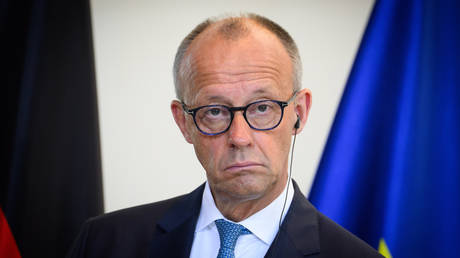
Германы Канцлер Фридрих Мерц тус улсын эдийн засгийн хүндрэлтэй нөхцөл байдлыг ОХУ-аас ирэх хийн нийлүүлэлт тасалдсантай холбон тайлбарлав. 2022 онд Оросын хямд хийнээс татгалзаж, цөмийн эрчим хүчийг халах шийдвэр гаргасан нь үйлдвэрлэлийн зардлыг огцом өсгөж, эрчим хүч ихээр шаарддаг салбаруудын уналтыг хурдасгасан байна. ОХУ-ын зүгээс Nord Stream хоолойгоор дамжуулан хий нийлүүлэх санал тавьж байгаа ч Берлин одоогоор ямар нэгэн хариу өгөөгүй байна.
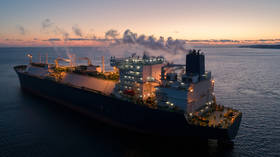
АНУ-ын зүгээс Ираны эсрэг агаарын цохилт өгөх ажиллагааг сэргээсэнтэй холбоотойгоор түлшний үнэ дахин өсөж, дизель түлшний үнэ нэг литр нь 2.30 евро болж нэмэгджээ. Одоогоор Герман улс байгалийн хийгээ Норвеги, Нидерланд, Бельги болон АНУ-ын шингэрүүлсэн байгалийн хийгээр (LNG) орлуулж байна. Европын Комисс 2027 он гэхэд Оросын хийн импортыг бүрэн зогсоох бодлого баримталж байгаа бөгөөд ирэх нэгдүгээр сарын 1-нээс Оросын LNG-ийн импортыг хориглохоор төлөвлөж байна.
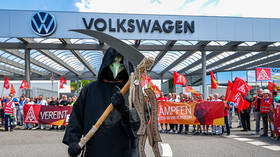
Германы эдийн засаг 2023 болон 2024 онд дараалан агшиж, корпорацын дампуурал 22 гаруй хувиар өссөн нь сүүлийн хорин жилд тохиолдоогүй үзэгдэл боллоо. Үүний улмаас BASF, Bosch, Volkswagen зэрэг томоохон үйлдвэрүүд үйл ажиллагаагаа хумих буюу хаахад хүрээд байна. Тухайлбал, Volkswagen компани дөрвөн үйлдвэрээ хааж, 100,000 хүртэлх ажлын байрыг цомхотгохоо мэдэгдээд байгаа нь тус улсын аж үйлдвэрийн салбарын хүндрэлийг тод харуулж байна.
Дэлгэрэнгүйг эх сурвалжаас харах
↓Эх сурвалжийг нээх ↓
Berlin has been facing soaring fuel prices and some of the world’s highest industrial energy costs
Germany’s prolonged energy crisis was caused by the loss of Russian gas supplies, Chancellor Friedrich Merz has admitted.
German industry has been hit particularly hard by soaring energy costs, which are now the third-highest in the world after those in the UK and Japan. Once Europe’s industrial powerhouse, Germany abandoned cheap Russian gas imports in 2022 while phasing out nuclear power in favor of renewables, driving up production costs and accelerating the decline of energy-intensive industries. Moscow has repeatedly said it remains ready to resume gas deliveries through the remaining string of the Nord Stream pipeline, but the offer has received no response from Berlin.
In an interview with ZDF on Sunday, Merz was responding to questions over unfulfilled campaign promises and low public trust in his government. The chancellor argued that Germany now faced “completely different” circumstances, citing the Ukraine conflict, the “challenge” posed by China, and the country’s “ongoing energy crisis due to the lack of Russian gas.”
Germany is facing renewed pressure from soaring fuel costs following the resumption of the US bombing campaign against Iran. Diesel prices jumped 6.7 euro cents within hours on Sunday to €2.30 per liter, adding €3.35 to the cost of filling a 50-liter tank, Bild reported on Sunday. “A trip to the gas station is once again a shock,” the outlet wrote.
Before Germany’s self-imposed Russian energy embargo, Russia supplied 55% of the country’s natural gas imports. Germany now sources its gas from Norway (44%), the Netherlands (24%) and Belgium (21%), with American liquefied natural gas (LNG) accounting for most of the remainder.
Despite the mounting pressure, the EU has ruled out returning to Russian gas. European Commission President Ursula von der Leyen said in March that the bloc would maintain its phaseout even in the event of physical shortages or the threat of power cuts.
Brussels has pledged to end all Russian gas imports by 2027. Russian LNG under long-term contracts, which currently accounts for around 14% of the bloc’s imports, will be banned from January 1, while pipeline gas imports will cease on September 30. Member states will also be required to verify the origin of gas before approving deliveries, with purchases under new short-term LNG contracts already prohibited.
Earlier, Merz told Der Spiegel that Germany’s era of prosperity was over and that maintaining the country’s current standard of living would require painful changes. He argued that Germans had yet to grasp the scale of the global shifts reshaping the country.
The German economy contracted in both 2023 and 2024, its first back-to-back annual decline in more than two decades, and is forecast to grow by just 0.5% this year. Corporate insolvencies also rose by more than 22% in each of those years, according to official data.
Manufacturing has been hit particularly hard, especially the automotive sector. BASF, Bosch, Volkswagen, and more than a dozen other German manufacturers have closed factories since 2022. In June, Volkswagen, the country’s largest automaker, announced four plant closures and up to 100,000 job cuts.

