Амазон компани өөрийн тээвэр, логистикийн сүлжээг бүх төрлийн бизнест нээлттэй болгосноор UPS болон FedEx компаниудын зах зээлд хүчтэй өрсөлдөгч болон гарч ирлээ.
Өнгөрсөн тавдугаар сараас эхлэн Амазон компани “Amazon Supply Chain Services” үйлчилгээг зах зээлд нэвтрүүлж, өөрийн ачааны машин, агаарын тээвэр болон агуулахын хүчин чадлыг зөвхөн өөрийн түншүүд бус, хүссэн бүх компанид ашиглуулах болсон. Энэхүү шийдвэр нь салбарын тэргүүлэгч UPS болон FedEx компаниудын зах зээлийн хувь хэмжээнд шууд нөлөөлж эхэлснийг шинжээчид онцолж байна. Амазон нь нэмэлт хураамжгүй, энгийн үнийн бүтэцтэй, өрсөлдөхүйц үнэ санал болгож байгаа нь бизнес эрхлэгчдийг татах гол хөшүүрэг болж байгаа аж.
Логистикийн салбарын мэргэжилтнүүдийн дүгнэснээр, Амазон компани үйлчилгээний үнээ FedEx болон UPS-ээс хямд эсвэл тэнцүү түвшинд тогтоож, зах зээлийг булаах бодлого баримталж байна. Тухайлбал, зарим бизнес эрхлэгчид Амазоны үйлчилгээг сонгосноор тээврийн зардлаа жилийн дүнгээр 33 гаруй хувиар хэмнэх боломжтой болсон гэх судалгаа гарчээ. Одоогоор Procter & Gamble, 3M болон American Eagle Outfitters зэрэг томоохон компаниуд Амазоны ачаа тээвэр болон хүргэлтийн үйлчилгээг ашиглаж эхлээд байна.
Гэсэн хэдий ч Амазон компани одоогоор АНУ-ын нутаг дэвсгэрт хоёроос тав хоногийн хугацаатай газрын тээвэрлэлтийн үйлчилгээг голчлон үзүүлж байгаа юм. Иймээс яаралтай буюу хоног доторх хүргэлт, мөн эрүүл мэндийн салбарын нарийн төвөгтэй шаардлага бүхий тээвэрлэлтүүдэд UPS болон FedEx компаниуд давуу талтай хэвээр байгааг шинжээчид тэмдэглэж байна. Амазон нь АНУ-ын Шуудангийн үйлчилгээтэй (USPS) хамтран ажиллах хэмжээгээ бууруулж, өөрийн хүргэлтийн сүлжээг илүү бие даасан байдлаар өргөжүүлсээр байна.
Дэлгэрэнгүйг эх сурвалжаас харах
↓Эх сурвалжийг нээх ↓
<![CDATA[{"className":"sc-1ge0fwe-0","newsletterData":{"pianoFieldName":"receiveEveningHeadlinesUSNews","regTitle":"Evening Headlines","subscriptionGroup":"us_evening_headlines","subscriptionGroupId":"4326e634-422a-4447-8e1e-604a937cd3b5","type":"daily_news","pathPrefix":["/us","/news/world/americas","/news/world/americas/crime"],"title":"The latest headlines from our reporters across the US sent straight to your inbox each weekday","mobileTitle":"Your briefing on the latest headlines from across the US","imageSrc":"https://static.independent.co.uk/static-assets/images/newsletters/usEveningHeadlines1_1.png","label":"I would like to receive morning headlines Monday – Friday plus breaking news alerts by email“,”newsletterKey”:”receiveEveningHeadlines”,”regSourceSection”:”Americas”,”regSourceNewsletter”:”NSC”},”isClimate”:false}]]>
Watch out, FedEx and UPS: Amazon’s decision to offer shipping services to any and all business customers is already impacting the longtime delivery giants.
Until recently, only Amazon and its partner companies had access to the company’s trucks, airplanes, and storage. But in May, the company announced that it was launching Amazon Supply Chain Services, which will allow any business, regardless of its affiliation with Amazon, to use its shipping and storage capabilities.
Jack McCrum, director of optimization and analytics at parcel shipping intelligence platform Reveel, told Supply Chain Dive last week that Amazon is clearly targeting UPS and FedEx with its new strategy.
cookie.trim() === ‘__DEBUG__=true’)) { console.log(‘Ad logs: “mpu1”, injectedAtParagraph: 3’); }]]>
“They’re aggressively just going after UPS and FedEx right now, just to carve out that market share, and they’re willing to negotiate on that revenue per piece,” he said.
Amazon has been offering rates that are competitive with, or lower than, the services offered by FedEx and UPS, according to Retail Dive, citing experts working in shipping contracts.
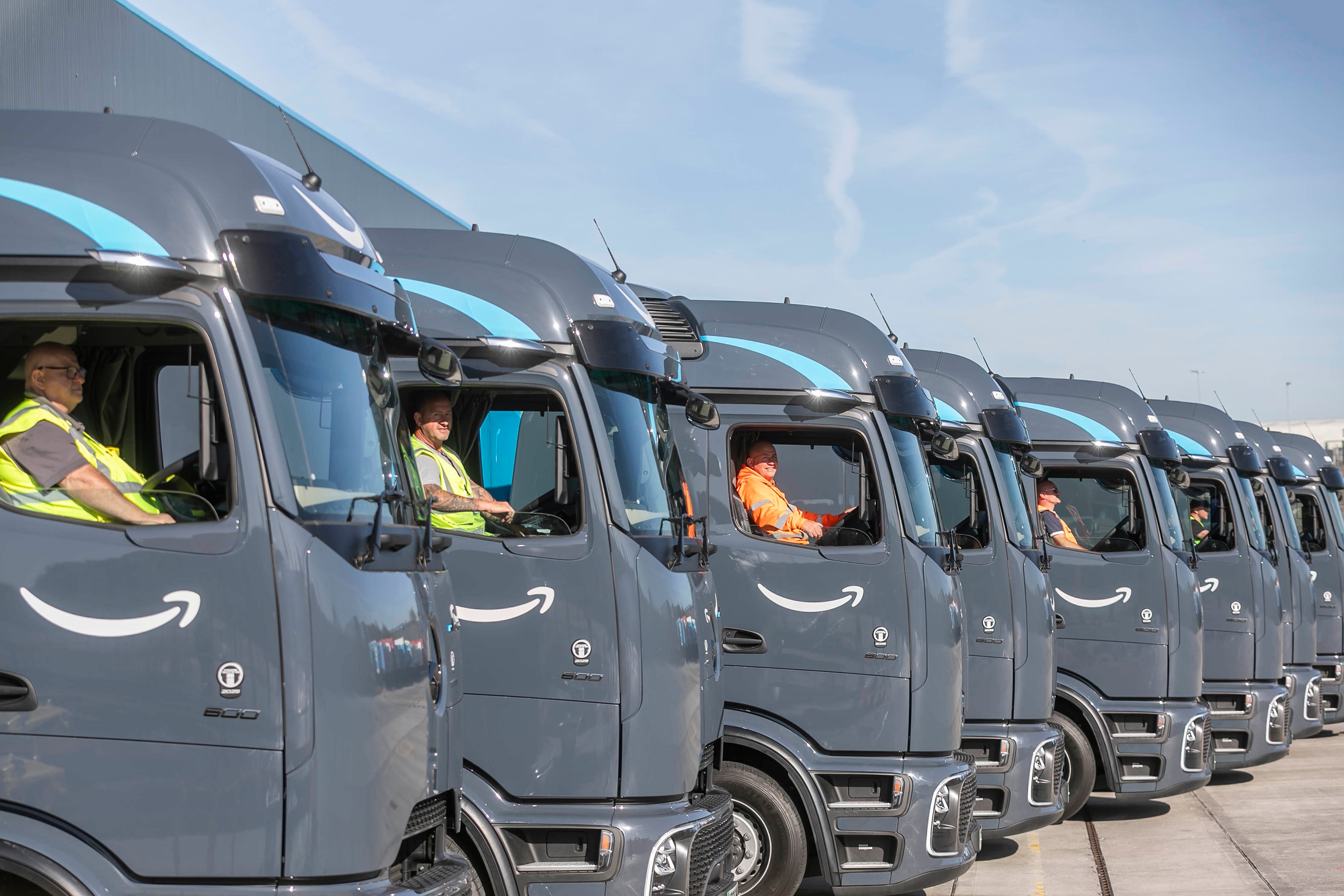
Amazon shook up the shipping world with its launch announcement back in May. Both UPS and FedEx stocks dropped by approximately 10 percent on the day of the announcement, CNBC reported.
cookie.trim() === ‘__DEBUG__=true’)) { console.log(‘Ad logs: “taboola-carousel-thumbnails”, injectedAtParagraph: 6’); }]]>
Matt Sumowski, a strategic solutions analyst at logistics data platform Loop, posted on LinkedIn post that his company was seeing clients who switched to Amazon save $6 per package.
The company has been waiving its surcharge fees and keeping its pricing schemes simple to draw customers away, according to Sumowski. “Amazon was able to service 90-plus percent of this specific client’s overall distribution,” Sumowski told Retail Dive. “In that 90 percent of coverage, they were able to save 33 percent plus annually beyond FedEx.”
cookie.trim() === ‘__DEBUG__=true’)) { console.log(‘Ad logs: “mpu2”, injectedAtParagraph: 8’); }]]>
Several major companies have also signed up: consumer goods companies Procter & Gamble and 3M are using its freight services, according to Amazon. American Eagle Outfitters is also using Amazon’s parcel shipping services for its direct-to-consumer deliveries.
Amazon is even looking to undercut the United States Postal Service on packages that weigh less than a pound. Amazon uses the USPS for its local shipping needs, but reduced the number of packages it ships through the service by 20 percent in March.
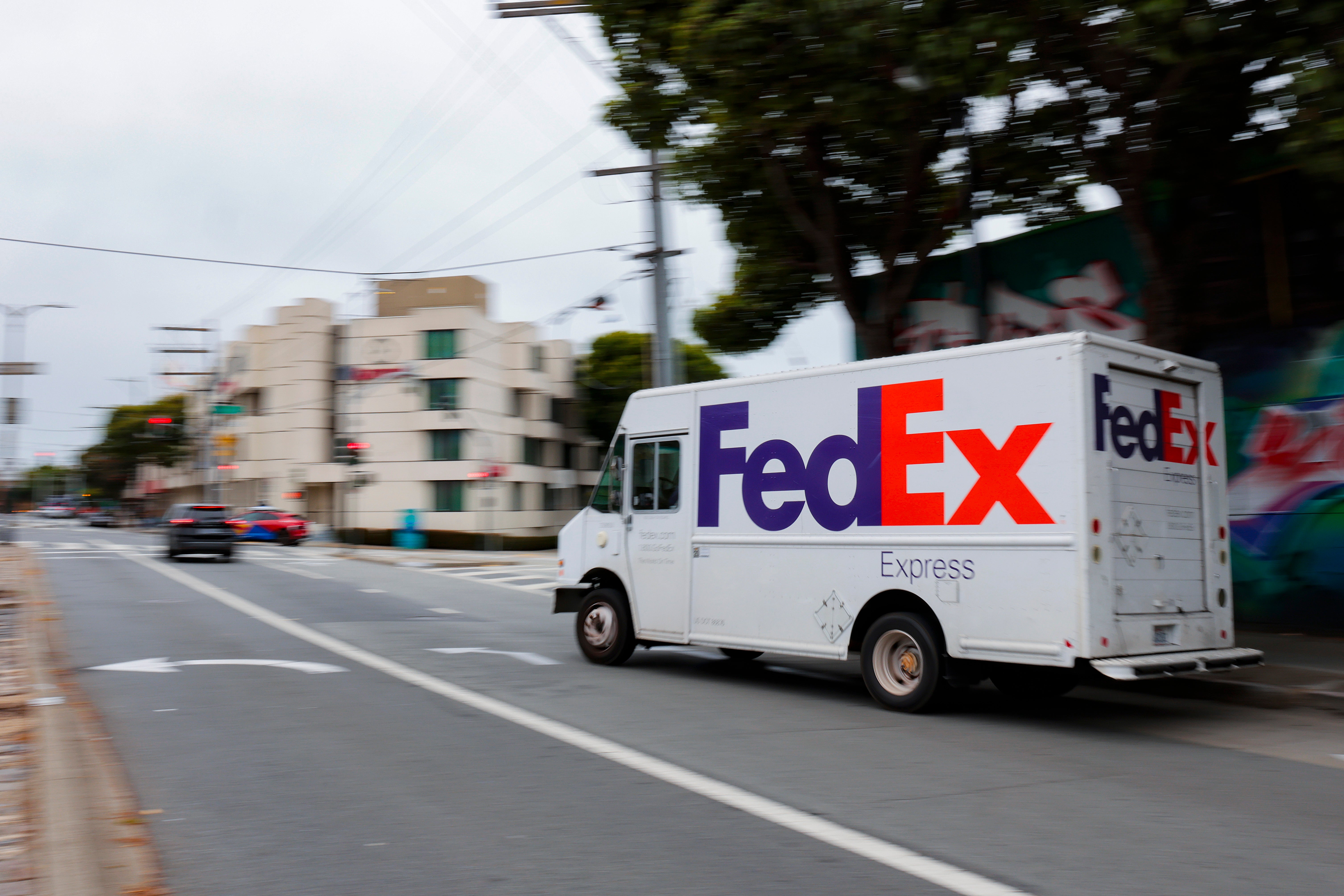
Jeff Helbling, VP of Business and Go-to-Market at Amazon Supply Chain Services, said in a statement to Supply Chain Dive that the company has appealed to new customers with clear pricing schemes, eliminating resident surcharges and delivery fees on weekends.
cookie.trim() === ‘__DEBUG__=true’)) { console.log(‘Ad logs: “mpu3”, injectedAtParagraph: 11’); }]]>
“The momentum tells us businesses see the value it already offers, and we’re just getting started,” he said.
Despite these current offerings, Amazon shipping isn’t going to be the right move for every business. The e-commerce giant offers two-to-five-day ground shipping across the contiguous U.S., so shippers who need overnight delivery may find they’re better served by UPS or FedEx.
Hannah Testani, CEO of freight audit and payment company Intelligent Audit, noted that businesses that have complex shipping requirements like healthcare firms, may still find FedEx and UPS are better suited to their needs.
“Right now, UPS and FedEx [are] saying, ‘I want the health care; I want the express shipments; I want the shipments that people are going to pay a premium for,’” she said.