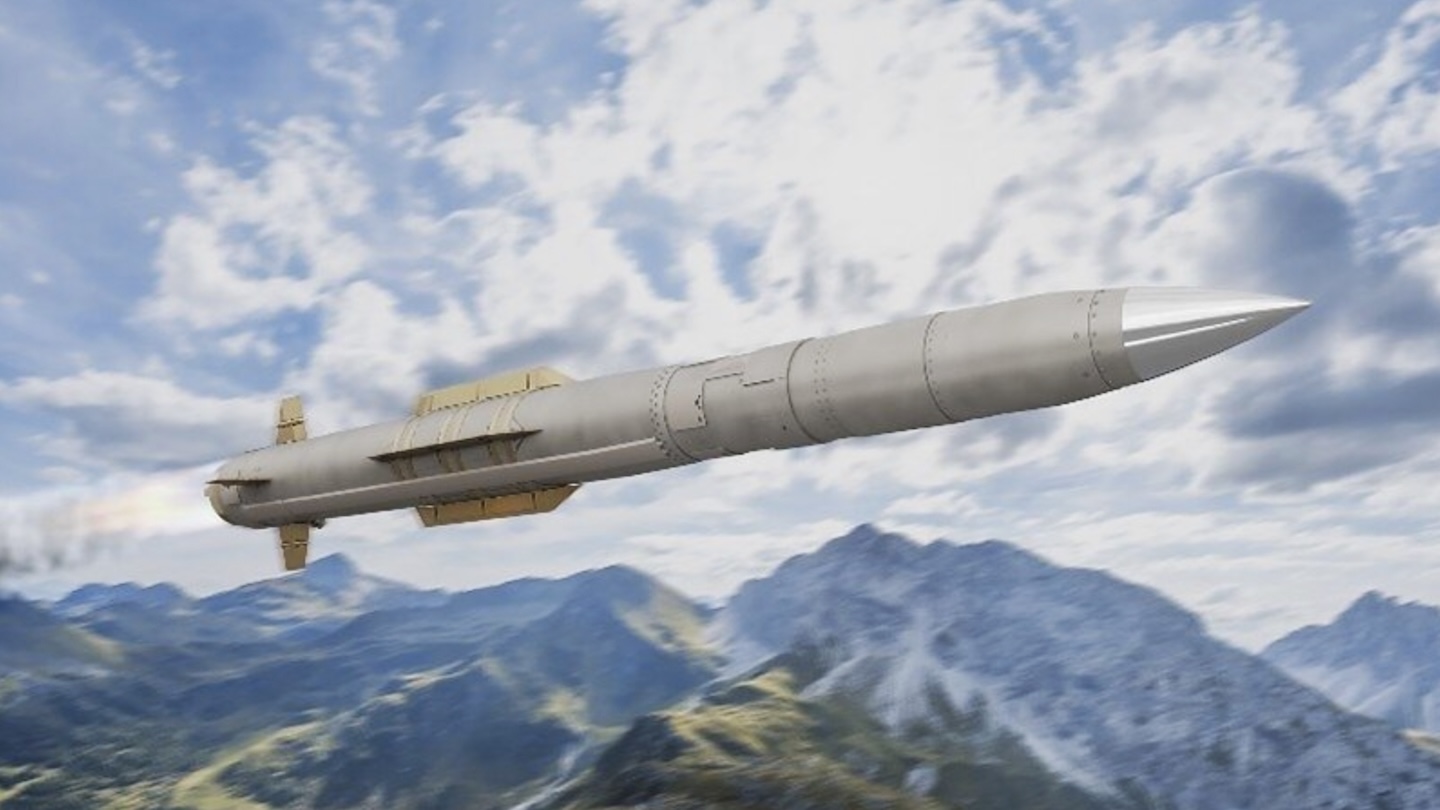
Lockheed Martin-ийн мэдээлснээр, PAC-3 ACE пуужингийн нэг бүрийн өртөг ойролцоогоор 2.5 сая ам.доллар байх бөгөөд энэ нь одоогийн PAC-3 MSE пуужингийн 5 сая ам.долларын үнээс хамаагүй бага юм. Шинэ загварыг Patriot системийн галын удирдлагын бүтэц болон Нэгдсэн байлдааны удирдлагын системд (IBCS) бүрэн нийцүүлэн бүтээжээ. Энэ нь нисэх онгоц, далавчит пуужин болон ойрын тусгалтай баллистик пуужингуудыг устгахад өндөр үр дүнтэй байх юм.
Тус компанийн төлөөлөгч Тим Кэхиллийн хэлснээр, АНУ болон холбоотон орнуудын зэвсэгт хүчинд байлдааны нөхцөлд туршигдсан, төсөвт хэмнэлттэй шийдэл хэрэгтэй байгаа тул энэхүү шинэ пуужин нь чухал ач холбогдолтой юм. PAC-3 ACE нь одоо байгаа пуужингуудыг орлох бус, харин тэдгээрийг нөхөх үүрэгтэй. Ингэснээр илүү үнэтэй PAC-3 MSE пуужинг зөвхөн хамгийн аюултай байг устгахад зориулж, бусад энгийн байг хямд өртөгтэй ACE пуужингаар устгах боломжтой болно.
Дэлхий даяар Patriot системийн пуужингийн нөөц шавхагдаж буй энэ үед үйлдвэрлэлийн хурд болон хүчин чадлыг нэмэгдүүлэх нь нэн тэргүүний зорилт болоод байна. АНУ-ын Арми нэг бүрийн өртөг нь 1 сая ам.доллароос доош байх пуужингийн төсөлд анхаарлаа хандуулж байгаа бөгөөд Lockheed Martin-ийн энэхүү шинэ шийдэл нь агаарын довтолгооноос хамгаалах системийн тогтвортой байдлыг хангах алхам болж байна. Одоогоор тус компани АНУ болон Европын түншүүдтэйгээ хамтран үйлдвэрлэлийн хүчин чадлаа өргөжүүлэхээр ажиллаж байна.
Дэлгэрэнгүйг эх сурвалжаас харах
↓Эх сурвалжийг нээх ↓
Lockheed Martin has unveiled the PAC-3 Adapted Capability Effector (ACE), a lower-cost interceptor for the Patriot surface-to-air missile system. By leveraging the existing PAC-3 fire-control architecture and Integrated Battle Command System (IBCS), the company says the new interceptor will cost less than half as much as the in-production PAC-3 Missile Segment Enhancement (MSE) while providing a high-volume option for defeating aircraft, cruise missiles, and shorter-range ballistic missile threats. Based on the ballpark figure provided by Lockheed Martin, a single PAC-3 ACE missile would cost around $2.5 million, compared to roughly $5 million for the PAC-3 MSE. The announcement comes as Patriot missile stocks are under immersive pressure globally and after the U.S. Army made its hunt for lower cost interceptors official.
“American and allied warfighters need a solution that is battle-tested and budget-smart, and PAC-3 ACE delivers exactly that by building on the unrivaled performance of the PAC-3 MSE,” said Tim Cahill, president, Lockheed Martin Missiles and Fire Control. “As we look to partner with our allies, we can further enhance resiliency and ensure our forces can swiftly counter emerging threats today and tomorrow.”
Lockheed Martin said the PAC-3 ACE is designed to provide allied forces with a “rapidly fielded complement to existing Patriot interceptors.” The company plans to work with U.S. and European industrial partners on development and production, with the goal of expanding manufacturing capacity and strengthening the resilience of the transatlantic defense industrial base. The idea of the new missile as a complementary effector is especially noteworthy, indicating that the PAC-3 MSE would be reserved for the most challenging or high-risk threats, while the PAC-3 ACE can be used for everything else.
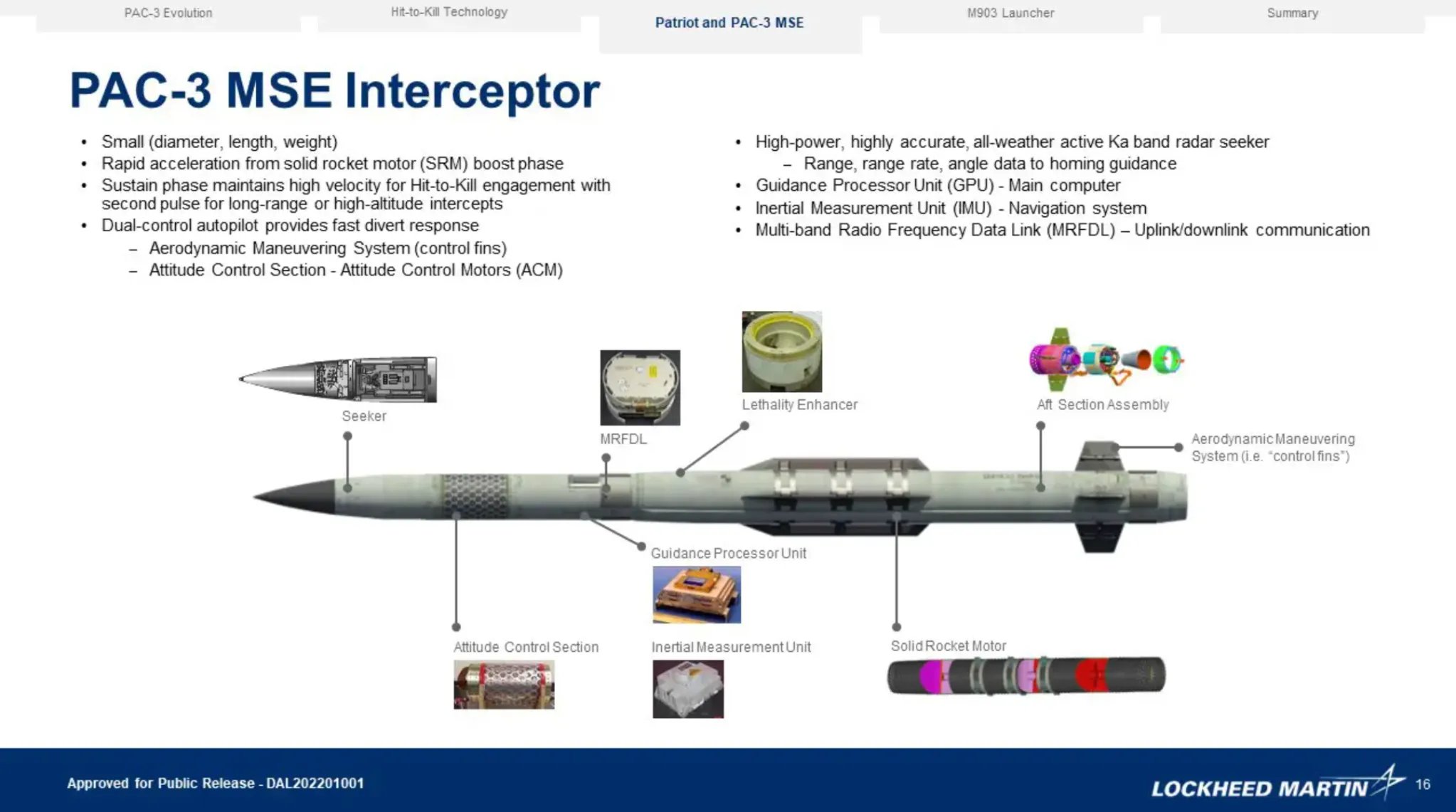
Other than the price point, it’s unclear to what degree the PAC-3 ACE missile differs from the PAC-3 MSE. A rendering released by Lockheed Martin — seen at the top of this story — appears to show a shorter, more compact interceptor. Coupled with the substantially lower cost, the new missile will offer a degraded capability set than the MSE. This could include shorter range, lower ceiling, and a reduced ability to engage the most advanced threats Patriot batteries face. Notably missing in the rendering is the PAC-3 MSE Attitude Control Section — the ring of tiny rocket motors that wraps around its forward section — that gives it enhanced agility. Sacrificing exactly this kind of feature could lower costs in exchange for capability. In addition, the new missile may not feature the PAC-3 MSE’s “Lethality Enhancer” warhead, for instance, and could just provide a strictly hit-to-kill capability or some other warhead solution to save on cost. Using a less advanced seeker is also highly probable. We have reached out to the company for additional details.
It is notable, however, that the ability to engage short-range ballistic missiles, at least to a degree, is inherited from the PAC-3 MSE.
PAC-3 Missile: How The System Works
Patriot’s ability to engage short-range ballistic missiles in their terminal phase has never been more important, particularly in light of the ongoing conflict with Iran, the war in Ukraine, and the continuing spread of those weapons worldwide. A lower-cost interceptor that can perform that mission for at least some threat profiles would help make missile defense more sustainable in future conflicts.
Overall, the concept behind the PAC-3 ACE suggests that Lockheed Martin is looking to offer a missile that’s closer to the PAC-3 Cost Reduction Initiative (CRI), which is no longer in production.
We do know that the PAC-3 ACE will leverage existing Patriot weapon system hardware, including the PAC-3 fire-control system and the IBCS. These measures should ensure that the process of developing, testing, and deploying the new missile can be accelerated considerably. Essentially, PAC-3 ACE will provide existing PAC-3 operators with a new common interceptor that can slot straight into the air defense system.
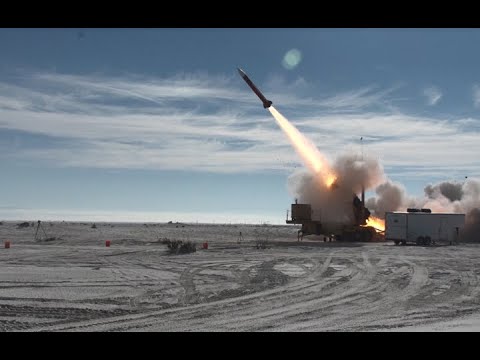
Northrop Grumman Integrated Air Missile Defense Battle Command System (IBCS) Flight Test
Northrop Grumman’s IBCS was designed from the start with a modular, open-systems approach to make it easier to integrate new systems and functionality as time goes on. You can read more about IBCS in detail in this past TWZfeature.
Having access to a significantly cheaper alternative to the PAC-3 MSE effector, while maintaining many of its capabilities in terms of the kinds of threats it can target, is a big deal.
A cheaper effector means the cost-per-kill against man target types can be significantly lower. It also helps increase magazine depth, with operators able to buy larger stocks of missiles, addressing a problem that has been encountered in war zones, in particular Ukraine, where Patriot effectors have been expended at such a rate that the supplies have gotten close to being totally exhausted. Recent operations have reinforced the importance of maintaining sufficient inventories of interceptors and other high-demand munitions to meet both operational and strategic requirements — for example, a future high-intensity conflict against China. Undera contract with the Pentagon inked in January, Lockheed is already committed to boosting annual production of the PAC-3 MSE to 2,000, an increase from roughly 600.
When it comes to the cost of the PAC-3 MSE, each interceptor comes with a price tag of approximately $5.3 million, according to the Army’s latest proposed budget for the 2027 Fiscal Year. In the past, a single missile cost around $4 million.
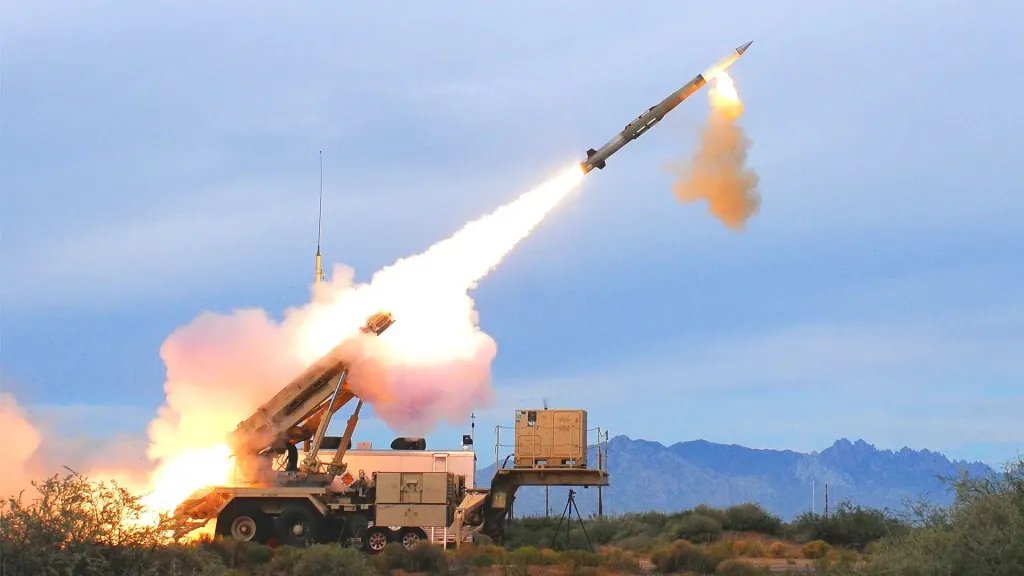
Just as critical as cost is speed and scalability of production.PAC-3 ACE has been adapted with this in mind, and drawing upon production facilities outside the United States will also help. Having plentiful supplies of Patriot missiles will only become more critical once they are introduced by the U.S. Navy as well as the Army. The Navy is now working to integratePAC-3 MSE into the Mk 41 Vertical Launch System(VLS), adding a valuable new anti-air interceptor to its sea-based arsenal, but also further increasing demand that the PAC-3 ACE could help meet.
Back in May, TWZ reported on how the U.S. Army’s Low Cost Interceptor (LCI) initiative was looking for proposals for a new effector for the Patriot with a unit cost under $1 million. This amounts to about a fifth of the price of a single PAC-3 MSE missile.
As we described at the time:
As a supplement to existing interceptors, a lower-cost alternative would improve Patriot’s cost-per-intercept ratio, especially against lower-tier threats like drones and cruise missiles. The design could also be easier to produce at scale, helping address increasingly worrisome strains on stockpiles and supply chains. These are issues TWZ has been calling attention to for years now, and that have been magnified by Patriot’s heavy use during the latest conflict with Iran.
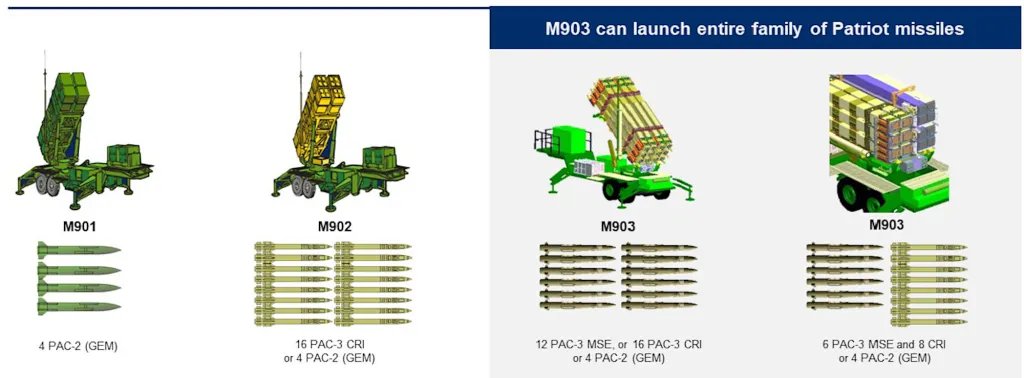
Like the PAC-3 ACE, the U.S. Army said it was looking for a missile that can be integrated into existing M903 trailer-based launchers and leverage the service’s IBCS network. The M903 is already capable of accommodating newer PAC-3 series interceptors, including the MSE variant, as well as older PAC-2 typesthat remain in use.
As we noted at the time, the goal of acquiring an anti-air interceptor capable of engaging everything from lower-tier air-breathing threats to SRBMs, at no more than $1 million per missile, is ambitious.
The LCI initiative is also consistent with broader Pentagon efforts to expand access to lower-cost munitions through open-architecture designs and by leveraging new, non-traditional industry partners. LCI calls for Army ownership of the intellectual property, reducing vendor lock-in and enabling future competitions for complete rounds and key subcomponents.
The Army has already stated that the LCI missile and missile subsystem competition is intended to result in multiple awards that can lead to multiple different capable yet affordable missile interceptor solutions. PAC-3 ACE could be part of that equation for the U.S. Army if the higher price point is deemed acceptable, but clearly the concept will have considerable value for any of the more than a dozen Patriot operators, especially those facing the reality of limited magazine depth in conflict situations. Having a lower-cost effector available could also open the PAC-3 up to additional markets, too.
Even if PAC-3 ACE falls short of the Army’s ambitious sub-$1 million interceptor target, it underscores a reality that has become impossible to ignore. The era of relying exclusively on premium, very high-cost interceptors is giving way to a more layered approach, where lower-cost missiles can absorb a significant share of engagements against cruise missiles, drones, and other less demanding targets. If Lockheed Martin can deliver on its roughly half-price Patriot missile offering while still offering highly relevant capabilities, PAC-3 ACE could become an important addition to the growing effort to make high-end air defense more sustainable in prolonged conflicts.
Contact the author: thomas@thewarzone.com

