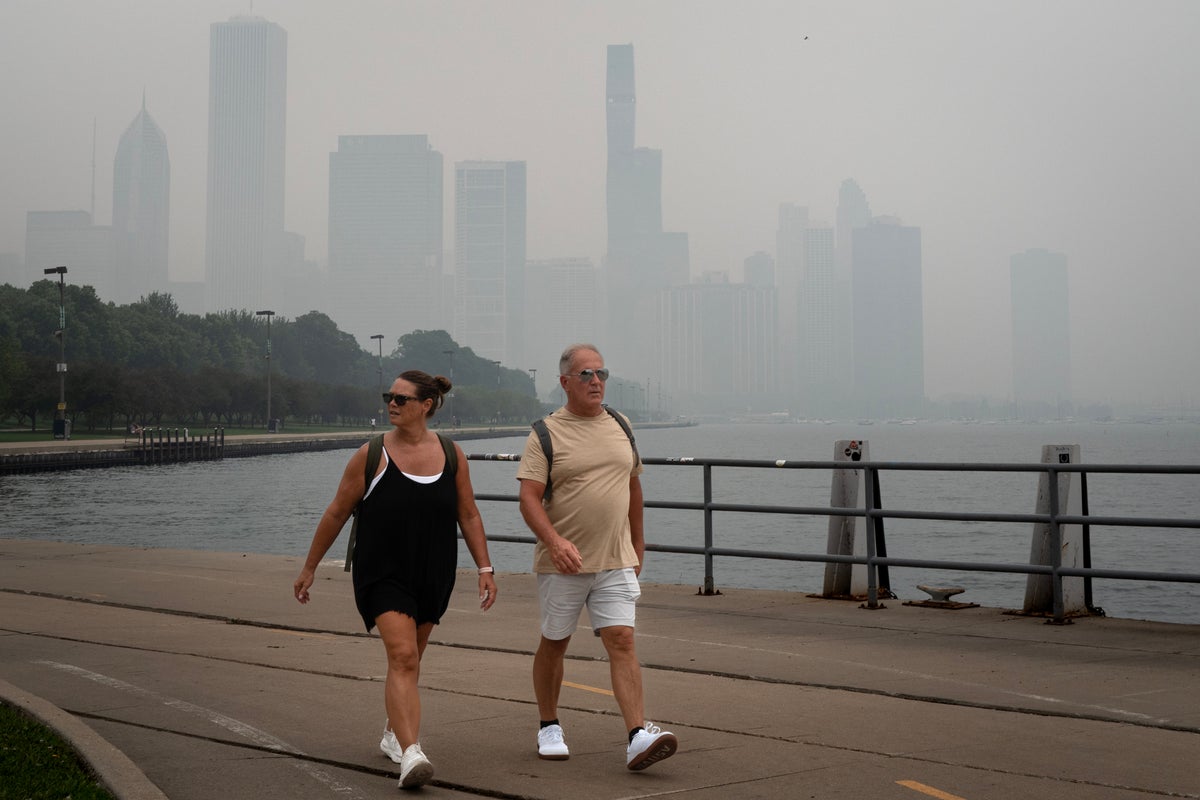
Канадын ой хээрийн түймрийн утаа АНУ-ын бүс нутгуудад нөлөөлсөөр байгаа тул мэргэжилтнүүд дотор орчны агаарын чанарт анхаарал хандуулахыг анхаарууллаа.
Чикаго хотын агаарын чанар өнгөрсөн долоо хоногт дэлхийд тэргүүлэх муу үзүүлэлттэй байсан ч мягмар гарагт 44 дүгээр байр руу ухарч, харьцангуй сайжирсан байна. Гэсэн хэдий ч Үндэсний цаг уурын албаны мэдээлснээр, Канадад 900 гаруй түймэр үргэлжлэн асч байгаа нь Их нууруудын бүс болон АНУ-ын хойд хэсгийн мужуудад утаа дахин тархах эрсдэлийг бий болгожээ.
“Alertify” компанийн судалгаагаар, түймрийн улмаас барилгуудын агааржуулалтын системээр дамжин орсон PM2.5 тоосонцор нь дотор орчинд эргэлдсээр байгааг тогтоожээ. Мэргэжилтнүүд агааржуулалтын системүүд нь ихэвчлэн доторх агаарыг эргэлдүүлдэг тул зохих шүүлтүүргүй тохиолдолд утааны нарийн ширхэгт тоосонцор арилдаггүй болохыг тайлбарлав.
Судалгаанд хамрагдсан Чикагогийн орон сууцнуудад агаарын чанарын индекс (AQI) 600-700 байх үед дотор орчинд 340 орчим байсан нь маш өндөр үзүүлэлт юм. Иймд мэргэжилтнүүд агааржуулалтын системдээ MERV 13 буюу түүнээс дээш зэрэглэлийн шүүлтүүр ашиглахыг зөвлөж байна.
Чикаго хотын Нийгмийн эрүүл мэндийн газар хотын хэмжээнд мэдрэгчүүдийн сүлжээ байршуулж, бохирдлын түвшинг хянах замаар утааны урт хугацааны эрүүл мэндийн нөлөөг судлах ажлыг үргэлжлүүлж байна. Энэхүү асуудал нь зөвхөн орон нутгийн бус, үндэсний болон дэлхийн хэмжээний сорилт болоод байгааг албаныхан онцоллоо.
Дэлгэрэнгүйг эх сурвалжаас харах
↓Эх сурвалжийг нээх ↓
Chicago’s air quality has improved after last week’s wave of Canadian wildfire smoke, but experts warn the threat may not be completely gone, especially indoors.
The Windy City dropped significantly on IQAir’s list of the world’s worst air quality cities, falling from near the top of the rankings last week to No. 44 Tuesday. While no U.S. cities remained in IQAir’s global Top 10, experts say clearer skies do not necessarily mean cleaner indoor air.
More wildfire smoke is expected to move back into parts of the Great Lakes region and the northern U.S., including Michigan and other states bordering Canada, through Tuesday as more than 900 wildfires continue burning across Canada, the National Weather Service said Monday.
Joshua Rogers, president of Alertify, an AI-powered noise and smoke monitoring company, said smoke particles that entered homes during the poor air quality event may still be circulating indoors through air conditioning systems without proper filtration.
“People want to feel safe in their homes, and our data shows that they were not safe in this instance,” Rogers told CBS Chicago.
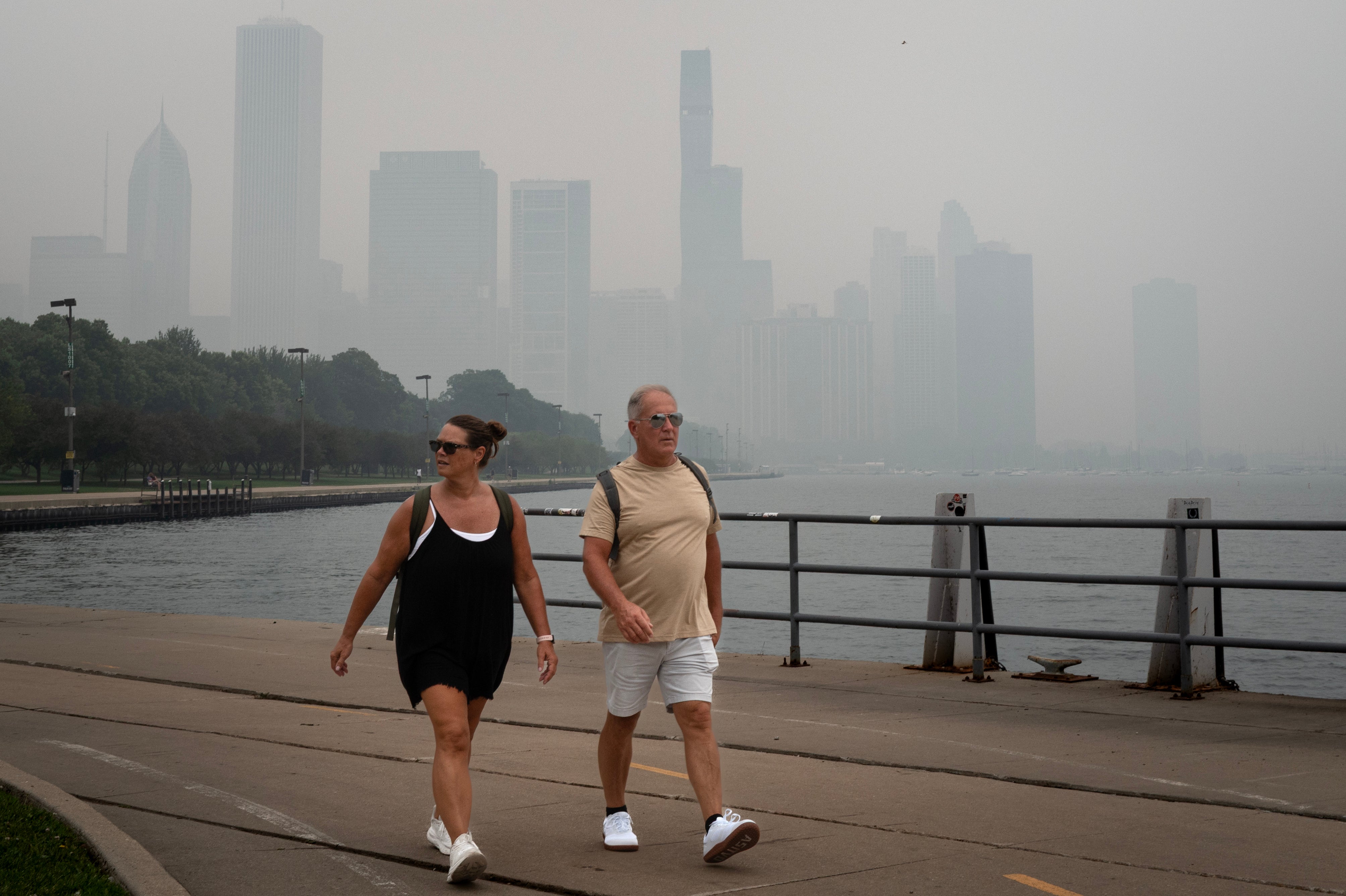
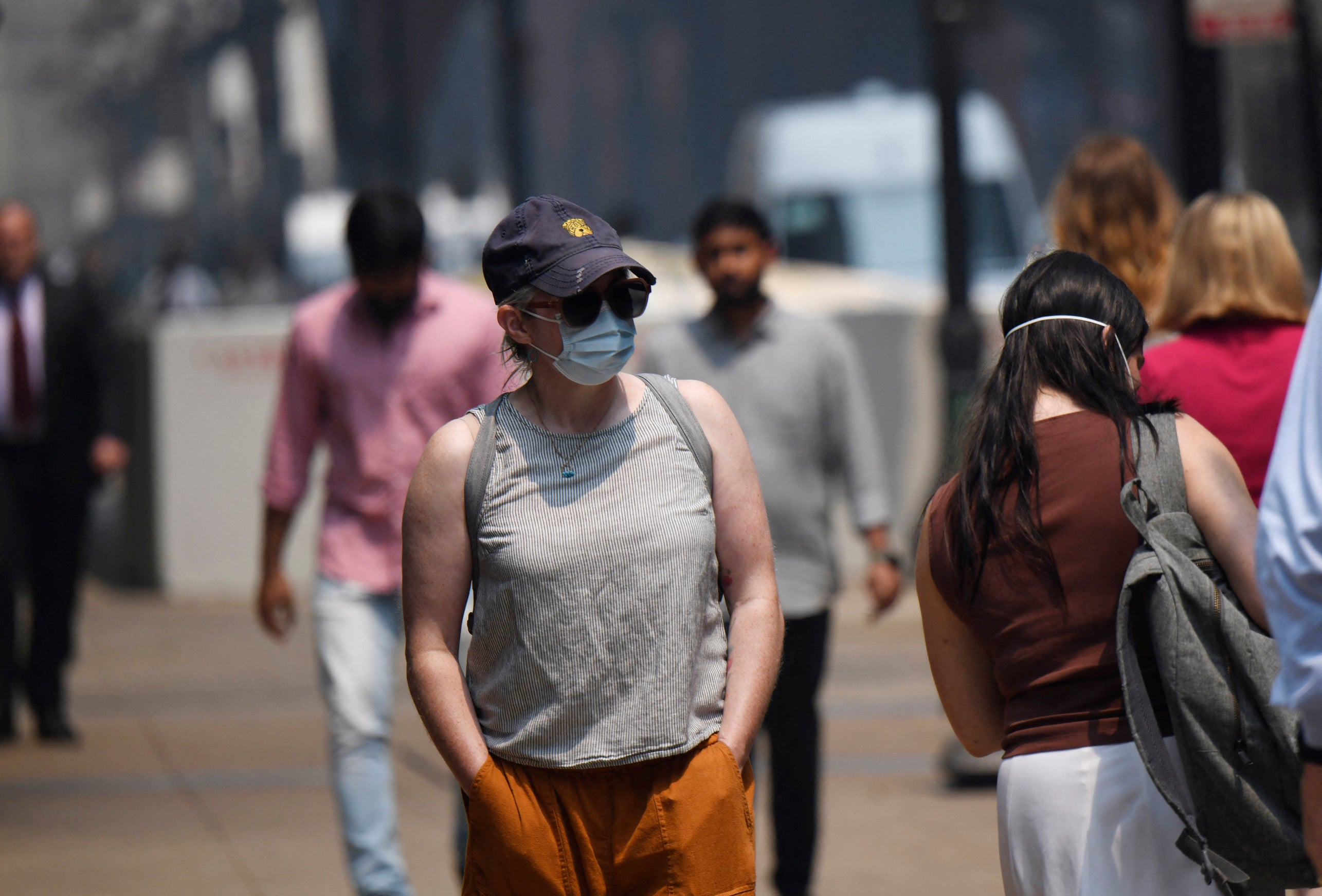
Alertify analyzed sensor data from 31 centrally air-conditioned apartments across five Chicago multi-family buildings over a weeklong period, tracking indoor air quality during the wildfire smoke event. AQI –or air quality index –measures air pollution on a scale from 0 to above 200, which signifies a hazardous level.
“So when the air quality was sort of 600 to 700 AQI, it was actually around 340 in the apartments that we monitored,” Rogers said. “We found that the levels of particulate matter indoors were also very, very high, shockingly high. Actually, in this case, in fact, we’d never seen levels like this that come from exogenous sources.”
Wildfire smoke contains tiny particles known as PM2.5, which can travel deep into the lungs and pose health risks, especially for children, older adults and people with respiratory or heart conditions. The particles can enter homes through doors, windows and ventilation systems and may remain indoors without proper filtration.
Experts say a common misconception is that air conditioning units automatically filter wildfire smoke, CBS Chicago reports. Instead, many systems recirculate indoor air, and without high-efficiency filters, smoke particles that enter a home can continue circulating indoors even after outdoor air improves, according to the U.S. Environmental Protection Agency.
Researchers and public health officials are working to better understand the long-term health effects of wildfire smoke through a Chicago Department of Public Health project that uses air quality sensors across the city to monitor pollution levels.
“This is a global issue; it’s a national issue,” Dr. Alex Sloboda with CDPH told CBS Chicago. “There are hundreds of sensors throughout the city that are daily monitoring for these similar pollution particles that we’ve seen from the wildfire to help inform those communities.”
The Independent has contacted the CDPH for comment.

