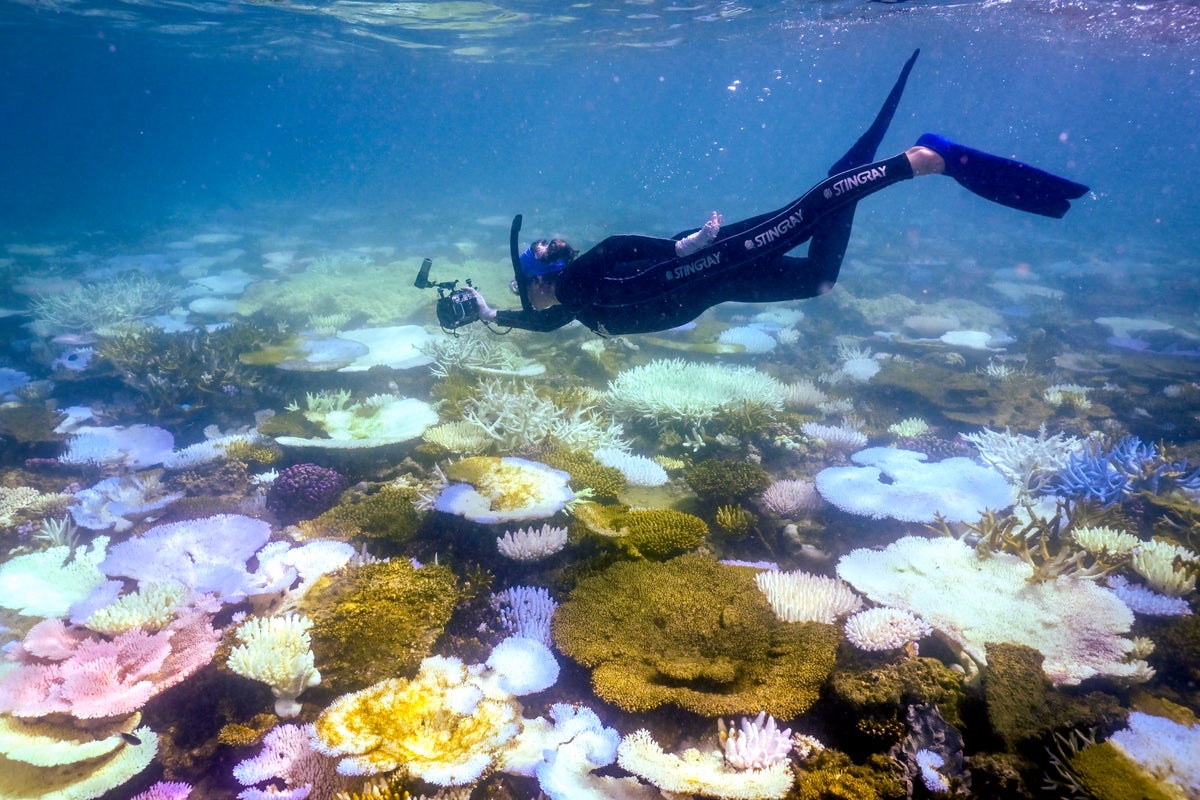
Окланд хотод болсон Олон улсын шүрэн хадны симпозиумын үеэр эрдэмтэд Номхон далайд үүсээд буй хүчтэй “Эл Ниньо” үзэгдлийн улмаас Австралийн Их хаалттай хад сүйрлийн ирмэгт ирснийг анхаарууллаа.
Австралийн Квинсленд мужийн эрэг дагуу 2,300 км үргэлжилдэг дэлхийн хамгийн том амьд бүтэц болох тус хад нь хэт халалтын улмаас их хэмжээгээр цайрч, улмаар зарим зүйл амьтад бүрмөсөн устах аюулд ороод байна. Жэймс Күүкийн их сургуулийн судлаач Морган Пратчеттийн мэдээлснээр, далайн усны температур удаан хугацаанд өндөр байх нь шүрэн дэх замаг гадагшлахад хүргэж, улмаар шүр цайрч үхэхэд хүргэдэг байна.
Тус хад нь 2016 оноос хойш зургаан удаагийн томоохон цайралтын үзэгдэлд өртөж, 2024 болон 2025 онуудад хатуу шүрэн бүрхүүл нь эрс багасжээ. Үүнээс гадна далайн хүчилшил нэмэгдэж, аж үйлдвэр болон хөдөө аж ахуйн бохирдол, титэмт далайн одны халдлага зэрэг нь экосистемийн тогтвортой байдлыг алдагдуулж байна.
ЮНЕСКО-гоос тус бүс нутгийг “аюулд өртсөн” жагсаалтад оруулах эсэхийг 2021 оноос хойш хянаж байгаа боловч энэ сарын эхээр уг жагсаалтад оруулахаас түр татгалзсан юм. Квинслендийн их сургуулийн профессор Ове Хоег-Гулдберг засгийн газруудын авч хэрэгжүүлж буй арга хэмжээ хангалтгүй байгааг шүүмжилж, энэхүү сүйрэл нь хүн төрөлхтөнд хандсан ноцтой дохио болохыг онцоллоо.
Дэлгэрэнгүйг эх сурвалжаас харах
↓Эх сурвалжийг нээх ↓
The Great Barrier Reef is at very high risk of severe and widespread coral bleaching that may tip parts of it into ecosystem collapse, scientists warn as a record-strength El Niño builds in the Pacific.
Researchers told the International Coral Reef Symposium in Auckland on Tuesday that the coming event could kill coral across vast stretches of the reef and wipe out some species in particular areas, AFP reported.
The reef runs for 2,300km along the coast of Queensland in northeast Australia, roughly equivalent to the length of Britain travelled three times over. It’s the largest living structure on the Earth and among the country’s biggest tourist draws.
Coral bleaching occurs when water stays unusually warm for weeks at a time. The heat causes corals to expel the algae living in their tissue, which supply most of their food and give them their colour, leaving them white and starving. Corals can recover if the water cools quickly enough, but repeated events kill them.
Morgan Pratchett, a marine conservation ecologist at James Cook University in Queensland, said the strength of this year’s El Niño was a significant concern. “It’s a very high likelihood that we’ll see very high severity and large-scale mass bleaching on the Great Barrier Reef,” he told the symposium.
Professor Pratchett said it was “not outside of the realm of possibility that the next major disturbance will lead to localised species extinctions and widespread ecosystem collapse”.
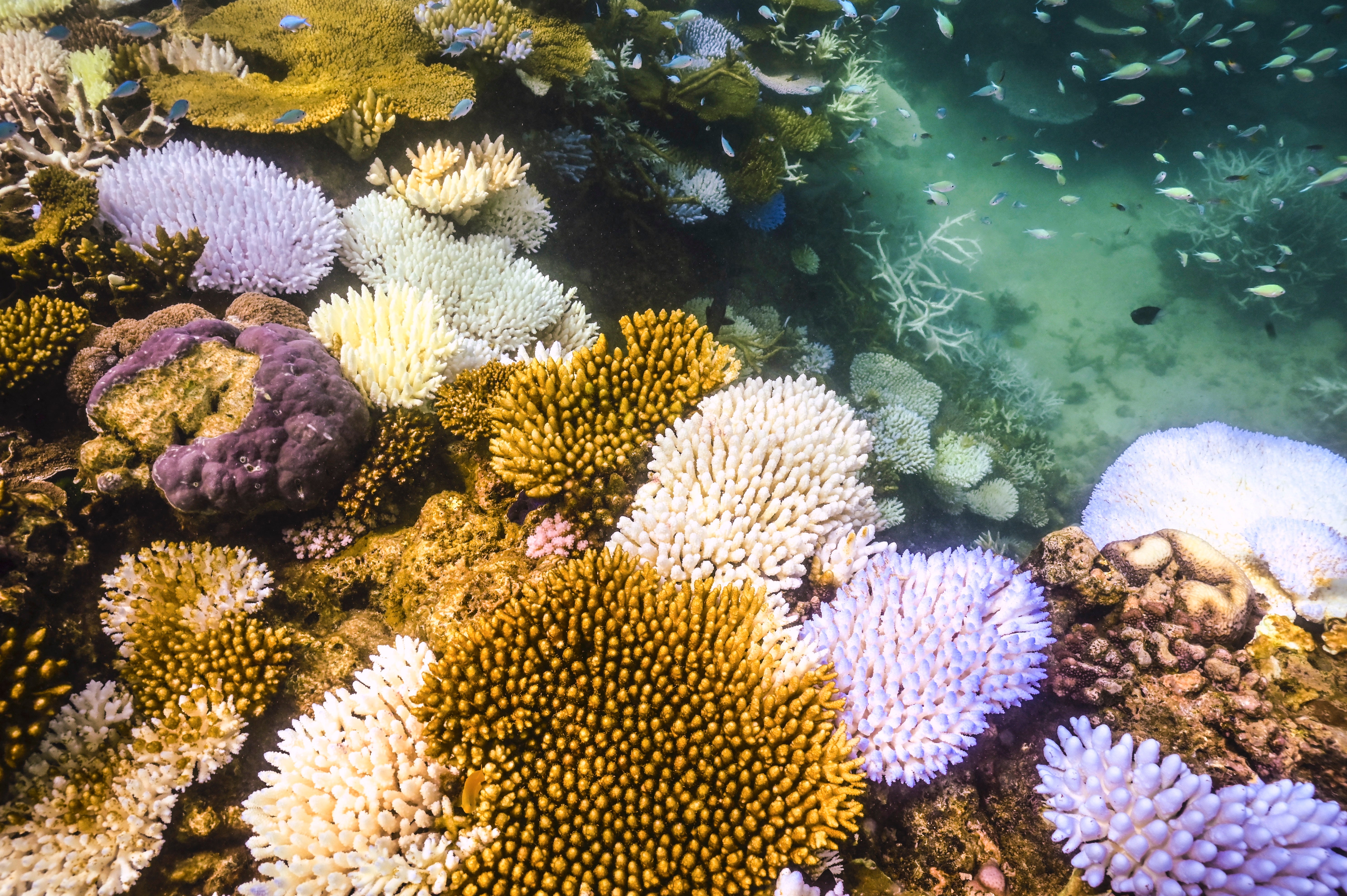
El Niño is a natural cycle that turns surface waters in the central and eastern equatorial Pacific warmer than usual, shifting winds, pressure and rainfall patterns worldwide. This year’s event is forecast to break records for overall strength, and warmer seas around Australia increase the likelihood of the sustained heat that triggers bleaching.
The reef is already weakened. Hard coral cover fell substantially across the reef in 2024 and 2025 after above-average water temperatures caused its sixth mass bleaching event since 2016.
Ocean acidification, caused as seawater absorbs carbon dioxide from the atmosphere, is also making it harder for new coral to grow.
Earlier this month, the reef avoided being added to the list of world heritage sites in danger despite the UN expressing what it called utmost concern about mass bleaching and the effects of climate change.
Unesco has monitored the site every year since 2021, when it first warned the listing was possible.
Bleaching isn’t the only pressure. Extreme weather, run-off from farmland along the Queensland coast, coastal development, and outbreaks of the coral-eating crown-of-thorns starfish have all damaged the reef in recent years.
Ove Hoegh-Guldberg, a professor of marine studies at the University of Queensland, said a lack of action by governments had put the future of coral reefs worldwide in doubt, and that this damage should be read as a warning of what lay ahead more broadly.
“This could be the precursor to the loss of humans,” he told the symposium, according to Oceanographic Magazine.
“If you were on a big boat, like the Titanic, and someone comes up to you and says the boat’s going down, you bloody well get on those lifeboats and start acting and do stuff.”
He added that the response so far had not matched the scale of the problem. “We’re not doing that. The ship is starting to sink in a really massive way, and we’re not seeing it as what it is.”

