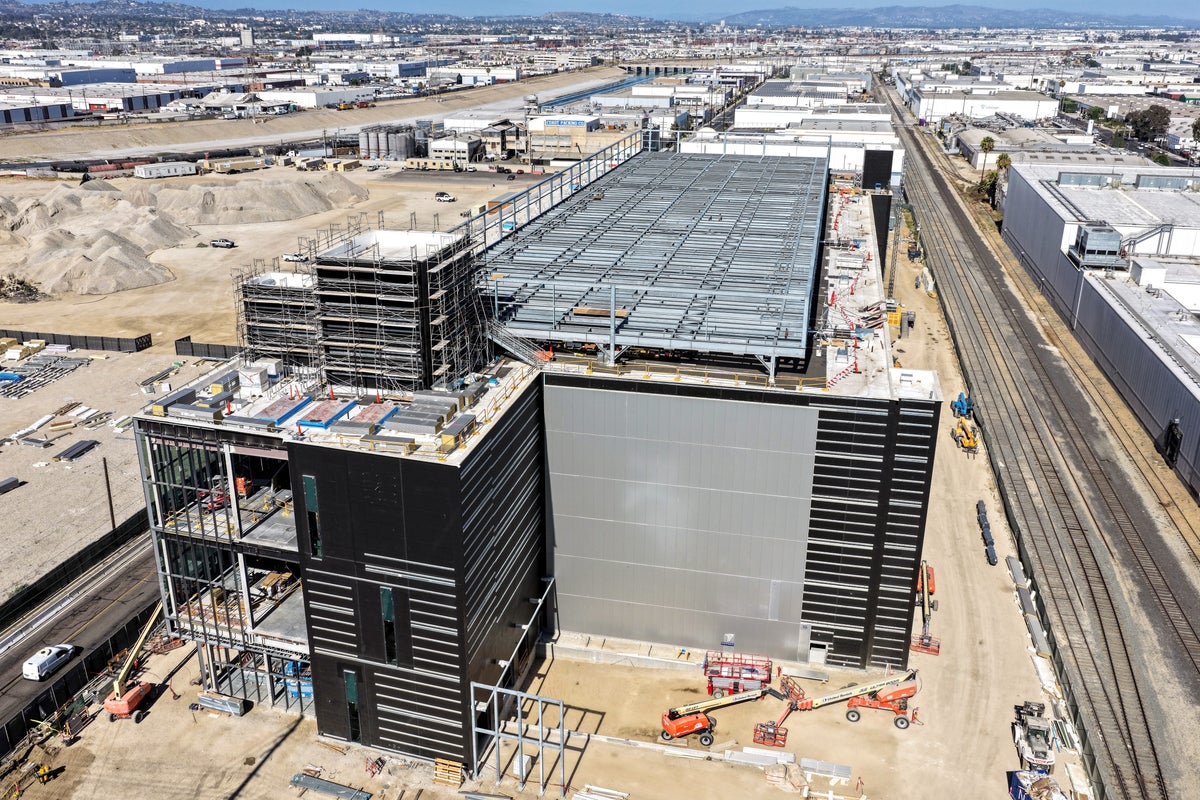
Хиймэл оюун ухааны дата төвүүдийн өсөн нэмэгдэж буй бүтээн байгуулалт нь Тексас мужийн иргэдийн эсэргүүцэлтэй тулгарч, арваннэгдүгээр сарын амбан захирагчийн сонгуулийн гол сэдэв болоод байна.
Тексас мужид хиймэл оюун ухааны асар том дата төвүүдийг байгуулах ажил эрчимжиж байгаа нь орон нутгийн иргэдийн санааг зовоож байна. Эдгээр байгууламж нь цахилгаан эрчим хүчний зарцуулалт ихтэй бөгөөд усны нөөцийг шавхах, газар тариалангийн бүс нутгийг сүйтгэх эрсдэлтэй гэж иргэд үзэж байна. АНУ-ын Ерөнхийлөгч Дональд Трамп хиймэл оюун ухааны дэд бүтцийг БНХАУ-тай өрсөлдөх үндэсний тэргүүлэх чиглэл хэмээн зарласан ч энэ нь орон нутгийн түвшинд томоохон шүүмжлэл дагуулсаар байна.
Бүгд найрамдах намаас нэр дэвшигч, одоогийн амбан захирагч Грег Абботт урьд нь хиймэл оюун ухааны салбарын хөрөнгө оруулалтыг идэвхтэй дэмжиж байсан ч одоо байр сууриа өөрчлөхөөс аргагүйд хүрчээ. Тэрээр дата төвүүдээс шалтгаалан цахилгааны төлбөр нэмэгдэхээс сэргийлэх, хөдөөгийн бүс нутагт ийм төвүүд барихыг хязгаарлах хууль тогтоомж боловсруулахаа амлав. Гэвч Ардчилсан намаас нэр дэвшигч Жина Хинохоса энэ арга хэмжээг хангалтгүй гэж үзэн, орон нутгийн иргэдийн оролцоогүйгээр хийгдэж буй төслүүдийн зөвшөөрлийг цуцлахаа мэдэгдээд байна.
Энэхүү асуудал нь улс төрийн намын харьяалал харгалзахгүйгээр хөдөөгийн иргэд болон орон нутгийн удирдлагуудын дургүйцлийг хүргэж байна. Тексас мужийн Хөдөө аж ахуйн комиссар Сид Миллер зэрэг Бүгд найрамдах намын төлөөлөгчид хүртэл дата төвүүдийн байгаль орчинд үзүүлэх нөлөөлөлд шүүмжлэлтэй хандаж байна. Иймд дата төвүүдийн асуудал нь сонгуулийн үр дүнд нөлөөлөхүйц томоохон хүчин зүйл болж, баруун төвийн үзэлтэй иргэдийн улс төрийн байр сууринд ч өөрчлөлт оруулж болзошгүй нөхцөл байдал үүсээд байна.
Дэлгэрэнгүйг эх сурвалжаас харах
↓Эх сурвалжийг нээх ↓
<![CDATA[{"className":"sc-1ge0fwe-0","newsletterData":{"pianoFieldName":"receiveInsideWashingtonNews","regTitle":"Inside Washington","subscriptionGroup":"inside_washington","subscriptionGroupId":"af764e04-87eb-45e6-a84b-a7455ba70a1e","type":"inside_washington","pathPrefix":"/news/world/americas/us-politics","associatedAuthors":["Eric Garcia","John Bowden"],"title":"Sign up for the daily Inside Washington email for exclusive US coverage and analysis sent to your inbox","mobileTitle":"Get our free Inside Washington email","imageSrc":"https://static.independent.co.uk/static-assets/images/newsletters/insideWashington1_1.png","label":"I would like to receive morning headlines Monday – Friday plus breaking news alerts by email“,”newsletterKey”:”receiveInsideWashington”,”regSourceSection”:”US politics”,”regSourceNewsletter”:”NSC”},”isClimate”:false}]]>
What was once a little-known local issue has exploded into one of the biggest political fights of the year in Texas, as massive AI data centers ignite a rural backlash that could reshape November’s governor’s race.
When Democratic gubernatorial nominee Gina Hinojosa launched her campaign last year, data centers barely registered with voters. Now, the sprawling server farms powering artificial intelligence are fueling anger across rural Texas, where residents fear soaring electricity bills, shrinking water supplies and the loss of farmland and ranchland.
The issue is creating an unusual political headache for Republican Gov. Greg Abbott, whose support for Texas becoming an AI powerhouse has put him at odds with many rural conservatives who have long backed him.
“There is this little issue that I recently started hearing about,” Hinojosa joked to about 160 Democratic supporters at a campaign stop in Amarillo. “It’s this issue of data centers.”
The crowd immediately booed.
“They are owned by the richest men in the world,” Hinojosa said. “We’re all footing the bill. There are no rules. It is the wild west of data centers.”

The growing revolt against AI infrastructure is no longer confined to local zoning meetings. It is spilling into statewide campaigns from Texas to Ohio, Wisconsin and Pennsylvania as voters push back against giant server warehouses that consume enormous amounts of electricity and water.
cookie.trim() === ‘__DEBUG__=true’)) { console.log(‘Ad logs: “mpu1”, injectedAtParagraph: 6’); }]]>
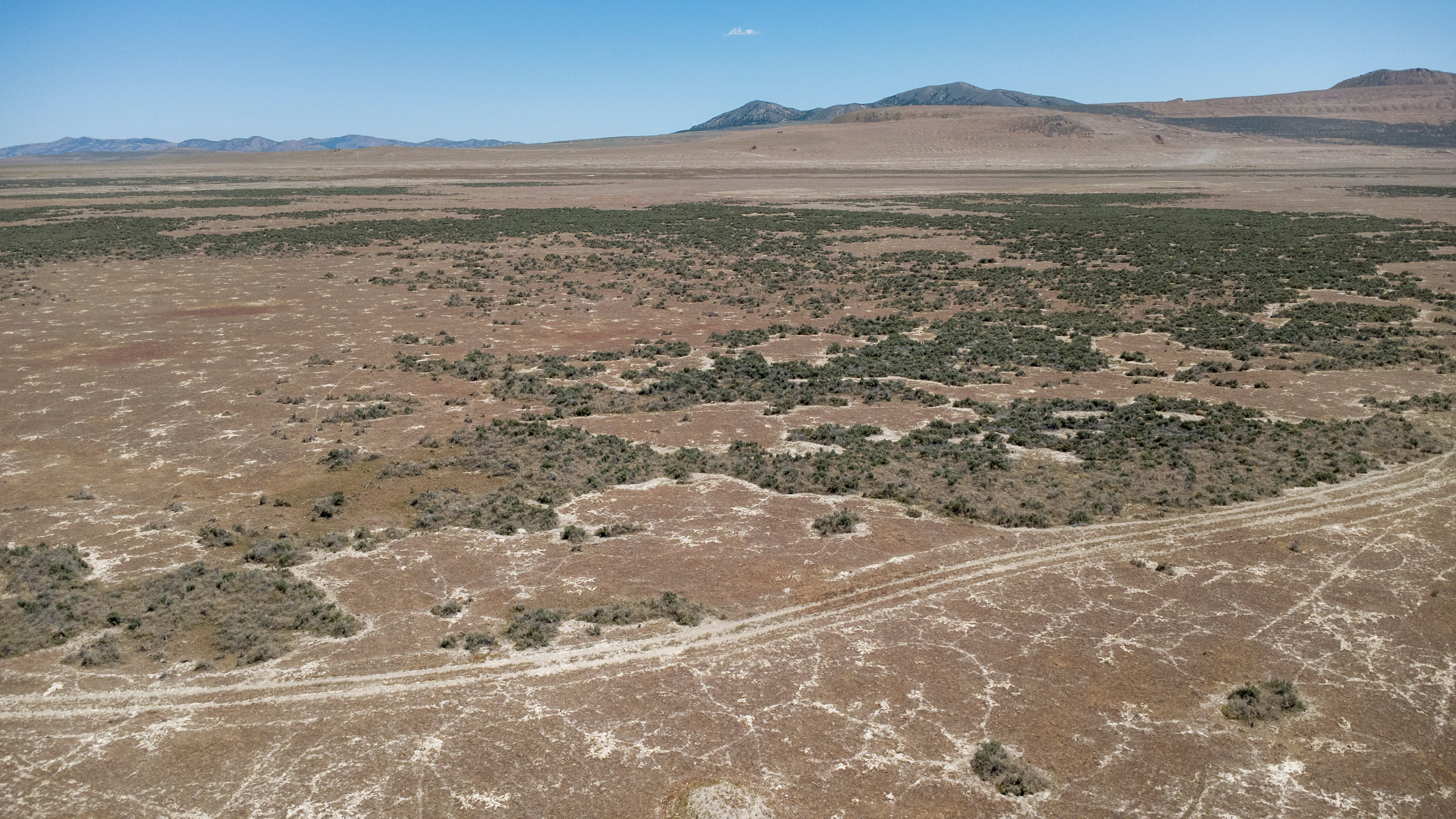
Critics say they are being kept in the dark about projects that could transform quiet farming communities into industrial hubs. Many fear higher utility bills, dried-up wells, increased traffic, noise, pollution and the loss of open countryside.
cookie.trim() === ‘__DEBUG__=true’)) { console.log(‘Ad logs: “taboola-carousel-thumbnails”, injectedAtParagraph: 7’); }]]>
Texas has become one of the biggest battlegrounds.
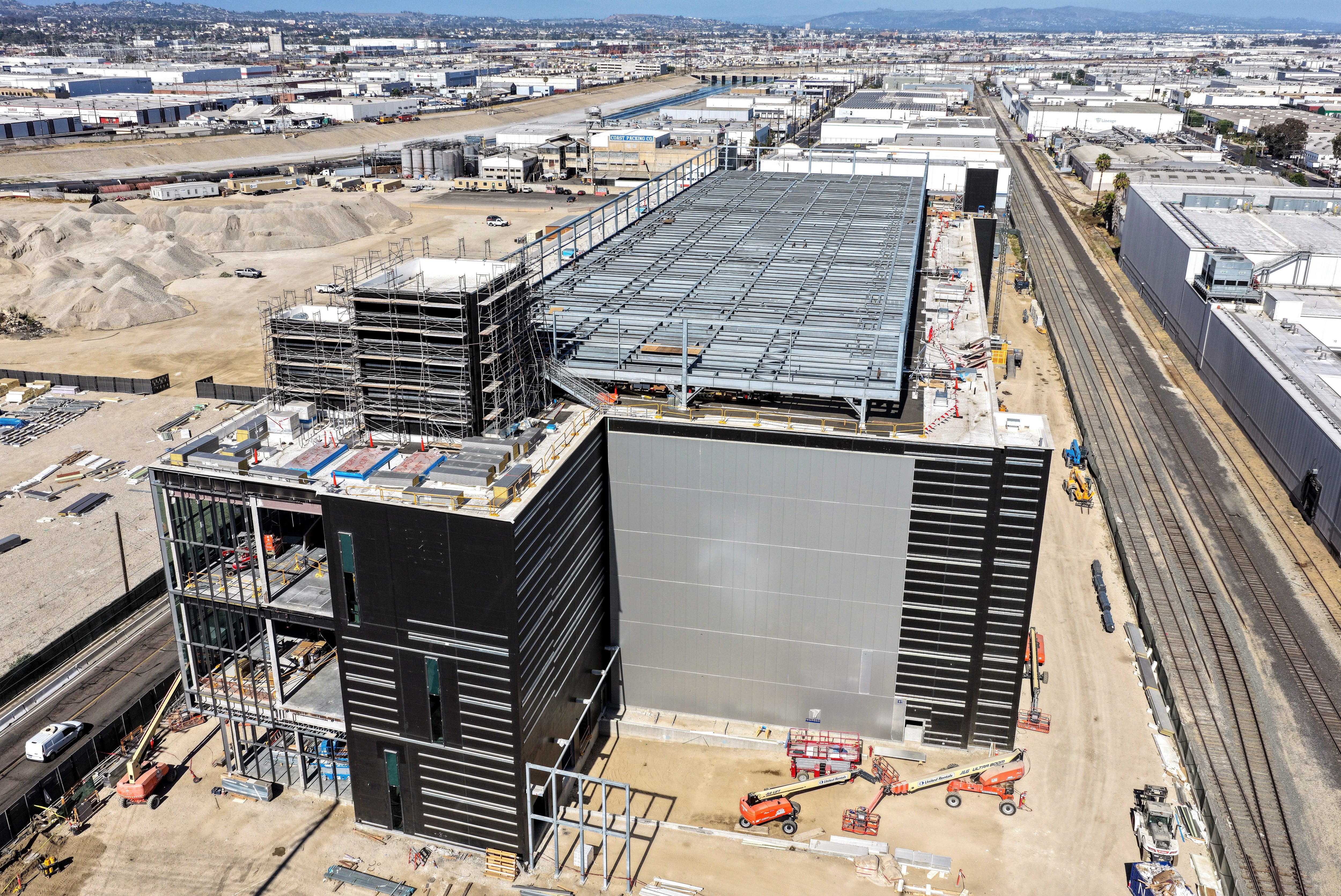
Commercial real estate firm JLL projects the state will surpass Northern Virginia as the world’s largest data center market by 2030. Companies are racing to build enormous facilities across West Texas and the Panhandle, including a project near Amarillo billed as the world’s largest data center.
cookie.trim() === ‘__DEBUG__=true’)) { console.log(‘Ad logs: “mpu2”, injectedAtParagraph: 8’); }]]>
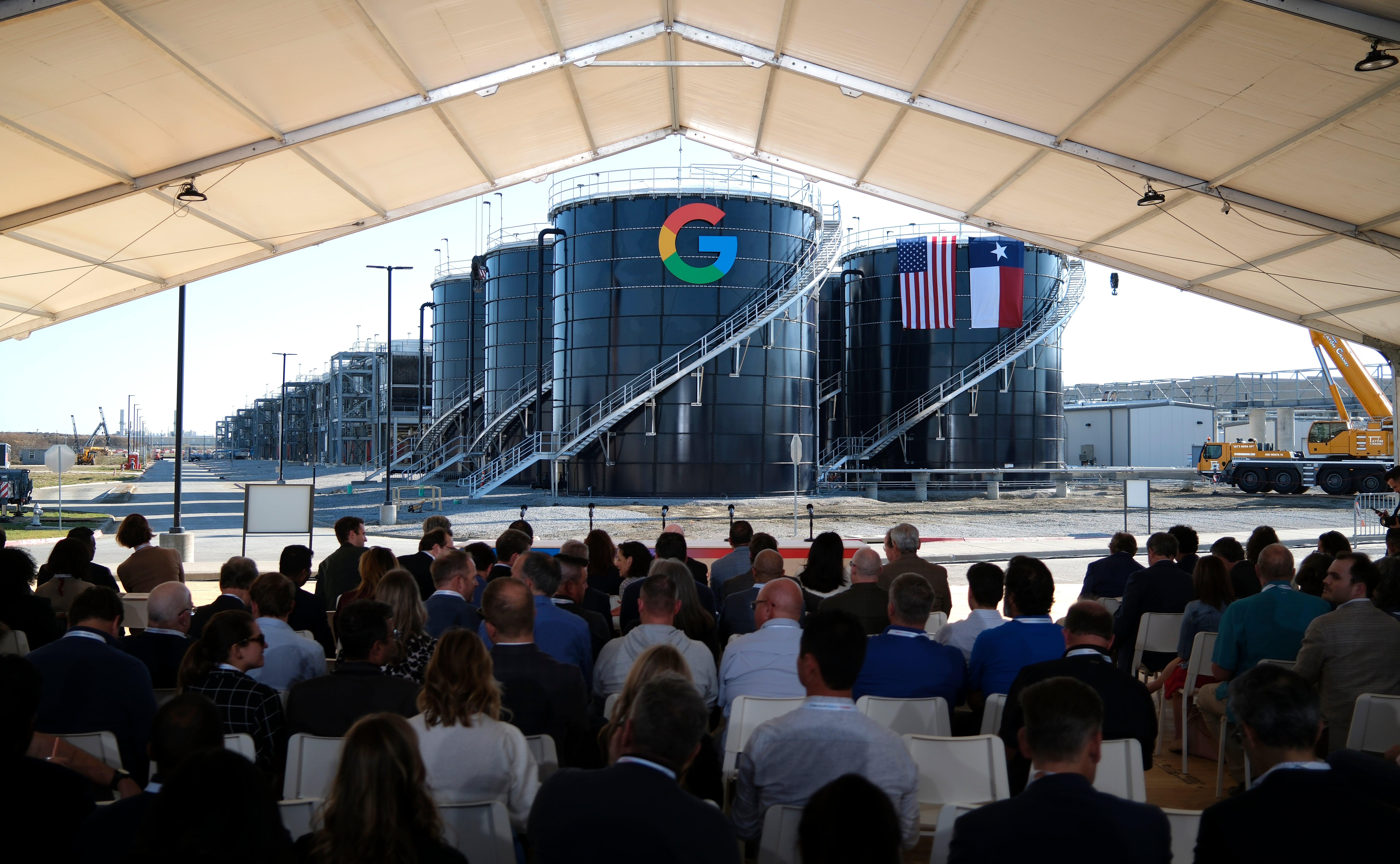
Google alone is building four data centers in northwest Texas, while President Donald Trump has made expanding AI infrastructure a national priority as the U.S. competes with China.
Supporters say the projects will boost innovation, strengthen cybersecurity and create jobs.

But opponents say developers have been secretive about what they plan to build and the environmental impact those facilities could have on rural communities.
cookie.trim() === ‘__DEBUG__=true’)) { console.log(‘Ad logs: “mpu3”, injectedAtParagraph: 10’); }]]>
The backlash is cutting across party lines.
Texas Agriculture Commissioner Sid Miller, a Republican, has criticized the rapid expansion, while ranchers and local Republican officials warn that water-hungry data centers could worsen drought conditions in a state already struggling with water shortages.

“Oh, I guarantee you, it’s on everybody’s mind,” said Giles Dalby, a Republican county commissioner and cattle rancher whose family has worked the same land for 125 years.
Dalby worries ranchers could find themselves competing with data centers for increasingly scarce water supplies.
The pressure has forced Abbott to shift his tone.
After years of aggressively courting AI investment, Abbott recently directed regulators to prevent data centers from driving up Texans’ electric bills and pledged legislation that would strip away lucrative tax incentives and stop data centers from being built in what he called “rural Texas neighborhoods.”
Hinojosa dismissed Abbott’s comments as too little, too late.
“Now we have this gold rush of data centers in our communities,” she said. “People want a say, and I think that’s fair.”
She said she would block permits for projects that were not in Texans’ best interests or moved forward without meaningful local input.
Whether the issue is enough to fracture Abbott’s rural base remains unclear. But even longtime Republicans acknowledge the growing frustration.
“This is the most cross-partisan issue I’ve ever seen in my life,” said Democratic agriculture commissioner candidate Clayton Tucker.
Republican activist Suzanne Bellsnyder said many conservatives are angry with Abbott, though whether that translates into votes remains to be seen.
“There are people who’ll still vote Republican all the way down,” said Hallie Bertrand, a Republican leading a grassroots anti-data center campaign in Lubbock. “But I think it’s a step toward something we haven’t seen in Texas in a long time—people on the right moving closer to the middle.”

