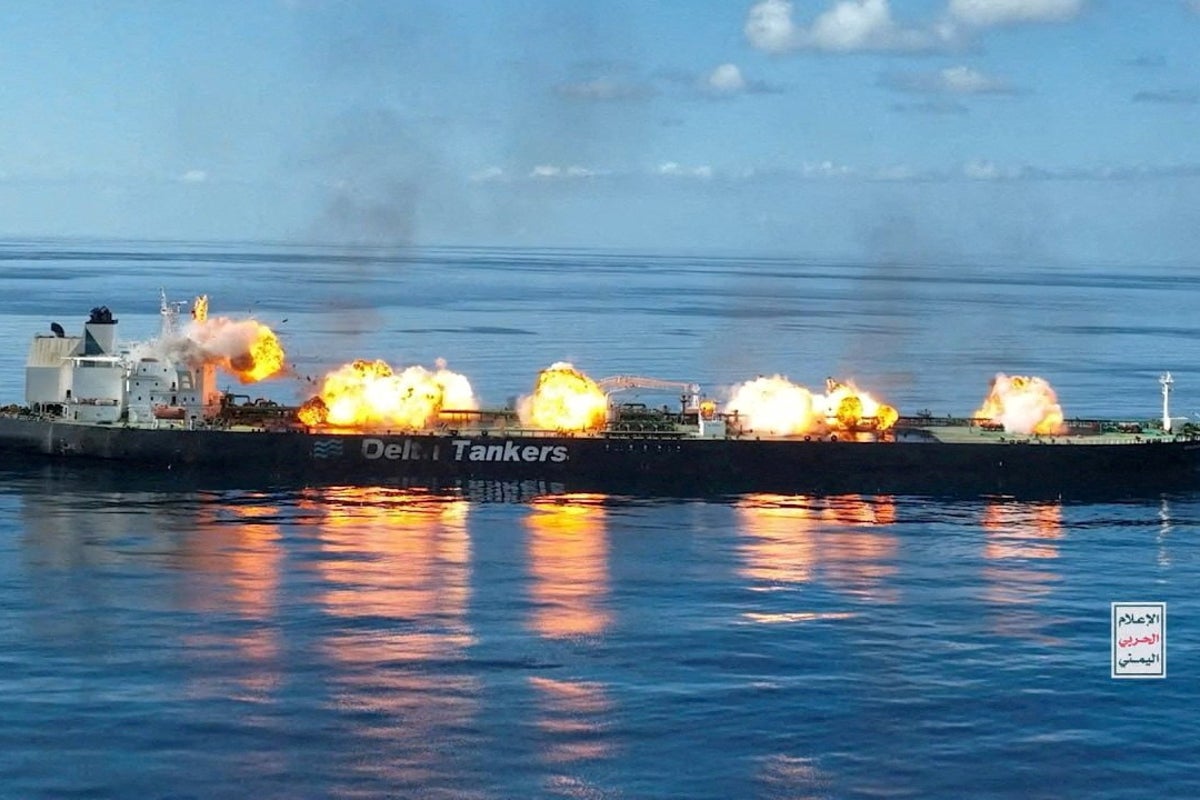
Йемений хуситууд Саудын Арабын газрын тос тээвэрлэгч хөлөг онгоцууд руу пуужин болон дроноор довтолсноо зарлаж, бүс нутаг дахь геополитикийн хурцадмал байдлыг нэмэгдүүлэв.
Улаан тэнгист Саудын Арабын эзэмшлийн хөлөг онгоц халдлагад өртөж, хөлөг онгоцны урд хэсэгт гал гарсан болохыг тус улсын албаны эх сурвалжууд баталлаа. Ираны дэмжлэгтэй хуситууд энэхүү дайралтыг АНУ болон Ираны зөрчилтэй холбоотойгоор Саудын Арабт тогтоосон “тэнгисийн бүслэлт”-ийн нэг хэсэг хэмээн мэдэгдсэн байна. Хуситууд өмнө нь тус улсын боомтуудад хөлөг онгоц нэвтрүүлэхгүй байхаа зарласан нь дэлхийн газрын тосны нийлүүлэлтэд сөргөөр нөлөөлөх эрсдэлтэй байгаа юм.
АНУ-ын ерөнхийлөгч Дональд Трамп хэрэв хуситууд олон улсын худалдааны гол коридор болох Улаан тэнгист саад учруулбал АНУ хөндлөнгөөс оролцож, нөхцөл байдлыг зохицуулна гэдгээ илэрхийлжээ. Гэсэн хэдий ч Пентагоны шинжээчид болон хуучин албан тушаалтнууд энэ нь АНУ-ын цэргийн нөөцөд ачаалал нэмж, Ирантай хийж буй сөргөлдөөнийг улам бүр өргөжүүлж болзошгүйг анхааруулж байна. Одоогоор Ойрхи Дорнодод АНУ-ын 20 гаруй байлдааны хөлөг онгоц болон олон зуун нисэх онгоц ажиллаж байгаа ч хуситуудын эсрэг шинэ фронт нээх нь цэргийн болон тагнуулын нөөцийг шавхах эрсдэлтэй гэж үзэж байна.
Хуситууд өмнө нь Саудын Араб болон АНУ-ын агаарын довтолгоонуудыг тэсвэрлэж ирсэн туршлагатай, уян хатан бүлэглэл гэдгээ харуулсан. АНУ-ын тэнгисийн цэргийн хүчин хуситуудын дрон болон пуужингуудыг устгах шаардлага тулгарвал тус улсын агаарын довтолгооноос хамгаалах хэрэгсэл болон зэвсгийн нөөцөд дарамт ирэх магадлалтай байна. Пентагоны төлөөлөгч АНУ-ын арми өөрийн ашиг сонирхлыг хамгаалах хангалттай нөөцтэй хэмээн мэдэгдсэн ч бүс нутаг дахь цэргийн ажиллагааны эрчим өндөр байгаа юм.
Дэлгэрэнгүйг эх сурвалжаас харах
↓Эх сурвалжийг нээх ↓
A Saudi-owned vessel has come under attack in the Red Sea, with state media confirming the incident that caused a fire at the front of the ship. The Saudi Press Agency (SPA), citing an official from the General Transport Authority, reported the damage.
The confirmation follows claims by Yemen’s Iran-backed Houthi group, which stated it had launched missile and drone attacks on two Saudi oil tankers in the Red Sea on Wednesday. The Houthis identified one of the targeted ships as the Encelia, asserting that these strikes were part of a “maritime blockade on Saudi Arabia linked to the US-Iran conflict.”
The attacks follow current and former US officials warning that a Houthi threat to impose a naval blockade against Saudi Arabia in the Red Sea could significantly escalate the “Iran war” and place considerable strain on the US military, which is already focused on countering Tehran’s actions across the region. The Houthis had previously declared on Monday that they would prevent ships from loading or unloading at Saudi ports, a move that could potentially block Saudi oil exports and disrupt an additional seven per cent of the global oil supply.
While Saudi Arabia, a host nation for US forces, has not yet formally requested military assistance from Washington, Donald Trump suggested on Tuesday that any Houthi obstruction of shipping in the Red Sea – a crucial corridor for global trade – could draw the United States into the conflict. “If something like that happens, we’ll take care of it. We’ve done that with the Houthis before,” he told reporters.
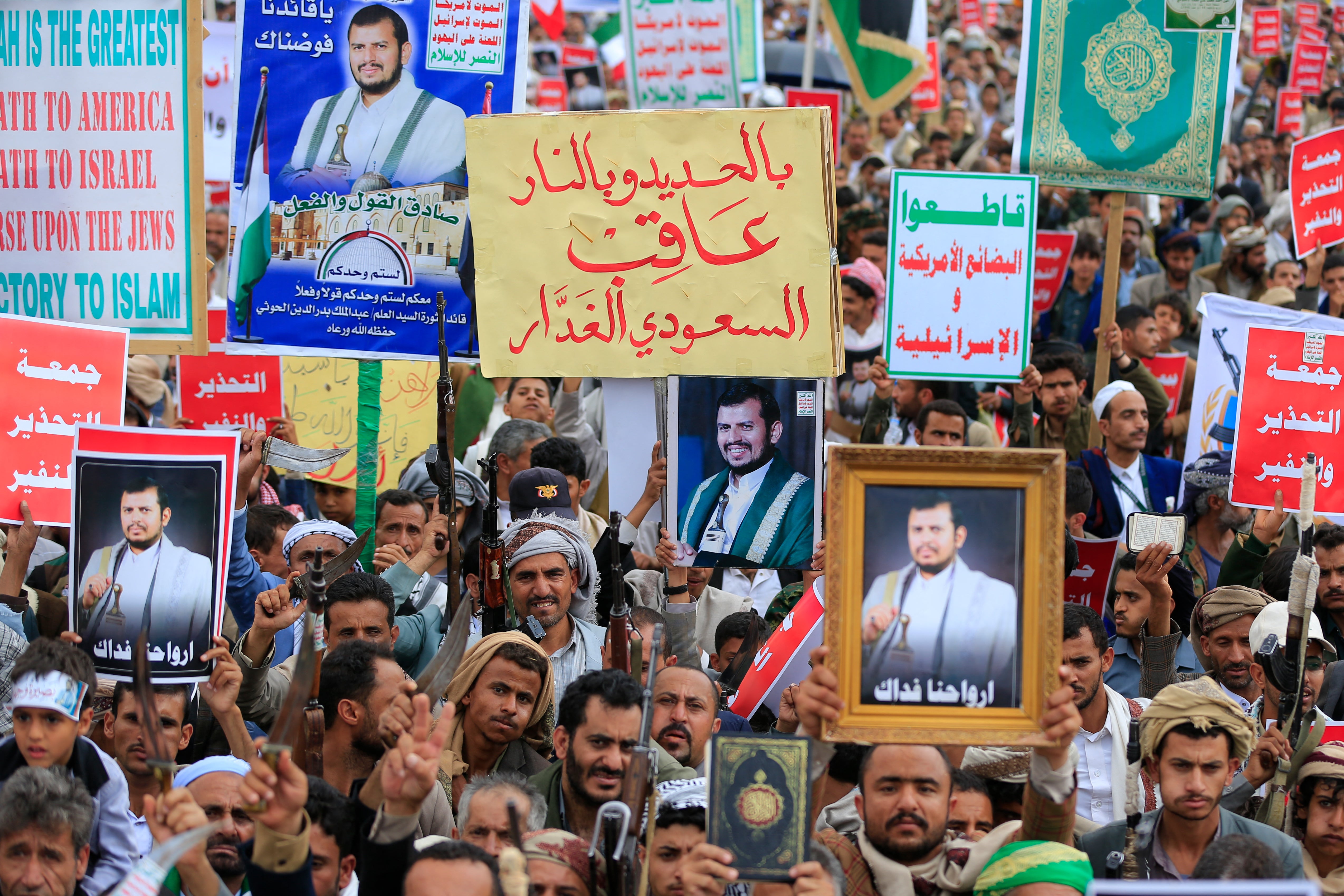
For the U.S. military, it may not be so simple. The Houthis have earned a reputation as hardened, nimble fighters who have successfully resisted earlier Saudi and U.S. bombing campaigns. Taking them on would mean stretching American resources already focused on fighting Iran and maintaining the United States’ own blockade of Iranian ports in the Gulf. “You’re bifurcating your admittedly fairly robust resources in the region between two active fronts,” said Jason Campbell, a former senior Pentagon official.
Campbell, now with the Middle East Institute, added that addressing the Red Sea threat could mean shifting U.S. warships from the Gulf closer to Yemen to allow the military to carry out operations against the militants and defend against Houthi missiles. The possible entry of the Houthis into the conflict is another example of how the war – first pitched by Trump as a focused bombing campaign that would trigger Iran’s capitulation – continues to evolve, worsening a political headache for the U.S. president. And if U.S. Navy vessels and aircraft have to start shooting down Houthi drones and missiles, it could also worsen what experts have warned are diminished stockpiles of U.S. munitions and air defense interceptors. The Pentagon said the U.S. military has everything it needs to “execute at the time and place of the president’s choosing.”
“We have executed multiple successful operations across combatant commands while ensuring the U.S. military possesses a deep arsenal of capabilities to protect our people and our interests,” Pentagon spokesman Sean Parnell said.
Resilient Houthis
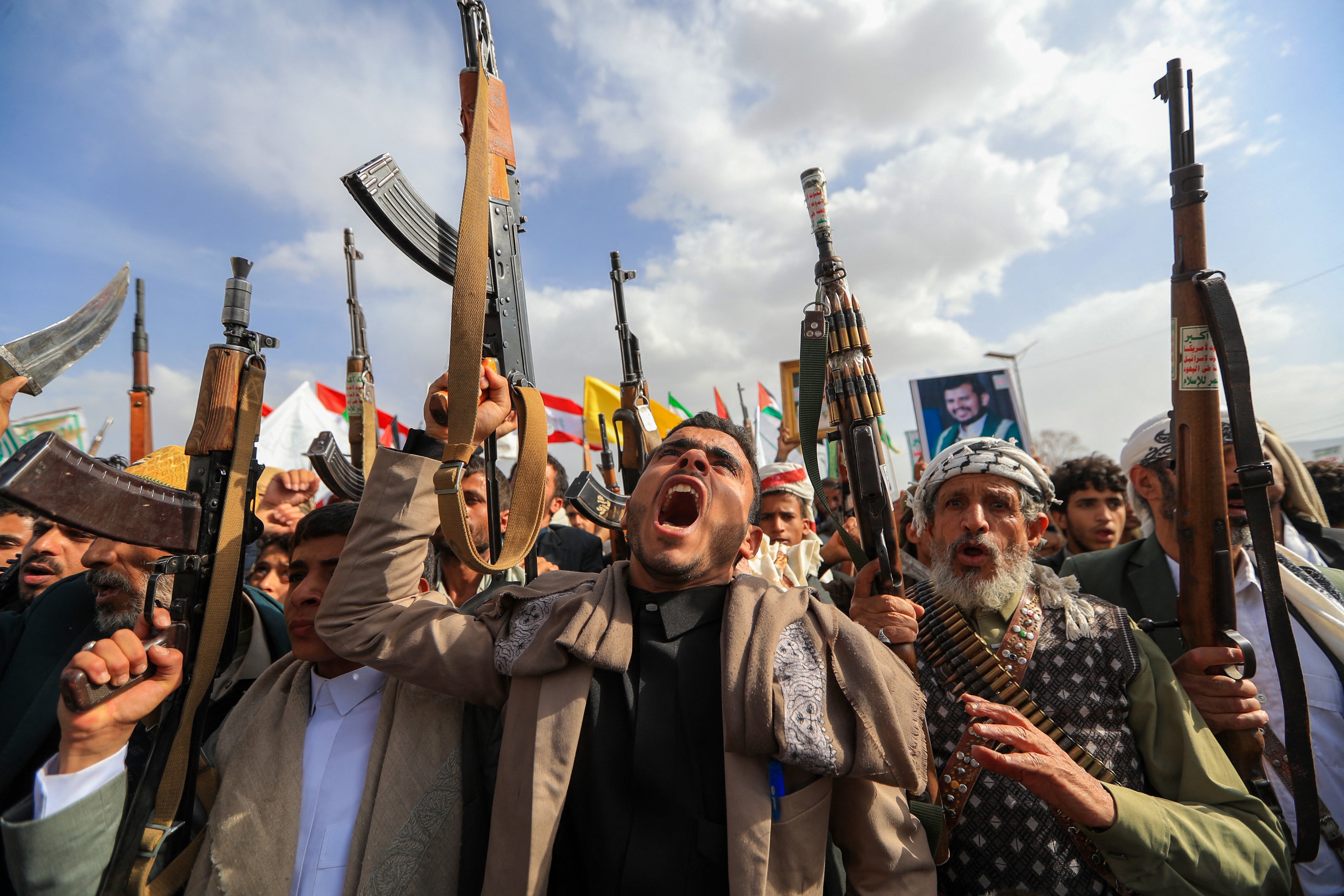
The Houthis have been remarkably resilient through years of bombing by a Saudi-led Arab coalition, which tried unsuccessfully to crush the mountain fighters who are the de facto authority over much of Yemen, and more recent intense U.S. bombing campaigns.
“The Houthis have proven many times in the past that they have the ability and willingness to obstruct maritime traffic in the Red Sea and the Bab el-Mandeb strait,” said Michael Mulroy, a former deputy assistant secretary of defense for the Middle East during Trumps first term. Under Joe Biden’s administration, the United States conducted air strikes against Houthi targets in an effort to keep open the crucial Red Sea trading route. Trump intensified that effort last year, bombing the Houthis who had been firing at U.S. warships and commercial vessels off Yemen’s coast.
Experts believe neither campaign ended the group’s ability to threaten shipping. But last year’s two-month action did demand significant U.S. firepower, including two aircraft carriers, other warships, fighter jets and strategic aircraft such as the B-2 bombers. While the U.S. military is the best funded in the world, it still faces resource constraints, officials say, with many of the systems likely needed for Yemen currently being used in the war in Iran.
“We’re pretty busy already,” one official said, noting that some warships had spent longer than usual at sea because of the high tempo of operations, first in the Caribbean and now in the Middle East. Longer than expected deployments wear on service members. Ships eventually need to return to port for maintenance.
More than 20 U.S. Navy warships and hundreds of U.S. military aircraft are now operating in the Middle East. Additional forces are headed to the region to help with the Iran conflict, a second U.S. official said. That could limit what is available for a conflict near Yemen, which officials say would require significant naval and aerial resources, and would divert U.S. intelligence resources, given the need to pinpoint Houthi capabilities that may have changed since last year.
Mark Cancian, a retired U.S. Marine officer at the Center for Strategic and International Studies, agreed that a second front in the Red Sea would stretch U.S. naval forces. But, he added, the Houthis would face their own challenges getting resupplied, given the ongoing blockade of Iran, which has been the group’s main supporter. “The U.S. blockade is not 100% effective but it is highly effective. As a result, the Houthis may be hard pressed to continue a campaign for long,” Cancian said.

