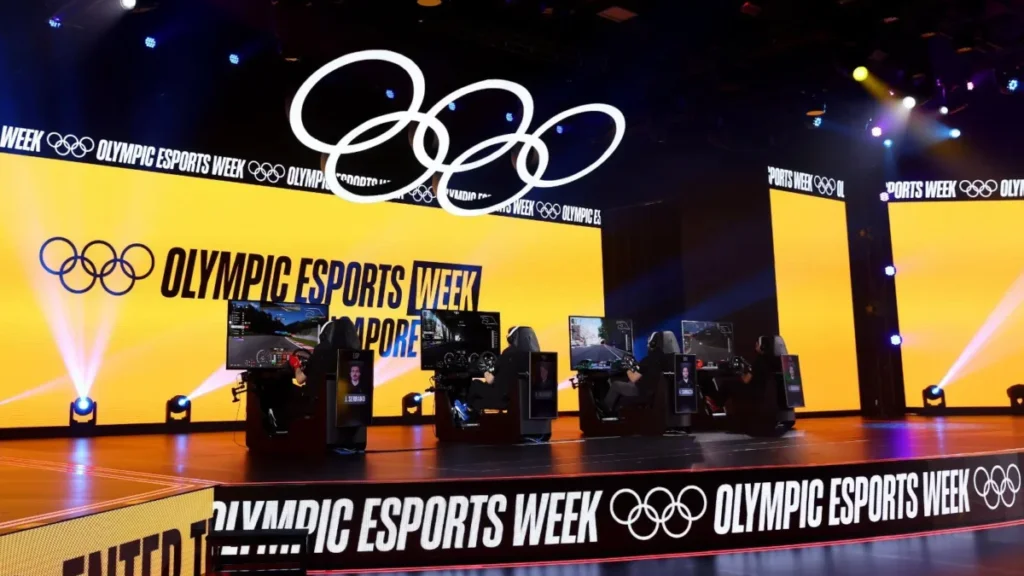
Logitech G-ийн хийсэн шинэ судалгаагаар Австралийн залуу үе болон ахмад үеийнхэн кибер спортыг олимпын наадамд оруулах тал дээр эрс тэс байр суурьтай байгаа нь илэрлээ.
Судалгаанд хамрагдсан 18-24 насны австраличуудын 59% нь кибер спортыг олимпын албан ёсны төрөл байх ёстой гэж үзэж байгаа нь дэлхийн дунджаас 10 хувиар илүү үзүүлэлт юм. Гэвч нас ахих тусам энэхүү дэмжлэг огцом буурч, 45-54 насныхны дөнгөж 19%, харин 55-аас дээш насныхны ердөө 4.6% нь л үүнийг дэмжиж байна.
Австрали улс нь уламжлалт спорт, гадаа талбайн хөдөлгөөнт тоглоомуудад суурилсан соёлтой ч, залуу үеийнхэн кибер спортыг ч мөн адил өндөр зэрэглэлийн ур чадвар шаардсан талбар гэж харж байна. Logitech G-ийн төлөөлөгч Даниел Холлын тайлбарласнаар, энэ нь уламжлалт спортыг үгүйсгэж буй хэрэг бус, харин өрсөлдөөний соёл дижитал орчинд шилжин хувьсаж буйн илрэл юм. Тэд кибер тамирчдын олон цагийн бэлтгэл, сэтгэл зүйн тэсвэр хатуужил, рефлексийг гимнастик эсвэл гүйлтийн тамирчдын бэлтгэлтэй адилтган үздэг.
Олон улсын олимпын хороо (ОУОХ) кибер спортын чиглэлээр зарим туршилт хийж байгаа ч Counter-Strike, VALORANT, League of Legends зэрэг түгээмэл тоглоомуудыг хүчирхийллийн шинжтэй гэх шалтгаанаар олимпын хөтөлбөрт оруулахаас болгоомжилсоор байна. Ахмад үеийнхэн видео тоглоомыг зөвхөн зугаа цэнгэл гэж хардаг бол залуус үүнийг танин мэдэхүйн өндөр түвшний уралдаан хэмээн хүлээн зөвшөөрч байна. Ийнхүү спорт ба зугаа цэнгэлийн хоорондох зааг ялгаа үеийн үед улам бүдгэрсээр байгаа нь ирээдүйд олимпын тавцангийн дүр төрх өөрчлөгдөх магадлалтайг харуулж байна.
Дэлгэрэнгүйг эх сурвалжаас харах
↓Эх сурвалжийг нээх ↓
If you walk into a living room in Australia and start an argument about what counts as a real sport, you are probably going to trigger a generational standoff. A new global study by Logitech G surveyed 1,500 Australians, and the results laid out a massive cultural divide in how we define elite athletic competition.
An eye-catching 59% of young Australians aged 18 to 24 believe that esports legitimately deserve a spot in the Olympic Games. That puts Aussie youth nearly ten percentage points higher than the global average for the same age group. But if you ask the older demographics, that enthusiasm collapses off a cliff.
Only 19% of Aussies aged 45 to 54 agree with the sentiment, and among those aged 55 and older, support plummets to a staggering 4.6%.
The Battle Between the Pitch and the Pixel
Australia has a fiercely outdoorsy reputation. It is a nation built on beach culture, footy, cricket, and swimming pools. So seeing young Aussies push so hard for digital competition might seem surprising at first glance.
Logitech G senior category manager Daniel Hall pointed out that this is not actually a rejection of traditional Australian sports culture, but rather an evolution of it. Aussies are fundamentally obsessed with competition, team strategy, and the raw thrill of a win. For Gen Z, that same passion easily transfers from a grassy pitch to a digital arena.
They see a professional gamer putting in grueling multi-hour training sessions, developing split-second reaction times, and managing high-stress scenarios as no different than a gymnast or a sprinter preparing for the gold medal match.
Why the Boomer Skepticism Runs So Deep
The massive drop-off in support among older age groups shows how deeply entrenched traditional definitions of “athleticism” really are. To a generation raised on physical endurance and contact sports, sitting in an ergonomic chair while wearing a headset does not compute as an Olympic event.
There is also the ongoing friction surrounding what games would even be played. The International Olympic Committee has been testing the waters with its own Olympic Esports initiatives, but it often steers clear of ultra-popular esports like Counter-Strike, VALORANT, or League of Legends due to concerns about virtual violence.
When older generations look at video games, they often see entertainment or a casual pastime rather than a structured, elite cognitive discipline.
The Definition of a Sportsperson is Shifting
Whether the International Olympic Committee fully embraces traditional competitive titles or keeps them at arm’s length, the study proves one thing clearly. The line separating sports and entertainment is blurring faster with every passing generation.
Younger Australians are leading the charge globally in recognizing cognitive athletes on the big stage. Older generations might still roll their eyes at the idea of awarding an Olympic gold medal for a frame-perfect combo or a mid-lane team fight, but as digital native generations grow up, the Olympic podium might look very different in the decades to come.

