Цахилгаан автомашинуудын жолоочид туслах дэвшилтэт систем (ADAS) нь жижиг саад тотгорыг таньж, автоматаар зогсох чадвараараа хоорондоо эрс ялгаатай байгааг сүүлийн үеийн туршилт харууллаа.
Tesla болон Хятадын үйлдвэрлэлийн цахилгаан автомашинуудыг хамарсан энэхүү туршилтаар автомашиныг ухрах үед ард нь байрлуулсан хүүхэлдэйг илрүүлж зогсох чадварыг шалгасан байна. Leapmotor болон Li Auto брэндийн автомашинууд саадыг амжилттай илрүүлж, мөргөлдөхөөс сэргийлэн бүрэн зогсож чадсан нь хамгийн өндөр үзүүлэлттэй байлаа. Харин XPENG брэндийн хувьд гүйцэтгэл нь тогтворгүй байсан бол Xiaomi брэндийн автомашин уг сорилтыг давж чадсангүй. Tesla-ийн хувьд ухрах үеийн аюулгүйн систем нь өмнөхөөсөө сайжирсан хэдий ч шилдэг өрсөлдөгчдийн түвшинд хараахан хүрээгүй байна.
Орчин үеийн автомашинууд камер, радар, хэт авианы мэдрэгч болон программ хангамжаар тоноглогдсон ч автоматаар зогсох систем нь бүх нөхцөлд бүрэн найдваргүй хэвээр байна. Энэхүү сорилт нь үйлдвэрлэгчдийн аюулгүйн системийн талаарх мэдэгдэл болон бодит гүйцэтгэлийн хооронд ихээхэн зөрүү байгааг илчилж байгаа юм.
Жолоочид туслах эдгээр технологи нь зөвхөн туслах үүрэгтэй бөгөөд жолоочийн анхаарал болгоомжийг бүрэн орлох боломжгүй гэдгийг мэргэжилтнүүд онцолж байна. Ялангуяа ухрах үед жижиг саадыг харах боломжгүй тохиолдолд технологид хэт найдах нь эрсдэлтэй хэвээр үлдэж байна.
Дэлгэрэнгүйг эх сурвалжаас харах
↓Эх сурвалжийг нээх ↓
Tesla and Chinese EVs have been put head-to-head many times, but this reverse safety test could be the most important because it shows which one automatically stops for small obstacles.
The unusual experiment used a sad, large teddy bear as a stand-in for a child or other small object behind the vehicle.
While some brands stopped flawlessly, others rolled straight into the obstacle despite their advanced driver assistance systems.
The results show just how much work is still needed before these features can be relied on in every situation.
Tesla and Chinese EVs faced the same reverse safety challenge
Advanced Driver Assistance Systems (ADAS) have become one of the biggest battlegrounds in the EV world, with manufacturers promising ever smarter cameras, sensors, and automatic emergency braking.
To see how well those claims stack up, a group of Chinese-made EVs, along with a Tesla, were put through the same obstacle course.
The test was simple but incredibly important.
Each vehicle had to detect a teddy bear positioned behind the car while reversing and automatically stop before making contact.
The teddy represented the kind of small obstacle that could easily be hidden from a driver’s view, such as a child or pet.
The results varied dramatically.
Leapmotor delivered one of the standout performances, successfully detecting the teddy and stopping on its very first attempt.
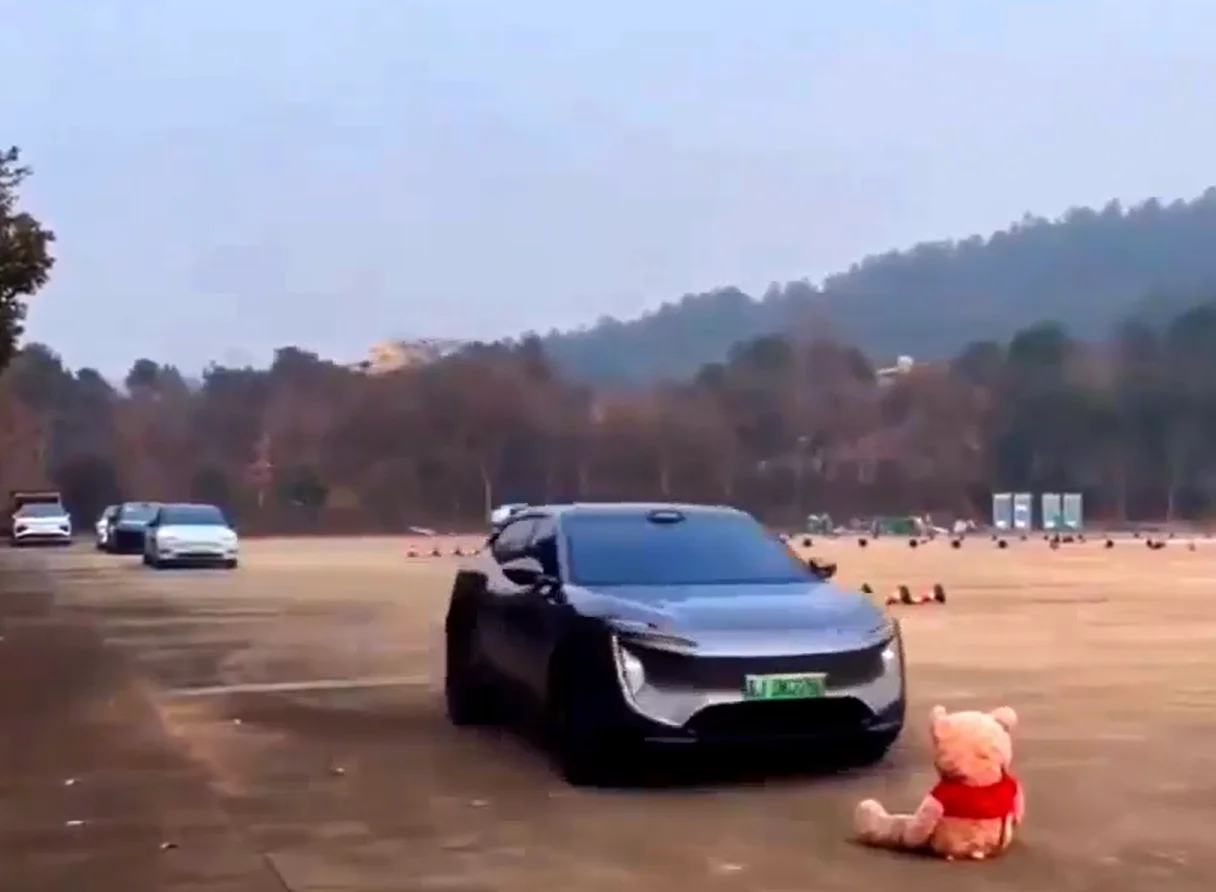
Li Auto also impressed, bringing the vehicle to a controlled emergency stop before reaching the obstacle.
XPENG’s performance was more inconsistent: while it showed promising capability, it didn’t achieve the same level of reliability as the top performers.
Tesla also produced mixed results when its reverse ADAS managed to improve compared to its forward-facing performance, but the company still failed to consistently match the best-performing Chinese rivals.
Meanwhile, Xiaomi struggled the most, failing the braking portion of the test entirely.
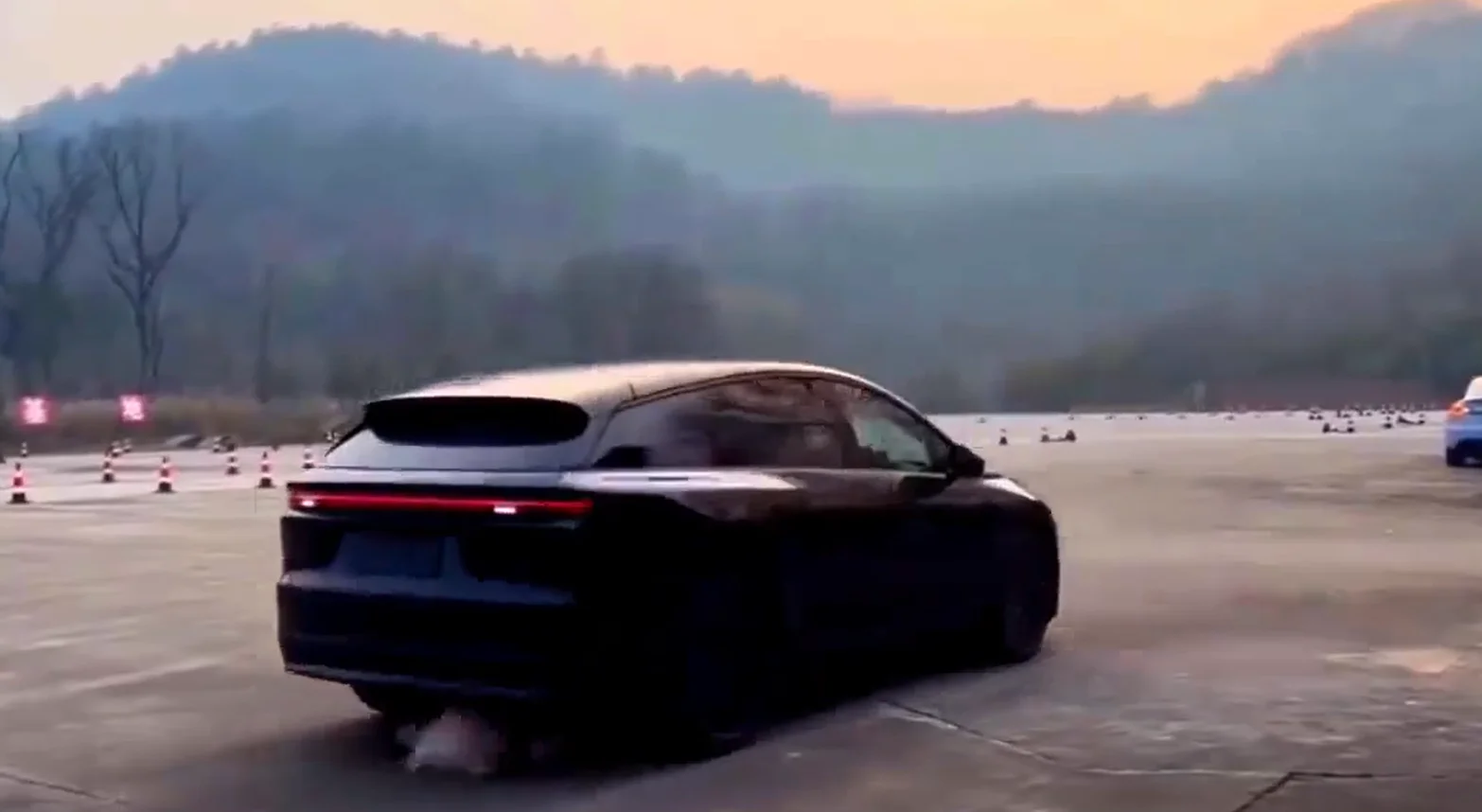
The teddy bear test shows there’s still a long way to go
Although modern cars are packed with cameras, radar, ultrasonic sensors, and increasingly sophisticated software, the test highlights that automatic obstacle detection is still far from foolproof.
A vehicle passing one scenario doesn’t necessarily mean it will perform equally well in every real-world situation.
That’s why experts continue to stress the importance of standardized, repeatable ADAS testing before manufacturers make broad claims about the capabilities of their safety systems.
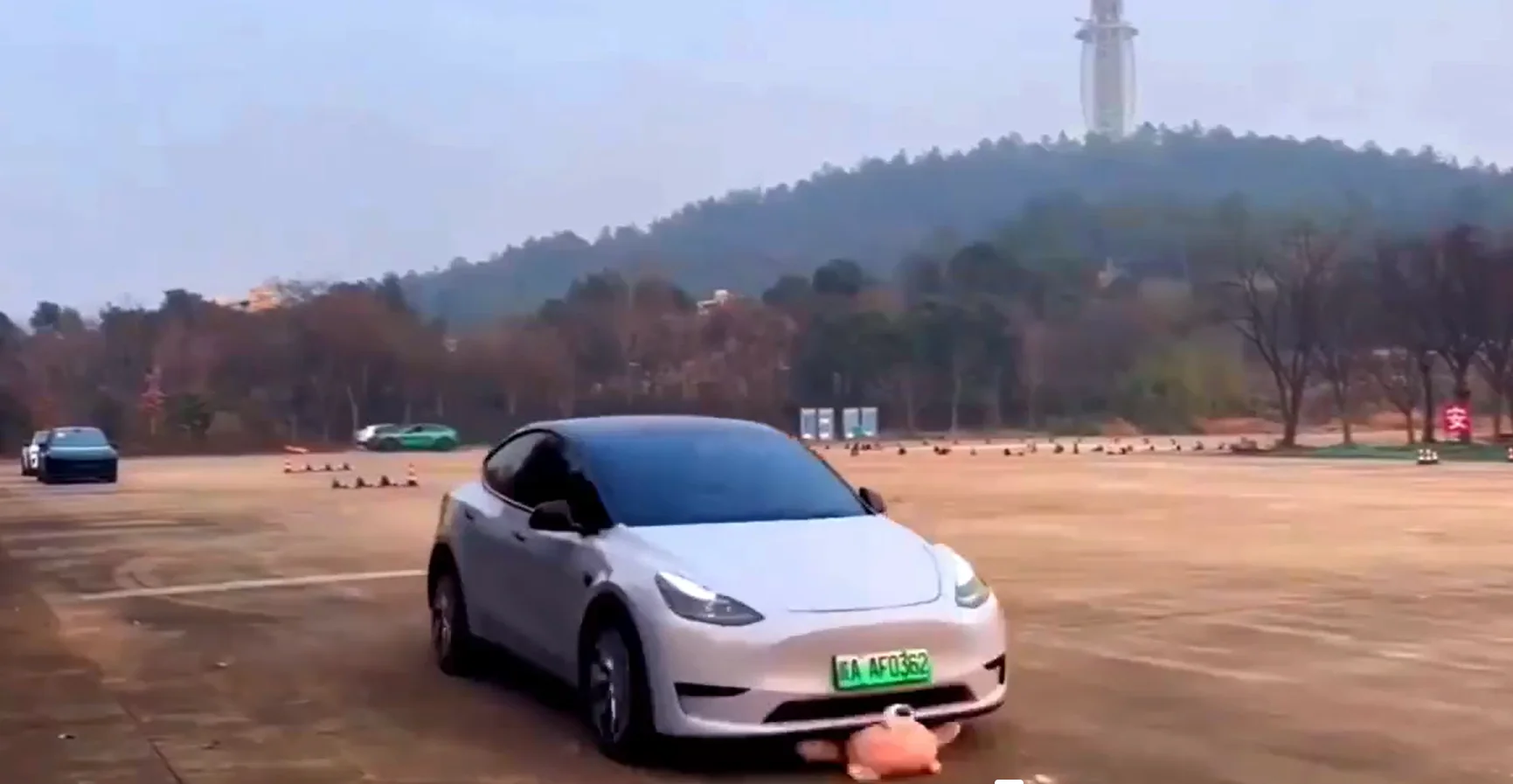
China has rapidly become one of the world’s biggest testing grounds for assisted driving technology, with domestic automakers pushing frequent software updates and introducing increasingly advanced safety features in Chinese EVs.
The latest teddy bear challenge shows that progress is happening quickly, but it also reveals that there’s still a significant gap between the strongest and weakest systems.
It makes you remember that this assistance tech is exactly that – assistance, so you’ve got to be careful.
They’re designed to help reduce risk, not replace paying attention behind the wheel, especially when reversing in areas where small obstacles can be difficult to spot.