
Ерөнхийлөгч Дональд Трамп ОХУ болон БНХАУ-ын удирдагчдын амлалтад итгэж байгаагаа илэрхийлж, тус улсуудыг Иранд цэргийн болон тагнуулын тусламж үзүүлээгүй гэж мэдэгдлээ.
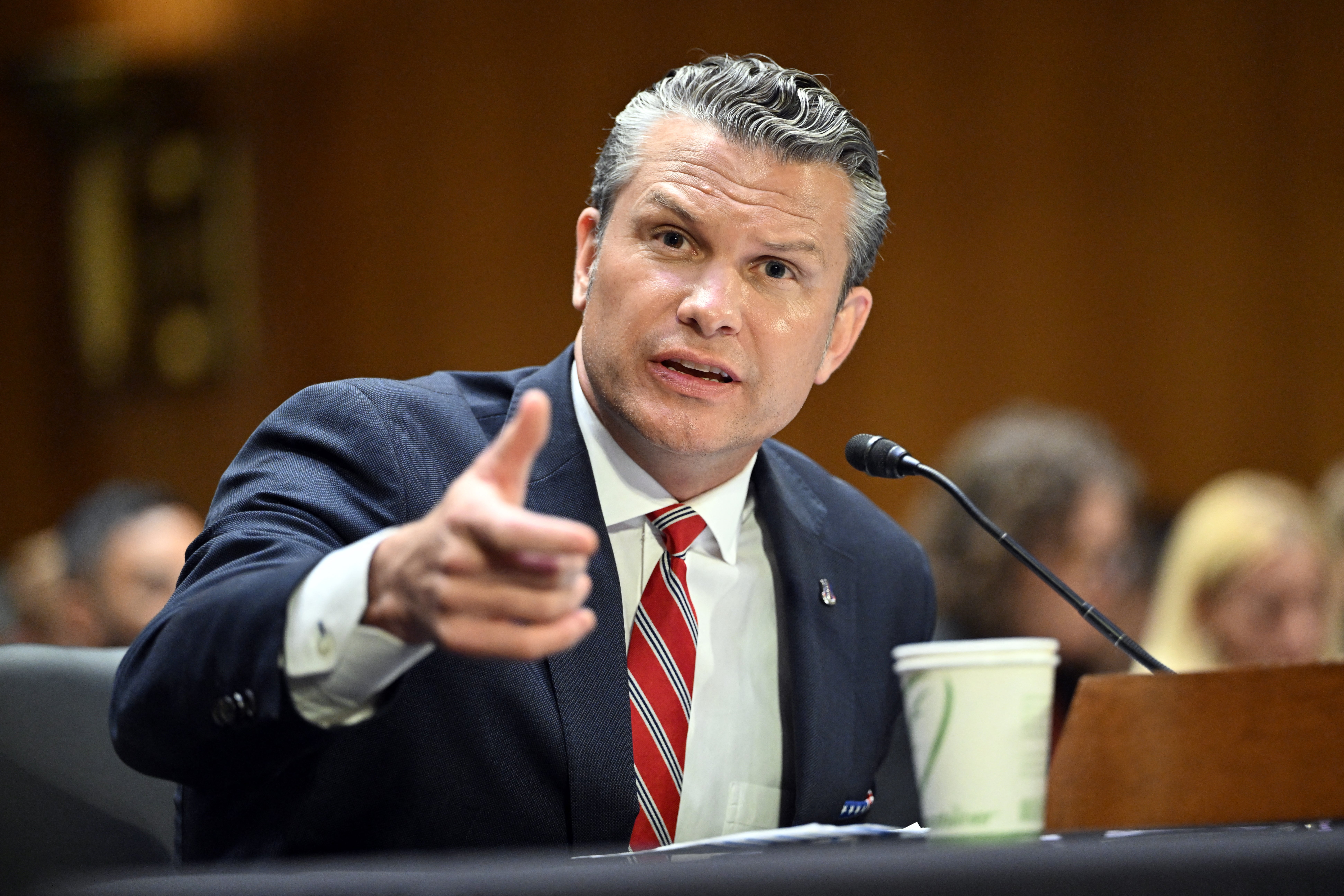
Баасан гарагт болсон хэвлэлийн бага хурлын үеэр Дональд Трамп Хятадын дарга Ши Жиньпин болон ОХУ-ын Ерөнхийлөгч Владимир Путин нар Иранд зэвсэг худалдахгүй гэдгээ баталсан гэж мэдэгдсэн байна. Энэхүү байр суурь нь Батлан хамгаалахын сайд Пит Хегсет саяхан Сенатын Төсвийн хороонд мэдээлэл өгөхдөө ОХУ болон БНХАУ нь Тегераныг янз бүрийн түвшинд дэмжиж байгааг анхааруулсантай зөрчилдөж байна. Пит Хегсет лхагва гарагт /тухайн долоо хоногийн мягмар гарагт/ хийсэн мэдэгдэлдээ эдгээр улс орнууд Ираныг “чадавхжуулж” байгааг онцолсон ч, Трамп үүнийг үгүйсгэн, удирдагчдын өгсөн амлалтад итгэж буйгаа илэрхийлэв.
Хэдийгээр АНУ-ын Ерөнхийлөгч ийнхүү итгэлтэй байгаа ч ОХУ болон БНХАУ нь Иранд цэргийн бус хэлбэрээр томоохон дэмжлэг үзүүлсээр ирсэн гэх мэдээлэл байдаг. Тухайлбал, ОХУ хиймэл дагуулын тагнуулын зураг ашиглах боломжоор хангадаг бол БНХАУ-ын BeiDou навигацийн сүлжээг Ираны пуужин болон дроныг чиглүүлэхэд ашигладаг гэсэн дүгнэлтүүд бий. Мөн БНХАУ-аас баллистик пуужингийн түлш үйлдвэрлэхэд шаардлагатай химийн бодис болон дроны эд ангиудыг нийлүүлж, Ираны газрын тосыг худалдан авснаар тус улсын цэргийн төсвийг санхүүжүүлэхэд гол үүрэг гүйцэтгэж байна.
АНУ болон Ираны хоорондох мөргөлдөөн сүүлийн хоёр долоо хоногийн турш ширүүсэж, Пентагон Ойрхи Дорнод руу цэргийн хүч болон зэвсэглэлээ нэмэгдүүлж байна. Дипломат шийдэлд хүрэх найдлага буурч байгаа энэ үед Ерөнхийлөгч Трамп дайны явц удаашралтай байгаа болон уг ажиллагаа нь АНУ-ын иргэдийн дунд дэмжлэг багатай байгааг анхаарч байгаа талаар эх сурвалжууд мэдээлжээ.
Дэлгэрэнгүйг эх сурвалжаас харах
↓Эх сурвалжийг нээх ↓
President Donald Trump on Friday said he does not believe the Russian or Chinese governments are providing military or intelligence assistance to Iran — based solely on the denials of their leaders — contradicting the assessment of his own defense secretary during a Senate hearing just days ago.
Taking questions in the Oval Office during an appearance focused on nuclear energy, Trump was asked to defend a Truth Social post in which he claimed Chinese President Xi Jinping had said “he would not, under any circumstances, give or sell Weapons to the Islamic Republic of Iran” and said Russia’s Vladimir Putin had promised, “he would not sell Weapons to Iran.”
He also wrote that in his view, both countries were “not participating” in Iran’s ongoing conflict with the U.S. while warning that “it would be very bad for them” if they did.
When a reporter noted that Pete Hegseth told the Senate Appropriations Committee on Tuesday that there were “ways in which both of those countries” were “enabling” Tehran “at different levels” and asked how he differentiates “enabling” from assisting, Trump dismissed the question.
“Well, I don’t know that they’re enabling. I mean, I will tell you that President Xi said he will not partake, and President Putin said the same thing … I trust them,” Trump said.
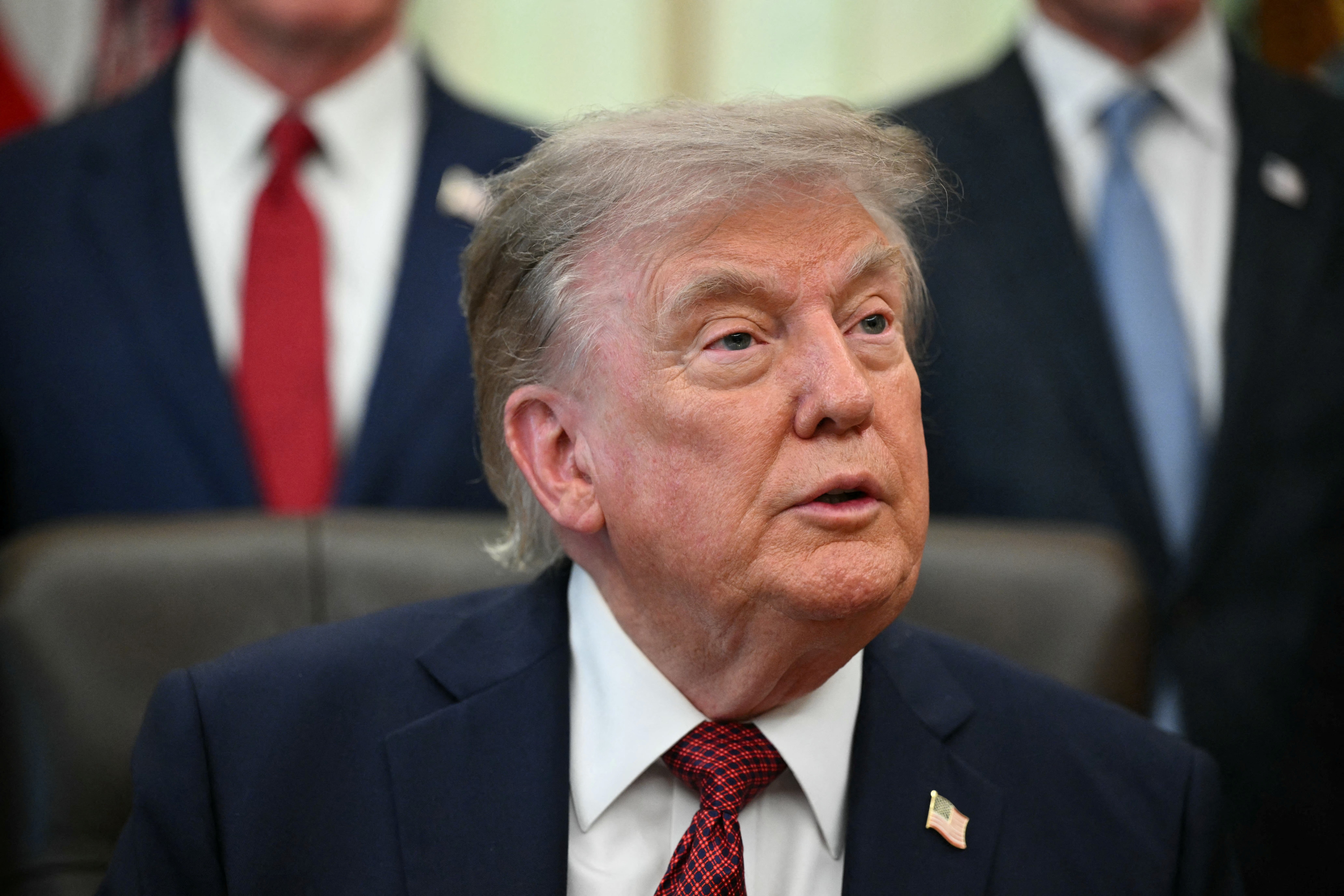
“There could be some things you do, but thus far, at least, has not been major. I don’t think they’d want to have me disappointed,” Trump added.
Despite his professions of trust in the Russian and Chinese leaders, both Moscow and Beijing have long provided significant logistical assistance to Tehran short of selling munitions to the Islamic Republic.
Both countries have reportedly supplied intelligence and technical assistance, including access to Russian satellite reconnaissance photographs used for targeting purpose and Chinese satellite data, plus access to Beijing’s BeiDou navigation network for the purposes of guiding missiles and drones to their targets.
Additionally, China is understood to be a major supplier of the precursor chemicals and other raw materials Tehran needs to manufacture fuel for the ballistic missiles that have wrought damage to U.S. and allied bases across the Middle East.
Beijing also supplies dual-use technological components used in the manufacture of one-way attack drones.
Additionally, China remains the major purchaser of Iranian oil exports, providing Tehran with tens of billions of dollars worth of revenue that can be directed to the Iranian military budget.
The war between the U.S. and Iran has continued to intensify since the U.S. began attacking Iranian infrastructure nearly two weeks ago.
The Pentagon is now reportedly moving weapons, medics and special forces to the Middle East to broaden options as hopes of a diplomatic resolution wane, with sources telling the Wall Street Journal that Trump is growing increasingly impatient at the pace of the war, which remains broadly unpopular with the American public.

