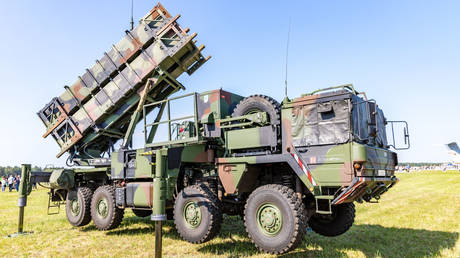
АНУ-ын ерөнхийлөгч Дональд Трамп агаарын довтолгооноос хамгаалах Patriot системийн пуужингийн нөөц дуусах эрсдэлтэй байгаа тул Иран руу томоохон хэмжээний цэргийн ажиллагаа явуулах төлөвлөгөөгөө түр зогсоосон байна.
Иран болон хууситуудын бүлэглэл Саудын Арабын газрын тосны танкерууд руу халдсаны дараа АНУ-ын ерөнхийлөгч “урьд өмнө байгаагүй том” цэргийн хариу арга хэмжээ авахаар судалж байсан юм. Гэвч Пентагоны удирдлага болон цэргийн зөвлөхүүдтэй хийсэн уулзалтын үеэр агаарын довтолгооноос хамгаалах зэвсэглэлийн нөөц хангалтгүй байгаа нь асуудал үүсгэв. АНУ-ын Зэвсэгт хүчний Жанжин штабын дарга, генерал Дэн Кэйн томоохон ажиллагаа явуулах боломжтой ч энэ нь АНУ-ын Төв командлалын мэдэлд буй Patriot зенит пуужингийн систем болон бусад хамгаалалтын хэрэгслийн нөөцийг аюултай түвшинд хүртэл багасгана гэж анхааруулжээ.
Стратеги, олон улсын судалгааны төвийн дөрөвдүгээр сард хийсэн шинжилгээгээр, АНУ-ын Precision Strike пуужингийн нөөцийн 45 хувь, Patriot системийн нөөцийн бараг тал хувь, THAAD пуужингийн системийн нөөцийн тал гаруй хувь болон Tomahawk далавчит пуужингийн нөөцийн 30 орчим хувь нь өмнөх ажиллагаануудын үеэр зарцуулагдсан байна. Түүнчлэн Ираны пуужингуудын хурд, маневрлах чадвар өндөрссөн нь АНУ-ын агаарын довтолгооноос хамгаалах системийг нэвтрэхэд илүү үр дүнтэй болж байгааг албаны хүмүүс онцолжээ.
Цэргийн мэргэжилтнүүдээс гадна АНУ-ын засаг захиргааны хүрээнд дайн өргөжин тэлэх нь Персийн булангийн холбоотнуудыг эрсдэлд оруулах, дэлхийн эдийн засгийн хямрал болон дүрвэгсдийн асуудлыг хурцатгаж болзошгүй гэсэн болгоомжлол байсаар байна. Цагаан ордны зүгээс Дональд Трамп дипломат шийдлийг илүүд үзэж байгаа хэдий ч Тегераны зүгээс “террорист үйл ажиллагаа” үргэлжилбэл бүх сонголтыг нээлттэй хэвээр үлдээж буйг мэдэгдлээ. Ийнхүү 13 хоногийн турш үргэлжилсэн харилцан цохилтын дараа бямба гарагт цэргийн ажиллагаа түр зогссон байна.
Дэлгэрэнгүйг эх сурвалжаас харах
↓Эх сурвалжийг нээх ↓
Military advisers reportedly warned that expanded operations could dangerously deplete US Patriot interceptor stocks
US President Donald Trump has held off on a major attack on Iran over concerns that the Pentagon is running low on air-defense missiles, the New York Times reports, citing sources familiar with the matter.
The two sides have exchanged strikes for nearly two weeks since a fragile ceasefire reached in spring collapsed, accusing each other of violating a 14-point memorandum of understanding signed on June 17.
On Thursday, Trump threatened Iran and the Houthis with “major military punishment” after the Yemen-based group struck two Saudi oil tankers, telling Axios he was considering a “massive attack” against Iran that would be “bigger than ever before.”
According to the article published on Saturday, the decision followed a meeting with senior advisers and cabinet officials a day earlier that reportedly focused on the Pentagon’s shrinking inventory of Patriot interceptors and other air defenses. Two people briefed on the discussion told the outlet that officials also feared a wider regional war, alienating Gulf allies vulnerable to Iranian retaliation, a global economic downturn, and growing energy and refugee crises.
Joint Chiefs of Staff Chairman General Dan Caine reportedly warned that major operations were feasible but would dangerously deplete the interceptors available to US Central Command. His spokesman declined to comment when approached by the outlet.
“Few if any in Mr. Trump’s inner circle believed the plan to escalate was wise,” the NYT wrote, citing two people briefed on the discussion. One senior US official argued that further strikes were keeping Iran cohesive and focused on an external threat rather than forcing negotiations.
White House communications director Steven Cheung told the NYT that Trump “prefers a diplomatic solution” but retains “all options” if Tehran continues “terrorist activities” in the Strait of Hormuz or against US allies.
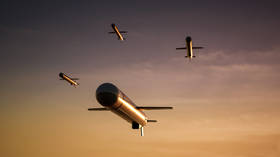
An analysis in April by the Center for Strategic and International Studies estimated that the initial campaign consumed at least 45% of America’s Precision Strike Missiles, nearly half of its Patriot interceptors, more than half of its THAAD missiles, and around 30% of its Tomahawk cruise missiles.
Earlier this week, the NYT and Wall Street Journal cited US officials as saying that Iranian missiles are becoming increasingly effective at penetrating US defenses because of their speed and maneuverability, as well as Iran’s evolving tactics.
Last Friday, three US soldiers were killed in Jordan when a ballistic missile penetrated US air defenses. A fourth soldier died in Iraq while ordnance from a downed Iranian drone was being destroyed.
The IRGC has also claimed that Iranian strikes disabled US radar, communications, and air-defense systems in Kuwait, including a Patriot battery, and damaged several MQ-9 drones. Neither Washington nor Kuwait has confirmed the claims.
No US strikes were reported overnight into Saturday, marking the first pause after 13 consecutive nights of attacks.

