Грек улсад аадар бороо, цасан шуурга шуурч байгаа бол Франц, Испанид ой хээрийн түймэр дэгдэж, олон зуун мянган хүнийг нүүлгэн шилжүүлэхэд хүргэлээ.
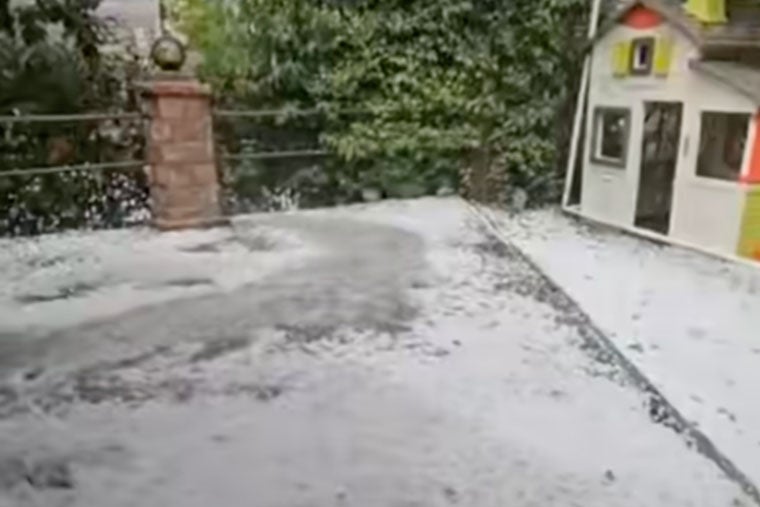
Грекийн Олимп ууланд долдугаар сарын сүүлчээр ховор үзэгдэл болж цас орсон бол Афинд хүчтэй аадар борооны улмаас дэд бүтэц гэмтэж, нийтийн тээврийн үйл ажиллагаа доголджээ. Тус улсын онцгой байдлын албанд цаг агаарын гамшигтай холбоотой 1,000 орчим дуудлага ирсэн байна.
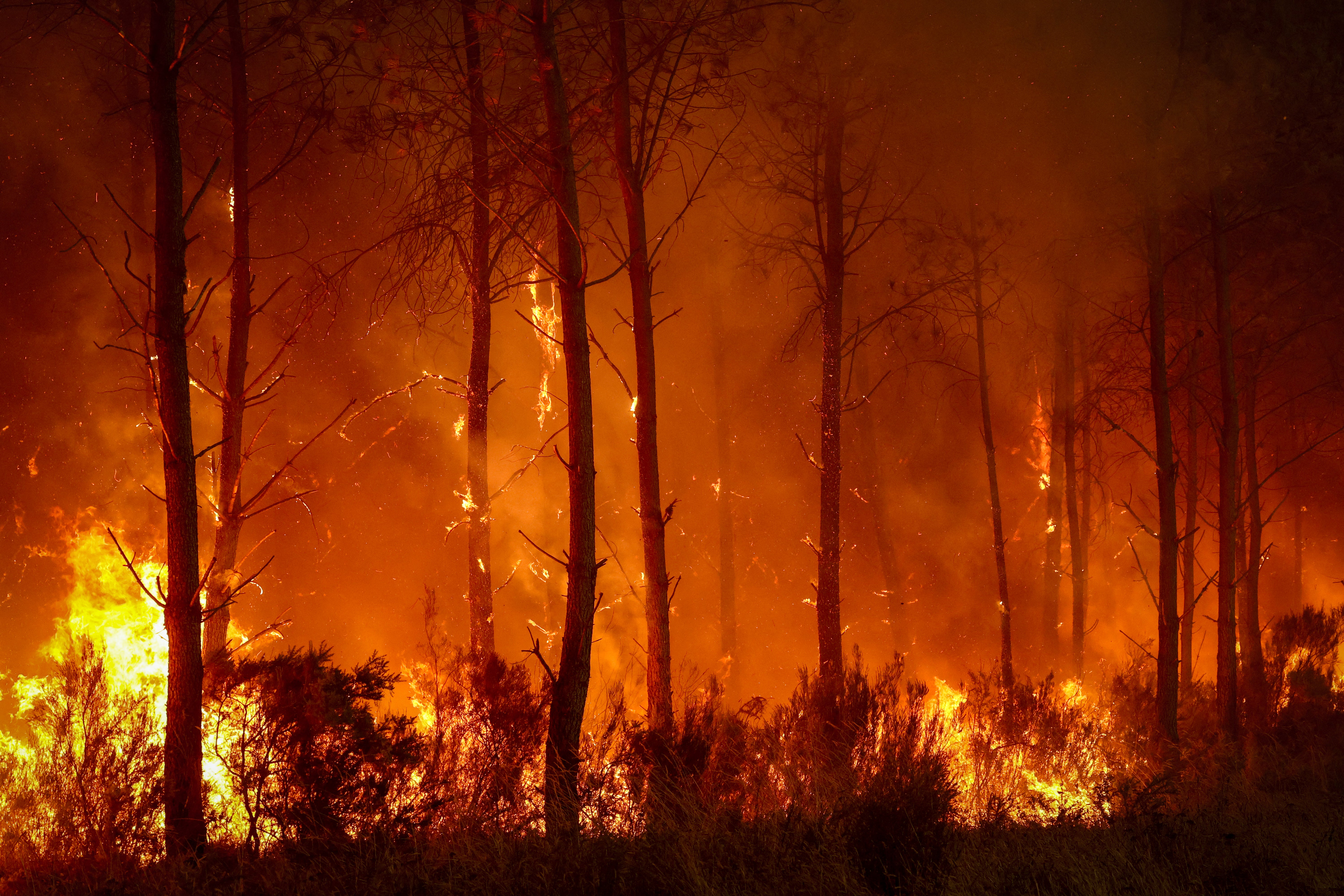
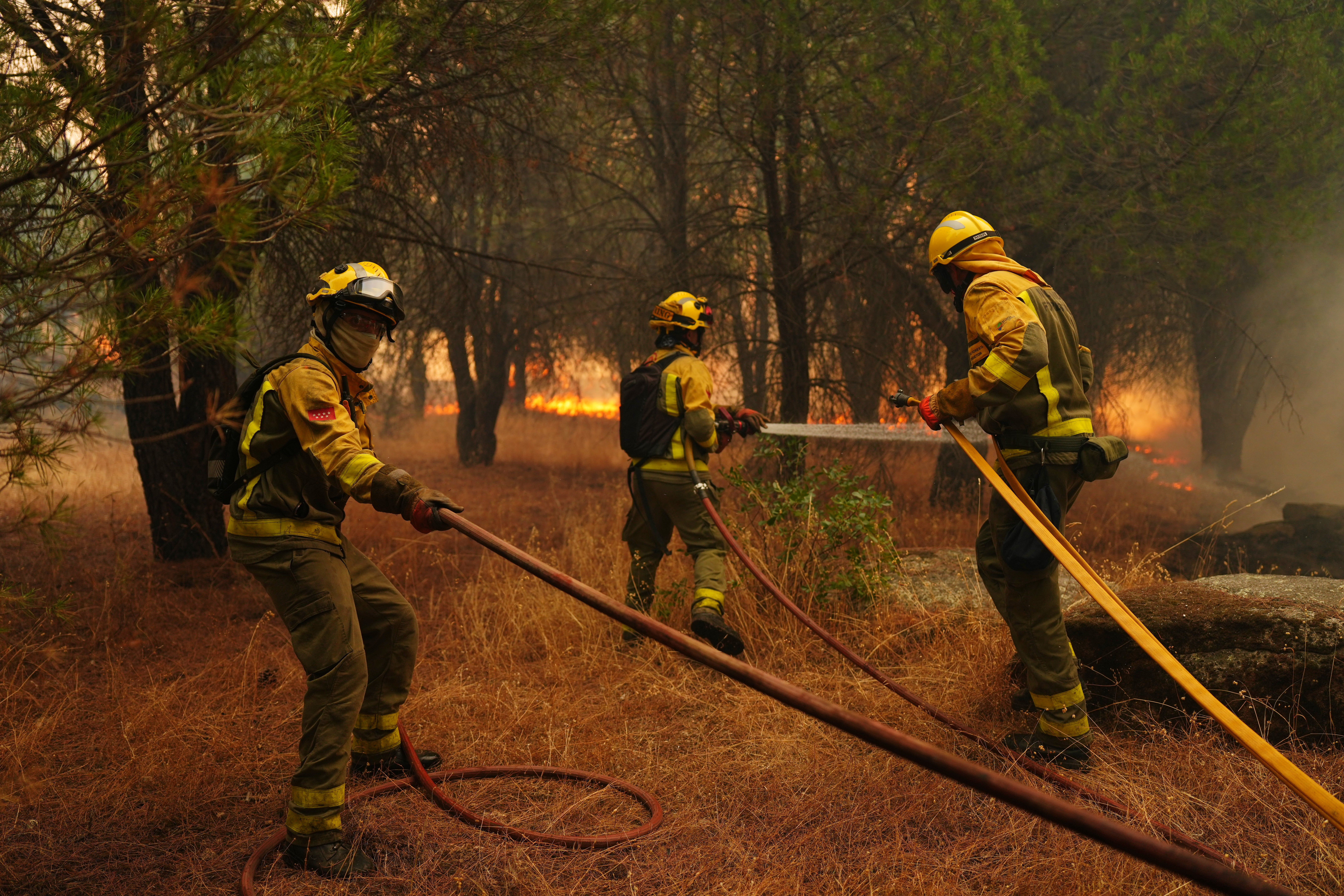
Францын баруун өмнөд нутгийн Жиронд бүс нутагт дэгдсэн түймрийг унтраахаар 2,500 гал сөнөөгч болон 1,500 цэргийн алба хаагч ажиллаж байна. Эрх баригчид түймрийн улмаас 250,000 гаруй хүнийг нүүлгэн шилжүүлж, уг гамшиг хэдэн долоо хоног, магадгүй хэдэн сар үргэлжилж болзошгүйг анхаарууллаа. Францад одоогоор 68 гал сөнөөгч бэртэж гэмтээд байна.
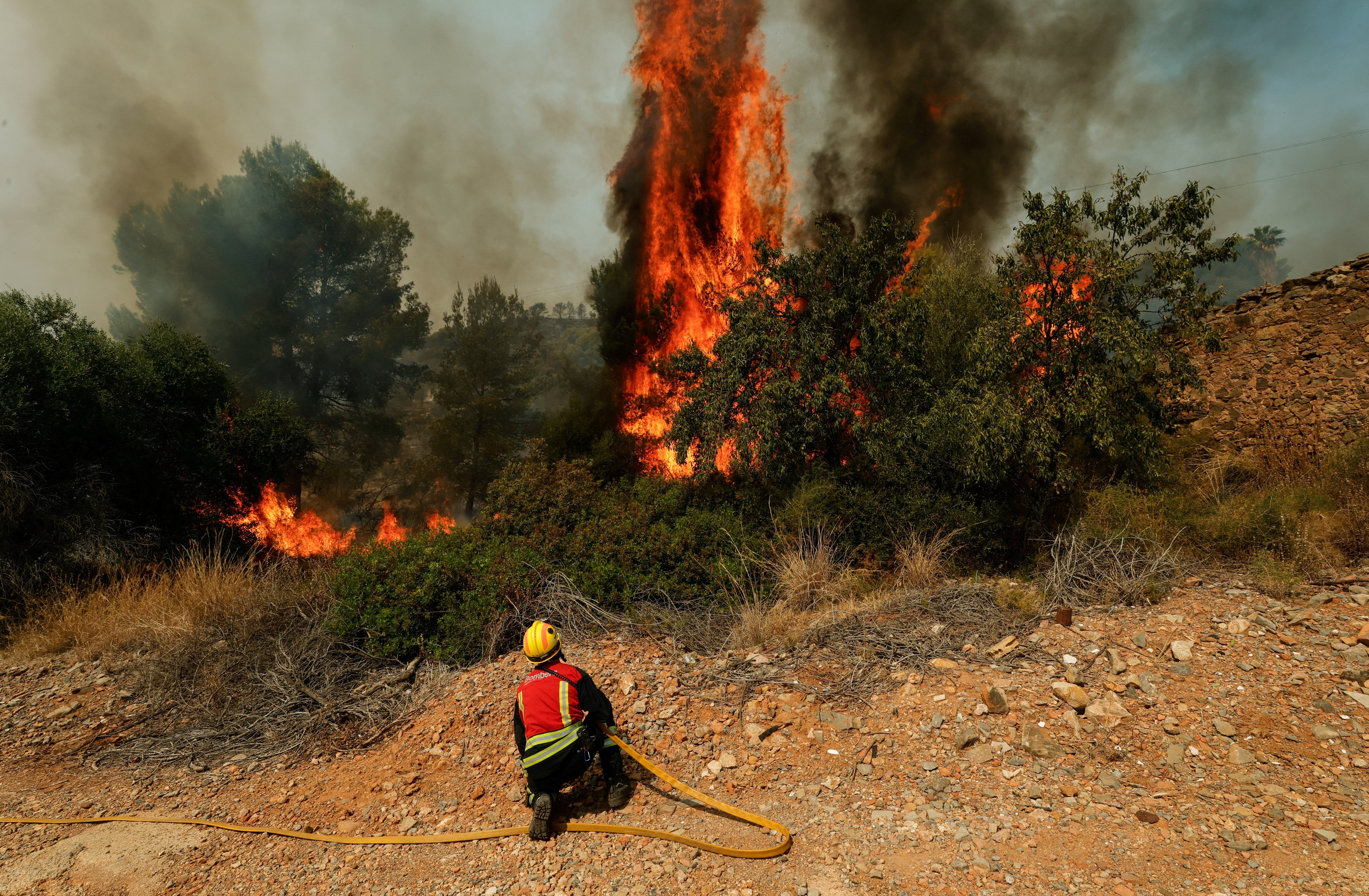
Испани улсад түймрийн улмаас үндэсний хэмжээний онц байдал зарлаад байна. Мадрид болон Авила орчимд гарсан түймэр хяналтаас гарсан тул гал унтраах албаныхны хүчин чадлаас давсан гэж албаныхан мэдэгджээ. Испанийн Ерөнхий сайд Педро Санчес энэ онд 130,000 га талбай түймэрт өртсөнийг тэмдэглэсэн нь сүүлийн арван жилийн дунджаас давсан үзүүлэлт юм.
Эрдэмтдийн зүгээс Европын бүс нутагт тохиолдож буй энэхүү эрс тэс үзэгдлүүд нь уур амьсгалын тогтолцооны тогтворгүй байдал нэмэгдэж байгаагийн шинж тэмдэг хэмээн дүгнэж байна. Түймрийн нөхцөл байдал ирэх мягмар гарагт агаарын температур нэмэгдэхтэй зэрэгцэн улам хүндрэх төлөвтэй байна.
Дэлгэрэнгүйг эх сурвалжаас харах
↓Эх сурвалжийг нээх ↓
A series of extreme weather events have battered Europe this summer, leading to vast contrasts in the weather across the continent.
In recent weeks, there has seen snow and severe flooding across Greece, while firefighters continue to battle raging wildfires in France and Spain.
In Greece, an atmospheric shift brought a rare dusting of late-July snow to Mount Olympus.
Athens saw torrential rain bring down utility lines and scaffolding, suspending operations of the capital’s suburban rail network.
.webp)
The effects of the rain saw 1,000 calls made to emergency services across the country.
Meanwhile, southwestern Europe remains locked in a relentless heatwave, with French and Spanish emergency crews fighting to contain fast-moving wildfires fed by bone-dry terrain and fierce winds.
In France, 2,500 firefighters and 1,500 military personnel have been deployed to the south as flames sweep through the south west region of Gironde, according to the country’s interior minister.
Over 250,000 people have been evacuated, as authorities warn that they could be fighting blazes near Bordeaux for “several weeks or even several months”.
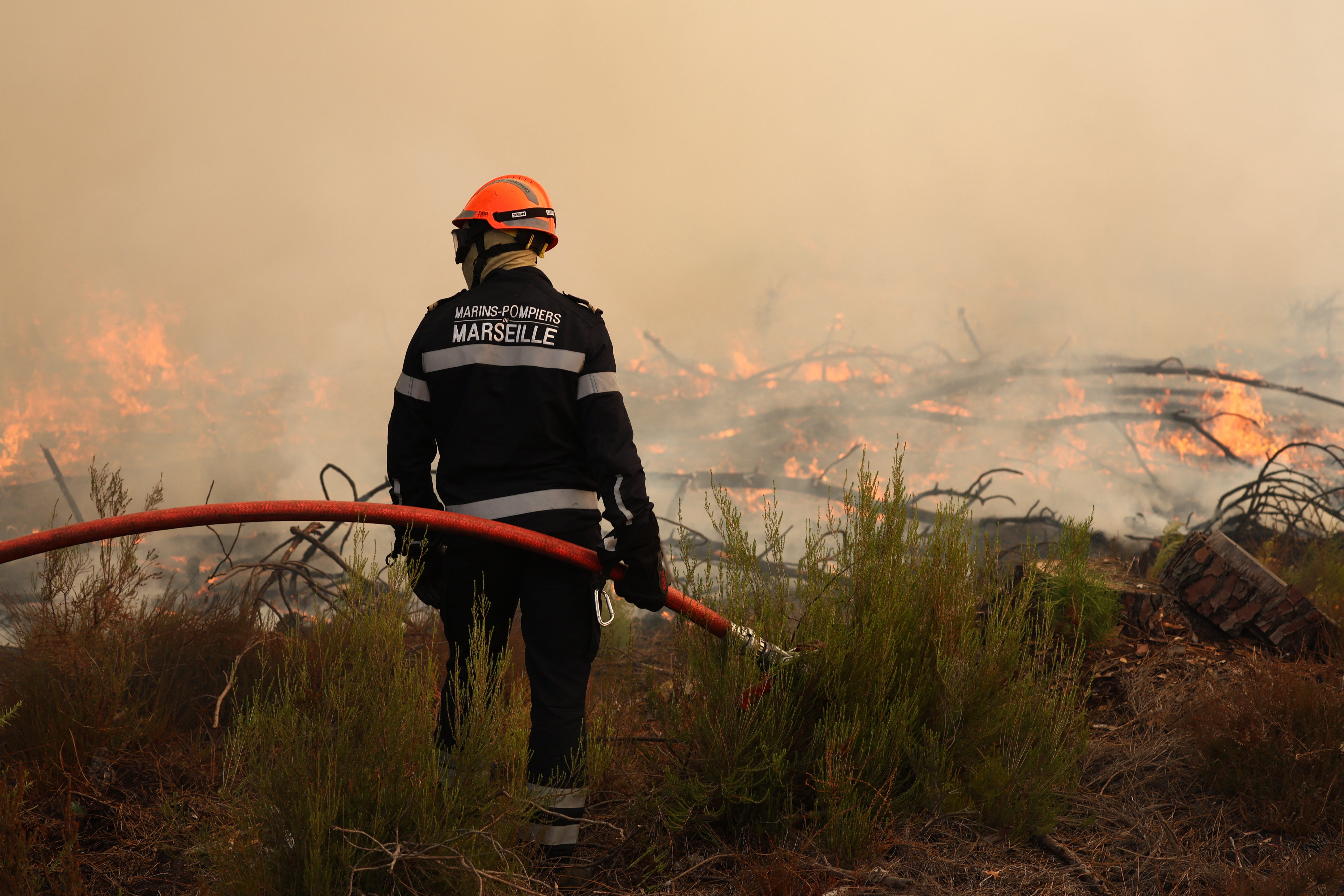
This comes after reports of France’s first “fire cloud” — an extreme weather event that sees the rapid, unpredictable acceleration of wildfires.
The situation is expected to worsen on Tuesday due to a rise in temperatures.
Across the border in Spain, the government has declared a national emergency, as huge fires hit the capital, Madrid, and the nearby province of Ávila, earlier last week.
Madrid’s regional president Isabel Díaz Ayuso said has said that it marked the “worst fire in the history of the region.”
Amid mass evacuation orders, the city’s emergency management chief, Carlos Novillo said on Friday that the fire was “currently beyond the capacity of firefighters to contain.”
130,000 hectares of land had been burned in Spain so far this year, according to Spanish Prime Minster, Pedro Sánchez.
This figure is ahead of the country’s annual average of 100,000 hectares scorched by wildfire over the last decade.
At least one man has been killed in Spain and dozens of others have been injured, including at least 68 firefighters in France.
Scientists warn these stark contrasts reflect an increasingly volatile climate system, driving extreme weather events across the continent.