
Боловсролын салбарт хиймэл оюун ухаан бүхий робот нэвтрүүлэх шийдвэр нь тухайн компанийн үйл ажиллагааны чиглэлтэй холбоотой шүүмжлэлд өртөж, албаны хүмүүс болон олон нийтийн эсэргүүцэлтэй тулгарчээ.
Нью-Йорк мужийн Саламанка хотын төв сургуулийн дүүрэг нь Realbotix компаниас 60 мянга орчим ам.долларын өртөгтэй “Sally” нэртэй роботыг худалдан авч, ахлах ангийн сурагчдад робот техник, технологийн чиглэлээр туслах хэрэгсэл болгон ашиглахаар төлөвлөж байв. Гэвч тус компани нь насанд хүрэгчдэд зориулсан хиймэл хүүхэлдэй үйлдвэрлэдэг байгууллагатай холбоотой нь илэрсний дараа багш нарын үйлдвэрчний эвлэл болон эцэг эхчүүдийн зүгээс хүчтэй эсэргүүцэл гарчээ. Нью-Йорк мужийн Багш нарын нэгдсэн эвлэлийн тэргүүн Мелинда Персон сургуулийн орчинд ийм төрлийн компанитай холбоотой технологи байх ёсгүй гэж үзэж буйгаа илэрхийлсэн байна.
Сургуулийн дүүргийн удирдлагууд “Sally” нь сургалтын үйл явцыг орлох бус, харин хичээлээс гадуурх туслах хэрэгсэл болохыг тайлбарлаж, тус компани нь боловсрол, эрүүл мэндийн чиглэлээр бие даан үйл ажиллагаа явуулдаг болохыг онцлов. Түүнчлэн, уг робот нь сурагчдын хувийн мэдээллийг цуглуулахгүй, интернэт ашиглахгүй, хяналттай контентоор программчлагдсан гэдгийг мэдэгдсэн юм. Гэсэн хэдий ч Мужийн боловсролын комиссар Бетти Роза сургуулийн дүүрэгт илгээсэн захидалдаа мэдээллийн аюулгүй байдал болон роботын үүргийн талаарх санаа зовнилоо илэрхийлж, уг төслийг түр хугацаагаар зогсоох шийдвэр гаргажээ.
Одоогийн байдлаар сургуулийн дүүрэг нь мужийн боловсролын байгууллагуудтай мэдээллийн нууцлалын гэрээг шинэчлэн боловсруулж, олон нийттэй харилцах ажлыг үргэлжлүүлж байна. Сургуулийн удирдлагууд алслагдсан бүс нутгийн сурагчдад орчин үеийн технологитой танилцах боломжийг бүрдүүлэх нь чухал гэж үзэж байгаа ч зарим иргэд технологиос илүүтэйгээр багш нарын оролцоо, хүний харилцааг нэмэгдүүлэх нь зүйтэй гэсэн байр суурьтай байна.
Дэлгэрэнгүйг эх сурвалжаас харах
↓Эх сурвалжийг нээх ↓
A rural upstate New York school district has halted plans to introduce an AI-powered humanoid robot into the classroom after state education officials, teachers and residents raised concerns over the maker’s ties to a company known for producing hyper-realistic sex bots.
The Salamanca City Central School District’s board had greenlit the nearly $60,000 acquisition of “Sally” from Realbotix, envisioning the stationary robot with long brown hair as a tool to enhance the education of high school students studying robotics and technology fields.
“Having a difficult time programming an Arduino board? Don’t even know what an Arduino board is? Ask Sally, and she can explain it,” Superintendent Mark Beehler, said Tuesday.
“The robot also provides opportunities for students to learn how the robot is maintained, how it is updated with new approved content, and how to troubleshoot issues.”
However, as news of the initiative spread through the small community on the Seneca Nation of Indians reservation, parents and teachers worried about how students’ personal information would be used. Unionized teachers took aim at Realbotix’s sex doll sister company, even as district officials and the company itself stressed the two manufacturers operate independently.
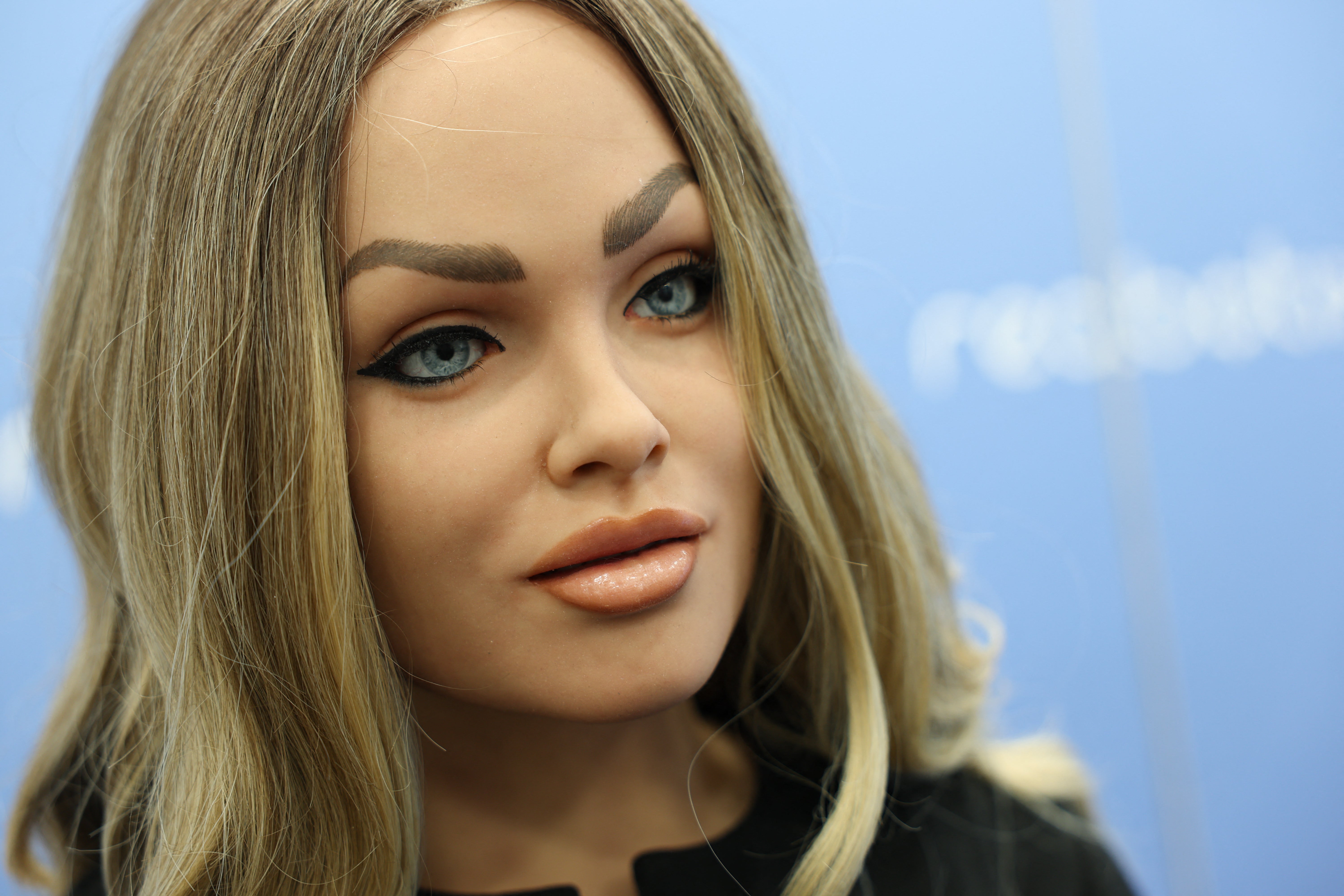
“A robot built by a company associated with sex dolls has no business in our classrooms,” said Melinda Person, president of the labor union New York State United Teachers.
For now, the robot pilot remains on hold as the district works through “enhanced student data privacy agreements” with the state education officials and continues outreach to the community, according to a statement the district posted Friday on its Facebook page.
State officials and teacher voice concerns
State Education Commissioner Betty Rosa said she remained concerned about the robot’s role in the classroom even after her staff met with district officials.
“Although you confirmed that the robot would not have any role delivering classroom instruction, a recent presentation to the board characterized the robot as a ‘tutoring platform,’ ” Rosa wrote in a letter to the district Friday.
She also echoed residents’ concerns about what data privacy and security protections would be in place.
Unionized teachers, meanwhile, suggested the effort was a first step toward replacing flesh-and-bone educators. “Sally” will be able to move her arms and hands but have nonworking legs.
“Our students don’t need robots,” Person said. “They need real relationships with caring adults.”
District officials defend robot purchase
Beehler stressed the pilot, which also includes rollout of a virtual, AI-powered teacher’s assistant and at-home tutoring program, is not about replacing staff.
“There is no possible way a robot can replace a human in a school,” he said Tuesday.
“Even if it were possible, it would in no way be in the best interest of students. Teaching is a human-to-human process.”
Beehler, who was connected to Realbotix through a former colleague, said the Las Vegas-based company was a natural fit because its robots are already programmed with WozEd, a curriculum from Apple co-founder Steve Wozniak that the district uses.
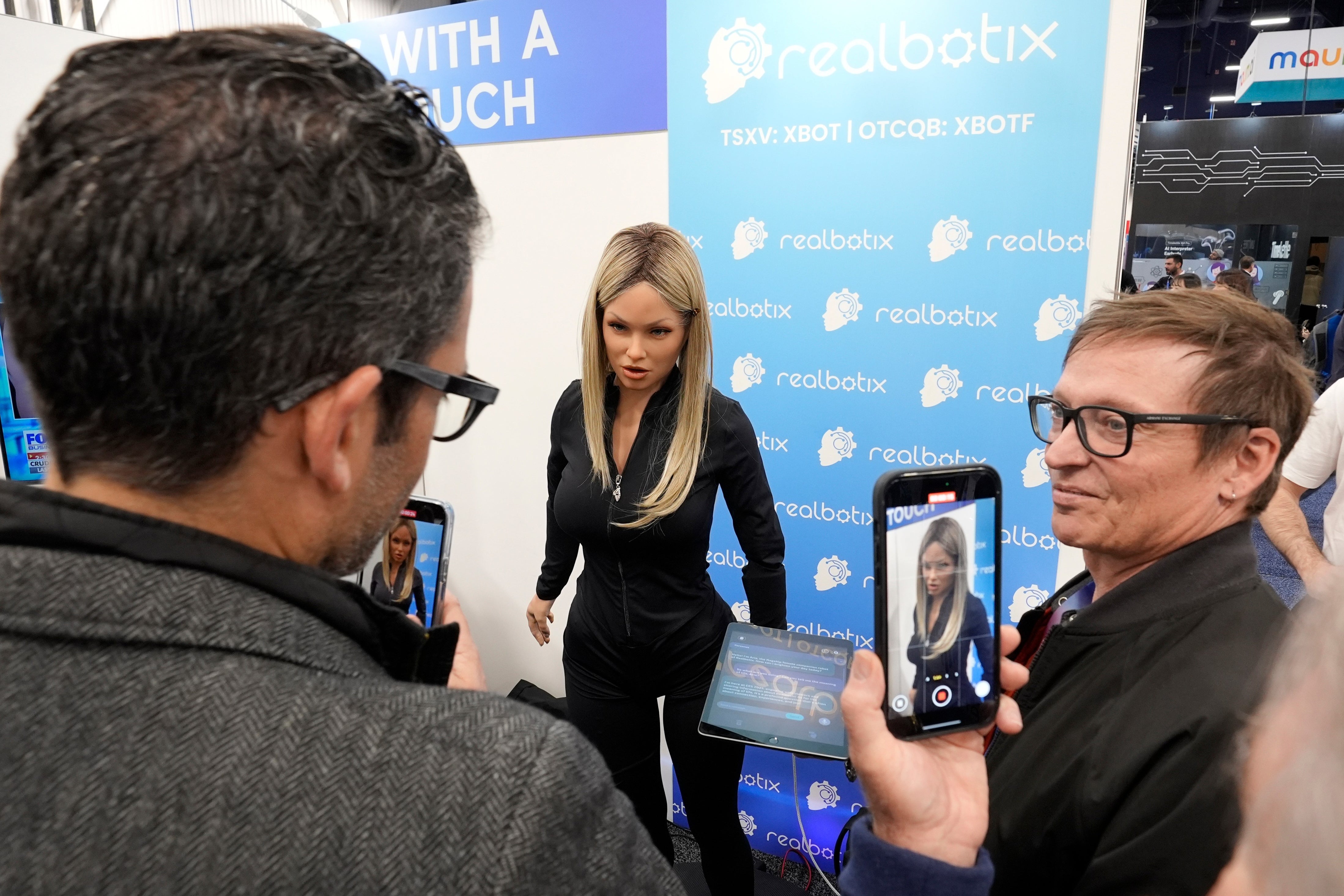
Last year, a San Diego charter school rolled out two AI-powered robots purchased from Engineered Arts, a robotics company based in the United Kingdom, for $500,000.
Salamanca Schools, in social media posts, stressed that “Sally” won’t be collecting students’ personal information, recording audio or video of its interactions or sending data back to Realbotix.
The robot also has been programmed to steer clear of inappropriate topics such as sex, violence and gambling, and it won’t be able to search the public internet or draw answers from unvetted generative AI services.
Instead, all information on “Sally” will be stored locally, with the life-sized robot consuming roughly the same amount of energy as a laptop, according to the district.
Robot maker responds to criticism
Realbotix added Tuesday that student authentication would be handled through the district’s existing systems, and any student-linked information would remain encrypted and under the district’s control.
The company also pushed back at suggestions that “Sally” was simply a repurposed sex doll, saying it was a “newly manufactured, purpose-built educational unit” with no modified or repurposed hardware.
The school’s robot comes from Realbotix LLC, which focuses on healthcare, education and other on-adult commercial applications. A sister company, Intima LLC, holds an ownership stake in RealDoll, a longtime maker of sex dolls, including a line of AI-powered models billed as the “world’s most advanced sex robot.”
“Realbotix LLC and Intima LLC have different product offerings with no crossover,” the company said in a statement last week. “The two subsidiaries maintain their own management, personnel, payroll, facilities, manufacturing operations, product development, and market strategies.”
Some residents remain wary
Beehler argued that it is crucial for isolated districts like Salamanca, which is located along the Allegheny River near the Pennsylvania state line, to find new ways to introduce cutting-edge products into classrooms.
“In most cases, our students need to travel 1-2 hours to have opportunities to see emergent technology,” he said Tuesday. “One of the intents of the robot is to help level the playing field and motivate students to continue studying robotics, AI, and STEAM-related career pathways.”
Some Salamanca residents, though, remain unconvinced.
Joplin Ficek, who graduated from Salamanca High School in 2024 and now works at a daycare, said she doesn’t see any reason to have robots or AI take such a prominent role at her alma mater at all.
“They just need to hire more people who are willing to put in the effort for the children,” Ficek said. “They need more interaction with the children than having some robot raise our kids.”

