АНУ-ын Холбооны Харилцаа Холбооны Хороо (FCC) үндэсний аюулгүй байдлыг хангах, технологийн нийлүүлэлтийн сүлжээг хамгаалах зорилгоор БНХАУ-ын үйлдвэрлэлийн робот болон цахилгаан хувиргагч (power inverter) төхөөрөмжийн импортыг хязгаарлахаар болжээ.
Мягмар гарагт зарлахаар төлөвлөж буй энэхүү шинэ журмын дагуу Хятадын шинэ төрлийн хүн дүрст болон дөрвөн хөлт роботууд, мөн сэргээгдэх эрчим хүчийг цахилгаан сүлжээ болон дата төвүүдтэй холбоход ашиглагддаг цахилгаан хувиргагчдыг АНУ-д нэвтрүүлэхийг хориглох юм. Энэхүү арга хэмжээ нь хиймэл оюун ухааны салбарын дэд бүтцийг гадны кибер халдлага, мэдээлэл хулгайлах эрсдэлээс хамгаалах, дотоодын үйлдвэрлэлийг дэмжих зорилготой гэж АНУ-ын албаны эх сурвалжууд мэдэгдэв.
Хязгаарлалт нь одоогоор худалдаанд гараагүй байгаа шинэ загварын төхөөрөмжүүдэд хамаарах бөгөөд эрх бүхий байгууллага шаардлагатай тохиолдолд өмнө нь зөвшөөрөл олгосон загваруудын эрхийг цуцлах эрхтэй байна. Энэхүү шийдвэр нь дэлхийн зах зээлийн томоохон хувийг эзэлдэг Unitree зэрэг Хятадын компаниудад шууд нөлөөлөх төлөвтэй байна. Unitree компани нь саяхан Пентагоны “Хятадын цэргийн дэмжлэгтэй компаниудын жагсаалт”-д багтсан бөгөөд тус компани нь Nvidia-ийн Blackwell чипийг роботууддаа ашиглахаар хамтран ажиллаж байгаа юм.
АНУ-ын эрх баригчид Хятадын технологийн хамаарлыг багасгах, ялангуяа ховор элементийн нийлүүлэлт болон дэд бүтцийн чухал бүрэлдэхүүн хэсгүүдэд учирч болох эрсдэлийг бууруулахыг зорьж байна. Өмнө нь АНУ-ын Батлан хамгаалах яам Хятадын үйлдвэрлэлийн нарны эрчим хүчний эд анги, хувиргагчдыг худалдан авахыг хориглосон байсан бол одоо FCC-ийн энэхүү арга хэмжээ нь хяналтыг улам чангатгаж байна. БНХАУ-ын Элчин сайдын яам болон холбогдох компаниуд одоогоор энэ асуудалд албан ёсны тайлбар өгөөгүй байна.
Дэлгэрэнгүйг эх сурвалжаас харах
↓Эх сурвалжийг нээх ↓
<![CDATA[{"className":"sc-1ge0fwe-0","newsletterData":{"pianoFieldName":"receiveInsideWashingtonNews","regTitle":"Inside Washington","subscriptionGroup":"inside_washington","subscriptionGroupId":"af764e04-87eb-45e6-a84b-a7455ba70a1e","type":"inside_washington","pathPrefix":"/news/world/americas/us-politics","associatedAuthors":["Eric Garcia","John Bowden"],"title":"Sign up for the daily Inside Washington email for exclusive US coverage and analysis sent to your inbox","mobileTitle":"Get our free Inside Washington email","imageSrc":"https://static.independent.co.uk/static-assets/images/newsletters/insideWashington1_1.png","label":"I would like to receive morning headlines Monday – Friday plus breaking news alerts by email“,”newsletterKey”:”receiveInsideWashington”,”regSourceSection”:”US politics”,”regSourceNewsletter”:”NSC”},”isClimate”:false}]]>
The Donald Trump administration is poised to announce import bans on new Chinese robots and power inverters in a move that aims to shield the nation’s artificial intelligence expansion from security threats and repatriate vital industries earmarked for significant growth.
The Federal Communications Commission is expected to announce the measures Tuesday afternoon. The restrictions will prohibit Chinese imports of new humanoid and quadruped robots, as well as connected power inverters, which are vital components enabling renewable energy sources and batteries to link with grids and data center infrastructure, sources indicated.
These impending restrictions, previously unreported, underscore the Trump administration’s intent to fortify the U.S. artificial intelligence supply chain against potential Chinese disruptions, data theft, and cyberattacks. Concurrently, the policy aims to incentivize companies to shift manufacturing operations back to the United States.
cookie.trim() === ‘__DEBUG__=true’)) { console.log(‘Ad logs: “mpu1”, injectedAtParagraph: 3’); }]]>
An administration official, who requested anonymity due to the sensitive nature of the matter, stated, “The President has made clear that the United States must have independent and secure supply chains for critical and emerging technologies like robotic devices and power inverters.”
The official added, “Economic security is national security, and the Trump administration continues to implement a nuanced and multi-faceted policy agenda to reindustrialize America.” The Chinese embassy in Washington did not immediately respond to a request for comment.
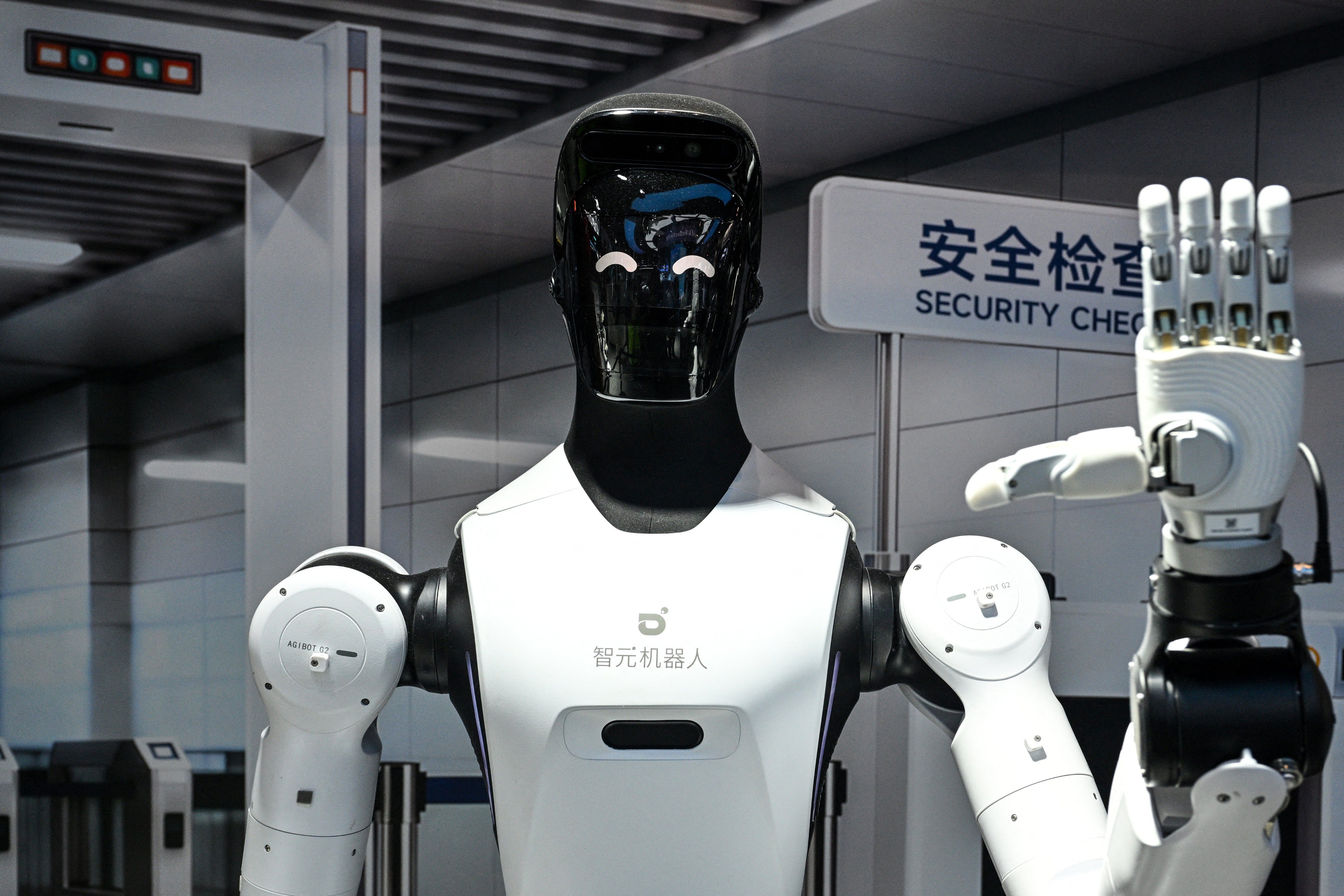
Analysts predict widespread adoption of humanoid robots, equipped with AI-powered “brains,” across consumer and industrial sectors. Meanwhile, the explosive growth of data centers in the U.S. will heavily rely on dependable sources of inverters. Treasury Secretary Scott Bessent has previously warned that Chinese AI firms could face U.S. sanctions for intellectual property theft.
cookie.trim() === ‘__DEBUG__=true’)) { console.log(‘Ad logs: “taboola-carousel-thumbnails”, injectedAtParagraph: 6’); }]]>
U.S. officials are also keen to prevent a repeat of the situation with rare earth minerals – essential inputs for tech manufacturing so dominated by China that Beijing has leveraged its control for significant international gains.
As part of the measures slated for Tuesday’s announcement, the FCC will ban foreign imports of new models of the targeted technologies. It is then anticipated to exempt many non-Chinese suppliers from these restrictions, mirroring its approach with recent bans on foreign drones and routers, according to four additional sources.
cookie.trim() === ‘__DEBUG__=true’)) { console.log(‘Ad logs: “mpu2”, injectedAtParagraph: 8’); }]]>
These restrictions, effective upon publication, will apply exclusively to robot and inverter models not yet released, another U.S. official clarified. However, the FCC retains the authority to revoke authorizations for models already approved for purchase in the United States.
President Donald Trump is credited with elevating international awareness of the tech threat posed by China during his first term, vocalizing concerns about intellectual property theft by Chinese firms and the risk of state-sponsored espionage by telecom giants like Huawei. However, his second term has seen a more measured approach, particularly in response to Beijing’s aggressive use of export controls on rare earth minerals last year.
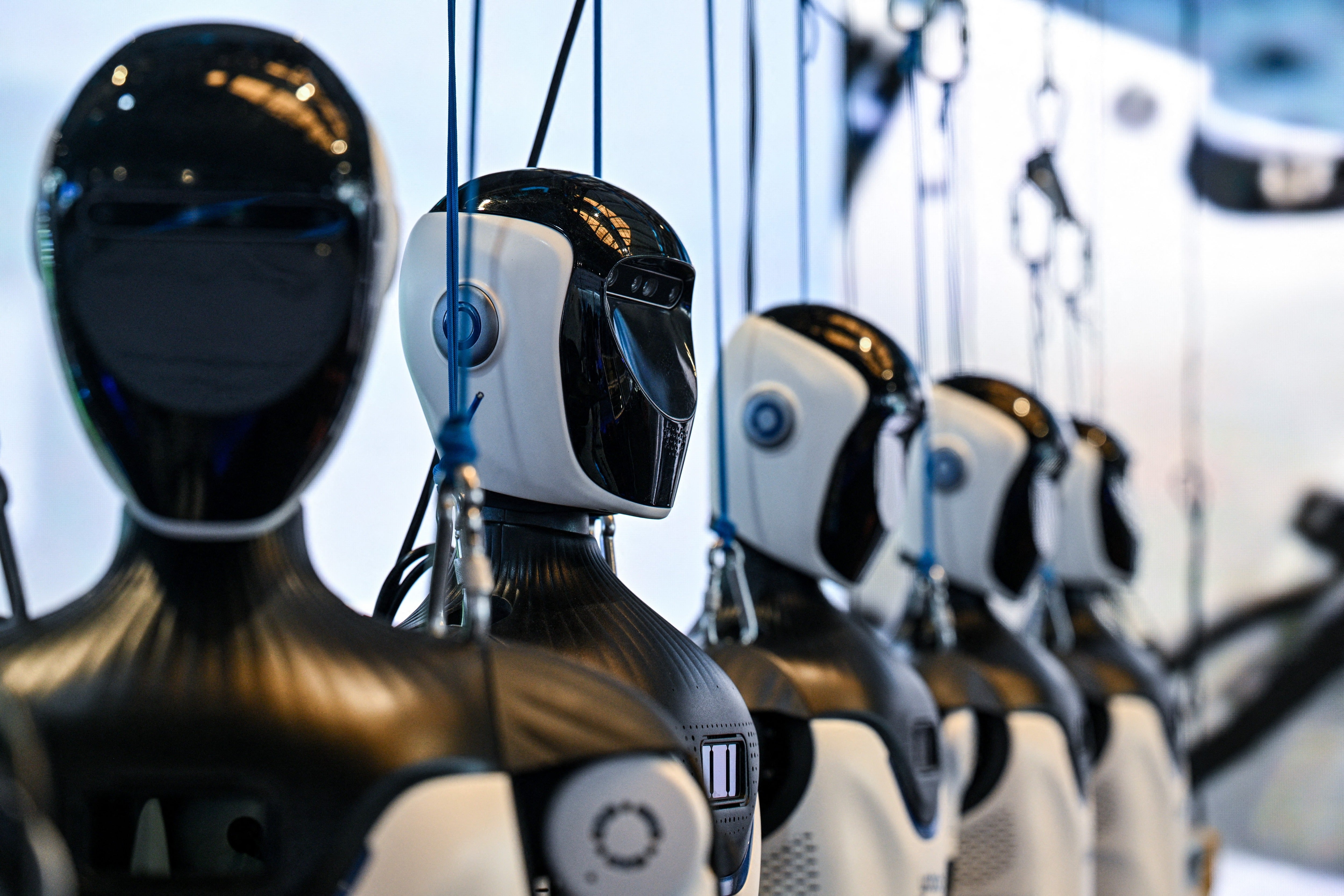
The robot ban is expected to significantly impact Unitree, a global leader in humanoid robots holding nearly a fifth of the world market share, according to Counterpoint Research. Unitree, one of three Chinese companies dominating this nascent industry, was recently added to the Pentagon’s list of alleged Chinese military-backed companies, often a precursor to tougher U.S. action.
cookie.trim() === ‘__DEBUG__=true’)) { console.log(‘Ad logs: “mpu3”, injectedAtParagraph: 11’); }]]>
Unitree recently partnered with Nvidia to integrate the AI chip company’s cutting-edge Blackwell chip into its robots. Nvidia has affirmed that data from these robots will remain in the U.S. and that Unitree’s primary customers are U.S. academic and research institutions. China hawks, however, fear these robots could spy on critical U.S. industries, exfiltrating data to Beijing or disrupting essential functions.
China is the world’s largest producer of inverters, with Sungrow Power Supply and Huawei leading the market. Huawei is already heavily sanctioned by the U.S. Beijing has been expanding its share in the Western inverter market by driving down prices. Reuters previously reported on the FCC’s work towards a Chinese inverter ban, influenced by recent European actions and concerns over disruption and malware installation.
Authorities aim to avert another Chinese government-linked hacking campaign, such as the “Volt Typhoon” operation revealed in 2023, which sought to control privately owned routers to conceal subsequent attacks on American critical infrastructure. The U.S. Department of Defense is already prohibited from procuring solar photovoltaic cells, modules, or inverters manufactured by a foreign entity of concern, a category that includes Chinese companies.
Unitree, Sungrow, and Huawei did not immediately respond to requests for comment.

