
АНУ-ын Канзас мужид газрын гүнд цөмийн реактор байрлуулах туршилтын төсөл орон нутгийн иргэдийн дунд хоёр талт байр суурийг үүсгээд байна.
Калифорнид төвтэй “Deep Fission” стартап компани газрын гадаргаас нэг милийн гүнд цөмийн реактор байрлуулж, цахилгаан эрчим хүч гарган авах төслийг танилцуулжээ. Өнгөрсөн нэг жилийн хугацаанд 150 сая ам.долларын хөрөнгө босгосны 40 сая ам.долларыг Канзас мужийн Парсонс хотод хийгдэх ажилд зарцуулахаар төлөвлөсөн байна. Уг төсөл амжилттай болбол 2027-2028 оны хооронд цахилгаан үйлдвэрлэж эхлэх бөгөөд нэг реактор нь 12,000 орчим өрхийг эрчим хүчээр хангах хүчин чадалтай байх аж.
Төсөл хэрэгжүүлэгчдийн зүгээс газрын гүн дэх даралт болон чулуулгийн давхаргыг ашигласнаар уламжлалт цөмийн станцын өндөр өртөгтэй аюулгүй байдлын байгууламжуудыг орлох боломжтой гэж үзэж байна. Гэвч орон нутгийн иргэд болон байгаль орчныг хамгаалах бүлгүүд энэхүү туршилт нь усны эх үүсвэрт сөргөөр нөлөөлөх, байгаль орчны эрсдэл дагуулах магадлалтай хэмээн болгоомжилж байна.
АНУ-ын эрх баригчид цөмийн эрчим хүчний үйлдвэрлэлийг 2050 он гэхэд дөрөв дахин нэмэгдүүлэх зорилт тавин, салбарын зохицуулалтыг хялбарчлах болон санхүүгийн дэмжлэг үзүүлэх бодлого баримталж байна. Гэсэн хэдий ч муж улсуудын прокуроруудын нэгдэл эрчим хүчний яамны шинэ журмыг эсэргүүцэж, хүрээлэн буй орчинд үзүүлэх нөлөөллийн үнэлгээг алгасаж байгаа нь аюулгүй байдлын стандартыг сулруулж байна хэмээн шүүмжилжээ. Зарим нутгийн оршин суугчид уг төслийг ажлын байр нэмэгдүүлэх, эдийн засгийн боломж гэж харж байгаа бол эсэргүүцэгчид нь үүнийг хангалттай судалгаагүй “цөмийн туршилт” хэмээн үзэж байна.
Дэлгэрэнгүйг эх сурвалжаас харах
↓Эх сурвалжийг нээх ↓
<![CDATA[{"className":"sc-1ge0fwe-0","newsletterData":{"pianoFieldName":"receiveEveningHeadlinesUSNews","regTitle":"Evening Headlines","subscriptionGroup":"us_evening_headlines","subscriptionGroupId":"4326e634-422a-4447-8e1e-604a937cd3b5","type":"daily_news","pathPrefix":["/us","/news/world/americas","/news/world/americas/crime"],"title":"The latest headlines from our reporters across the US sent straight to your inbox each weekday","mobileTitle":"Your briefing on the latest headlines from across the US","imageSrc":"https://static.independent.co.uk/static-assets/images/newsletters/usEveningHeadlines1_1.png","label":"I would like to receive morning headlines Monday – Friday plus breaking news alerts by email“,”newsletterKey”:”receiveEveningHeadlines”,”regSourceSection”:”Americas”,”regSourceNewsletter”:”NSC”},”isClimate”:false}]]>
A pilot project to bury a nuclear reactor one mile underneath a town in Kansas has split the opinion of local residents, with some fearing the environmental impacts while others hope it will create economic opportunities.
The so-called Gravity Reactor is being proposed by Deep Fissure, a California-based start-up from a father-daughter duo, Liz Muller and Richard Muller, emeritus professor of physics at University of California, and an inventor.
It will be the first time a commercial nuclear reactor operates underground.
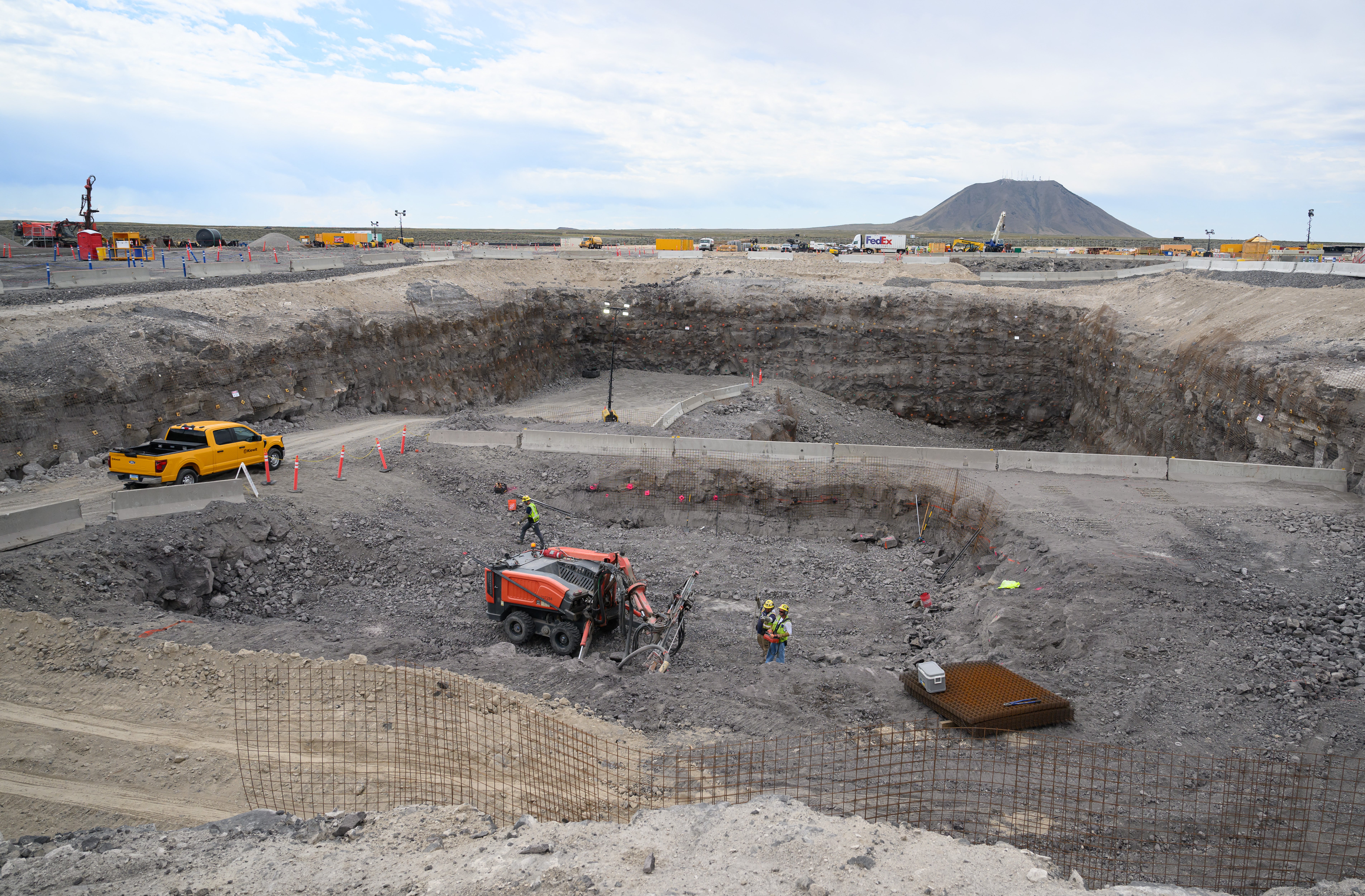
The startup has raised around $150 million in the past year, with $40 million of that going to fund the work in Parsons, a rural town in Kansas with a population of 9,600.
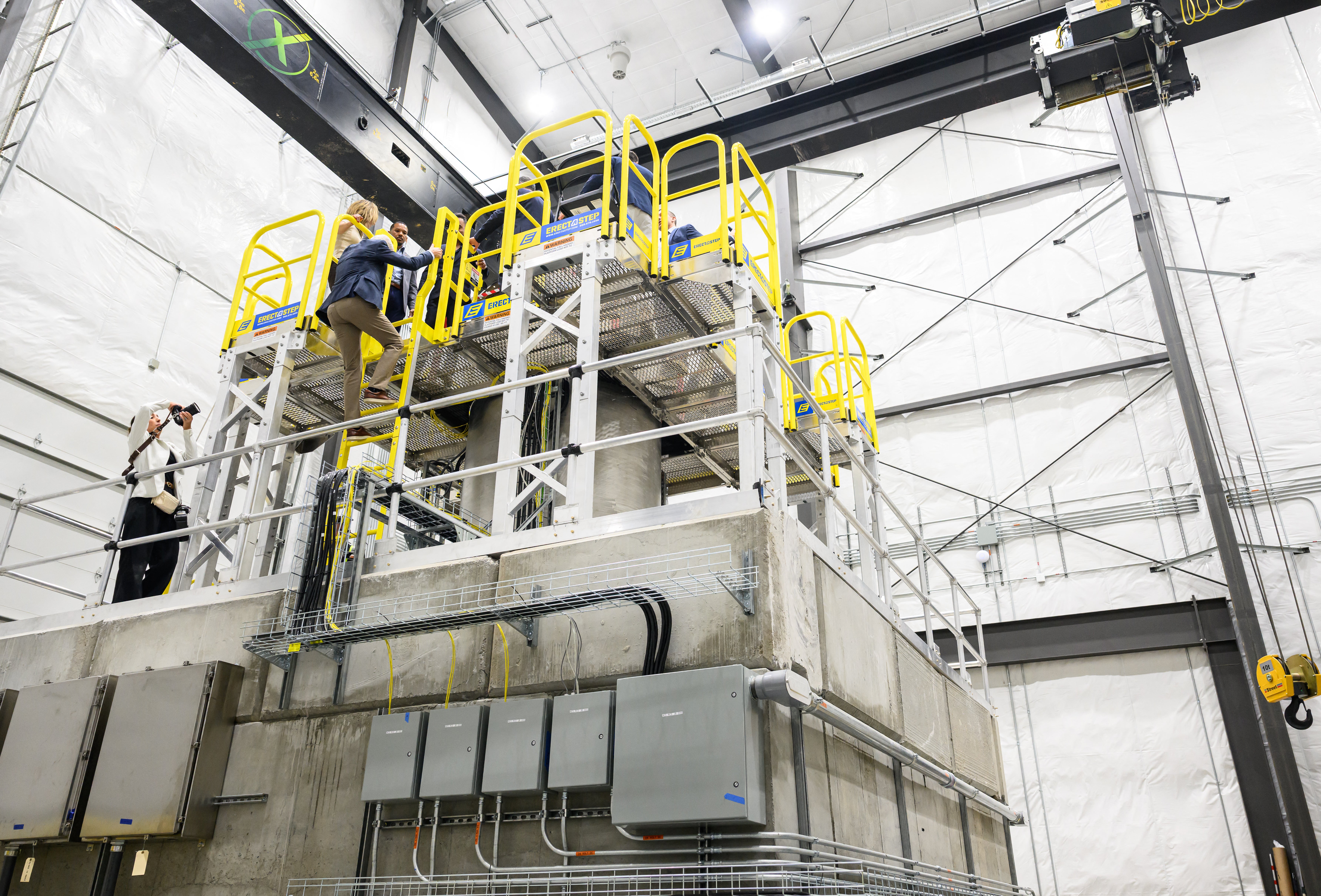
So far Deep Fissure has drilled one test hole with a second due to be completed this year, and a full-scale prototype canister intended to test installation procedures.
Their plan is to send the canister loaded with nuclear fuel into a third hole to heat water a mile underground and generate electricity on the surface in 2027 or 2028.
cookie.trim() === ‘__DEBUG__=true’)) { console.log(‘Ad logs: “mpu1”, injectedAtParagraph: 5’); }]]>
But some people in Parsons are worried about the short time frame by industry standards and the impact on the environment and their water supply.
cookie.trim() === ‘__DEBUG__=true’)) { console.log(‘Ad logs: “taboola-carousel-thumbnails”, injectedAtParagraph: 6’); }]]>
Each reactor would generate 15 megawatts of electricity from inside a 30-inch borehole, enough to power 12,000 homes. But Muller wants 100 or more reactors, providing more than a gigawatt – which would be enough for a data centre.
The design relies on established pressurised water reactor technology, but with the reactor one mile underground, Deep Fissure says it could remove some of the most expensive parts of conventional nuclear plants, as rock and water pressure could replace some costly safety structures, such as cooling and containment.
cookie.trim() === ‘__DEBUG__=true’)) { console.log(‘Ad logs: “mpu2”, injectedAtParagraph: 8’); }]]>
Nuclear only generates about a fifth of US electricity, but the Trump administration is seeking to kickstart a “nuclear renaissance,” aiming to quadruple America’s nuclear-power generation by 2050. It comes amid skyrocketing demand for electricity, mainly driven by data centres for AI.
The government is helping boost the industry by simplifying regulations and offering billions of dollars in loans and fuel supply-chain investments.
The project is one of 11 in an Energy Department (DOE) pilot programme designed to build and test small, advanced reactors paving the way for commercial use. Companies can fast-track procedures for environmental reviews.
cookie.trim() === ‘__DEBUG__=true’)) { console.log(‘Ad logs: “mpu3”, injectedAtParagraph: 11’); }]]>
“It’s allowing us to develop a first reactor within a time frame that had been unthinkable previously,” Liz Muller, Deep Fission’s chief executive, told The Wall Street Journal.
But local advocacy groups and nuclear watchdogs are strongly opposing Deep Fission’s plan to build the experimental nuclear reactor, and say the Trump administration is moving too fast.
Earlier this year, a coalition of state attorneys general challenged the DOE’s new categorical exclusion for advanced nuclear reactors, arguing it bypasses environmental review and weakens safety and public protections.
“It’s simply unacceptable to even consider exempting Deep Fission from a peer-reviewed environmental impact statement on the generation of high-level nuclear waste under Parsons,” said Paul Gunter with Beyond Nuclear, a group that opposes nuclear power and weapons, in an interview with WSJ.
The WSJ reported that the Energy Department said the administration remains focused on safety and security.
“This is a nuclear experiment,” said Marjorie Reynolds, a pediatric nurse and founder of a nonprofit, the Prairie Dog Alliance, which opposes the project. She is concerned about environmental oversight and risks to water.
Muller says that Deep Fission’s reactor is too deep to affect aquifers – underground water-bearing permeable rock – and that it will follow all nuclear and oil-and-gas regulations, reports WSJ.
However there are some residents who see this as an economic opportunity for Parsons.
Robert Spinks, the town’s police chief, told WSJ: “It’s a proven technology, just in a new application. And if that is a trigger which draws in other manufacturing and brings in living-wage jobs, I think that’s a win.”

