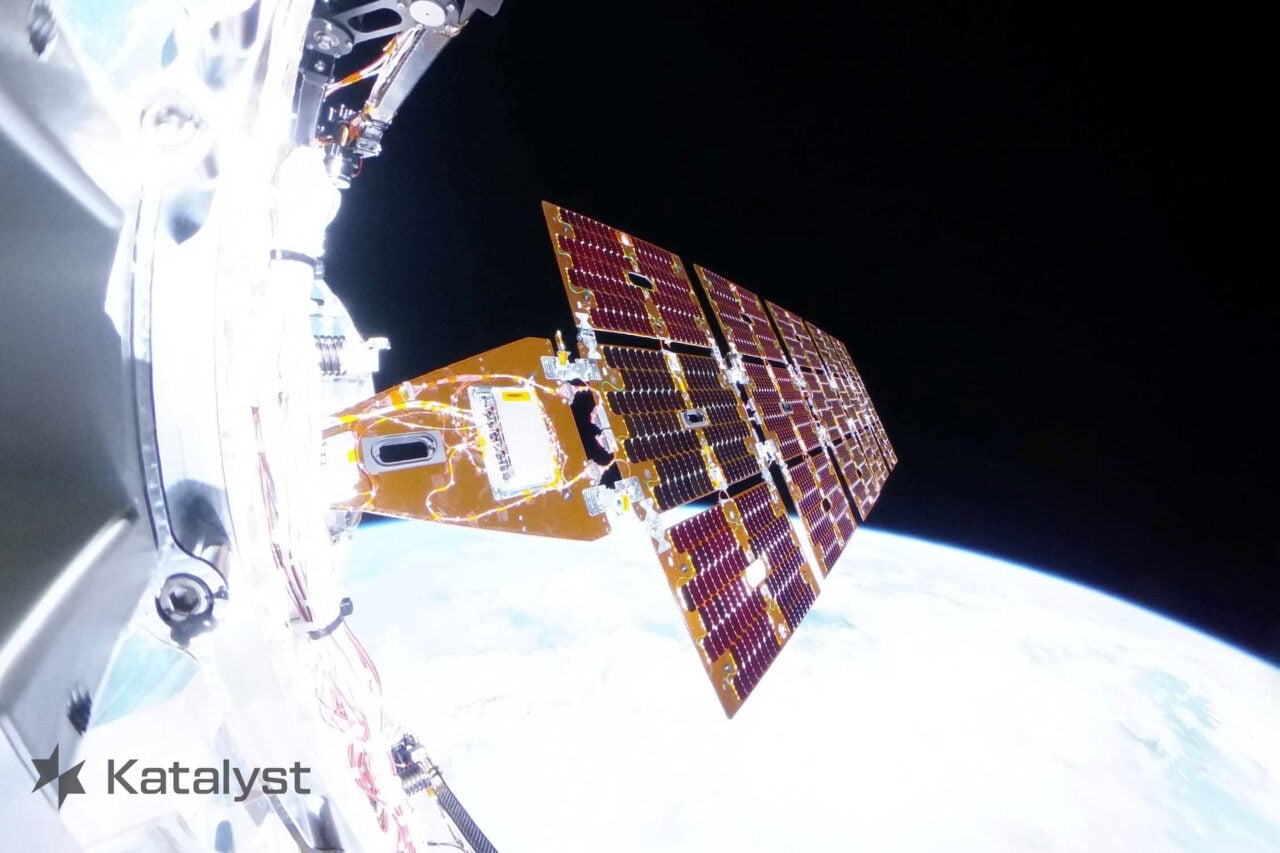
Хөөргөсөн LINK хөлөгт техникийн доголдол үүссэний улмаас Нил Гехрелс Свифт одон орон судлалын станцыг аврах төлөвлөгөө тодорхойгүй боллоо.
NASA-гийн “Нил Гехрелс Свифт” (Neil Gehrels Swift) дуранг тойрог замд нь тогтоон барих зорилготой “LINK” хөлөг сансарт гарснаасаа хойш техникийн хүндрэлтэй тулгарчээ. Katalyst Space Technologies компанийн бүтээсэн уг хөлөг тойрог замд эргэлдэх болж, улмаар харилцаа холбоо нь тасалдах зэрэг асуудал үүсээд байна. Энэ сарын эхээр хөөргөсөн уг хөлгийг аврах ажиллагааны багийнхан одоогоор хөлгийн удирдлагыг сэргээхээр ажиллаж байна.
LINK хөлгийг 7-р сарын 3-нд Lockheed L-1011 онгоц ашиглан 12.2 км-ийн өндрөөс Northrop Grumman Pegasus XL пуужингаар хөөргөсөн юм. Анхны туршилтаар хөлгийн гурван реакцийн дугуйн (reaction wheel) нэгэнд асуудал гарч байсныг программ хангамжийн шинэчлэлээр засварласан боловч, сүүлийн үеийн мэдээллээр хоёр дугуй нь ажиллагаагүй болж, хийн түлхэгч системд ч доголдол илэрчээ.
Нил Гехрелс Свифт дуран нь 2004 оны 11-р сарын 20-нд сансарт гарч, сансрын хүчирхэг дэлбэрэлт болох гамма туяаны тэсрэлтийг судалж ирсэн юм. Гэвч агаар мандлын нөлөөгөөр өндрөө алдаж буй тус дуран 2026 оны дунд үе гэхэд хяналтгүйгээр агаар мандалд орж шатах эрсдэлтэй болоод байна. NASA уг эрсдэлийг бууруулахын тулд энэ оны эхээр Свифт дурангийн шинжлэх ухааны бүх үйл ажиллагааг түр зогсоосон билээ.
Katalyst компанийн баг одоогоор LINK хөлөгтэй холбоотой хэвээр байгаа бөгөөд цахилгаан хөдөлгүүрээ ашиглан хөлгийн эргэлтийг зогсоохыг оролдож байна. Мөн хөлгийн удирдлага, чиглүүлэлтийн системийг шинэ нөхцөл байдалд тохируулан өөрчлөхөөр төлөвлөж байна. Үүний дараа NASA-тай хамтран Свифт дуранг аврах ажиллагааг үргэлжлүүлэх эсэхээ шийдвэрлэх юм.
Дэлгэрэнгүйг эх сурвалжаас харах
Эх сурвалжийг нээх ↓
Earlier this month, NASA sent a servicing mission to stop one of its satellites from falling out of the sky. The satellite in distress is awaiting a slight nudge to move it into a safer orbit, but its long-awaited rescue is currently in jeopardy.
The servicing spacecraft, developed by contractor Katalyst Space Technologies, experienced issues with attitude control over the weekend, NASA shared in an update. This has caused the spacecraft, dubbed LINK, to spin while in orbit and resulted in sporadic communications.
The team behind the mission is currently working to stop LINK’s unfortunate orbital tumble and reestablish a stable attitude.
Fix your attitude
The three-armed LINK spacecraft took off on July 3 onboard a converted Lockheed L-1011 aircraft from Kwajalein Atoll in the South Pacific. LINK was then launched into space from an altitude of 7.6 miles (12.2 kilometers) using a Northrop Grumman Pegasus XL rocket.
Things were looking good at first as Katalyst deployed LINK’s solar arrays and established communications with its spacecraft. There were, however, some earlier concerns regarding one of the spacecraft’s three reaction wheels.
Reaction wheels control a spacecraft’s orientation and stabilize its rotation using electric motors to discharge momentum. “The Katalyst team also quickly addressed early communications and attitude control issues seen during flight operations, including an issue with one of the spacecraft’s three reaction wheels,” NASA wrote in an update on July 15. “After identifying the cause, they implemented flight software patches and operational updates that restored reliable communications and stable attitude control.”
As the spacecraft’s commissioning process continued, however, it looks as though the rotation wheel failure persisted. “Preliminary investigation shows that two of LINK’s three reaction wheels currently are not operable, and there is some loss of functionality in its cold gas thruster system,” NASA’s latest update read.
To the rescue
NASA is attempting to use LINK to try and boost the sinking Neil Gehrels Swift Observatory. Swift launched toward low-Earth orbit on November 20, 2004, to study the most powerful explosions in the cosmos: gamma-ray bursts. Over the course of its mission, Swift gradually lost altitude due to atmospheric drag and has a 50% chance of an uncontrolled reentry by mid-2026.
Earlier this year, NASAsuspended all scientific activity onboard its Neil Gehrels Swift Observatory in the hopes of buying it more time until LINK is able to rendezvous with the aging satellite.
The LINK spacecraft is designed to rendezvous with Swift and nudge the spacecraft to a more stable orbit. In doing so, NASA is hoping to avoid Swift being dragged down low enough to hit Earth’s atmosphere and burn up on reentry, thereby extending its lifespan.
The Katalyst team is still in contact with LINK and working to use the spacecraft’s electric propulsion thrusters to stop it from spinning. The team is also planning to update LINK’s guidance, navigation, and control to accommodate the spacecraft’s new configuration.
From there, the Katalyst team, working closely with NASA, will evaluate revised plans to approach and capture Swift depending on LINK’s health and whether it’s safe to follow through with the rescue mission.