.jpg?width=1200&auto=webp&trim=0%2C0%2C1%2C0 "БНХАУ-ын цэргийнхэн АНУ-ын хиймэл оюун ухааны загваруудыг ашиглаж байна")
БНХАУ-ын цэргийн судалгааны байгууллагууд АНУ-ын дэвшилтэт хиймэл оюун ухааны (AI) загваруудыг ашиглан өөрийн системийн чадавхыг сайжруулж байгаа нь Вашингтоны анхаарлыг татаж, үндэсний аюулгүй байдлын шинэ маргааныг үүсгэлээ.
Жеймстаун сангийн судалгаагаар, Хятадын батлан хамгаалах салбартай холбоотой судлаачид “model distillation” буюу загвар нэрэх аргыг ашиглан OpenAI-ийн GPT-3.5 болон Anthropic-ийн Claude зэрэг өндөр хүчин чадалтай барууны AI загваруудаас суралцаж, илүү хэмнэлттэй, жижиг системүүдийг бүтээж буй нь тогтоогджээ. Энэхүү арга нь цэргийн зориулалттай AI-г байлдааны ажиллагаа, тагнуул, кибер аюулгүй байдал болон контент хяналтын чиглэлээр хөгжүүлэхэд чиглэж байна.
БНХАУ-ын Ардын чөлөөлэх армийн 96941 дүгээр анги зэрэг байгууллагууд АНУ-ын технологиор дамжуулан дотоодын сүлжээндээ ажиллах чадвартай AI загваруудыг гарган авчээ. Мөн БНХАУ-ын Цэргийн шинжлэх ухааны академийн судлаачид энэхүү аргыг нисгэгчгүй онгоц (дрон), байлдааны хөлөг онгоц болон шумбагч онгоцны симуляцид ашигласан байна.
АНУ-ын албаны хүмүүс Хятадын талыг оюуны өмчийн хамгаалалт, экспортын хяналтыг сулруулах зорилгоор Америкийн технологийн чадавхыг хулгайлж байна хэмээн буруутгаж байна. Харин БНХАУ-ын зүгээс эдгээр мэдэгдлийг няцааж, АНУ-ыг хиймэл оюун ухааны салбар дахь ноёрхлоо хадгалахын тулд ийм үндэслэлгүй дарамт шахалт үзүүлж байна хэмээн мэдэгджээ.
Технологийн салбарын шинжээчдийн үзэж буйгаар, загвар нэрэх арга нь AI-ийн хурд болон үр ашгийг дээшлүүлдэг боловч АНУ-ын дэвшилтэт загваруудыг бүрэн орлох боломжгүй юм. Anthropic компани өөрийн технологийг Хятадад арилжааны зориулалтаар ашиглахыг хориглодог бөгөөд ийм аргаар хуулбарласан загварууд нь аюулгүй байдлын чухал хамгаалалтуудаа алдах эрсдэлтэйг анхааруулав.
Дэлгэрэнгүйг эх сурвалжаас харах
↓Эх сурвалжийг нээх ↓
<![CDATA[{"className":"sc-1ge0fwe-0","newsletterData":{"pianoFieldName":"receiveEveningHeadlinesUSNews","regTitle":"Evening Headlines","subscriptionGroup":"us_evening_headlines","subscriptionGroupId":"4326e634-422a-4447-8e1e-604a937cd3b5","type":"daily_news","pathPrefix":["/us","/news/world/americas","/news/world/americas/crime"],"title":"The latest headlines from our reporters across the US sent straight to your inbox each weekday","mobileTitle":"Your briefing on the latest headlines from across the US","imageSrc":"https://static.independent.co.uk/static-assets/images/newsletters/usEveningHeadlines1_1.png","label":"I would like to receive morning headlines Monday – Friday plus breaking news alerts by email“,”newsletterKey”:”receiveEveningHeadlines”,”regSourceSection”:”Americas”,”regSourceNewsletter”:”NSC”},”isClimate”:false}]]>
Chinese military researchers are increasingly using American artificial intelligence models to help train their own AI systems, according to a review of research papers that is raising fresh concerns in Washington over national security and the U.S.-China technology race.
A Reuters review of studies compiled by the Washington-based Jamestown Foundation found researchers linked to China’s military and defense sector have repeatedly used a technique known as “model distillation” to build smaller, more efficient AI systems by learning from powerful Western models.
The practice itself is widely used across the AI industry. But U.S. officials have accused some Chinese organizations of using it to extract capabilities from American AI systems, potentially weakening U.S. export controls and intellectual property protections. China has rejected those allegations, accusing Washington of trying to maintain AI dominance.
.jpg)
The research reviewed by Reuters suggests military-linked institutions are using the technology to develop AI for battlefield operations, surveillance, cyber capabilities and content monitoring.
Sunny Cheung, a fellow at the Jamestown Foundation who analyzed more than 60 papers, said the research points to a coordinated effort to narrow China’s AI gap with the United States.
cookie.trim() === ‘__DEBUG__=true’)) { console.log(‘Ad logs: “mpu1”, injectedAtParagraph: 5’); }]]>
“Teaching a model the right answer is one thing, but teaching it the reasoning behind the answer is much harder,” Cheung said. “These papers show Chinese military-linked researchers are trying to transfer that expensive, proprietary reasoning from Western models into smaller systems they can control and deploy locally.”
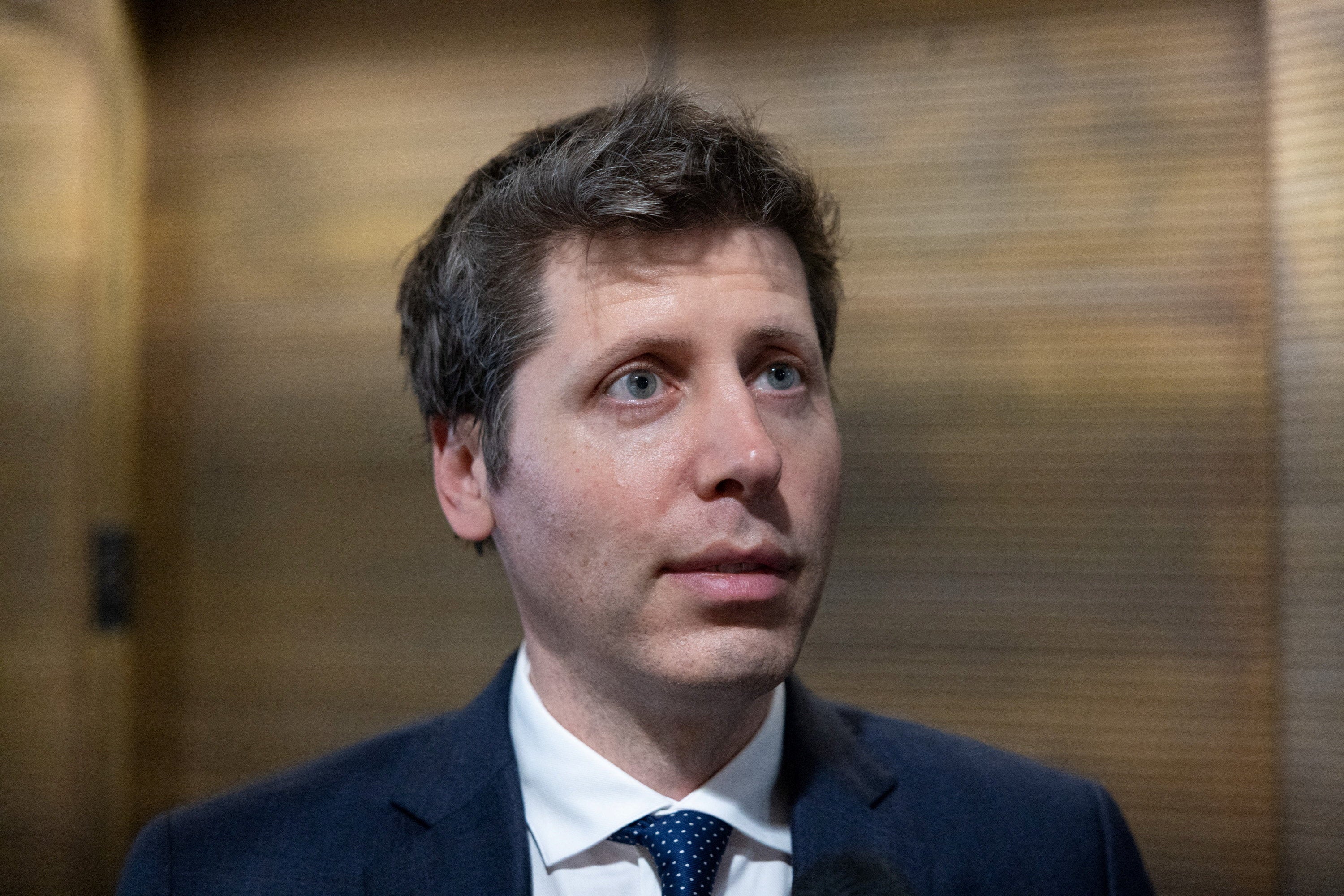
Reuters said it independently verified the research and identified dozens of additional military-linked examples.
cookie.trim() === ‘__DEBUG__=true’)) { console.log(‘Ad logs: “taboola-carousel-thumbnails”, injectedAtParagraph: 7’); }]]>
One paper from PLA Unit 96941, a Chinese military intelligence and cyber warfare unit, described using OpenAI’s GPT-3.5 to analyze military software code before transferring that knowledge into a domestically developed AI model capable of operating entirely within Chinese military networks.
cookie.trim() === ‘__DEBUG__=true’)) { console.log(‘Ad logs: “mpu2”, injectedAtParagraph: 8’); }]]>
Other research described using Anthropic’s Claude AI to generate training data for social media monitoring and content moderation systems.
Anthropic said it does not provide commercial access to Claude in China or to companies controlled by Beijing and has systems designed to detect violations of its policies. The company also warned that distilled models could lose important safety protections while retaining valuable capabilities.
cookie.trim() === ‘__DEBUG__=true’)) { console.log(‘Ad logs: “mpu3”, injectedAtParagraph: 10’); }]]>
Additional studies reviewed by Reuters described Chinese military researchers using distillation to develop AI models capable of running on drones, autonomous ships and other battlefield systems with limited computing power.
One paper from the PLA’s National University of Defense Technology outlined using the technique to shrink an image-recognition model so it could process live video aboard unmanned aerial vehicles without relying on external communications.
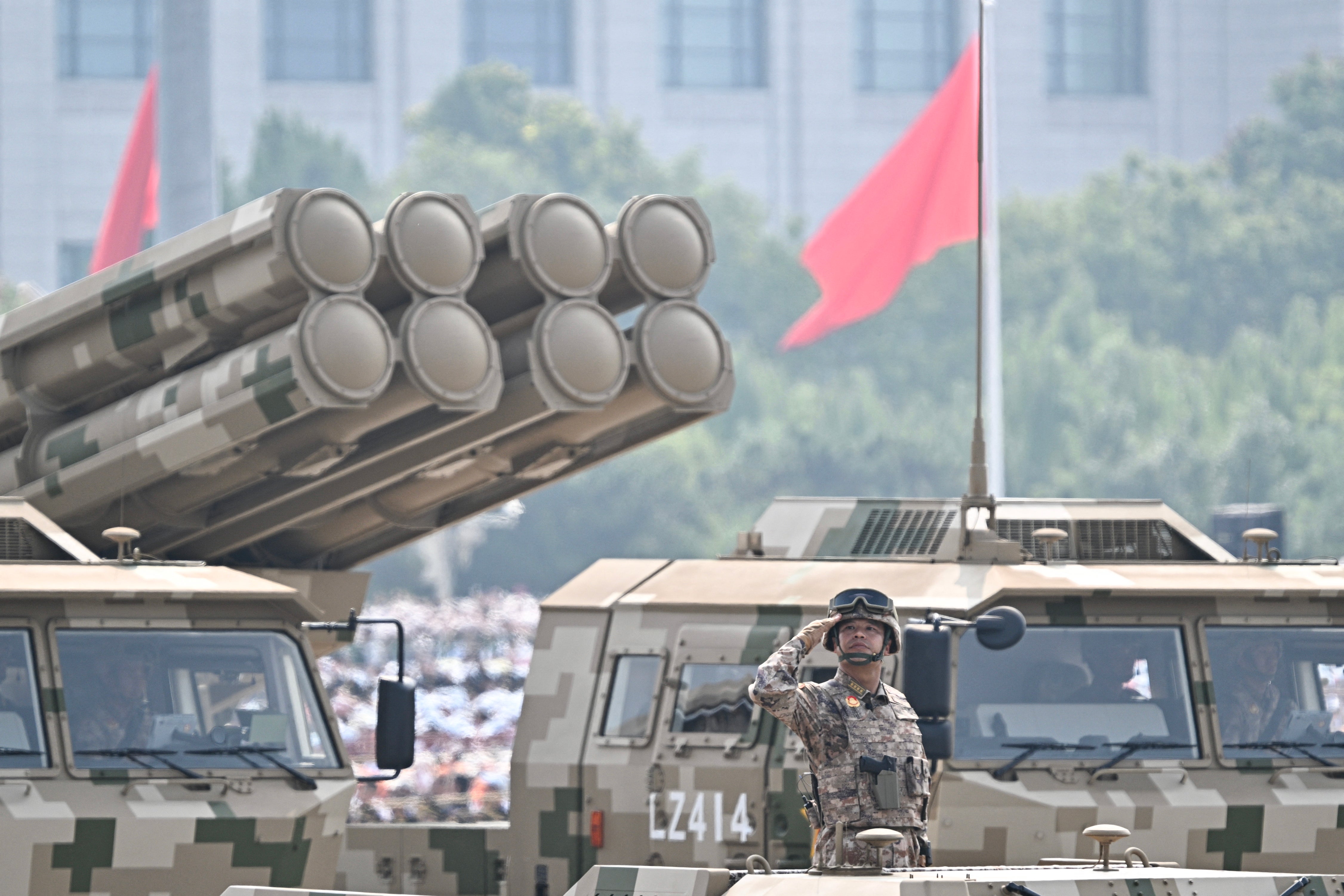
Researchers at China’s Academy of Military Sciences also described deploying distilled AI models during simulated maritime operations involving drones, warships and unmanned submarines.
The push comes as China seeks to compete with the United States in advanced AI despite U.S. restrictions on exports of high-end chips. Chinese officials have invested heavily in “lightweight” AI models designed to operate on devices with limited computing resources, including drones, satellites and military hardware.
Experts said model distillation can help create faster and cheaper AI systems but cannot fully replicate the capabilities of the most advanced frontier models.
“It is best understood as transferring selected capabilities into a cheaper, locally controlled system, not achieving independence from frontier AI,” said Trevor Koverko, co-founder of AI data company Sapien.
The White House, Pentagon, OpenAI, China’s Foreign Ministry and the People’s Liberation Army did not respond to Reuters’ requests for comment.

