
АНУ-ын Ерөнхийлөгч Дональд Трамп Миннесота мужийн усны хангамжийн дэд бүтцэд чиглэсэн цахим халдлагын хариуцлагыг Ираны талд тохохыг эсэргүүцэж, үүнийг тус мужийн захирагчийн чадваргүй байдалтай холбон тайлбарлалаа.
АНУ-ын Холбооны мөрдөх товчоо (FBI) болон Байгаль орчныг хамгаалах агентлаг (EPA) Ираны хакерууд тус улсын ус, бохир усны систем зэрэг чухал дэд бүтцүүдэд халдлага үйлдсэнийг тогтоосон билээ. Кибер аюулгүй байдал, дэд бүтцийн аюулгүй байдлын агентлагийн (CISA) мэдээлснээр, эдгээр халдлагын улмаас зарим бүс нутагт ундны усны хэрэглээг хязгаарлах болон системийн ажиллагааг гараар удирдах шаардлага тулгарсан байна.
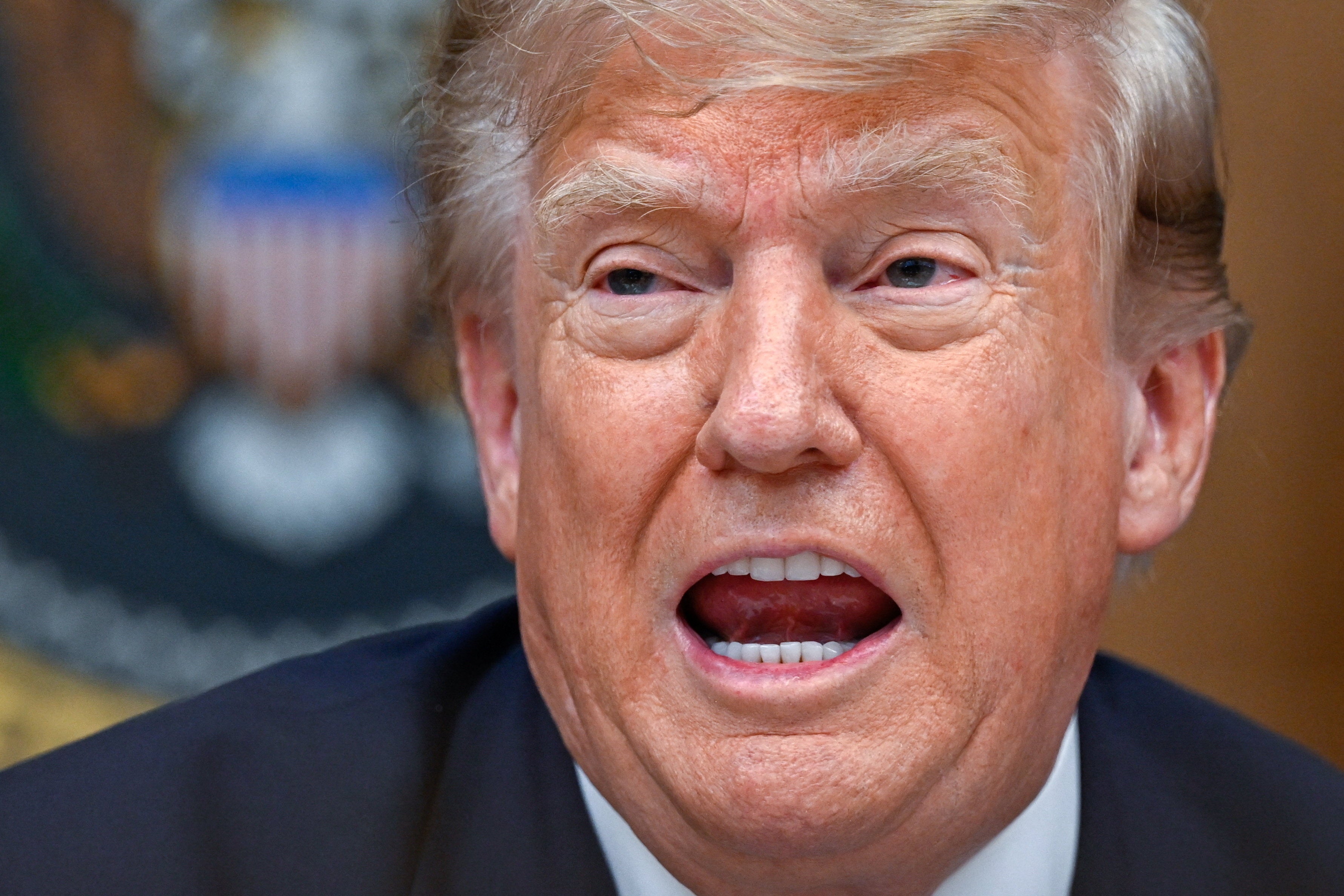
Гэвч Дональд Трамп баасан гарагт Кэмп-Дэвидэд болсон Засгийн газрын хуралдааны үеэр дээрх дүгнэлтийг эрс үгүйсгэв. Тэрээр Миннесота мужийн захирагч Тим Уолзыг “туйлын чадваргүй” хэмээн шүүмжилж, цахим халдлагыг гадны улс бус, дотоодын засаг захиргааны алдаатай холбоотой гэж мэдэгдлээ.
Иран улс кибер дайн болон эрлийз аюул заналхийллийн чадавхаа бэхжүүлэхэд ихээхэн хөрөнгө оруулалт хийдэг нь олон улсын анхааралд байдаг. Тэр дундаа усны байгууламжуудын дижитал систем нь программ хангамжийн шинэчлэл болон аюулгүй байдлын хамгаалалт сул байдаг тул хакеруудын гол бай болдог байна.
Трамп өмнө нь 2016 оны АНУ-ын сонгуульд ОХУ хөндлөнгөөс нөлөөлсөн гэх тагнуулын байгууллагуудын дүгнэлтийг хүлээн зөвшөөрөхөөс татгалзаж байсан удаатай. Энэ удаад ч мөн адил өөрийн засаг захиргааны болон холбогдох агентлагуудын анхааруулгыг үл тоомсорлож, улс төрийн өрсөлдөгчөө буруутгах байр сууриа илэрхийлсээр байна.
Дэлгэрэнгүйг эх сурвалжаас харах
↓Эх сурвалжийг нээх ↓
President Donald Trump on Friday renewed an on-again, off-again feud with one of his 2024 election opponents by suggesting that an Iranian cyberattack against Minnesota’s water infrastructure was due to the state government’s incompetence rather than Tehran’s malfeasance.
Trump was speaking during a cabinet meeting at Camp David in Thurmont, Maryland when, unprompted, he downplayed an advisory from both the Federal Bureau of Investigation and Environmental Protection Agency, which had warned that Iranian hackers have been targeting water and sewage systems and other critical infrastructure sectors across the United States.
“Today, I just want to mention that we heard in Minnesota there was a cyberattack, and they blame it on Iran. I don’t think so. I think I blame it on Minnesota because they’re grossly incompetent. There was a cyberattack of 30 water plants, and I would blame it on Minnesota and the governor, the corrupt governor of Minnesota,” Trump said.
“They like to say, ‘Oh, it was Iran’ — Iran should be so lucky. Iran’s got bigger problems than worrying about Minnesota.”
The announcement from the federal agencies advised that “malicious cyber actors” were targeting water system infrastructure, and a separate alert from the Cybersecurity and Infrastructure Security Agency warned that some attacks had “resulted in boil water notices and sustained manual operations.”
Tehran is known to have invested heavily in hybrid capabilities such as cyber warfare, and water facilities are often targets of such attacks because their digital operations are often under resourced in terms of financing or personnel needed to maintain the latest security patches on software.
But rather than acknowledge the threat, Trump chose instead to lash out at the North Star State’s Democratic governor, Tim Walz.
Walz, who earlier this year announced he would not run for re-election after right-wing media figures heaped blame on him for alleged government benefits fraud committed by Somali-Americans living in his state, was the running-mate of former vice president Kamala Harris during the 2024 presidential election.
His frosty relationship with Trump dates back to four years before that, when his state was the epicenter of racial justice protests sparked by the murder of a Blackman, George Floyd, by a Minneapolis, Minnesota police officer.
Trump’s rejection of the FBI’s warnings about Iranian hackers isn’t the first time he’s shot down his own administration’s conclusions about a foreign adversary.
For nearly a decade, Trump has denied that Russia interfered in the 2016 election on his behalf despite U.S. Intelligence Community assessments that Moscow had been behind both a hack-and-leak operation targeting the Democratic National Committee and Hillary Clinton’s presidential campaign as well as a massive social media trolling operation meant to boost him and denigrate Clinton, who he defeated to win his first term nine years ago.
During a now-infamous 2017 press conference alongside Russian president Vladimir Putin in Helsinki, Trump said he took Putin at his word after the Russian leader denied having meddled in the previous year’s election.
“President Putin says it’s not Russia. I don’t see any reason why it would be,” he said, adding that the Russian leader had been “extremely strong and powerful in his denial.”
And when pressed further on whether he believed his administration’s assessment about the Iranian cyberattacks on Friday, Trump doubled down on his previous attack agains Walz.
“You know who’s behind it? Minnesota, because they’re grossly incompetent. I think the governor’s behind it. I don’t think there was an Iranian cyberattack,” he said.


