
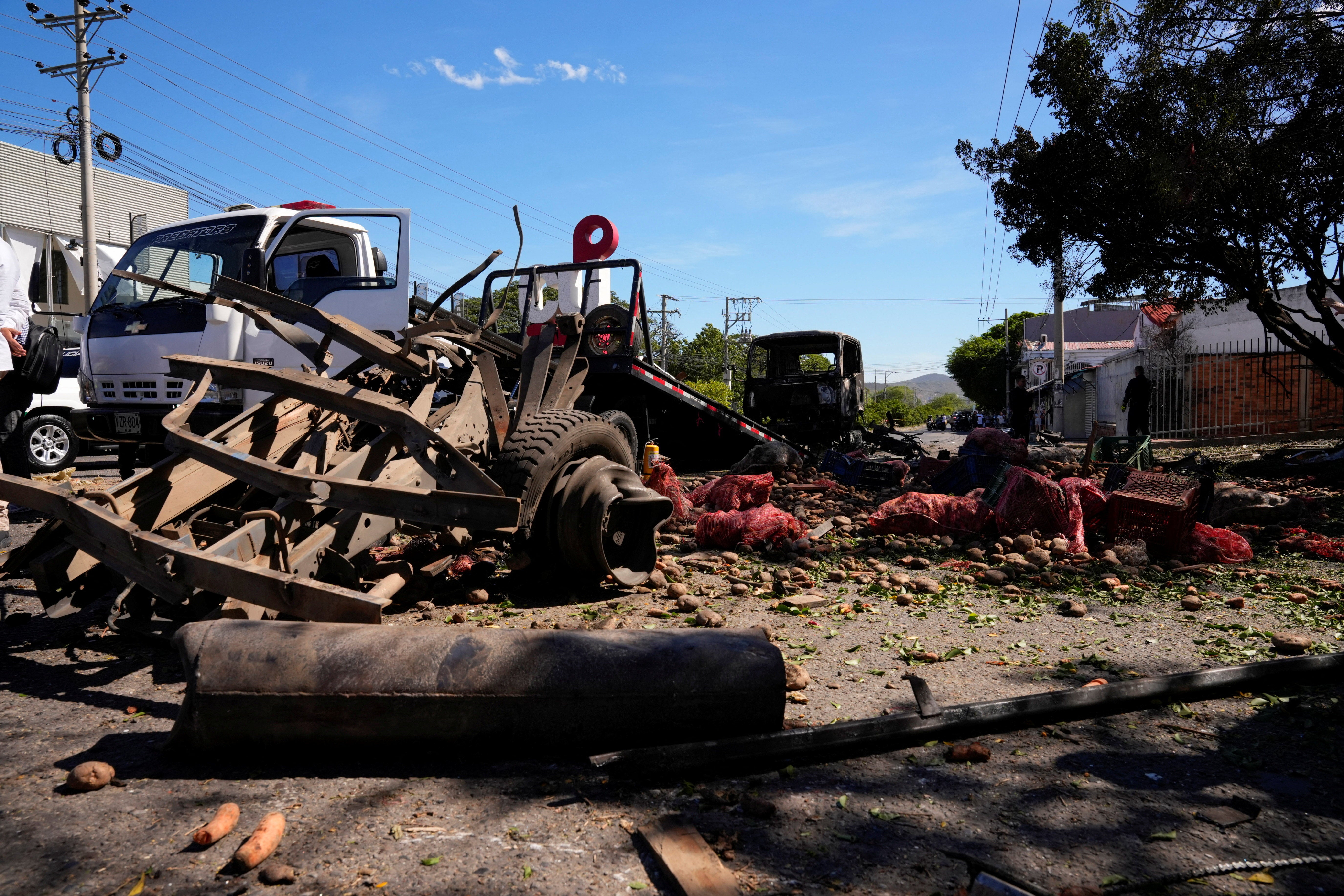
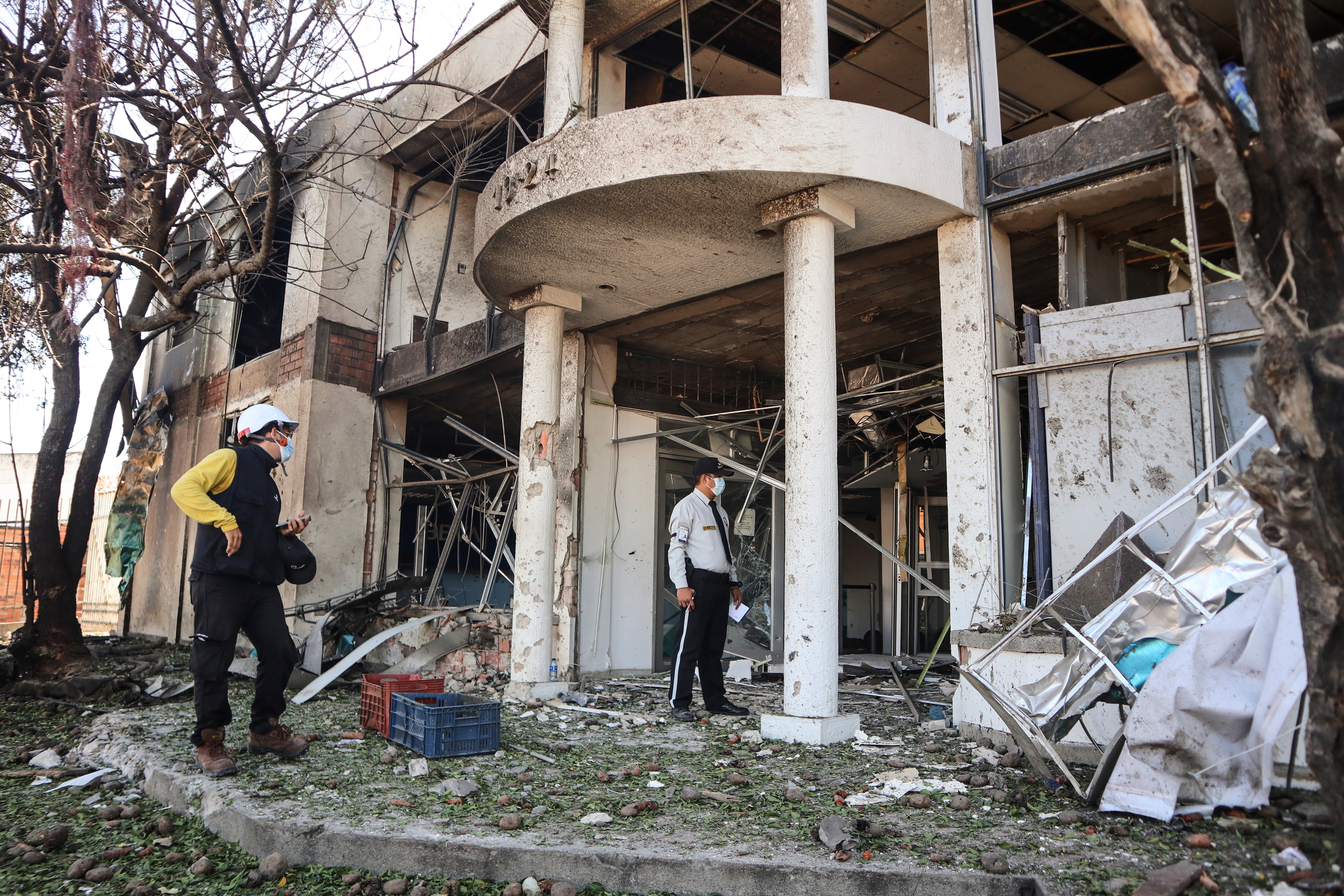
Колумбийн Венесуэлтэй залгаа хил дээр байрлах цагдаагийн баазын гадна ачааны машин дэлбэрсний улмаас 11 алба хаагч гэмтэж, нэг цагдаагийн нохой үхжээ.
Бямба гарагийн өглөө эрт болсон энэхүү халдлагыг Үндэсний чөлөөлөх арми (ELN) үйлдсэн гэж Колумбийн Батлан хамгаалахын сайд Педро Санчес мэдэгдэж, гэмт этгээдүүдийг илрүүлэхэд тусалсан хүнд 60 мянган ам.долларын шагнал олгохоо зарлав. Цагдаагийн ерөнхий газрын дарга, генерал Уильям Ринкон уг үйл явдлыг террорист халдлага хэмээн тодорхойлж, буруутай этгээдүүдийг хуулийн дагуу хариуцлагад татахаа амлалаа.
Халдлага болсон Кукута хот нь хар тамхины наймаа болон хууль бус тээвэрлэлтийн маршрутыг хянахын төлөө босогчдын бүлэглэлүүд болон гэмт хэргийн бүлэглэлүүдийн хооронд байнга мөргөлдөөн гардаг бүс нутаг юм. 1960-аад онд байгуулагдсан ELN бүлэглэл нь одоогоор 6000 орчим байлдагчтайгаар Колумби болон хөрш зэргэлдээ Венесуэл улсад үйл ажиллагаа явуулж байна. Колумбийн эрх баригчдын зүгээс уг бүлэглэлийг нийгмийн шударга ёсны төлөөх тэмцэгч гэхээсээ илүүтэй хууль бус алт олборлолт, хар тамхины наймаагаар ашиг олдог гэмт хэргийн байгууллага болсон гэж үздэг.
Энэхүү үйл явдал нь ирэх баасан гарагт Кали хотноо ерөнхийлөгчийн тангараг өргөх гэж буй Абелардо де ла Эсприеллагийн засаг захиргааг эхлэхийн өмнөхөн тохиолоо. Шинэ ерөнхийлөгч босогчдын бүлэглэлүүдтэй хийж буй энхийн хэлэлцээг зогсоож, цэргийн хүчээ нэмэгдүүлэн, кокайн үйлдвэрлэлийн түүхий эд болох кока тариалалтыг агаараас устгах арга хэмжээг сэргээхээ амласан юм.
Өмнөх ерөнхийлөгч Густаво Петрогийн хэрэгжүүлж байсан “Бүхнийг хамарсан энх тайван” стратеги нь зэвсэгт бүлэглэлүүдтэй яриа хэлэлцээ хийх зорилготой байсан ч амжилтгүй болсон. Тус бодлогыг шүүмжлэгчдийн үзэж буйгаар, зэвсэгт бүлэглэлүүд гал зогсоох хэлэлцээрийг өөрсдийн хүчээ сэлбэх, хөдөө орон нутагт хяналтаа бэхжүүлэхэд ашигласан гэж үздэг.
Дэлгэрэнгүйг эх сурвалжаас харах
↓Эх сурвалжийг нээх ↓
Colombia’s government has attributed a truck bomb explosion outside a police base, which injured 11 officers and killed a police dog, to the nation’s largest remaining rebel group.
The attack occurred early Saturday in Cucuta, a city on Colombia’s border with Venezuela, a region frequently contested by drug gangs and insurgent groups vying for control of lucrative smuggling routes.
Gen. William Rincon, director of Colombia’s police, confirmed the blast originated from a truck parked outside the headquarters for police in Norte de Santander Province.
The pre-dawn detonation caused significant damage to the building’s roofing and shattered its windows.
“This was a vile terrorist attack,” Rincon stated. “We will not rest until we find those who are responsible and have them prosecuted.” Colombian Defense Minister Pedro Sanchez later blamed the National Liberation Army (ELN) for the assault, offering a $60,000 reward for information leading to the perpetrators.
The bombing comes just days before Abelardo de la Espriella, an ultra-conservative who has pledged to cancel peace talks with the country’s remaining rebel factions, is set to be sworn in as Colombia’s new president next Friday in Cali.
The ELN has been engaged in conflict with the Colombian government for decades, with an estimated 6,000 fighters operating across Colombia and neighboring Venezuela.
Founded in the 1960s by union leaders, students, and peasants advocating for social justice, the group has largely evolved into a criminal enterprise, profiting from illegal gold mining and drug trafficking, according to Colombian authorities.
Outgoing President Gustavo Petro frequently accused its leaders of acting as “drug lords dressed up as guerrilla fighters.”
Under President Petro, who took office in 2022, peace negotiations with the ELN were initiated but collapsed early last year after the group launched attacks in the rural area north of Cucuta, resulting in an estimated 78 deaths and displacing at least 56,000 people.
Incoming President de la Espriella has vowed to confront the ELN and other criminal organizations with increased military force and to reinstate the aerial fumigation of coca crops, the primary ingredient for cocaine.
Petro’s broader “Total Peace” strategy, aimed at engaging various armed groups in dialogue, faced criticism, with detractors arguing that many groups exploited government-granted ceasefires to regroup, rearm, and solidify their control over rural communities.
A 2016 peace deal with the Revolutionary Armed Forces of Colombia (FARC) led to the disarmament of over 13,000 guerrilla fighters, creating a power vacuum in some rural areas that smaller groups like the ELN have since sought to fill.

