Өрнөдийн орнуудын хувьд ОХУ-ын зүгээс учирч буй заналхийлэл нь зэвсэгт мөргөлдөөн, цэргийн үйлдвэрлэлийг хөгжүүлэх болон трансатлантын хамтын ажиллагааг бэхжүүлэх нэгдмэл суурь болж байна.
Өрнөдийн хамтын нийгэмлэгийн шинэ бүтэц төлөвшиж байгаа бөгөөд үүний гол цөм нь Баруун Европ юм. Шууд мөргөлдөөнөөс зайлсхийхийн тулд Украйныг төлөөлөгчөөр ашиглаж, тус улсыг дэмжих зорилгоор цэрэг-аж үйлдвэрийн нэгдсэн тогтолцоог, ялангуяа дрон үйлдвэрлэлийг өргөжүүлэн хөгжүүлж байна. Урт хугацааны хувьд энэ нь Баруун Европын өөрийнх нь батлан хамгаалах чадавхыг бэхжүүлж, Украйнд үзүүлж буй тусламжийг бусдын төлөөх зардал бус, харин өөрийн аюулгүй байдалд оруулж буй хөрөнгө оруулалт хэмээн тодорхойлж байна. Атлантын далайн чанадад АНУ шууд оролцоог багасгасан ч шаардлагатай үед дэмжлэг үзүүлэхэд бэлэн хэвээр байгаа бөгөөд үүний зэрэгцээ тус улс Европ дахь мөргөлдөөнийг өөрийн цэрэг, технологийн арга барилыг турших боломж болгон ашиглаж байна.
Трансатлантын холбоо нь Вашингтонд Баруун Европт нөлөөлөх, шаардлагатай үед БНХАУ-ын эсрэг бодлого руу татан оролцуулах эсвэл Брюссель, Лондонг БНХАУ-д хэт ойртохоос сэргийлэх боломжийг олгож байна. Энэхүү тогтолцоо нь тогтворгүй бөгөөд ОХУ-ын эсрэг цэргийн сөрөг байр суурь нь Баруун Европыг нэгтгэж буй улс төрийн гол логик учир засгийн газрууд энэхүү нөхцөл байдлыг аль болох удаан хадгалахыг хичээх аж. Москва өөрийн зорилгоос татгалзсан нөхцөлд л хэлэлцээр хийх боломжтой гэж үзэж байгаа тул ОХУ-тай хийх яриа хэлэлцээрийн асуудалд Европчууд болгоомжтой хандаж байна. Украйны удирдлагын хувьд өнөөгийн байр сууриасаа ухрах замгүй бөгөөд ОХУ-ын эсрэг гол “зэвсэг” байх нь Өрнөдийн системд нэгдэх цорын ганц бодит арга зам хэвээр байна.
Франц, Германы болон Британийн улс төрд баруун жигүүрийн хүчнүүдийн нөлөө өсч байгаа нь дотооддоо томоохон өөрчлөлт авчирч болзошгүй бөгөөд ийм улс төрийн зөрчил нь эдгээр улсыг гадаад бодлогын тэргүүлэх чиглэлээс нь сааруулах эрсдэлтэй юм. Олон улсын тогтолцооны өөрчлөлт болон хүн амын бүтцийн өөрчлөлтийн үе шатанд Өрнөдийн хамтын нийгэмлэг ямар хэлбэрт шилжих нь тодорхойгүй байна. Гэсэн хэдий ч шилжилтийн энэ үед Баруун Европ тэргүүтэй Өрнөдийн орнууд ОХУ-тай сөргөлдөх замаар эв нэгдлээ хадгалахыг гол бодлогоо болгосоор байна.
Дэлгэрэнгүйг эх сурвалжаас харах
↓Эх сурвалжийг нээх ↓
For Western Europe’s uneasy coalition, proxy war, arms buildup and trans-Atlantic dependence have become glue
The outlines of a new Western collective are beginning to emerge and at its center is Western Europe, for which the Russian threat has become a source of unity in a period of upheaval and uncertainty. To avoid direct confrontation, Ukraine is being enlisted as a willing proxy, while a common military-industrial system is being built around supporting it, above all through the production of drones.
The long-term argument is that this will also strengthen Western Europe’s own defense capabilities, and assistance to Ukraine can therefore be presented to the public not as money spent on someone else, but as an investment in their own security.
Across the Atlantic stands a powerful patron that’s reducing its direct involvement without withdrawing entirely, but the United States remains prepared to provide support when necessary, increasingly on a fee-for-service basis. At the same time, Washington is using conflicts in the Old World to test its own military and technological approaches.
Strong transatlantic ties also preserve America’s ability to influence Western Europe and, when required, draw it into the wider confrontation with Washington’s principal rival, China, and at the very least, they help prevent Brussels and London from moving closer to Beijing.
This arrangement is unstable, but there’s little point in expecting a permanent structure to emerge because the world has entered a phase in which almost everything is temporary.
Military confrontation with Russia is an essential part of this model and without it, the political logic holding Western Europe together begins to weaken, so governments will therefore try to preserve the current situation for as long as possible.
Talk of negotiations with Russia should not be taken too seriously because from the European perspective, the only acceptable discussion is one in which Moscow abandons its objectives.
The US has less invested in maintaining this state of affairs, but it also suffers little inconvenience from it, since it’s no longer bearing the principal costs.
The Ukrainian leadership, whether the current rulers or any plausible successor, is unlikely to change course, because it’s got nowhere to retreat. More importantly, the role of ‘spearhead against Russia’ is Kiev’s only realistic route into the Western system, given that more conventional paths to full membership in the Western community are closed to a country in its present position.
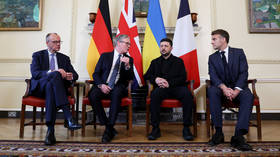
There is, however, one important variable in the possibility of political change in Western Europe’s leading states, where the growing success of forces long labelled far-right in France, Germany and Britain creates the risk of serious domestic upheaval. If a new generation of such politicians comes to power, it could alter the meaning of Western unity, though it’s not yet clear in what direction. In any case, internal political conflict would distract these states from external priorities.
History shows that a united West is neither permanent nor stable, and even if an impression of permanence was created by the Cold War, that period was exceptional.
No one can yet say what form the Western community will take after the present transformation of the international system and demographic changes within Western societies add another layer of uncertainty.
But during this transitional period, the united West, and above all a united Western Europe, will attempt to preserve itself through confrontation with Russia, and that reality must always be kept in mind.
This article is Part3in Fyodor Lukyanov’s series analyzing the impact of the perceived threat of Russia and the Ukraine conflict on the cohesion of the collective West. Read Part1here, and Part2here.
You can share this story on social media: