АНУ болон Катарын албаны хүмүүсийн мэдээлснээр АНУ-Ираны мөргөлдөөнд гал зогсоох хэлэлцээрийг сэргээх, Хомрмуузын хоолойг дахин нээх чиглэлд ахиц дэвшил гарч байна.
Даваа гарагт гарсан нааштай мэдээллийн улмаас газрын тосны үнэ 2 хувиар буурсан хэдий ч тус хоолой усан замийн тээврийн хэрэгсэлд хаалттай хэвээр байгаа бөгөөд Оманы эргийн ойролцоо ачааны хөлөг онгоц үл мэдэгдэх биетэд цохигдсон тухай мэдээлжээ. Британийн далайн аюулгүй байдлын агентлаг UKMTO даваа гарагийн шөнө гарсан уг халдлагын талаар мэдээлсэн боловч онгоцны нэрийг дурдаагүй байна. АНУ-ын Сангийн сайд Скотт Бессент АНУ болон Иран хоорондын хэлэлцээ үргэлжилж байгааг мэдэгдээд, тус хоолойг нээж, мөргөлдөөнийг хэвийн байдалд оруулах тал дээр ойрын өдрүүдэд тохиролцоонд хүрэх боломжтой гэж үзэж байгаагаа илэрхийлжээ. Мөн даваа гарагт АНУ-ын ерөнхийлөгч Дональд Трамп тохиролцоонд хүрэхэд ойрхон байгааг мэдэгдсэн боловч Тегеран АНУ-тай ямар нэгэн шууд хэлэлцээ хийж байгааг үгүйсгэсэн байна.
Катар болон Пакистаны зуучлагчид талуудын хоорондох зөрүүг арилгах, зургадугаар сарын дундуур байгуулсан санамж бичгийн дагуу гал зогсоох хэлэлцээрийг сэргээх, дэлхийн газрын тос болон шингэрүүлсэн байгалийн хийн томоохон хэсэг дамждаг Хомрмуузын хоолойг нээхийн тулд хоёр талтай яриа хэлэлцээ өрнүүлж байна. Катарын Гадаад хэргийн яамны хэвлэлийн төлөөлөгч Мажед аль-Ансари Катар, Пакистан, Оман улсууд хоорондоо нягт уялдаа холбоотойгоор зуучлалын үүрэг гүйцэтгэж, Вашингтон болон Тегераны хооронд саналын төслүүдийг солилцож байгааг мэдэгдээд дипломат яриа хэлэлцээ маш дэвшилтэт шатанд хүрснийг онцолжээ. Пакистаны аюулгүй байдлын өндөр албан тушаалтан хоёр талыг ядаж яриа хэлэлцээ эхлүүлэхэд хүргэх нь тэдний цорын ганц зорилго гэдгийг Reuters агентлагт мэдээлсэн байна.
Сүүлийн өдрүүдийн хэлэлцээрийн гол анхаарал Иран болон Оманы хооронд байгуулах түр хугацааны дамжин өнгөрөх схемд төвлөрч байгаа бөгөөд энэ нь хөлөг онгоцуудад Персийн булан руу орох, гарах боломжийг олгох юм. Өмнө нь долдугаар сард хөлөг онгоцууд Ираны зөвшөөрөлгүйгээр Оманы эргээр дамжин өнгөрөх гэж оролдох үед уг санамж бирэг нурж, Иран тэд рүү довтолж байжээ. Бүс нутгийн дипломатчдын мэдээлснээр Оман улс нь тус хоолойг ашиглах түр схем болон Ираны зүгээс дамжин өнгөрөх тээврийн хэрэгслээс хураамж авах шаардлагыг эсэргүүцэж байгаа аж. Учир нь энэхүү нөхцөл нь байнгын шинжтэй болж, Тегеран улс Оманы усан дахь тээврийн замыг хянах эрхтэй болохоос болгоомжилж байгаа юм. Хэлэлцээрийн явцад Тегеран дахь дотоод санал зөрөлдөөн, тухайлбал Гадаад хэргийн яам нь хэлэлцээр хийхийг эрмэлзэж байхад хатуу байр суурь баримтлагчид АНУ-ын засаглалд итгэх аргагүй гэж үзэж байгаа нь яриа хэлэлцээг төвөгтэй болгож байна.
Дэлгэрэнгүйг эх сурвалжаас харах
↓Эх сурвалжийг нээх ↓
US and Qatari officials have said progress is being made in restoring a ceasefire in the US-Iran war and reopening the strait of Hormuz.
The optimistic speculation on Tuesday brought oil prices down 2%, but the strait remained closed to shipping and a cargo vessel was reportedly struck by an unidentified projectile off Oman’s coast close to the strait.
Britain’s maritime security agency, UKMTO, reported the strike on Monday night but did not name the vessel.
The US treasury secretary, Scott Bessent, said the US and Iran were negotiating and told CNBC television: “I think there is a chance we may have a deal today or tomorrow to open the strait and move towards a more normalised position in this conflict.”
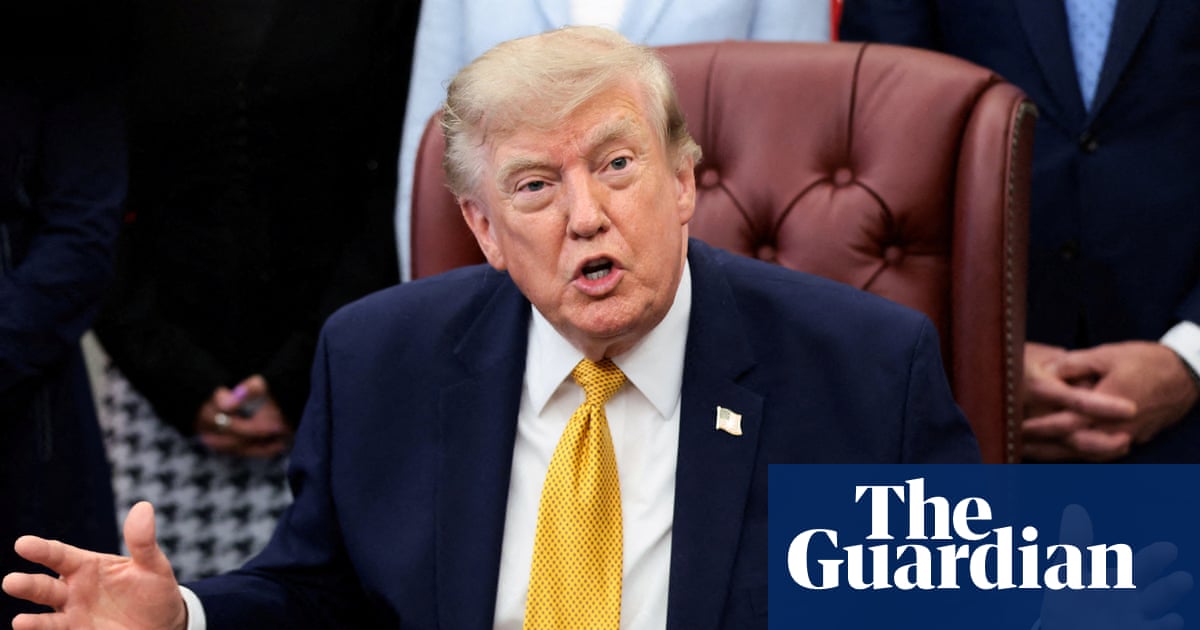
His remarks echo similarly upbeat comments on Monday from Donald Trump, who claimed that a breakthrough was imminent, though Tehran quickly denied it was involved in any direct talks with the US.
Qatari and Pakistani mediators said they were talking to both sides in an effort to close gaps, restore the ceasefire deal from the memorandum of understanding (MoU) signed in mid-June and reopen the Hormuz strait, which was the portal for a fifth of the world’s oil and liquified natural gas.
Qatar’s foreign ministry spokesperson, Majed al-Ansari, said Qatar, Pakistan and Oman were mediating in close coordination and exchanging draft proposals between Washington and Tehran. He said the diplomatic contacts had reached “very progressive stages”.
A senior Pakistani security official told Reuters news agency: “A lot is happening in the background … We are talking to both sides. Our sole goal at this moment is to make both parties at least agree to start talking.”
The focus of negotiations in recent days has been between Iran and Oman on a temporary transit scheme that would allow ships to enter and leave the Gulf. The MoU broke down in July when vessels tried to cross the strait along the Omani coast without seeking Iranian approval, and Iran attacked them.
Regional diplomats involved in the talks said that Oman was under concerted US, European and Saudi pressure to accept a temporary scheme that would allow shipping to enter the Gulf via a route through the strait close to Iran, and then leave on a southern route along the Omani coast, which would be jointly controlled with Iran.
The contentious issue of Iran’s demand to charge transiting vessels tolls or other fees would be left to be decided during a 60-day negotiating period, during which time Iran’s nuclear programme would also be addressed.
The Omani government has been resisting the Hormuz proposal out of fear it could become permanent and give Tehran an enduring say over sea routes in Omani waters, the regional diplomats said.
The talks are complicated by splits in Tehran, according to the diplomats, with the foreign ministry keen to do a deal and fearing Iranian control of the Hormuz strait could prove to be a wasting asset over time as sea traffic finds alternative routes. Regime hardliners, on the other hand, oppose the deal on the grounds that the US administration cannot be trusted to deliver the financial benefits promised in return for opening the strait.
Riyadh was putting particularly heavy pressure on Oman, one diplomat said, because the Saudis thought “we may be on the brink of a regional war because there is a big faction in Iran that does not want a deal under any circumstances”.


