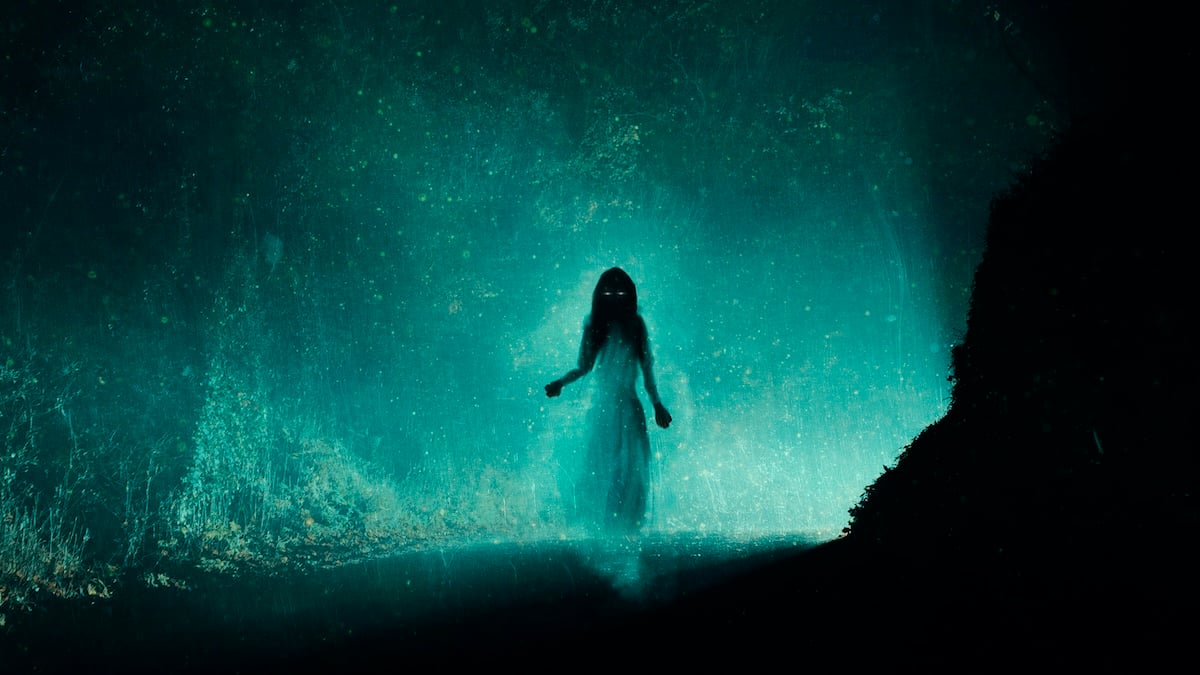
Хүний биеэрээ тодорхойгүй оршихуй мэдрэх, сонин чимээ сонсох зэрэг ер бусын тохиолдлыг хүмүүс хэрхэн хүлээж авдаг талаарх антропологи болон сэтгэл судлалын шинэ судалгаа PLOS One сэтгүүлд нийтлэгджээ.
Бразилын D’Or Institute for Research and Education (IDOR)-ийн социал сэтгэл судлаачид 38 төрлийн ер бусын тохиолдлыг судлах зорилгоор боловсруулсан асуулга дээр үндэслэн 47 асуулга бүхий шинэ судалгааг зохион байгуулжээ. Уг судалгаанд Бразил улсын 5,117 оролцогч хамрагдсан бөгөөд биеэсээ гарах мэдрэмж, алсын хараа, тэнгэрлэг хүчин зүйлсийг мэдрэх зэрэг үзэгдлүүд эмнэлзүйн оношлогооны хувьд тогтоогдсоноос хамаагүй өргөн тархмал болохыг тогтоосон байна. Судалгааны ахлах зохиогч Рональд Фишерийн тайлбарласнаар, иймэрхүү туршлагатай тулгарсан хүмүүсийн дийлэнх нь сэтгэцийн эрүүл мэндийн хувьд хэвийн байдаг бөгөөд уг үзэгдлийг тухайн үед нь болон хожмоо эргэн дурсахдаа төвийсөн эсвэл эерэг байдлаар хүлээж авдаг болох нь ажиглагджээ.
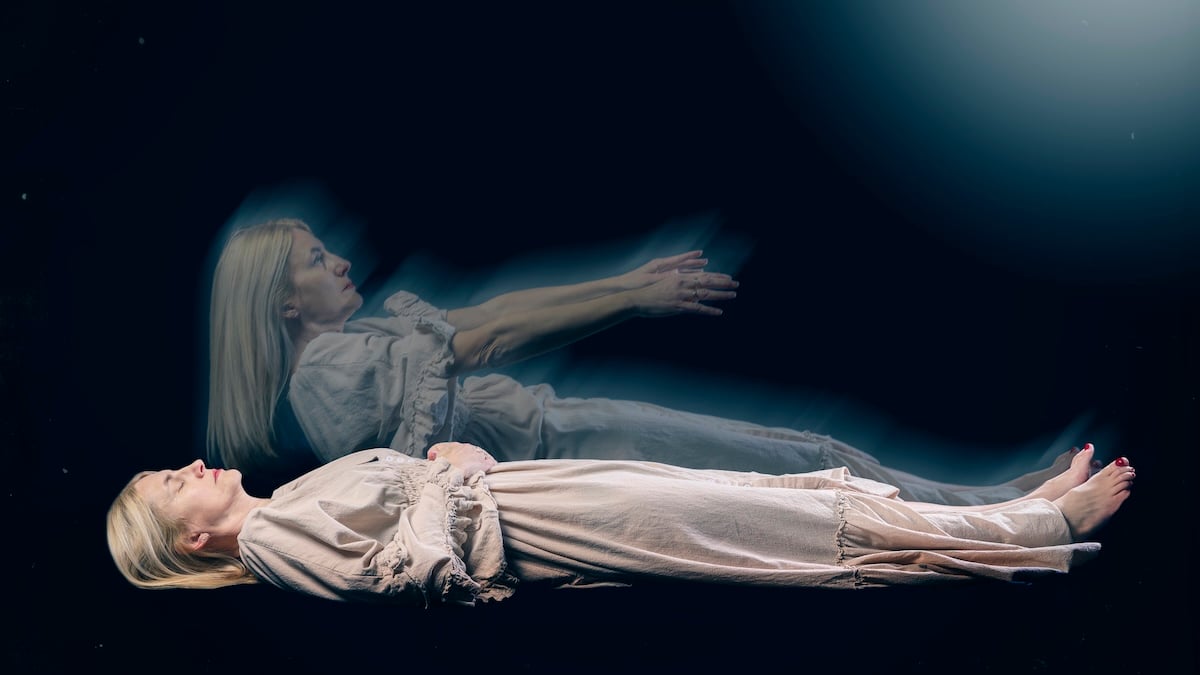
Оролцогчдын 60 гаруй хувь нь сэрүүн, анхаарал төвлөрсөн үедээ, бараг 40 хувь нь ганцаараа байхдаа ийм зүйлтэй тулгарсан гэж хариулсан бөгөөд гуравны нэгээс илүү хувь нь хэдхэн минут үргэлжилсэн гэжээ. Мөн судалгаанд оролцогчдын дийлэнх нь үүнийг ямар нэгэн гадны хүчнээс бус санамсаргүй тохиолдлоор эсвэл ямар нэгэн утга учиртай дохио хэмээн тайлбарласан байна. Судлаачид ийм төрлийн хүний зан үйл, сэтгэл зүйн онцгой тохиолдлуудыг шинжлэх ухааны түвшинд нарийвчлан судлах нь эдгээр үзэгдэлтэй тулгарсан хүмүүст туслах, нийгмийн хэвшмэл ойлголт, стигмийг арилгахад чухал ач холбогдолтой гэж үзжээ.
Дэлгэрэнгүйг эх сурвалжаас харах
↓Эх сурвалжийг нээх ↓
Have you ever heard a voice when you were completely alone? Or felt the presence of some unseen being?
You’re not alone; around 60 percent of Americans believe they’ve had some kind of unexplainable experience.
But was it scary? Inspiring? Perhaps it invoked a new spirituality in you, or made you feel closer to a deceased loved one.
Or maybe it just sent you to the doctor for a brain scan.
Whatever happened,and however you responded to it, there isn’t much research into how humans process weird events.
So, social psychologists at the D’Or Institute for Research and Education (IDOR) in Brazil set out to investigate just that, for a new paper published in PLOS One.
The team built on a previously developed questionnaire called the Inventory of Nonordinary Experiences (INOE), which asks participants whether they’ve ever experienced any of 38 spooky happenings and, if so, the context and aftermath of the event.
The researchers then gave their new 47-question quiz to 5,117 people in Brazil before conducting statistical analyses of the results.
The outcomes are as intriguing as you’d expect.
“Experiences like sensing a presence, having a vision, or feeling as though you are observing yourself from outside your own body are far more common in the general population than clinical diagnosis rates would suggest,” says senior author Ronald Fischer, a psychologist at IDOR.
“We observed that most people in our sample of over 5,000 participants who report them are not unwell, and most describe them as neutral or positive – both at the time they occur and also when looking back and reflecting on that experience.”
Things that constituted a ‘nonordinary’ event included sudden, overwhelming feelings like joy, awe, or fear; seeing visions; hearing voices; out-of-body experiences; a sense of diminished self; feeling the presence of the deceased or extraordinary forces; deja vu; extrasensory perception; near-death experiences; lucid dreams; or a sense of having lived past lives.
If participants responded that they had experienced any of these, they were then asked a few questions about the context of their experience. That included their mental state – such as whether they were awake and alert, dreaming, just falling asleep or waking up, or under the influence of drugs or alcohol – and where they were at the time.
The participants also had to answer how long the experience lasted, how often it happened to them, and the rough age they were when it occurred or started.
Next, they were asked who or what they felt was responsible, such as gods, angels, demons, spirits, or other entities; and why they might have been ‘chosen’ for the experience.
Finally, the participants were asked whether the experience had helped or hindered what they were doing at the time, how pleasant or uncomfortable the experience was, and what impact it had on their life afterward.
The results were intriguing.
More than 60 percent reported having their experiences while awake and alert, and almost 40 percent were alone at the time. About 36 percent said their experience lasted a few minutes, while 27 percent said it was very quick or almost instantaneous.
Roughly 19 percent couldn’t keep track of time during the event.
The most common number of occurrences for a single person was, surprisingly, two to three times, with 38 percent of the respondents. Another 30 percent said the experience had happened just once.
Two-thirds said the experience occurred or began when they were adults, while more than 20 percent reported something strange during their adolescence.
Interestingly, when asked who they believed was responsible for their experience, 36 percent reported that they didn’t believe that anyone caused it. A god or gods was the next highest, at 16 percent, while 11 percent attributed it to some kind of holy spirit.
Following a similar pattern, when participants were asked why it happened, 41 percent attributed it to random chance, while 28 percent said it was a ‘sign’ or a message.

Participants were fairly evenly split on whether their experiences were something that science could or eventually would be able to explain. But the scales were tipped ever-so-slightly towards the answer that ‘no, something else is involved.’
Almost half of participants said that they felt joy or well-being during their experience, while less than a quarter experienced suffering or discomfort.
About half also reported that they felt positive or very positive effects on their lives afterward, while less than 15 percent reported negative effects.
“For many people, such experiences can be meaningful and lead to personal growth and insight,” says Fischer.
“Highlighting these possible positive outcomes is important to help people make sense of them and help to normalize them.”
The researchers say that these kinds of experiences are largely unstudied academically. But regardless of what’s actually going on, understanding them in more detail could help support people who report strange things.
Related: Hidden Phenomenon Could Explain Why Old Buildings Feel Haunted, Study Finds
“Importantly, we hope our work can help to remove stigma by focusing on the diverse ways that people experience and make sense of them,” says Fischer.
“However, we would also stress that if people feel that these experiences interfere with their daily activities, then they should talk to a professional or seek help from somebody that they trust.”
The research was published in the journal PLOS One.
This article was fact-checked by Rachel Garner and edited by Rebecca Dyer. While we pride ourselves on our process, we are only human. If you spot a mistake, please let us know.

