
Эртний Грекээс гаралтай “барбар” гэдэг үг анхандаа зүгээр л “харь хэлтэн” гэсэн утгатай байсан ч цаг явцдаа зэрлэг, харгис хэрцгий гэсэн сөрөг утгатай болж хувирсан байдаг.
Journal of Archaeological Research сэтгүүлд нийтлэгдсэн шинэ судалгаагаар, түүхэнд барбар хэмээн цоллогдсон бүлгүүд өмнө нь бидний төсөөлж байсан шиг эмх замбараагүй, соёлгүй байгаагүйг Америк болон Шведийн археологичдын баг тогтоожээ. Викингүүд, Хойд Америкийн Хауденосаунеи холбоо, Газар дундын тэнгисийн “Далайн ард түмэн” болон Команче омгийн түүхэн баримтуудад дүн шинжилгээ хийхэд эдгээр төвлөрсөн удирдлагагүй бүлгүүд том хэмжээний стратеги зохион байгуулалтыг маш нарийн хийдэг байжээ. Ихэнх түүхийг тэдэнд эзлэгдэж эсвэл довтлуулж байсан хүмүүс бичсэн учраас эдгээр олон нийтийг харгис, ой ухаангүй мэтээр өрөөсгөлөөр дүрсэлж ирсэн байна.
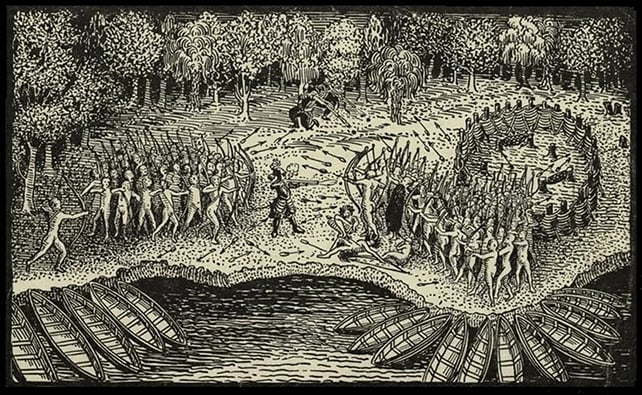
Судлаачдын үзэж буйгаар эдгээр бүлгүүд нэг удирдагч эсвэл нийслэл хотгүй байхыг буюу эрх мэдлийг төвлөрүүлэхгүй байхыг зориудаар сонгосон нь эртний эзэнт гүрнүүдийн түрэмгийллээс хамгаалах улс төрийн стратегийн чухал арга байжээ. Тэд ганц хүний эрх мэдэлд захирагдахын оронд овог аймгууд хоорондын нийгмийн холбоо, худалдааны түншлэлд тулгуурлан нөөц баялгийг хуримтлуулж байсан аж. Энэ нь эртний Грек, Ром зэрэг төвлөрсөн соиргэншлүүдэд эмх замбараагүй мэт харагддаг байсан ч үнэн хэрэгтээ бие даасан байдал болон хамтын ашиг сонирхлыг хослуулсан нарийн зохион байгуулалттай тогтолцоо байжээ.
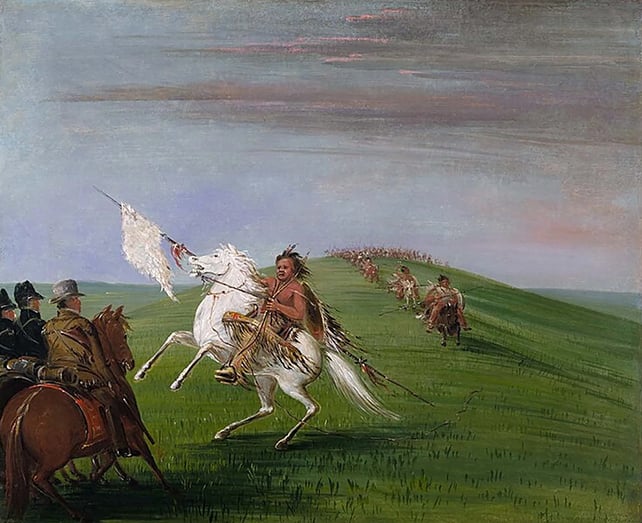
Энэхүү судалгаа нь өнгөрсөн үеийн дайн байлдаан болон улс төрийн хувьслын түүхийг шинээр харж, түүхэн үйл явдлыг зөвхөн бичгийн эх сурвалж үлдээсэн эрх баригчдын нүдээр дүгнэх нь учир дутагдалтай болохыг сануулж байна. Судлаачид ижил төстэй бусад эртний бүлгүүдэд энэхүү аргачлалыг өргөнөөр ашигласнаар хүн төрөлхтний эртний хамтын нийгэм хэрхэн ажиллаж байсныг илүү гүнзгий ойлгох боломжтой гэж үзэж байна.
Дэлгэрэнгүйг эх сурвалжаас харах
↓Эх сурвалжийг нээх ↓
The word ‘barbarian’ comes to use from the ancient Greeks: Originally meaning simply ‘foreigner’, its connotations quickly drifted towards savagery, wildness, and violence.
Those historical associations linger: These days, the term is most commonly used to suggest people who are primitive and aggressive.
In a study published in the Journal of Archaeological Research, a team of researchers from the US and Sweden breaks down how those labeled as barbarians throughout history aren’t quite as disorganized and unsophisticated as narratives might have us believe.
The history, after all, was most often written by those under attack from these so-called barbarians, rather than the ‘barbarians’ themselves.
Four case studies are used to advance the authors’ argument: the Vikings who raided fleets over centuries; the Haudenosaunee (Iroquois) Confederacy in North America, which reached its peak around 1700; the Sea Peoples of the Mediterranean; and the Comanche tribe of the American Southwest (most active in the 17th and 18th centuries).
“Historical knowledge about these groups comes largely from colonial or imperialist outsiders who mischaracterized them as irrational and violent,” anthropologist Jennifer Birch of the University of Georgia and colleagues write in their published paper.
“This characterization masks the fact that these decentralized groups achieved large-scale strategic coordination in the absence of centralized power.”
Digging into historical records and past studies, the researchers built up a framework that draws together commonalities between these various groups.
For example, decentralization was used as a deliberate strategy, making these groups – without a single leader or capital city – much harder to defeat.
Rather than looking to top-down leadership, these ‘barbarians’ relied on social ties with other clans and tributes, as well as trading partners, to further their interests.
The process of raiding was more strategic and less haphazard than it has been portrayed as well: The researchers acknowledge these activities as coordinated ways of amassing wealth, resources, and prisoners for the overall benefit of these groups.
“We propose that the decentralized, militarized nature of so-called ‘barbarians’ were conscious political strategies, often undertaken in opposition to encroachment on the part of pre-modern states and empires,” write the study authors.
These strategies could be modified over time, the researchers point out, as the contemporary context changed. Resources could still be amassed, but the distribution was different.
However, this wouldn’t necessarily have been evident to the Greeks, Romans, and other communities who encountered ‘barbarians’. What outsiders described as uncoordinated was actually a careful mix of autonomy among groups and the pursuit of collective gains.

“This was accomplished by drawing down upon and augmenting a repertoire of institutions, resources, and strategies that allowed them to scale up their activities without the development of centralized power structures,” write the researchers.
“The successful strategies of these groups involved balancing the actions and roles of multiple sets of institutions – clans, nations, and confederacies; kin groups, fleets, and nascent polities – in coordinated socio-political structures.”
This helps reframe the historical narrative of how warfare and politics evolved in the past. It’s also a reminder that history has largely been told by civilizations that wrote things down, yet that one-sided perspective rarely captures the full picture or nuances of different communities.
All of these groups were forced to adapt as more centralized powers with greater numbers took over the regions they lived in.
However, there’s still a lot that we can learn from them – and the team is keen to see their framework applied to other groups too.
“Additional systematic cross-cultural comparison would offer much to the discussion of how large-scale decentralized collective societies functioned as well as identifying and explaining variation and change in the same,” write the researchers.
Related: Scientists Announce The First Clear Evidence of a Chimpanzee ‘Civil War’
We know that many cultures shared oral histories – and continue to do so to this day – histories that enrich the archaeological record, or even challenge what scientists and historians have drawn from it.
“Archaeological data alone may not be sufficient for observing and documenting the kinds of collective behaviors – e.g., alliances, strategic compacts, and military campaigns – that such groups engaged in,” the researchers conclude.
The research has been published in the Journal of Archaeological Research.
This article was fact-checked by Rachel Garner and edited by Clare Watson. While we pride ourselves on our process, we are only human. If you spot a mistake, please let us know.

