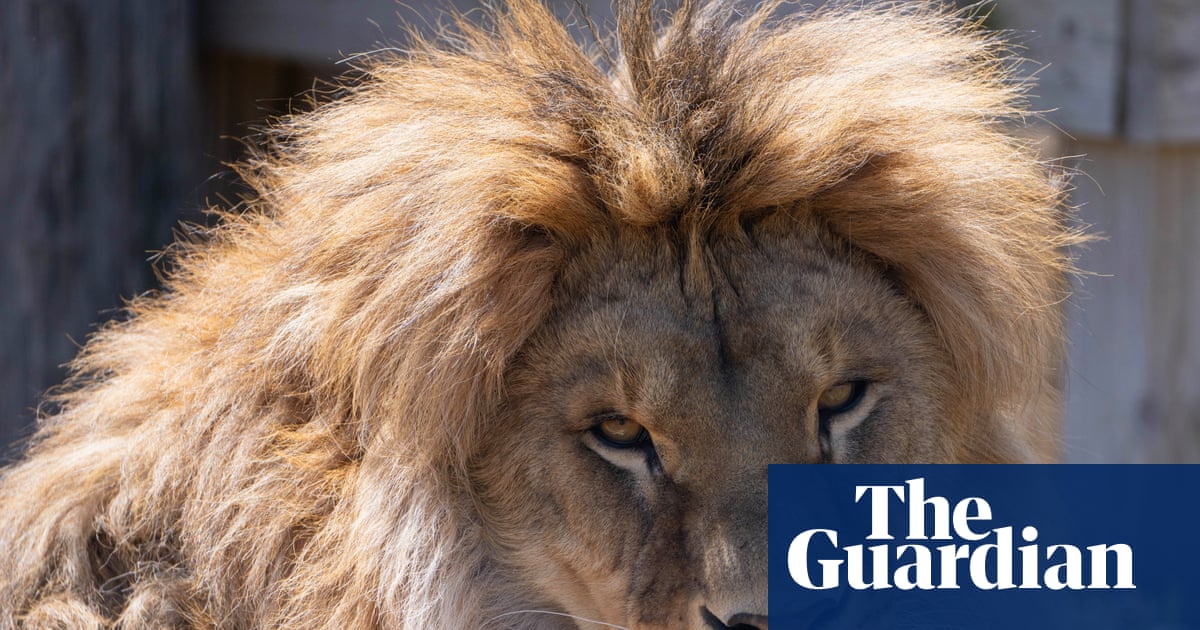
Украйны дайнаас аврагдаж АНУ-д суурьшсан арслан ховор тохиолддог, амь насанд аюултай мөөгөнцрийн халдварын эсрэг эмчилгээ хийлгэж байна.
Украйны Одесса хотын төмөр замын буудлаас цүнхэнд хийгдсэн байдалтай олдсон Тарас нэрт арслан нь 2022 оны 11 дүгээр сард АНУ-ын Миннесота муж дахь зэрлэг амьтны хамгааллын газарт хүргэгджээ. Тухайн үед ОХУ-ын пуужин болон дроны дайралтад өртөж байсан Украйны нийслэл Киев хотоос Америкийн малын эмч нар уг арсланг болон бусад гурван бамбаруушийг Польш улс руу 36 цагийн турш тээвэрлэж, улмаар АНУ руу нүүлгэн шилжүүлэх зөвшөөрлийг бүрдүүлсэн байна.
Дөрвөн настай Тарас арслан өнгөрсөн тавдугаар сараас эхлэн хоолны дуршил буурч, идэвхгүй болсны улмаас нарийн шинжилгээнд хамрагдаж, улмаар “бластомикоз” хэмээх хөрснөөс халдварладаг, халдваргүй мөөгөнцрийн өвчтэй болох нь тогтоогджээ. Энэхүү өвчин нь эрт илрүүлж эмчлэхгүй бол хүн болон амьтны хувьд үхэлд хүргэх аюултай бөгөөд өмнө нь Висконсин мужид нэгэн цагаан бар мөн энэ өвчний улмаас үхсэн тохиолдол бүртгэгдсэн байна.
Хамгааллын газрын удирдлагуудын мэдээлснээр, Тарас арслан эрчимт эмчилгээнд сайн хариу үзүүлж, сүрэгтэйгээ эргэн нэгдсэн хэдий ч өдөрт хоёр удаа эм уух шаардлагатай хэвээр байгаа аж. Мэргэжилтнүүд түүнийг бүрэн эдгэрэх хүртэл дахин хэдэн долоо хоног эсвэл сар шаардлагатай гэж үзэж байгаа бөгөөд дайны хүнд нөхцөлөөс амьд гарсан арслангийн хувьд энэ нь хоёр дахь том сорилт болж байна.
Эдгээр арслангуудыг эхээс нь дөнгөж төрсний дараа нь хууль бусаар хулгайлж, олон улсын зэрлэг амьтны наймаанд ашиглахаар бэлтгэж байсан байх магадлалтай гэж үзэж байна. Дайн эхэлж хил боомтууд хаагдсанаар наймаачид амьтдыг хил давуулахаас татгалзаж, хаяж явснаар ийнхүү аврах боломж бүрджээ.
Дэлгэрэнгүйг эх сурвалжаас харах
↓Эх сурвалжийг нээх ↓
A lion that escaped the war in Ukraine after being found as a four-month-old cub inside a duffel bag at Odesa railway station is facing an even greater battle for survival in his new home in Minnesota from a rare and often fatal fungal disease.
Taras, his two sisters Lesya and Stefania, and an unrelated, slightly older cub from Kyiv named Prada, were brought to the US in November 2022 by the Wildcat Sanctuary, a secluded private reserve near Sandstone, Minnesota, that arranged their rescue with the International Fund for Animal Welfare (IFAW).
An American veterinarian working in Ukraine’s capital, which was under sporadic attack from Russian missiles and drones, evacuated them from Kyiv to safety in Poland, a 36-hour land journey, where they awaited import permits for the US.
Now, aged four, Taras was an energetic head of the Ukrainian pride until May, when veterinarians noticed he was sluggish and off his food. Numerous tests, including a 180-mile round trip for an expensive scan and lung biopsy at a specialist clinic in Minneapolis, diagnosed blastomycosis, a non-contagious fungal infection usually contracted from soil.
The condition was blamed in the death of a white tiger called Ginger at a wildlife sanctuary in Wisconsin in June. Also known as Gilchrist’s disease, it is often fatal in humans and animals if not caught early and treated.
Tammy Thies, the sanctuary’s founder and chief executive, said Taras responded well to intensive treatment, including twice daily injections of extra strength anti-fungal medication through an IV line in the early weeks, and had rejoined his pride.
But he still requires oral medicine twice a day, she said, and it could still be weeks or months before sanctuary staff could be confident he was out of the woods.
“He was in a fight for his life,” she said. “Usually when big cats are diagnosed with blastomycosis it’s when they’re showing respiratory distress, and by that time the disease is so advanced that even the aggressive antifungal medication can be life-threatening. There’s a very low chance of survival.
“The specialist told us he had a guarded prognosis, and when I asked, ‘does he have a 30% chance?’, they all just looked at me and looked at their feet. We knew this was going to be an uphill battle, and we might not be able to save him.”
Thies said Taras’s survival was his “second miracle”, after escaping the Ukraine war with his siblings.
“Everybody we reached out to just told us they were sorry and not to be optimistic,” she said. “We’re just really grateful for the staff and the vet team that found this early, before he was showing breathing symptoms, because I don’t think we could have saved him.”
His reunion with his sisters was emotional. “He wanted to be with his family, so we started with one play date with a sister at a time,” she said.
“We were concerned that after being away for weeks they could pick on him [but] there was so much nuzzling going on, and so much rolling around on each other, the pride welcomed him with open arms, and they’ve been inseparable ever since.”
Even so, Taras still needs to be separated twice every day so his pride members do not steal his food with the medication in it.
The lions’ origin is impossible to know, Thies said, but they were likely taken from their mother after birth and destined to become part of the illegal but lucrative international trade in exotic animals, at least until the start of the war thwarted the smugglers’ plans.
“As borders were getting shut down and checkpoints set up, a lot of these traffickers were dumping the animals versus trying to smuggle them across the border to sell them,” she said.
“It was just devastating after all he went through, after this lion had fought so hard and come out so much stronger, to then get a diagnosis of a fungal disease in his lungs, and to know he might not make it.
“That was the hardest for us. He has a fight on his hands but still has a lot of life to live, and we were all going to come together and fight for him.”

