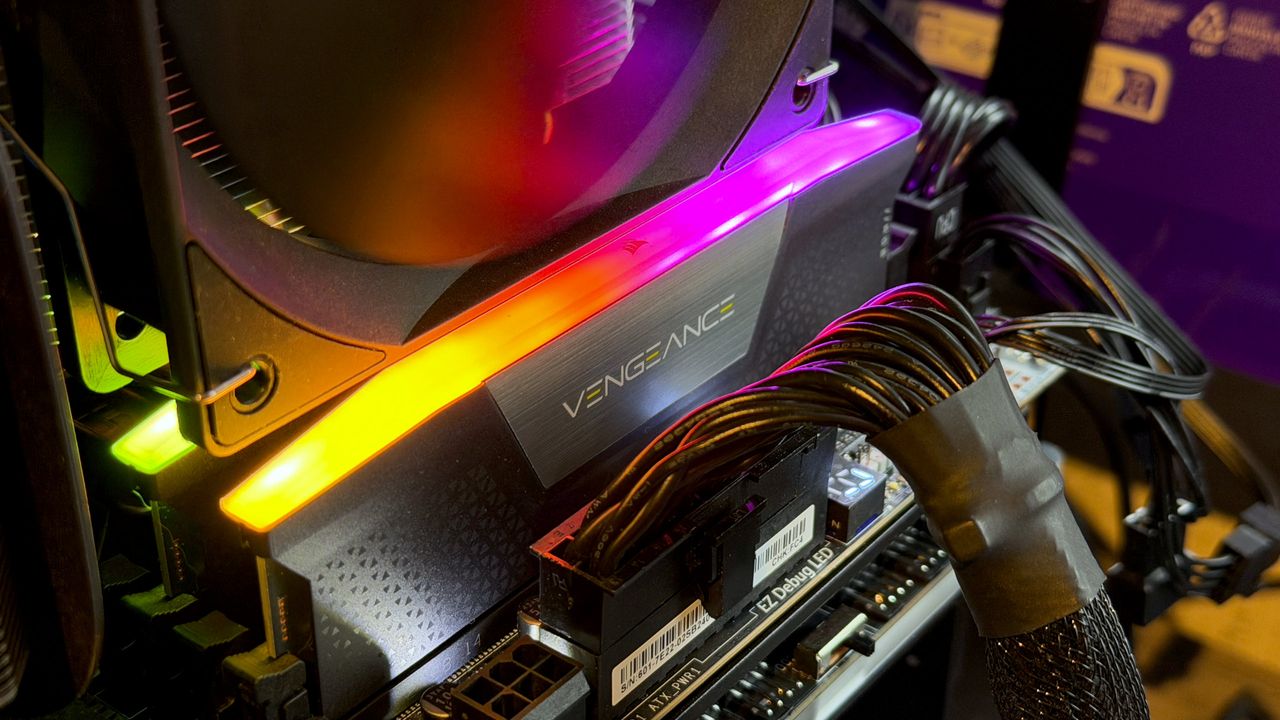
Санах ойн бүрэлдэхүүн хэсгүүдийн үнийн өсөлт болон эрэлтийн бууралт нь Corsair компанийн тоглоомын бүрэлдэхүүн хэсэг, системийн борлуулалтад хүндрэл учруулж байна.
Сүүлийн үед Corsair брэндийн санах ойн модулиудын үнэ огцом өссөн нь хэрэглэгчдийн анхаарлыг татаад байна. Гэсэн хэдий ч SEC-д гаргасан тайлангаас үзэхэд, тус компани 2026 оны хоёрдугаар улиралд тоглоомын бүрэлдэхүүн хэсэг болон системийн нийт орлогоо өмнөх онтой харьцуулахад 9 орчим хувиар алджээ. Хэдийгээр санах ойн бүтээгдэхүүний орлого өссөн ч бусад бүрэлдэхүүн хэсгийн борлуулалт мэдэгдэхүйц буурсан байна.
Corsair компани өөрөө санах ойн модулийг үйлдвэрлэдэггүй бөгөөд Samsung, SK hynix, Micron зэрэг гуравдагч талын нийлүүлэгчдээс авдаг. Санах ойн үнэ өссөн нь тус компанийн борлуулж буй санах ойн бүтээгдэхүүний ашгийн хэмжээг нэмэгдүүлж байгаа ч нөгөө талаас өөрсдийн бүтээгдэхүүн үйлдвэрлэх зардлыг өсгөж байна. Үүний улмаас үнийн өсөлтөд мэдрэмтгий хэрэглэгчид шинэ систем угсрах эсвэл шинэчлэхээс татгалзаж байгаа нь нийт эрэлтийг бууруулж байгааг компани онцолжээ.
Хэдийгээр зах зээлд хүндрэлтэй байгаа ч Corsair компани өөрсдийн гол худалдан авагчид болох PC сонирхогчдын дунд байр сууриа хадгалсаар байна. Мөн ирээдүйд AI ажлын станцын зах зээл өсөлт авчирна гэж үзэж байгаа аж. Үүлэн технологид суурилсан LLM-ийн ашиглалтын зардал нэмэгдэж байгаатай холбогдуулан дотоод сервер болон ажлын станц дээр AI боловсруулалт хийх эрэлт хэрэгцээг хангах зорилгоор өөрийн Pro цувралын бүтээгдэхүүнүүдийг түлхүү хөгжүүлэхээр төлөвлөж байна.
Дэлгэрэнгүйг эх сурвалжаас харах
↓Эх сурвалжийг нээх ↓
If you’ve looked at memory prices recently, you’ve probably seen Corsair DIMMs selling for astonishing prices. The 32 GB Vengeance DDR5 RGB kit sitting in my PC right now is selling for $480 at Amazon, whereas I bought it for $90-$100 just a couple of years ago. Corsair RAM can still be some of the cheapest comparatively, but it’s very pricey nonetheless.
So, Corsair must be raking in money hand over fist, right? Not quite, at least according to its recent filings with the SEC. The figures show a ~9% decline in Q2 2026 gaming component and system revenue overall compared to last year—although gross profit was up 17%. Memory revenue itself has increased, but its “other component products” revenue has decreased significantly.
According to the company: “We are both a seller of memory products and a purchaser of memory and other components from third-party suppliers. As a result, elevated pricing benefits net sales and margin on the memory products we sell, while also increasing our cost of components across our broader product offerings.”
Corsair sells memory, but doesn’t manufacture the actual modules themselves, sourcing them instead from Samsung, SK hynix, and Micron (plus CXMT now, too, for some of the RAM it sells in China). It’s also a system builder, and is thereby affected by higher component prices across the board, an unwanted knock-on effect of the ongoing memory crisis.
The company believes that traditional consumer demand is suffering as a result: “In addition, elevated component costs have made it more difficult for cost-sensitive consumers to upgrade or build new systems, which we believe is negatively affecting overall demand within our Gaming Components and Systems segment,” says Corsair.
It’s not all bad news, though. The company says its “core market position remains centred on the enthusiast-level PC builder, a demographic that has historically demonstrated less price sensitivity than the broader market, which we believe partially mitigates this impact.”
Corsair also thinks that the AI workstation market might be its future. “As the costs of running critical business tasks on public cloud-based Large Language Models increase, there is growing demand to operate local LLMs on private workstation hardware,” says the company.
“We believe we are well positioned to address this emerging trend by delivering high-performance memory components and fully integrated, purpose-built systems necessary to support local AI processing workloads.”
So hey, if cost-conscious gamers are more reluctant to buy, there’s always the workstation market to tap up with its Corsair Pro lineup of AI workstations and servers. And it must be said, with gross profit on the up-and-up (even if Q2 system and component revenue is down), it doesn’t seem like Corsair is falling victim entirely to the current pricing fiasco.
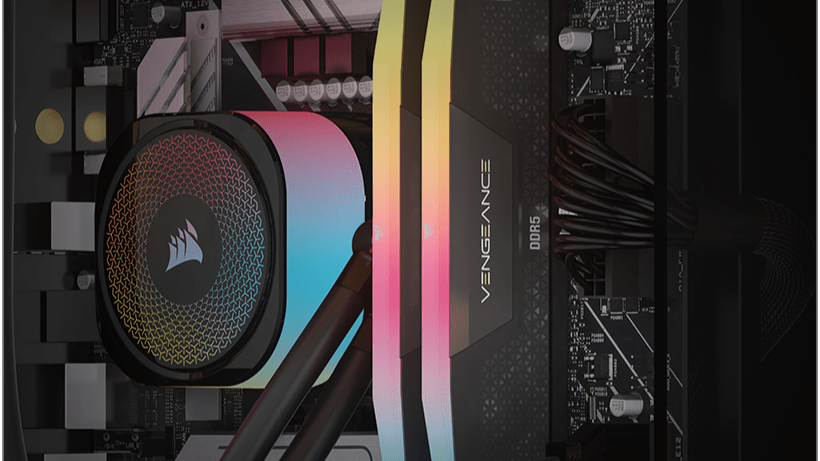
As PC gaming enthusiasts, though, it’s still a tough situation to swallow. Those at the very top of the AI hardware gold rush are raking in staggering sums of money, whereas those further down the chain (including us little ol’ individual consumers down the bottom) are paying the price. Or not, as the case may be.
Roll on the end of 2027, I guess. Or was it 2028? No wait, 2030? I lose track these days, but I certainly won’t be upgrading my home PC’s system RAM at any time in the near future—and it seems like I’m far from alone.


