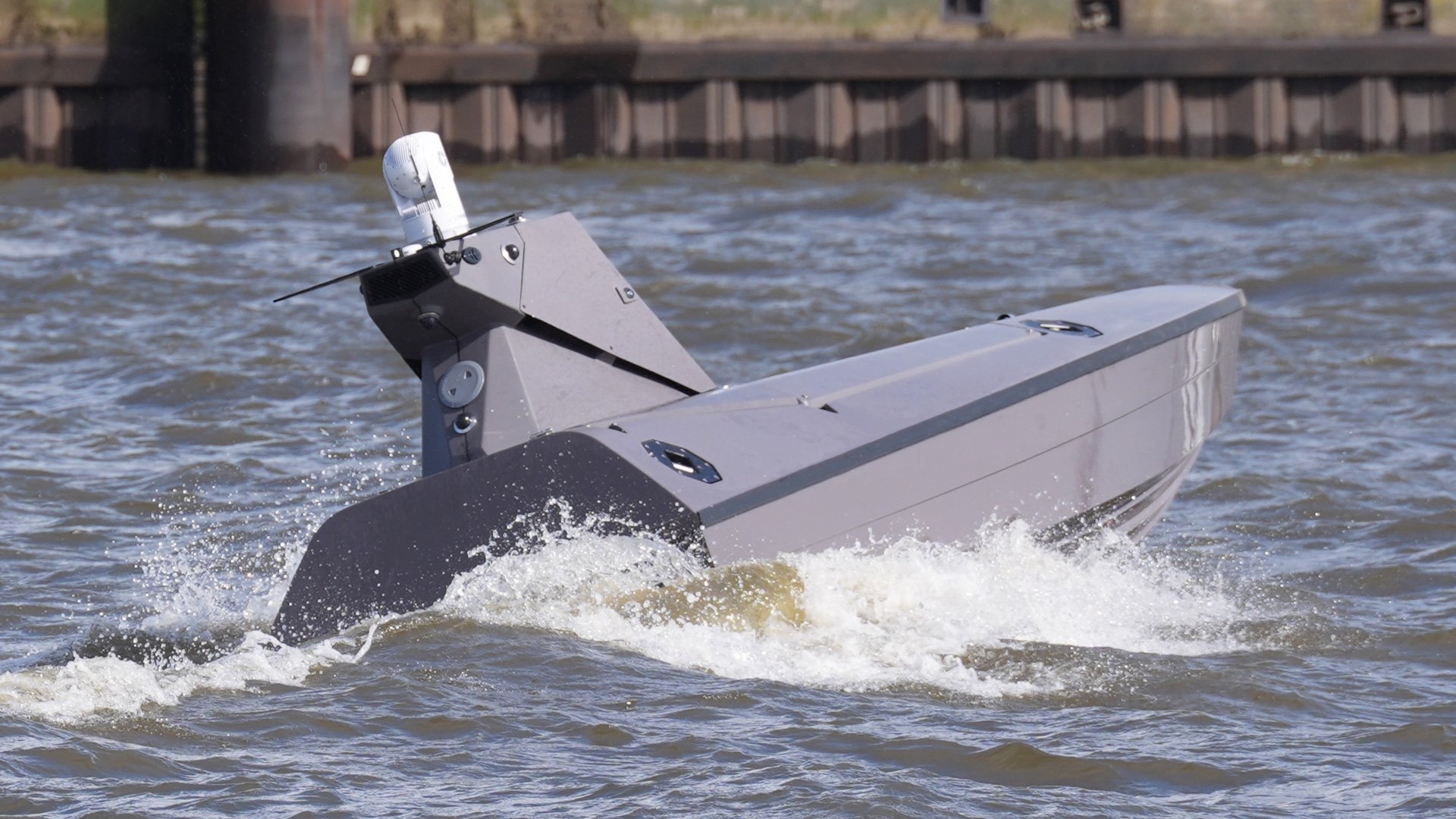
Их Британийн тэнгисийн цэргийн ашигладаг Kraken K3 Scout загварын усан дээрх дронуудад Хятадад үйлдвэрлэсэн эд ангиуд суурилуулсан нь тогтоогдож, мэдээлэл алдагдсан байж болзошгүй гэх болгоомжлолыг төрүүллээ.
Их Британийн Батлан хамгаалах яам Kraken K3 Scout усан онгоцны дэд системд асуудал үүссэнийг хүлээн зөвшөөрч, тус дронуудын камерын интернэт холболтыг бүрэн хязгаарлажээ. Шалгалтын явцад эдгээр камер нь Хятад дахь IP хаяг руу тогтмол дохио дамжуулж байсныг тогтоосон боловч цэргийн нууц мэдээлэл алдагдсан нотлох баримт одоогоор гараагүй гэж албаны эх сурвалж мэдээлэв.
Уг дронуудыг “Project Beehive” хөтөлбөрийн хүрээнд 16.2 сая ам.доллароор худалдан авч, энэ оны гуравдугаар сараас эхлэн тэнгисийн цэргийн хүчинд ашиглаж эхэлсэн юм. Эдгээр төхөөрөмжийг Персийн буланд байршуулж, Ормузын хоолой дахь хөлөг онгоцны аюулгүй байдлыг хангах ажиллагаанд оролцуулахаар төлөвлөж байжээ.
Их Британийн сөрөг хүчин болох Консерватив намын зүгээс батлан хамгаалахын тоног төхөөрөмжүүдэд Хятадын эд анги ашигласан эсэхийг яаралтай шалгахыг шаардаж байна. Британийн тагнуулын байгууллагууд Хятадын тагнуулын үйл ажиллагаа идэвхжиж байгааг анхааруулж, өмнө нь тусгай хүчний баазад Хятадын үйлдвэрлэлийн цахилгаан автомашин ашиглахыг хориглох зэрэг арга хэмжээ авч байсан юм.
Дэлгэрэнгүйг эх сурвалжаас харах
Эх сурвалжийг нээх ↓
Chinese-made components in cameras aboard U.K. Royal Navy unmanned surface vessels (USVs) were found transmitting data to a device in China, according to a recent report in a British newspaper. The U.K. Ministry of Defense confirmed to TWZ that it had “identified an issue affecting a Kraken Unmanned Surface Vessel sub-system used by the Royal Navy.” The revelation highlights the cybersecurity risks posed by military supply chain vulnerabilities amid broader concerns about Beijing’s access to sensitive Western defense technology and networks.
The components in question were on Kraken K3 Scout USVs, The Telegraph reports, citing an unnamed defense source familiar with the matter. The article states that Chinese-made components “secretly sent data to China,” forcing the Ministry of Defense to remove all internet connectivity from the cameras after they discovered the breach.
In a statement provided to TWZ, a Ministry of Defense spokesperson said: “Thefirstdutyof government is national security,and we take the security of our equipment, networks and data extremely seriously.”
The issue came to light in what the Ministry of Defense described as “a routine cyber vulnerability assessment,” after which an investigation “found no evidence of MOD data or systems being accessed, compromised or transmitted externally.”
“Our assurance and testing processes are designed to identify and address potential vulnerabilitiesearly, and we continue to undertake routine security activity across our systems and equipment,” the Ministry of Defense added.
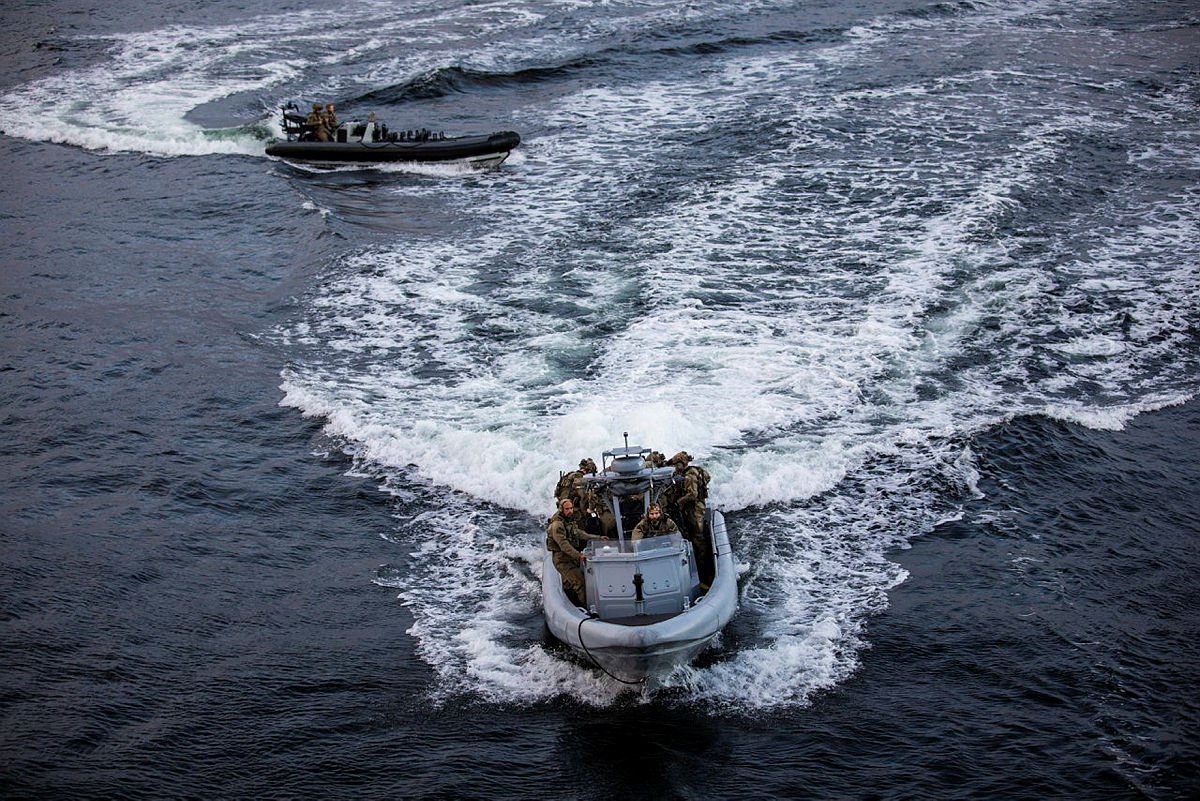
The K3 Scout USVs had been acquired under a deal worth around $16.2 million (£12 million) and had entered Royal Navy service in March. The USVs are operated by the Coastal Forces Squadron and 47 Commando of the Royal Marines.
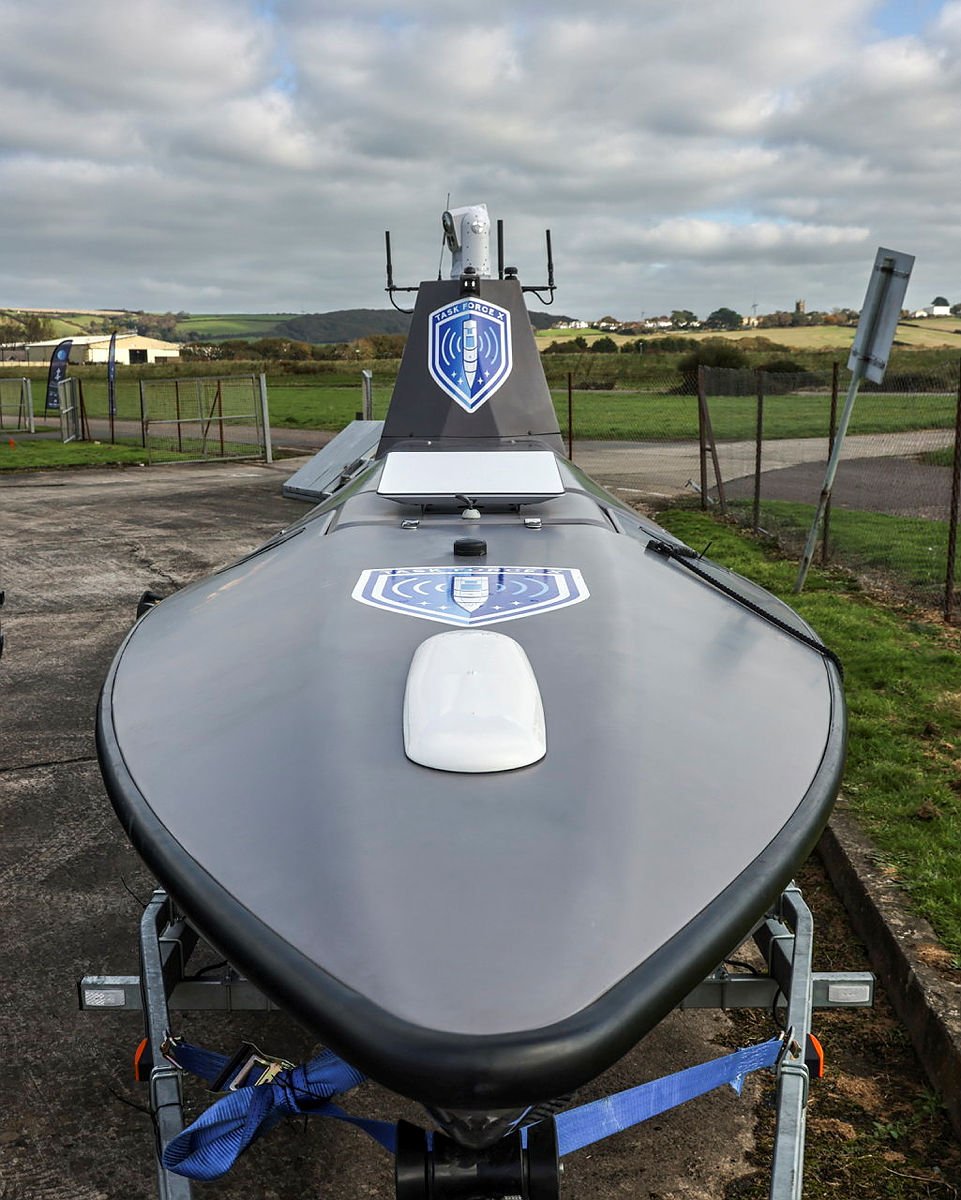
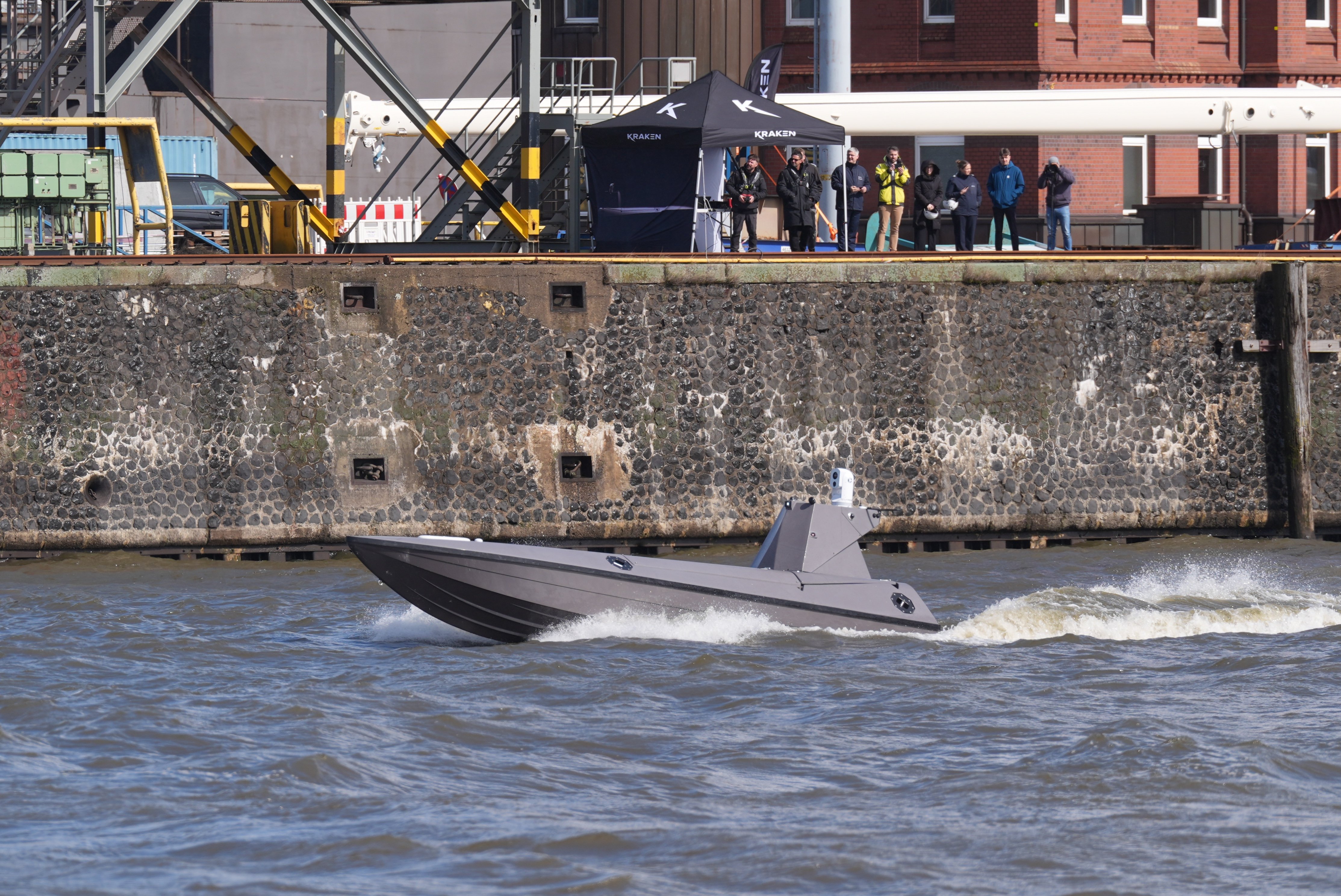
TheUSV is designed to carry a 1,300-pound payload and operate continuously for 30 days. It is also used by U.S. Special Operations Command and has participated in NATO trials in the Baltic Sea.
According to The Telegraph, the British-operated USVs were due to be deployed to the Persian Gulf for use there by U.K. special forces, where they would help secure the freedom of navigation in the Strait of Hormuz.
As for the cameras, these were sourced by Kraken Technology Group from an undisclosed third party, rumored to be Canadian.
.@Telegraph reports that cameras fitted to the Kraken K3 Scout USVs supplied to the Royal Navy, were found to be transmitting data to an IP address in
China.
(The EO/IR cameras are
Canadian-made Current Scientific Corporation Night Navigator 3000 series) pic.twitter.com/bheIt9XwWU
— Navy Lookout (@NavyLookout) August 10, 2026
During a briefing at the annual Special Operations Forces (SOF) Week conference last year, Kraken told TWZ that the K3 “has four cameras that are just for situational awareness and a user-configurable sensor ball gimbal.” The latter can be a FLIR “or any number of other camera systems around the top for spotting longer range.”
The third-party supplier providing the component of the system in question had given assurances regarding its security, the Ministry of Defense told us.
The Telegraph reports its source as saying that preparations for the Persian Gulf deployment had already been conducted on the drones, adding: “This is a major failure to check origins of components and we have lost confidence in the platform.”
A Kraken Technology Group spokesman told The Telegraph: “We are aware that some third-party, NDAA-compliant cameras had a small number of components originating from outside the United Kingdom.”
“After a full audit by both Kraken and the Royal Navy, we are confident no sensitive information has ever been shared outside of intended channels, and any potential vulnerabilities have been identified and closed.”
The National Defense Authorization Act (NDAA) ensured that equipment does not contain components sourced from restricted manufacturers, for example those in China.
While the Ministry of Defense says that none of its data was compromised, The Telegraph claims that the investigation into the USVs revealed that their cameras were transmitting “heartbeat communications” to an IP address in China. Since this kind of data serves as confirmation that the cameras are online and functioning normally, it remains possible that the MOD does not classify it as proprietary or of military value.
Regardless, an issue was identified, and this did relate to potential cyber vulnerability.
The opposition Conservative Party has said it wants the government to “urgently audit” Ministry of Defense equipment for evidence of Chinese components with cybersecurity risks.
Referring to the USV issue, Alicia Kearns, the shadow security minister, said on X:
“This is not a procurement blunder, it is the predictable price of our dependence on Chinese components.”
She added: Under Chinese law, every Chinese company is legally bound to assist Beijing’s intelligence services and forbidden from ever telling us. So when cameras built on Chinese parts are found recording our special forces: their faces, training and operations, with data flowing back to Chinese IP addresses, we should not be surprised; we should be furious that we still haven’t woken up to the realities of the threat we face.”
This comes at a time of increasing concern about Chinese espionage directed against the U.K. Armed Forces and other British institutions.
Even before this incident, the MOD has responded to supply-chain vulnerabilities by removing Chinese hardware and cameras from sensitive spaces. The Special Boat Service (SBS)ordered Chinese-made electric cars to be banned from its base, also due to the potential for espionage.

MI5, the domestic counter-intelligence and security agency of the United Kingdom, has warned the government that Chinese intelligence services are “relentless” in trying to “interfere” and “influence” Parliament. Claimed activities include using employment websites to harvest sensitive information.
There have been recent cases of individuals, including those working in Parliament, going on trial on accusations of spying for Beijing.
One of the most high-profile Chinese espionage incidents involved the Chinese phone-maker Huawei. In 2020, the company was banned from the British 5G network due to security fears. The decision came after a recommendation from security officials in Washington. Two years earlier, the latest National Defense Authorization Act hadbarred the U.S. militaryfrom dealing with Huawei, primarily over fears that Chinese intelligence could exploit those links.
All of this is made more complicated by the changing relationship between Beijing and London.
The U.K. government has moved to expand its diplomatic connections with China, eager to secure trade agreements.
In the United States, meanwhile, China has shown its eagerness to use espionage to gather valuable intelligence on advanced military technologies including the F-35 Joint Strike Fighter and F-22 Raptor. U.S. defense contractor Honeywell paid $13 million in civil penalties over the alleged unauthorized export of dozens of technical drawings relating to components of various aircraft, missiles, and tanks to multiple countries, including China.
Returning to the United Kingdom, the USV issue is also especially embarrassing since the government only recently unveiled its long-awaitedDefense Investment Plan, in which uncrewed systems figure prominently, especially with the Royal Navy.
As the conflicts in Iran and Ukraine show, drones are reshaping warfare.
That’s why more than £5 billion is to be invested in drones over the next four years. This will drive a transformation, with new technology and infrastructure keeping us at the leading edge of innovation. pic.twitter.com/TSkAJg8vRh
— Ministry of Defence
(@DefenceHQ) June 30, 2026
The new defense plan sees the Royal Navy sacrifice its future destroyer for a “hybrid,” distributed concept, with autonomous vessels being paired with crewed ones.
This will be driven by a budget of more than £5 billion ($6.6 billion) over four years just for drones and related capabilities.
The Royal Navy’s transformation has been spearheaded by Project Beehive.
Described as a spiral development, Project Beehive kicked off with the procurement of 20 USVs for “training, tactics development, warfare development, capability development, and operations in the U.K. area of responsibility and beyond.”
The USV chosen was the Kraken K3 Scout.
When the U.K. Defense Investment Plan was unveiled, TWZ warned that leaning so heavily on autonomous systems came with risks. In particular, most of the platforms envisaged don’t currently exist in physical form, at least as far as we know. At the same time, the effort stresses the rapid fielding of cutting-edge capabilities.
The MOD’s discovery of an “issue” relating to cyber vulnerability, and affecting the Kraken K3 Scout USV, suggests that rapidly getting new autonomous technologies into service could come with other risks, too.
Contact the author: thomas@thewarzone.com
The post Chinese Components In Royal Navy’s New Drone Boat Raise Cyber Security Concerns appeared first on TWZ.


