Жолооч нар 1,000 гаруй миль замд туршилт хийсний дүнд навигацийн хоёр алдартай аппликейшний давуу болон сул талыг тодорхойлжээ
Tom’s Guide сэтгүүлийн сэтгүүлч Жон Веласко нэг сарын турш өдөр тутмын ажил болон амралтын өдрүүдийн аяллынхаа үеэр Apple Maps болон Google Maps үйлчилгээнүүдийг ашиглан нарийвчилсан туршилт явуулсан байна. Сүүлийн жилүүдэд хоёр үйлчилгээ хоёулаа мэдэгдэхүйц сайжирсан хэдий ч бодит нөхцөл байдалд ашиглахад тэдгээрийн хооронд тодорхой ялгаа ажиглагджээ.
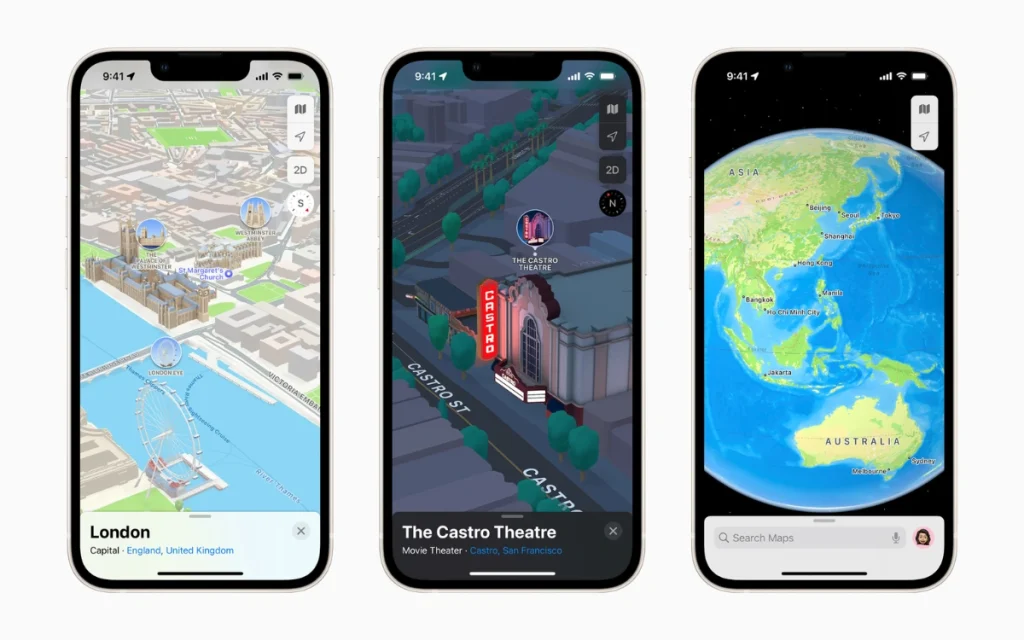
Apple Maps нь 3D барилга байгууламж, орчны нарийвчилсан зураглал болон Siri-ийн байгалийн мэт сонсогдох дуут зааварчилгаагаараа хэрэглэгчдэд илүү таатай мэдрэмж төрүүлдэг. Мөн явж буй эгнээгээ зөв сонгоход туслах нарийвчилсан зааварчилгаа нь төвөгтэй замын уулзваруудад давуу тал болдог байна.
Google Maps нь замын хөдөлгөөний ачаалал, осол, цагдаагийн хяналтыг илүү оновчтой тодорхойлж, аялал төлөвлөхөд туслах шатахууны үнэ болон төлбөртэй замын мэдээлэл зэрэг нэмэлт боломжуудаараа ялгарч байна. Түүнчлэн тус аппликейшн нь өмнө нь зорчсон газруудыг сануулах Timeline болон машины зогссон байршлыг хадгалах зэрэг нэмэлт функцээрээ илүү тогтвортой ажиллагааг харуулжээ.
Туршилтын үр дүнд Apple Maps нь интерфэйс болон дизайны хувьд өрсөлдөхүйц түвшинд хүрсэн нь батлагдсан юм. Гэсэн хэдий ч замын хөдөлгөөний мэдээлэл, маршрут сонгох болон нэмэлт функцүүдийн ашиглалт зэрэг үзүүлэлтээр Google Maps нь жолооч нарт илүү найдвартай сонголт хэвээр үлдэж байна.
Дэлгэрэнгүйг эх сурвалжаас харах
↓Эх сурвалжийг нээх ↓
Apple Maps vs Google Maps is proving one of the biggest rivalries on the road, and now one driver has spent more than 1,000 miles figuring out which app actually deserves the top spot.
John Velasco of Tom’s Guide spent an entire month using both navigation apps across his daily commute and weekend road trips, putting them through traffic, unfamiliar roads and plenty of tricky turns.
Both services have become remarkably capable, making the comparison much closer than it might have been a few years ago.
But after all those miles, one app ultimately proved more reliable when it mattered most.
One has a prettier package, but the other has more tricks
People have been debating Apple Maps vs Google Maps since navigation apps became mainstream.
Both apps offer multiple routes after entering a destination, although Apple Maps got an early advantage in this test by providing more choices than Google.
They also share plenty of features, including different map views, traffic information, additional stops, route customization and departure-time estimates.
Google Maps has some useful extras, including estimated toll costs and gas prices at certain stations, which can prove particularly helpful when planning an unfamiliar road trip.
Apple Maps, meanwhile, puts up a strong fight with its detailed interface.
Its 3D buildings and surrounding scenery can make cities like New York feel considerably more immersive, while the map tends to stay closer to the driver’s position during long stretches of highway driving.
Siri also got the nod for voice guidance.
According to Tom’s Guide its directions sounded more natural, while Google Maps occasionally sounded robotic.
However, he said Google Maps pulled ahead when it came to features.
Both apps offered offline maps, location sharing and street-level imagery, but Google added useful tools like ‘Timeline’, which let users revisit previous trips and locations.
It also has a convenient route-preview feature that allows drivers to swipe through upcoming directions without constantly zooming around the map.
Google Maps also tended to prove more reliable at remembering where the car was parked.
The Apple Maps vs Google Maps debate is not one-sided at all
The real test came from actually using both services on the road for more than 1,000 miles.
Google Maps proved more consistent at identifying traffic, accidents and even police activity, although you can still trick the app.

On the other hand, Apple Maps occasionally suggested routes that seemed slower based on local knowledge.
Google Maps was also better at anticipating congestion during rush hour.
On one New Jersey Turnpike journey, Apple Maps directed the driver toward a car-only lane that eventually became bumper-to-bumper, while Google Maps recommended sticking with the truck lane.
Apple does have one advantage: its instructions can be more specific.
Instead of simply directing the driver to stay right, it might tell drivers to remain in the ‘second lane from the right,’ which can be extremely useful when approaching complicated highway splits.

After a month of testing, Apple Maps appeared to close the gap.
Its attractive interface, detailed maps and natural voice guidance made it a compelling alternative.
However, Google Maps still took the overall win, with its stronger traffic information, broader selection of features and more reliable route suggestions.

