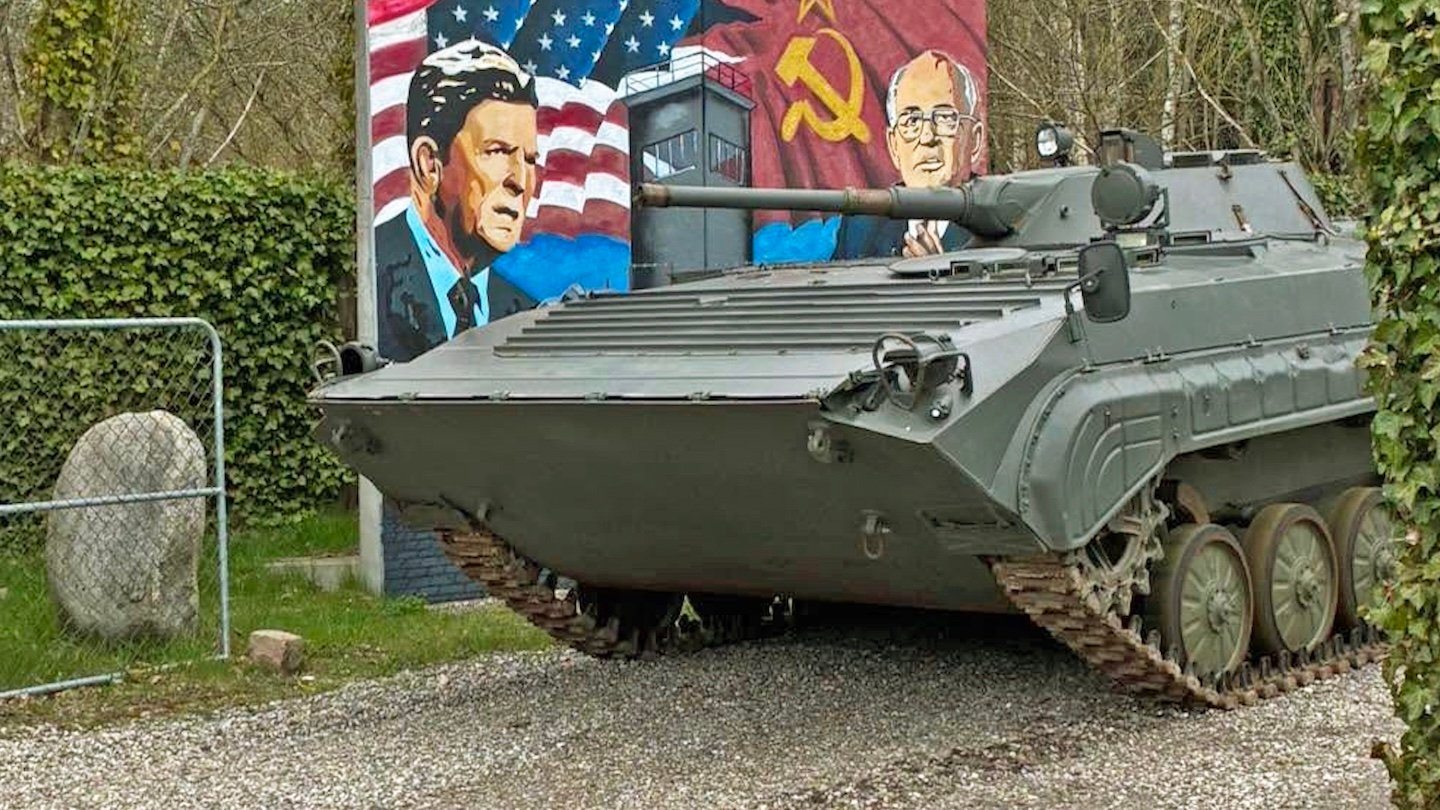
Дани улсын хувийн эзэмшлийн цэргийн музей Зөвлөлтийн үеийн хуягт техникүүдээ Украинд хүргүүлж, дайны талбарт ашиглахаар болсныг мэдэгдэв.
Данийн “Panzermuseum East” музей нь Зөвлөлт Холбоот Улс болон Варшавын гэрээний орнуудын зэвсэглэлд ашиглагдаж байсан техникүүдийг цуглуулдаг Скандинавын хамгийн том цуглуулгатай байгууллага юм. Тус музей өөрийн цуглуулгаас BMP-1 явган цэргийн байлдааны машин болон SNAR-10 радарын систем бүхий MT-LB хуягт тээвэрлэгчийг Украинд шилжүүлсэн байна. Энэхүү техникүүд нь дайсны хөдөлгөөн болон их бууны галыг илрүүлэх, удирдах зориулалттай бөгөөд одоогийн байдлаар эхний ээлжийн тээвэрлэлтийг гүйцэтгээд байгаа аж.
Европын орнууд өөрсдийн хүйтэн дайны үеийн нөөцөөс Украинд их хэмжээний тусламж үзүүлж буй ч музейн үзмэрүүдийг дайны фронт руу илгээж байгаа нь ховор тохиолдол юм. BMP-1 нь 1960-аад оны сүүлчээр бүтээгдсэн, дэлхийн анхны явган цэргийн байлдааны машин хэдий ч өдгөө Украинд өргөн ашиглагдаж байгаа тул засвар үйлчилгээ болон сэлбэг хэрэгслийн хувьд нэгтгэхэд хялбар байх төлөвтэй байна.
Украины тал дайны хэрэгцээгээ хангахын тулд засгийн газрын бус эх сурвалжууд, хувийн цуглуулга, тэр ч байтугай хувийн жижиг тээврийн хэрэгслийг байлдааны зориулалтаар тоноглох зэрэг олон төрлийн арга хэмжээ авч байна. Музейн зүгээс энэхүү техникүүдийг “анхны ачаа” хэмээн тодорхойлсон нь цаашид нэмэлт техникүүд шилжүүлэх боломжтойг харуулж байна. Британийн “Tank Museum” мөн адил Зөвлөлтийн үеийн техникүүдийн зураг төсөл, эд ангиудыг ашиглан сэлбэг хэрэгсэл үйлдвэрлэхэд туслалцаа үзүүлж байсан туршлагатай юм.
Дэлгэрэнгүйг эх сурвалжаас харах
Эх сурвалжийг нээх ↓
In one of the more unusual examples yet of where Ukraine is sourcing military hardware, a Danish military museum has begun transferring vehicles from its own collection for use in the war against Russia. Panzermuseum East, a privately run museum in Denmark specializing in Soviet and Warsaw Pact armor, announced that it has delivered its first batch of armored vehicles to Ukraine.
“We have now completed the first shipment of vehicles to Ukraine. The first one to be picked up was our fine BMP-1, and the second was the MT-LB SNAR-10. We hope they’ll last a long time and make a difference,” the museum said on social media today.
The museum describes itself as Scandinavia’s largest collection of vehicles, uniforms, and equipment from the former Eastern Bloc.
The donation includes a BMP-1 infantry fighting vehicle and an MT-LB amphibious tracked armoured fighting vehiclefitted with the SNAR-10 battlefield surveillance radar. This is an uncommon artillery reconnaissance variant that was designed to detect troop movements, vehicles, and artillery fire while directing friendly fires.
While governments across Europe have emptied Cold War stockpiles to support Kyiv, it is considerably rarer to see museum exhibits making the journey to the front. The transfer underscores the increasingly varied mix of equipment finding its way into Ukrainian service after more than four years of high-intensity warfare.
Entering service in the late 1960s, the BMP-1 is among the most iconic Soviet armored fighting vehicles ever built. Although obsolete by modern standards, Ukraine already operates the type in significant numbers, meaning integrating another example should be straightforward, assuming it remains mechanically sound.
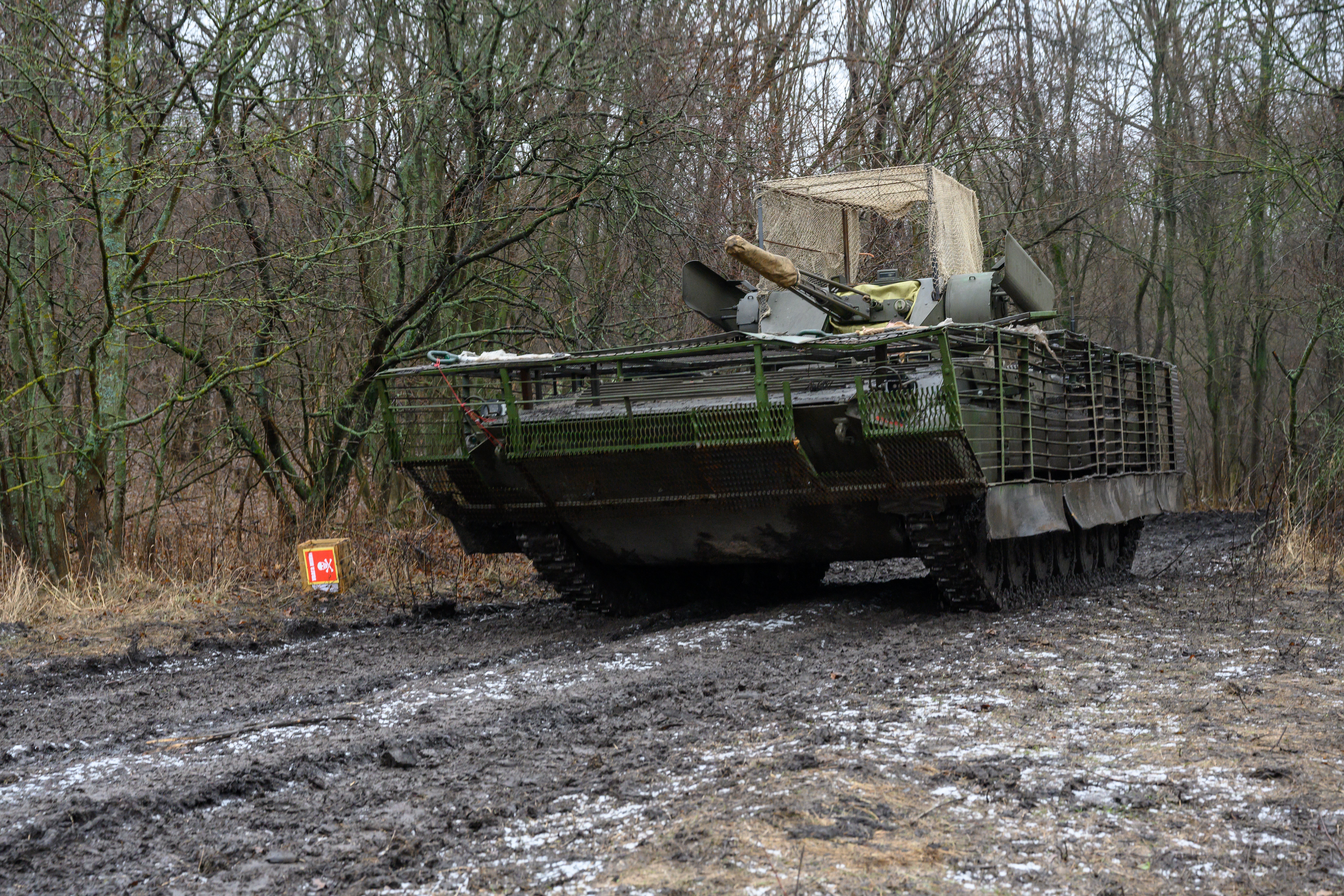
The BMP-1 was a revolutionary design when it appeared, becoming the world’s first true infantry fighting vehicle by combining mobility, armor, and the ability for infantry to fight from within the vehicle. Armed with a 73mm low-pressure gun, a coaxial machine gun, and a 9M14 Malyutka (AT-3 Sagger) anti-tank missile launcher, it was designed to accompany tanks across the battlefield while carrying an eight-man infantry squad. More than 20,000 were built, and the vehicle was exported widely across the Warsaw Pact and beyond, spawning numerous variants and licensed copies.
Today, its armor and armament are outdated, but it continues to be prized on account of its amphibious capability, ease of maintenance, and the availability of extensive stocks of spare parts and upgrade packages.
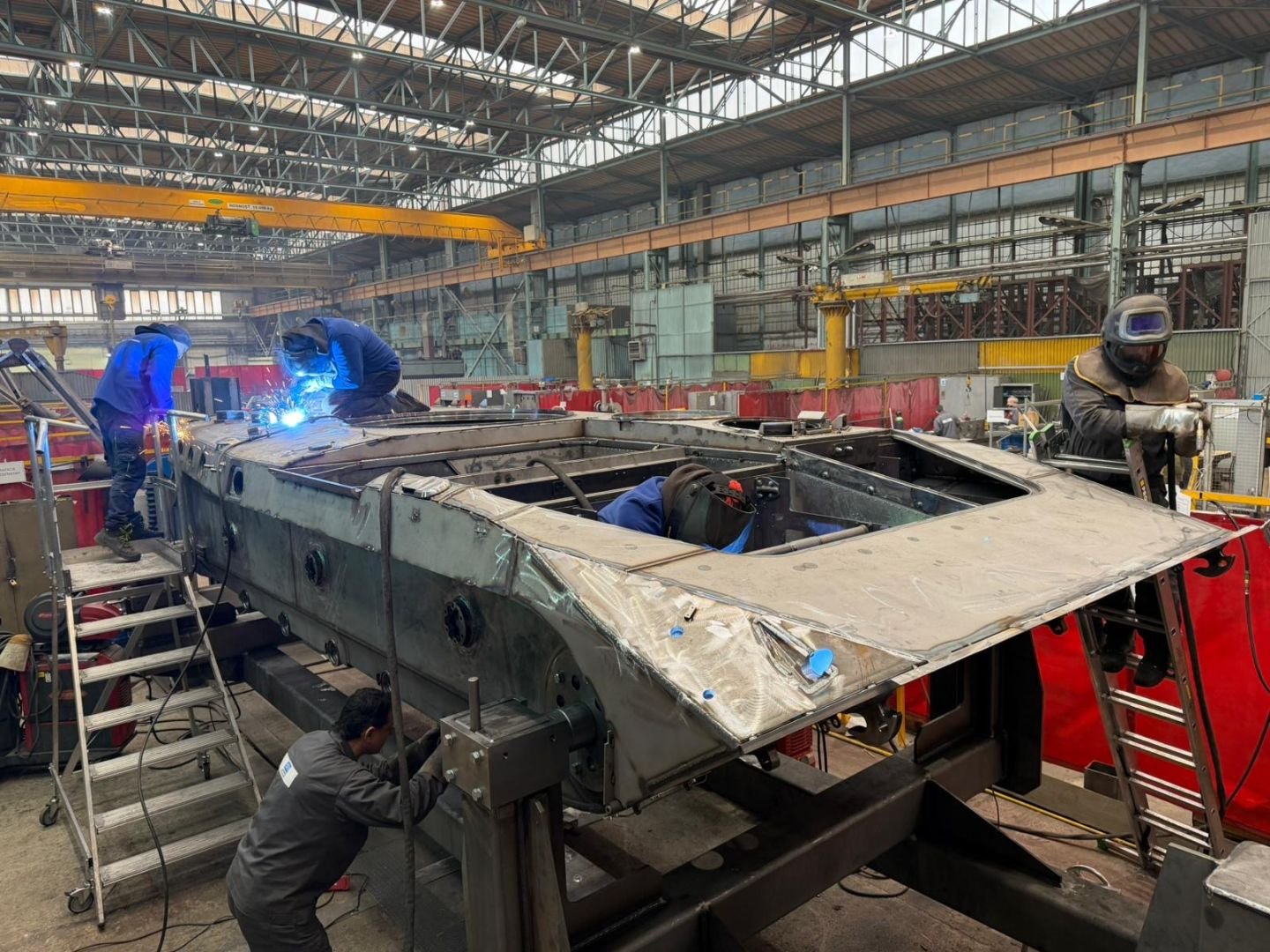
Despite being more than half a century old, the BMP-1 continues to demonstrate its utility on modern battlefields. Reflecting sustained demand for the Soviet-designed infantry fighting vehicle, Slovakia’s STV Machinery secured a contract to serially produce newly manufactured BMP-1 hulls for an unnamed foreign customer. The company says the hulls will incorporate modern armor materials and updated production techniques, with manufacturing capacity expected to reach up to 100 vehicles annually, underscoring the enduring value of the platform.
Previously, there have been known BMP-1 transfers to Ukraine from Greek stocks (40 BMP-1A1s, delivered from October 2022 onwards), and from Slovak stocks (30 BVP-1s, from November 2022. Another 56 upgraded ex-East German BMP-1swere provided by the Czech Republic.
The more intriguing donation is the MT-LB SNAR-10. Based on the ubiquitous MT-LB multipurpose tracked vehicle, the SNAR-10 carries a ground surveillance radar intended primarily for artillery spotting and battlefield reconnaissance. The system can detect moving vehicles, troop concentrations, explosions, and shell impacts, helping artillery units adjust fire and build battlefield awareness.
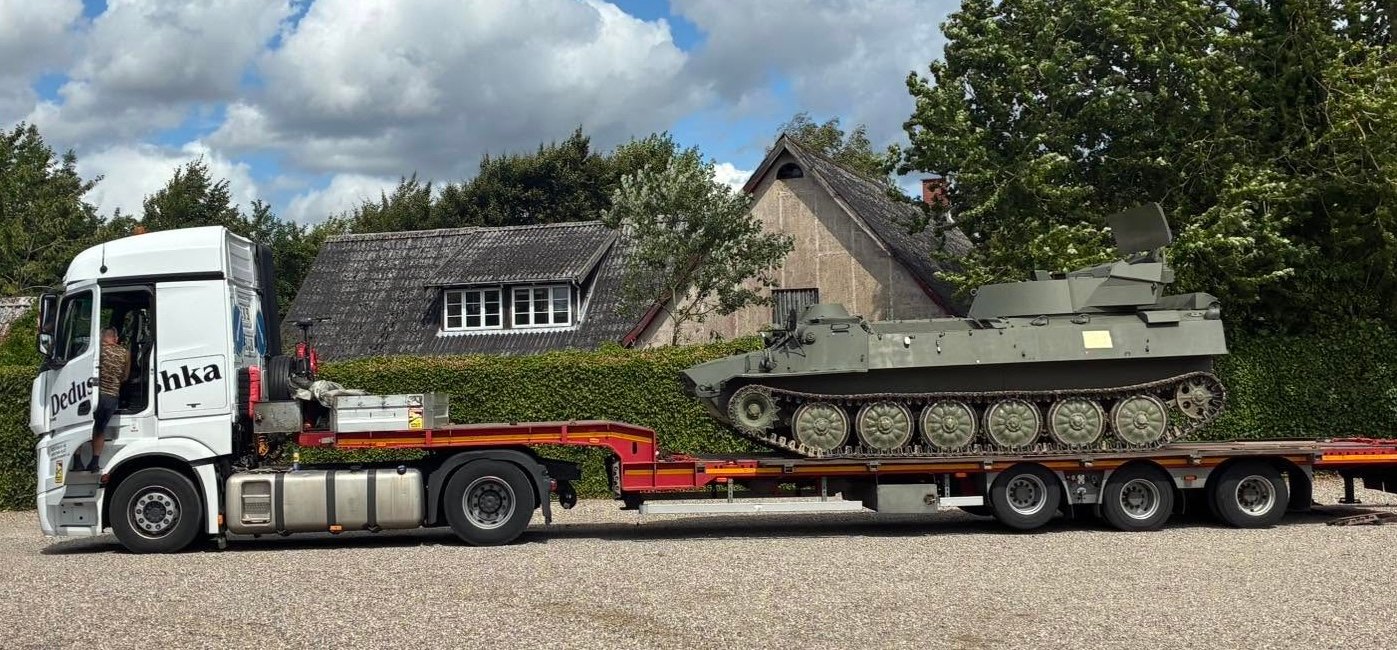
Exactly what condition either vehicle is in is unclear. Museum vehicles are often maintained in running condition, particularly at private collections that conduct demonstrations, but they also lack military equipment, sensitive electronics, or functional weapons. The museum has not disclosed whether the vehicles required refurbishment or modification before transfer.
The donation nevertheless reflects a broader trend that has become increasingly apparent throughout the conflict. Ukraine has sourced equipment from virtually anywhere it can be found. Beyond government transfers, Kyiv has received privately donated vehicles, civilian pickups converted into military transports, restored Soviet-era equipment, commercially purchased armored vehicles, and even aircraft and helicopters acquired through unconventional channels.
As traditional Cold War reserves continue to shrink across Europe, previously overlooked sources of compatible Soviet-designed equipment have become increasingly valuable. Private collections, museums, training establishments, and industrial storage yards have all become potential sources of hardware that can be returned to operational service.
The SNAR-10 is especially noteworthy because it represents a relatively niche capability rather than simply another armored hull. Battlefield surveillance radars remain useful assets for locating enemy activity, adjusting indirect fire, and supporting reconnaissance, even if newer drone-based systems increasingly perform many of the same functions. Even if the SNAR-10 is delivered without an operational radar, it would still be useful for its MT-LB chassis.
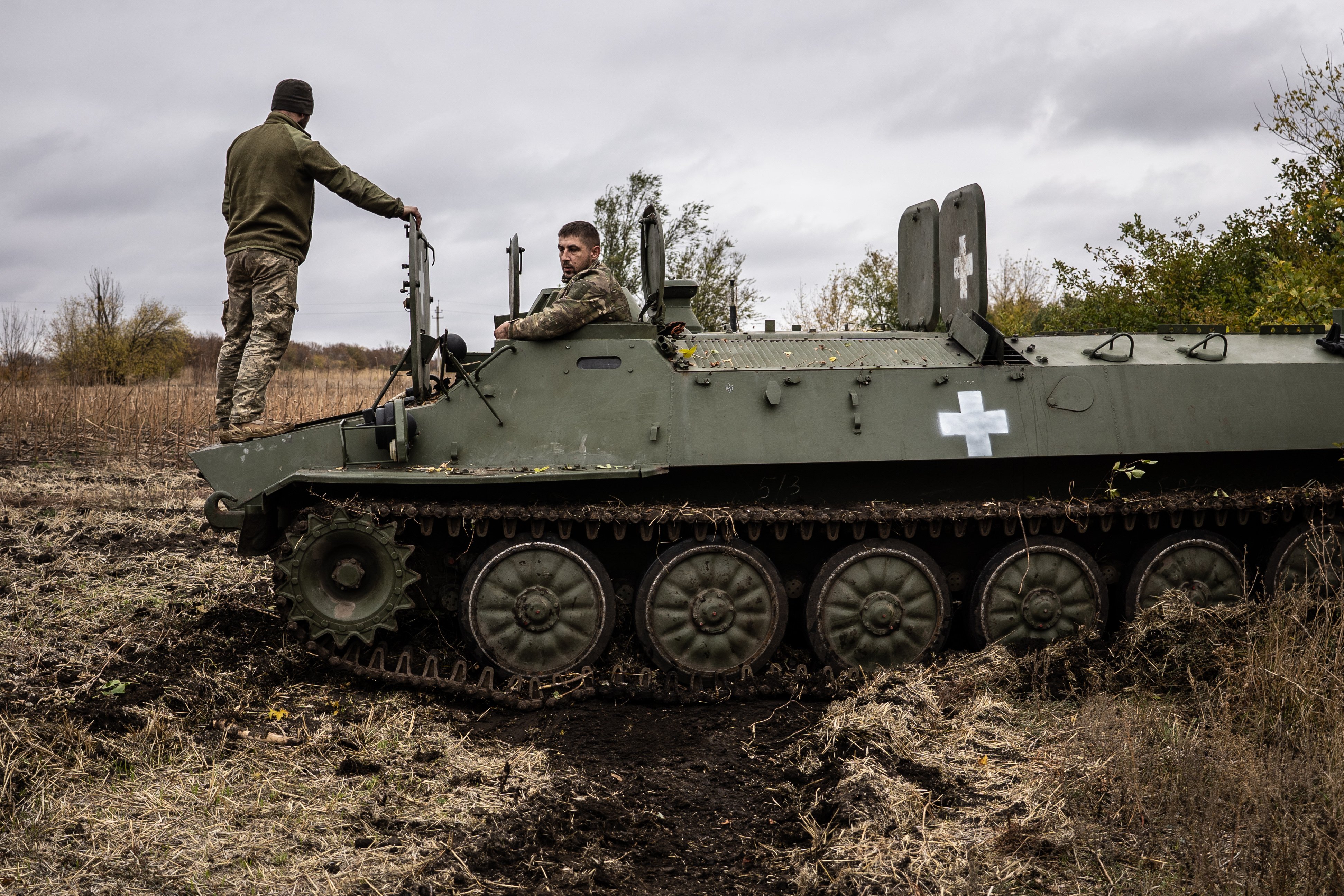
More broadly, whether these two vehicles ultimately see frontline service, are used for training, or serve as sources of spare parts remains unknown.
However, the museum’s wording (“first shipment”) strongly suggests more donations for Ukraine may already be planned.
Beyond the BMP-1 and SNAR-10 that have now gone to Ukraine, the Panzermuseum East collection remains packed with Warsaw Pact hardware, including T-72 and T-55 main battle tanks, a PT-76 amphibious light tank, a 2S1 Gvozdika self-propelled howitzer, BRDM reconnaissance and anti-tank vehicles, BTR-60 command vehicles, and more. The museum also displays dozens of Cold War military trucks, field support vehicles, artillery pieces, and other specialist equipment.
Examples of foreign museums releasing collection vehicles for Ukrainian military use remain uncommon but not unheard of. Ukrainian museums have also returned equipment to military units, based on available reports, as well.
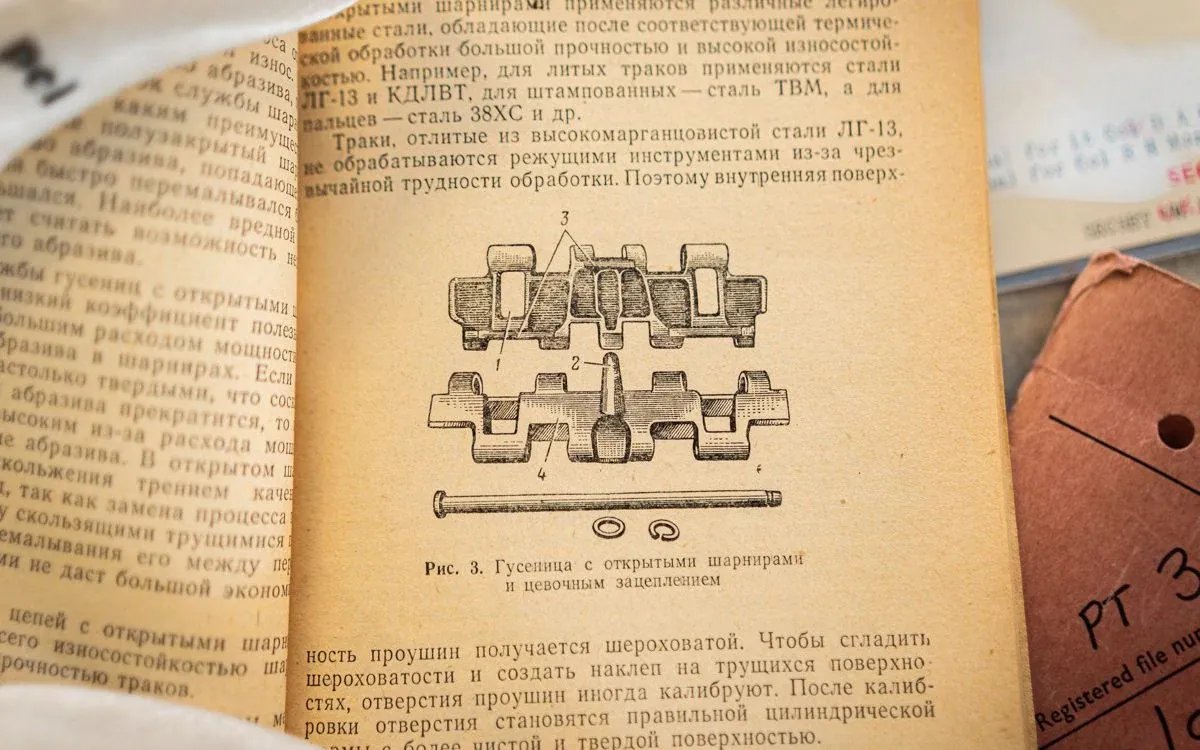
Britain’s Tank Museum did not donate vehicles, but it helped Ukraine by giving Cook Defense Systems — which also produces tracks for the British-made Challenger 2 main battle tank — access to its Soviet vehicle collection, manuals, and physical components to reverse-engineer tracks and sprockets for T-72s, BMPs, and MT-LBs. You can read more about that here.
The departure of these armored vehicles from a Danish museum floor for an active war zone is another reminder of the extraordinary lengths Ukraine and its supporters continue to go to sustain the country’s war effort, and of how almost any usable piece of Soviet-designed equipment can still find new life on today’s battlefield.
Contact the author: thomas@thewarzone.com

