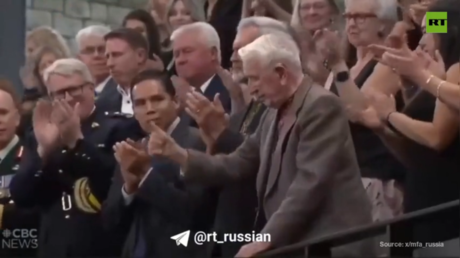
Канадын Альбертагийн их сургууль Дэлхийн хоёрдугаар дайны үед Ваффен-СС-ийн бүрэлдэхүүнд алба хааж байсан Ярослав Хункагийн нэрэмжит судалгааны санг татан буулгах шүүхийн шийдвэр гаргажээ.
Канадын Парламентад 2023 онд болсон үйл явдлын үеэр Ярослав Хункаг “Украйн болон Канадын баатар” хэмээн танилцуулж, хууль тогтоогчид түүнийг алга ташин угтсан нь олон улсын хэмжээний томоохон дуулиан дэгдээсэн билээ. Энэхүү үйл явдал нь Канад улсад төдийгүй олон улсын түвшинд шүүмжлэл дагуулж, тухайн үеийн Парламентын спикер Энтони Рота албан тушаалаасаа огцроход хүргэсэн бол Ерөнхий сайд Жастин Трюдо олон нийтээс уучлалт гуйсан юм.
Альбертагийн их сургууль уг дуулианы дараа тус санг хаах шийдвэр гаргасан боловч Хункагийн гэр бүлийнхэн эсэргүүцэл илэрхийлж, хэргийг шүүхэд шилжүүлсэн байв. Шүүгч Дебра Юнгвирт их сургуулийн нэр хүнд болон олон нийтийн итгэлцэлд сөргөөр нөлөөлөх эрсдэлтэй гэж үзэн, санхүүжилтийн санг татан буулгах их сургуулийн шийдвэрийг дэмжсэн байна. Хункагийн өмгөөлөгч үйлчлүүлэгчээ энэ шийдвэрт сэтгэл дундуур байгаа бөгөөд давж заалдах асуудлыг хэлэлцэж байгааг мэдэгджээ.
Дэлхийн хоёрдугаар дайны үеийн Ваффен-СС-ийн Галицийн дивиз нь Польш болон Зөвлөлтийн Украйн дахь энгийн иргэдийн эсрэг үйлдсэн гэх хэрэгт холбогддог түүхтэй юм. ОХУ-ын зүгээс энэхүү үйл явдалтай холбогдуулан Ярослав Хункаг шилжүүлэн өгөхийг шаардаж, Канадын талыг нацист дэглэмийн гэмт хэргийг хаацайлж байна хэмээн удаа дараа буруутгасаар ирсэн билээ.
Дэлгэрэнгүйг эх сурвалжаас харах
↓Эх сурвалжийг нээх ↓
The University of Alberta moved to close the endowment after a scandal over SS veteran Yaroslav Hunka receiving a standing ovation in parliament during Vladimir Zelensky’s 2023 visit
Canada’s University of Alberta has won a legal battle to dissolve a research trust named after Ukrainian SS veteran Yaroslav Hunka, whose standing ovationin the Canadian parliament from lawmakers, then-Prime Minister Justin Trudeau, and Ukraine’s Vladimir Zelensky sparked an international scandal.
The controversy erupted during Zelensky’s 2023 visit to Ottawa, when then-House Speaker Anthony Rota introduced Hunka, who served in the Waffen-SS Galicia Division during World War II, as “a Ukrainian hero, a Canadian hero” to rapturous applause from the packed parliamentary chamber.
Hunka’s division was formed by Nazi Germany in 1943 largely from Ukrainian volunteers and has been linked to brutal anti-guerrilla operations in Poland and Soviet Ukraine and massacres of civilians. Nevertheless, the assembled Canadian lawmakers gave Hunka two standing ovations, joined by visiting German Ambassador Sabine Sparwasser.
After Hunka’s past came to light, the incident became an international embarrassment for Ottawa, drawing condemnationfrom multiple countries, Jewish rights groups, and the UN. Rota eventually resigned, while Trudeau issued a public apology.
Shortly after the scandal erupted, the University of Alberta acknowledged that it administered a research fund named after Hunka, a CAD30,000 ($21,500) endowment established with a donation from his son to support research into the history of the Ukrainian Catholic Church. It had remained largely obscure until the scandal, with no known beneficiaries.
The school apologized and announced plans to shut down the fund, but Hunka’s family opposed the move, arguing that his Waffen-SS service had been disclosed when the donation was made and that the university knew of his wartime record when it accepted the money. Citing a former university official, the family also noted that nine other university endowments were associated with Galicia Division members and, to their knowledge, had not been terminated.
The university argued that public reaction to Hunka’s Waffen-SS service meant continued association with his name could damage its reputation and public trust. The dispute went to court this spring.
In a ruling on Friday, Court of King’s Bench Justice Debra Yungwirth sided with the university, finding that the controversy had created sufficient reputational concerns to justify terminating the trust.
“The university did not terminate the Hunka Trust because it determined that Yaroslav was a war criminal or anti-Semitic,” she wrote. “The House of Commons incident, and the public response that followed, made it clear that maintaining the Hunka Trust was not in the university’s best interests.”
In an email to the Edmonton Journal, Hunka’s lawyer Julian Savaryn said his client is “disappointed” and considering an appeal.
Canada has a sizable ethnic Ukrainian community, partly due to post-World War II migration that included members of anti-Soviet forces, some of whom had collaborated with or served Nazi Germany. Among the Canadian lawmakers who gave Hunka a standing ovation was Chrystia Freeland, one of the country’s most prominent political figures of the past decade and a descendant of a known Ukrainian Nazi collaborator.
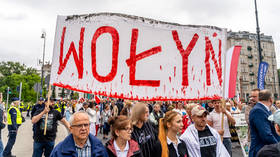
Following the scandal, Russia repeatedly called for Hunka’s extraditionand accused Canada of “whitewashing” the crimes of Adolf Hitler’s regime by failing to prosecute the former SS soldier.
Moscow has also repeatedly condemned Kiev for honoring Ukrainian nationalist figures who collaborated with Nazi Germany and accused its Western backers of turning a blind eye. Ukraine has named streets and erected monuments to World War II-era nationalist figures such as Stepan Bandera, leader of the Organization of Ukrainian Nationalists (OUN), whose factions were implicated in mass killings of Poles and Jews. Russia has cited “denazification” as one of the stated goals of its military operation against the Kiev regime.

