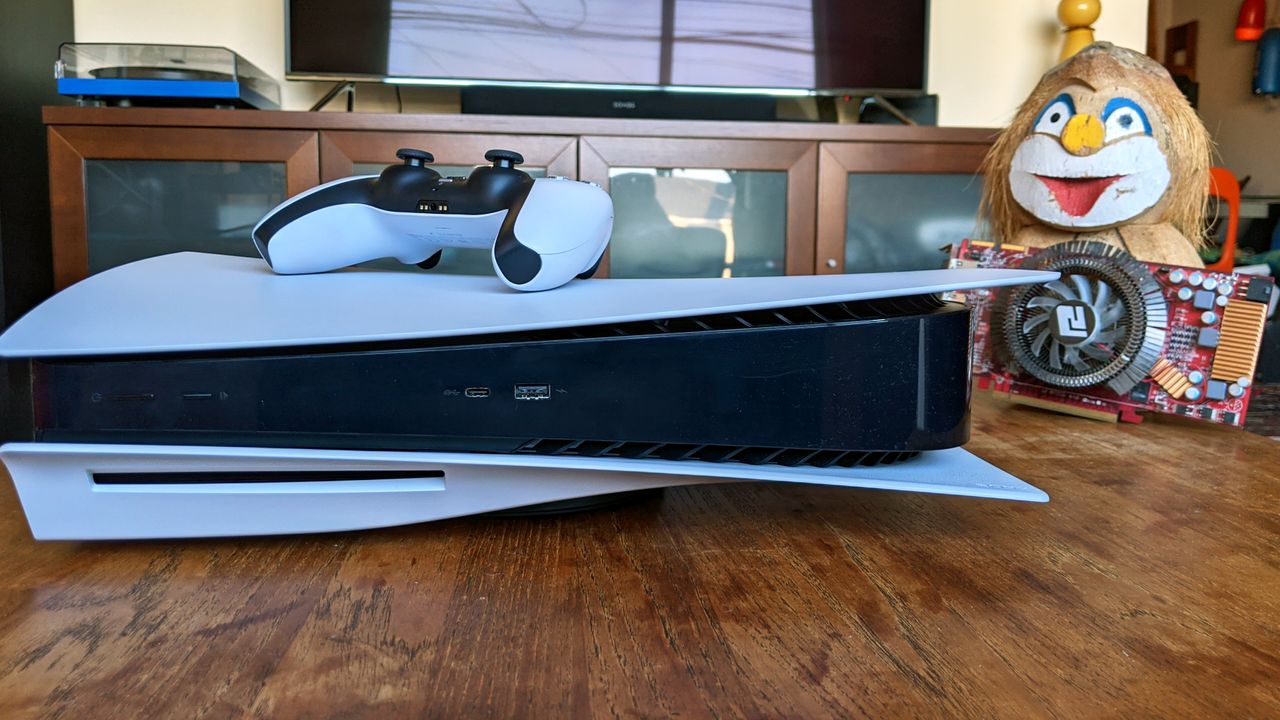
Тоглоом хадгалан хамгаалах байгууллагууд Sony компанийг хэрэглэгчдийнхээ хүсэл сонирхлыг ойлгох чадваргүй болсон гэж шүүмжилж байна.
Sony компани физик дискний дэмжлэгийг ирээдүйд зогсоох шийдвэр гаргасан нь тоглоом сонирхогчид болон хадгалан хамгаалах бүлгүүдийн дунд томоохон маргаан үүсгэлээ. Does It Play байгууллагын тэргүүн Клеменс Истел компаниуд хэрэглэгчдийн эрхийг үл хүндэтгэж, тоглоомыг дижитал хэлбэрт шилжүүлснээр тоглогчдыг хяналтгүй нөхцөл байдалд оруулж байна хэмээн мэдэгдэв. Саяхан хийсэн судалгаагаар PS5-ийн физик дискээр худалдаалагддаг тоглоомуудын 34 хувь, Xbox Series X-ийн тоглоомуудын 50 хувь нь интернетээс таталт хийхгүйгээр бүрэн ажилладаггүй болох нь тогтоогджээ.
Физик диск нь тоглоомын анхны хувилбарыг хадгалах, үнийн хувьд зах зээлийн өрсөлдөөнийг хадгалах гол хэрэгсэл байсаар ирсэн. Гэвч сүүлийн жилүүдэд тоглоомууд бүрэн бус хувилбараар гарах, техник хангамжууд онлайн холболт шаардах болсон нь тоглогчдын өмчлөх эрхийг хязгаарлаж байна гэж Истел үзэж байна. Ялангуяа консол төхөөрөмжүүд дээр гуравдагч талын дэлгүүрүүд байхгүй тул хэрэглэгчид Sony компанийн тогтоосон нөхцөлийг хүлээн авахаас өөр сонголтгүй болж байгаа юм.
PC тоглоомын зах зээлийн хувьд GOG зэрэг DRM-гүй дэлгүүрүүд нь тоглогчдод тоглоомоо офлайн горимд эзэмших, нөөцлөх боломжийг олгодог нь нэгэн гэрэл гэгээтэй тал юм. Хэдийгээр дижитал түгээлт давамгайлж байгаа ч физик хэвлэлүүд бүрмөсөн устахгүй гэж салбарын мэргэжилтнүүд таамаглаж байна. Гэсэн хэдий ч консол хэрэглэгчдийн хувьд энэ нь өөрсдийн худалдан авсан бүтээгдэхүүндээ бүрэн хяналт тавих боломжоо алдаж буй эцсийн шугам гэдгийг онцолжээ.
Дэлгэрэнгүйг эх сурвалжаас харах
↓Эх сурвалжийг нээх ↓
PC gamers may have watched physical game discs disappear years ago, but there’s a battleground happening over in console land right now. A big one. And it might only be getting more contentious as time ticks on.
With Sony ending support for physical discs in the near future, and the heads of Ubisoft and Take Two seemingly not caring very much, you might think the end of physical game media is not far off. Yet there exists a growing movement to push back against this trend. I had a chance to chat to Clemens Istel, the owner of game preservation site Does It Play, about this movement.
He tells me, “Customer rights are almost non-existent in the gaming space, and companies have proven time and time again that honest communication is not their strong suit.”
Does It Play is both a physical games media advocacy group and a database dedicated to documenting which games can be played without a download or offline. Istel is also part of the team behind Stop Killing Games. Just last month, we documented Does It Play’s reporting, showing that 34% of physical PS5 games and 50% of tested Xbox Series X games don’t fully work without a download first.
There are a handful of central reasons one might wish for physical discs to stay around. With games going through so many updates after release, a disc provides a clean way to preserve version 1.0 for future gamers to play and experience. It also means that storefront holders can’t have a monopoly over pricing. If you wish to buy a game on PS5, for example, you can buy it directly from Sony, or through any number of second-hand or new physical marketplaces. This gives companies less control over the direct price long-term.
“Less options for people is always a bad thing. Especially if the only option is a future in which your purchased goods can just be taken away or altered whenever somebody else pleases,” says Istel.
“For the most part, [over] all these years, it felt like there was an unwritten agreement between companies and players. They provide cool experiences, we buy cool experiences. But in recent years, this symbiosis [has] more and more turned into a one-sided form of exploitation.” He continues, “Lobby groups and lawyers attacked preservation efforts, a growing minority of games are released unfinished, even hardware now has online dependencies.”
Istel points out that the last two Xbox generations can’t be set up offline without a Microsoft account, and notes that some games are fully available on disc and still have hard-coded online checks before you can play. “The next step is killing physical media, the last thing you actually had some form of ownership over.”
Istel argues that gaming companies have a “stranglehold on players”, and that’s what Does It Play, and movements like Stop Killing Games have come out of. Istel believes that Sony knew what consumers wanted when it famously made fun of Microsoft’s introduction of DRM back in 2013, but it now has “Zero understanding for what their customers want. All that’s left is a hyper-arrogant ‘take it or leave it’ attitude, as far as we can tell.”
But Istel says it’s not just console players who are affected by this. I’m told the Sony situation is just one step. “It sets another precedent and pushes the distribution further towards the idea of streaming, as recently suggested by Take Two CEO Strauss Zelnick. Once we reach that point, all hope for customers to ever have control over a product is gone.”

Though Istel believes the perspective on game ownership has “only gotten worse” over the years, PC gaming does offer one “glimpse of hope” with the “emergence of more DRM-free stores on PC.”
The likes of game marketplace GOG sell many games DRM-free, which means you can download offline backups, play without an internet connection, and can install and play games on multiple computers without any limits. It gives more freedom over bought games, and means losing connection to servers, or servers going down, can’t remove your access to the game— assuming it’s downloaded already.
PC gaming shifted to digital a long time ago, and even before that, many PC games had physical restrictions in the forms of CD keys, but Istel believes digital DRM is not the same: “Digital DRM that requires you to go online makes you dependent on a third party, while a CD key gives you everything in your own hands to access the game.
“The former will eventually lead to the game becoming inaccessible. At the very least, there needs to be an end of life plan to keep the game working after official support ends.”
Still, even if Sony does officially end disc support with the PS6, Istel doesn’t think physical media will entirely go with it. He told me, “I firmly believe that physical media will stay, but it will probably never be mainstream again.”
Though PC gaming went mostly digital a long time ago, Sony being the creators of the hardware and software on a PS5 gives it ownership over the device to an extent that isn’t possible on PC. If you don’t like Windows, you can swap to Linux. If you don’t like Steam (for whatever reason), you can make do with half a dozen different digital storefronts. And that makes this specific fight so important for console owners. There’s no alternative to Sony whilst owning a Sony device.
And, as such, it’s a little strange to watch from the comfort of my own rig, given how relatively healthy the digital gaming market is on PC. Steam, its biggest storefront, may not be DRM-free, but the option is there to actually own games for those who want it. As consoles are unlikely to adopt third-party storefronts, that makes physical game discs the final line of defense for actually owning games, and an altogether different ball game compared to our PCs.

