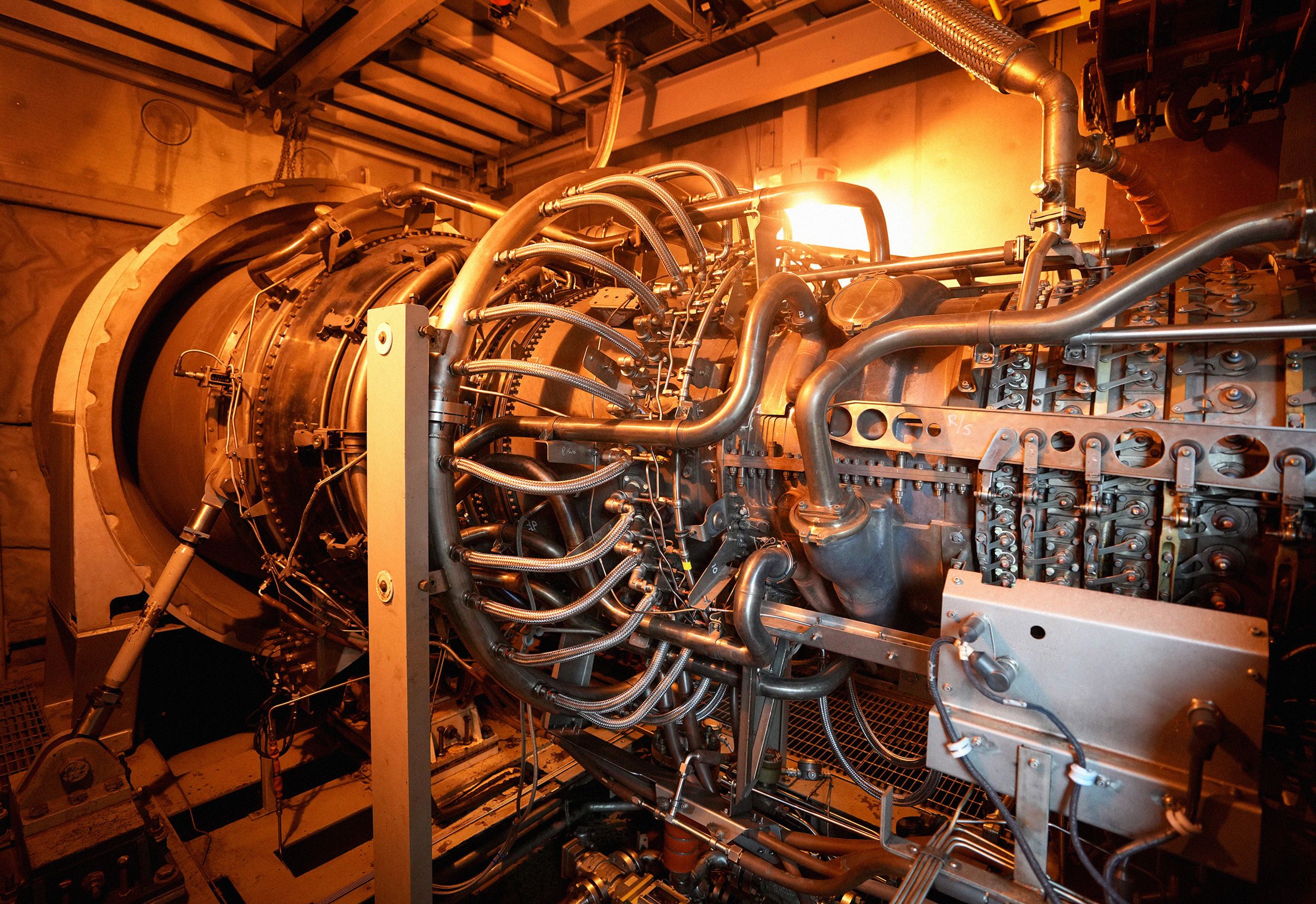
Хиймэл оюун ухааны тооцооллын өсөн нэмэгдэж буй хэрэгцээг хангах зорилгоор ашиглаж буй хийн турбины технологи байгаль орчинд үзүүлэх нөлөөллийн асуудлыг хөндөж байна.
Amazon компани Техас мужид барьж буй өөрийн мэдээллийн төвд зориулсан цахилгаан станц нь АНУ-ын хэмжээнд хүлэмжийн хийн хамгийн том эх үүсвэрүүдийн нэг болох эрсдэлтэй байна. Энэхүү байгууламж нь эрчим хүч үйлдвэрлэхдээ үр ашиг багатай, энгийн цикл бүхий хийн турбинуудыг ашиглах төлөвтэй байгаа юм. Энгийн цикл бүхий турбинууд нь шатахуун болон агаарыг шаталтын камерт хольж эрчим хүч гаргахдаа их хэмжээний хаягдал дулаан ялгаруулдаг бөгөөд энэ нь цахилгаан станцуудын түгээмэл ашигладаг хосолсон цикл бүхий турбинуудаас илүү их ялгарлыг үүсгэдэг.
АНУ-ын Байгаль орчныг хамгаалах агентлагийн мэдээллээр, тус станц нь зөвшөөрөгдсөн ялгарлынхаа талыг гаргасан тохиолдолд ч байгаль орчинд үзүүлэх сөрөг нөлөө нь дундаж хэмжээний 78 байгалийн хийн станцтай тэнцэхүйц байх юм. Amazon компанийн зүгээс энэхүү станц нь цахилгааны үнийг өсгөхгүй бөгөөд ирээдүйд нарны эрчим хүч болон батерейны нөөцлүүртэй хослуулан 2040 он гэхэд хүлэмжийн хийн ялгарлыг тэглэх зорилттой гэж мэдэгджээ.
Одоогийн байдлаар мэдээллийн төвүүдийн хөгжүүлэгчид хиймэл оюун ухааны загваруудыг сургахад шаардлагатай эрчим хүчний огцом өсөлтийг хангах зорилгоор энгийн цикл бүхий турбинуудыг өргөнөөр ашиглах болсон. Эдгээр турбин нь эд анги цөөтэй тул хурдан хугацаанд ажиллаж, зогсох боломжтой нь хиймэл оюун ухааны үйл ажиллагаанд тохиромжтой байдаг аж. Гэвч нийлүүлэлтийн сүлжээн дэх удаашрал болон хурдан хугацаанд ашиглалтад оруулах шаардлагаас үүдэн илүү үр ашигтай технологиудыг сонгох боломж хязгаарлагдмал байгааг салбарын мэргэжилтнүүд онцолж байна.
Дэлгэрэнгүйг эх сурвалжаас харах
↓Эх сурвалжийг нээх ↓
Amazon has acquired a massive off-grid power plant being built in Texas for one of its data centers that could be one of the biggest sources of greenhouse gas emissions in the US.
But size isn’t the only reason its climate toll will be so high. The plant will rely on a much less efficient set of gas turbines than regular power plants use; these kinds of turbines are also increasingly being put to use at other data center projects around the US. That could have big implications for the environmental impact of artificial intelligence—and the future of the US grid.
Amazon’s Texas power plant is permitted to emit up to 33 million tons of greenhouse gases a year. The project will rely solely on simple cycle turbines, which mix fuel and air in a combustion chamber to create energy, letting off a significant amount of waste heat in the process. Combined cycle units, which are generally used at on-grid power plants, add an additional steam turbine component to capture the waste heat and turn it into more energy. That means they release fewer emissions for the same amount of energy.
Permitted emissions on natural gas plants are usually much higher than their actual emissions. But even if Amazon’s facility emits half of what’s on the permit each year, it would still create more greenhouse gas pollution than 78 average-sized natural gas plants, according to the US Environmental Protection Agency.
The Texas plant provides “on-site generation that won’t raise electricity costs for Texas families,” Amazon spokesperson Heather Callahan writes in an email to WIRED, adding that the site would also have solar and battery storage and that the company is still committed to reaching net-zero emissions by 2040.
Using simple-cycle turbines is becoming an increasingly common practice for data center power developers looking for flexible power that’s quick to install. At least three power plants being developed in Ohio by oil and gas company Williams for Meta will also rely on simple cycle units, according to permit applications. In Abilene, Texas, Crusoe is building a power plant on its Stargate campus to power a Microsoft data center with 39 simple-cycle turbines. The permit application for Google’s Goodnight data center at another Texas site being developed by Crusoe describes relying on 20 simple-cycle turbines. And both xAI’s Colossus 1 and Colossus 2 data centers in Memphis are being powered by dozens of simple cycle turbines. All of them are permitted to release millions of tons of greenhouse gases. (Both Williams and Crusoe tell WIRED in an email that their gas plants comply with local and national regulations and are outfitted with emissions control technology.)
Britt Burt, a senior vice president at Industrial Info Resources, an energy market intelligence firm, says that he didn’t expect data center developers to lean so heavily on simple cycle turbines for power.
“It’s not the most efficient way to use a gas turbine,” he says.
For companies racing to get data centers online, though, it’s a lot quicker—and cheaper—to install a handful of simple-cycle turbines than wait for the additional equipment needed for combined-cycle units, especially given a yearslong backlog for turbine orders and associated parts.
“Right now, because of the way the supply chain is for turbines, they’re having to go with what they can get their hands on,” says Burt.
Then there’s the energy needs of data centers, especially those training AI models. Thanks to their fewer moving parts, simple cycle turbines can start up and shut down more rapidly than combined cycle units. That suits AI training, which requires big spikes of energy on demand. (In fact, those spikes are so big that many data center operators have reported turbines breaking thanks to the extreme stress of turning on and off.)


