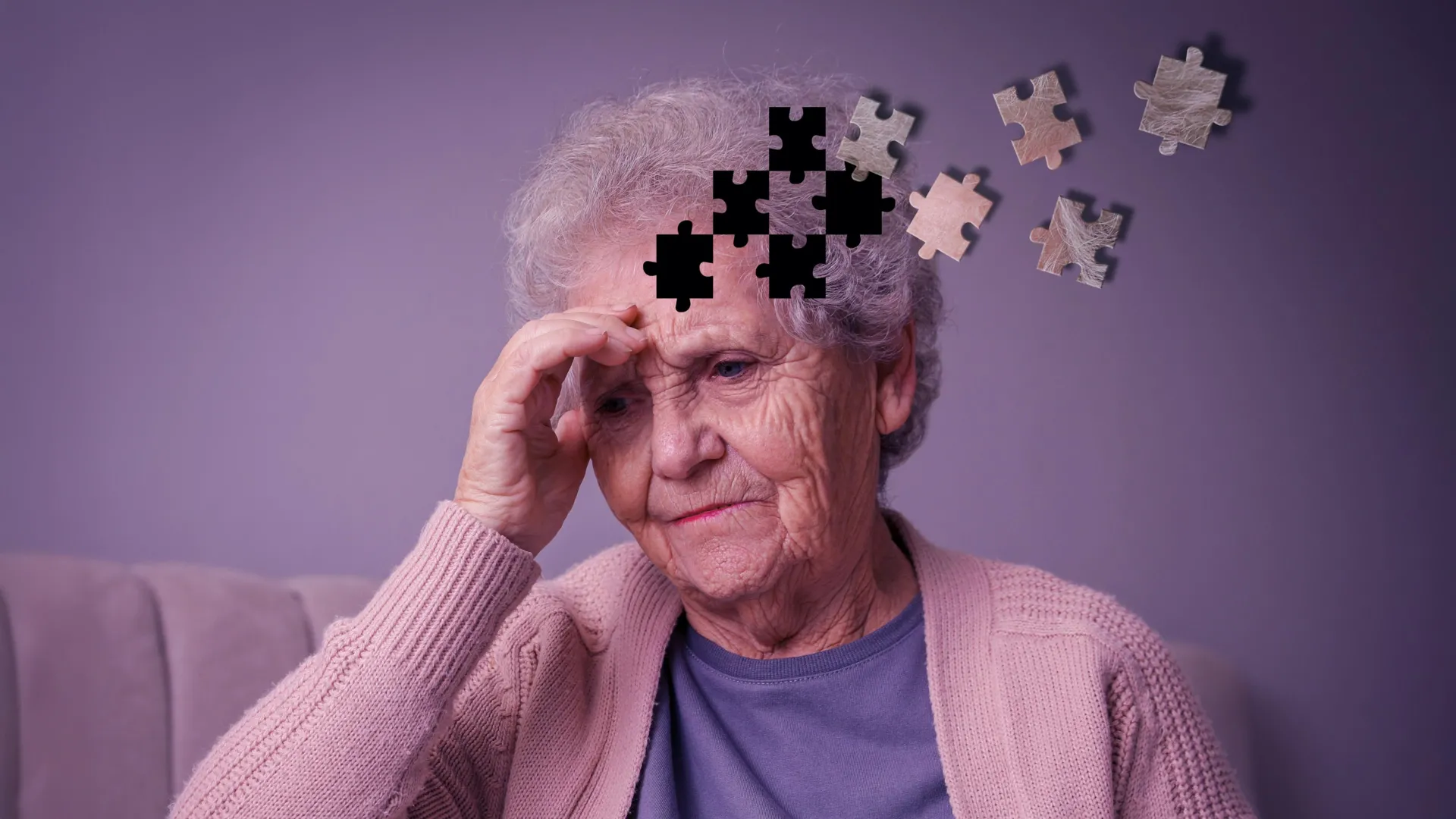
Судалгаагаар дааврын эмчилгээ хийлгэсэн эмэгтэйчүүдийн тархинд Альцгеймер өвчний эмгэг өөрчлөлт бага илэрч байгааг тогтоожээ.
Америкийн Мэдрэл судлалын академийн “Neurology” сэтгүүлд 2026 оны наймдугаар сарын 12-нд нийтлэгдсэн судалгаагаар нас ахисан үедээ эстроген дааврын эмчилгээ хийлгэсэн эмэгтэйчүүдэд дементи буюу зөнөх өвчний эрсдэл бага байсныг тогтоожээ. Стэнфордын их сургуулийн анагаах ухааны сургуулийн судлаач Женнифер Бруно тэргүүтэй эрдэмтэд 21,462 эмэгтэйн эмнэлгийн мэдээлэлд дүн шинжилгээ хийсэн байна. Энэхүү судалгаанд оролцогчдыг дунджаар 71 наснаас эхлэн 3-5 жилийн хугацаанд ажиглажээ.
Судлаачид нас барсан 2,959 эмэгтэйн тархинд задлан шинжилгээ хийж, Альцгеймер өвчний гол шинж тэмдэг болох амилоид-бета товруу, тау уураг болон бусад эмгэг өөрчлөлтийг үнэлсэн байна. Үр дүнгээс үзэхэд, дааврын эмчилгээ хийлгэж байсан эмэгтэйчүүдийн 18 хувьд нь Альцгеймер өвчний шинж тэмдэг огт илрээгүй бол уг эмчилгээг хийлгээгүй эмэгтэйчүүдийн хувьд энэ үзүүлэлт 10 хувьтай байжээ. Нас, боловсрол, удамшил, цусны даралт зэрэг хүчин зүйлсийг тооцсоны дараа дааврын эмчилгээ нь Альцгеймер өвчний шинж тэмдэг илрэх магадлалыг 35 хувиар бууруулж байв.
Түүнчлэн амьд сэрүүн байхдаа биомаркерын шинжилгээ өгсөн оролцогчдод хийсэн судалгаагаар, дааврын эмчилгээ нь тархинд амилоид хуримтлагдах үйл явцыг багасгаж, дементи оношлогдох эрсдэлийг 39 хувиар бууруулсан байна. Гэсэн хэдий ч судлаачид энэхүү үр дүн нь зөвхөн хамаарлыг харуулж байгаа тул дааврын эмчилгээ нь Альцгеймер өвчнөөс урьдчилан сэргийлнэ гэж дүгнэх боломжгүйг онцолжээ.
Судалгааны гол хязгаарлалт нь оролцогчид дааврын эмчилгээг ихэвчлэн 70-аас дээш насандаа хийлгэж байсантай холбоотой. Энэ нь орчин үеийн эмнэлгийн практикт дааврын эмчилгээг ихэвчлэн 40-50 насанд эхлүүлж, 60 наснаас өмнө зогсоодог нийтлэг арга барилаас ялгаатай юм. Иймээс эрдэмтэд уг олдвор нь мэдээллийн чанартай боловч өнөөгийн эмчилгээний стандартад бүрэн хамаарах эсэхийг баталгаажуулахын тулд нэмэлт судалгаа шаардлагатай гэж мэдэгдлээ.
Дэлгэрэнгүйг эх сурвалжаас харах
↓Эх сурвалжийг нээх ↓
A large study has found that women who used hormone therapy later in life had a lower risk of developing dementia. The findings were published August 12, 2026, in Neurology, the medical journal of the American Academy of Neurology.
Researchers emphasized that the results show an association and do not demonstrate that hormone therapy can prevent dementia.
“While these findings help us better understand the relationship between hormone therapy use and various markers of dementia, more research needs to be done before we can make recommendations to women about their use of these therapies in relation to their brain health,” said study author Jennifer Bruno, PhD, of Stanford Medicine in Stanford, California. “This study looked back at women who were using hormone therapy decades ago with the timing and type of use differing from what is current practice for most women today, so the results are informative, but they may not apply to today’s standards.”
More Than 21,000 Women Studied
Researchers analyzed medical information from two large data sets that together included 21,462 female participants who underwent clinical testing while they were alive. In one data set, 728 participants received brain scans or biomarker testing during life. In the other, 2,959 participants underwent autopsies after death, at an average age of 82, so researchers could look for evidence of Alzheimer’s disease.
Participants in the two data sets were followed for about three to five years, beginning at an average age of 71.
Among all participants, 1,953 used hormone therapy and 19,509 did not. On average, the women who received hormone therapy began using it after age 70.
The analysis focused only on estrogen-only therapy. Earlier studies had suggested that treatment combining estrogen with progestin may raise dementia risk. Under current medical practice, estrogen-only therapy is prescribed only to people who have undergone a hysterectomy because of the risk of endometrial cancer.
Fewer Signs of Alzheimer’s at Autopsy
Among participants whose brains were examined after death, those who had used hormone therapy were less likely to show evidence of Alzheimer’s disease.
Researchers evaluated three major features associated with Alzheimer’s disease: amyloid-beta plaques, tau tangles, and neuritic plaques, which are amyloid plaques surrounded by damaged nerve cells. These findings were combined into a single score used to assess the amount of Alzheimer’s related pathology in the brain.
Among women who had used hormone therapy, 18% showed no signs of Alzheimer’s disease at autopsy. That compared with 10% of women who had not used the therapy.
At the other end of the spectrum, 40% of hormone therapy users showed all three signs of Alzheimer’s disease, compared with 51% of women who had not used hormone therapy.
After researchers accounted for factors including age, education, genetics, race and hypertension, hormone therapy use was associated with 35% lower odds of showing signs of Alzheimer’s disease at autopsy.
Biomarkers Pointed to Less Amyloid Buildup
A separate analysis examined biomarker tests collected while participants were alive. Women who had used hormone therapy had amyloid biomarker levels in their blood and spinal fluid that were consistent with less amyloid accumulating in the brain than women who did not use hormone therapy.
Higher levels of amyloid-beta protein in blood and spinal fluid can indicate that less of the protein is being deposited in the brain as plaques.
Hormone therapy use was also associated with 39% lower odds of receiving a clinical dementia diagnosis. Women who used the therapy were also less likely to show memory problems or declines in their ability to carry out everyday functions.
Findings Differ From Current Hormone Therapy Use
An important limitation is that the women in the study used hormone therapy differently from how it is typically prescribed today. Bruno noted that participants who received hormone therapy had an average age of 70.
Current standard practice generally involves starting hormone therapy in the late 40s to early 50s and stopping treatment before age 60.
“Despite these limitations, our findings provide evidence of an association between use of estrogen-only hormone therapy during later life and better outcomes on dementia and brain health,” Bruno said.
The study was supported by the National Institute on Aging.

