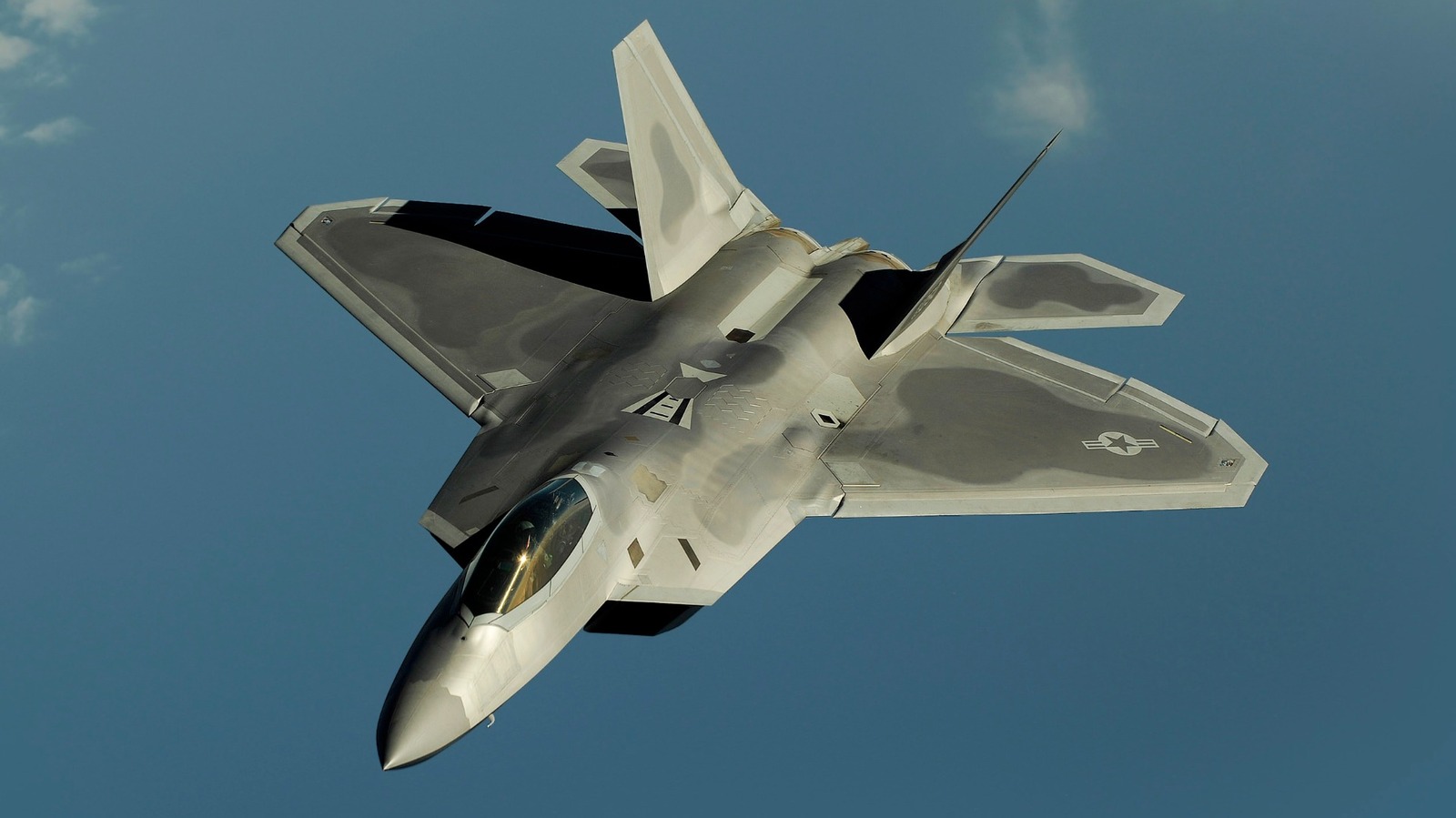
АНУ-ын агаарын цэргийн хүчний F-22 Raptor сөнөөгч онгоц нь форсаж буюу түлш нэмэлтээр шатаах систем ашиглалгүйгээр хамгийн өндөр хурдтай нисэх чадвараараа F-35 Lightning II зэрэг бусад сөнөөгч онгоцноос илүүрхэж байна.
Сөнөөгч онгоцууд богино хугацаанд хурд нэмэхийн тулд форсаж ашигладаг боловч энэ нь түлшний зарцуулалтыг эрс нэмэгдүүлдэг. F-35 сөнөөгч онгоц нь форсажгүйгээр дууны хурдыг давж чаддаггүй бол F-22 нь “Supercruise” хэмээх технологийн ачаар форсаж ашиглалгүйгээр дуунаас хурдан нисэж, тогтвортой хурдыг хадгалах боломжтой.
F-22 Raptor-ын Pratt & Whitney F119-PW-100 хөдөлгүүр нь 26,000 фунт стерлингийн хуурай түлхэлт үүсгэдэг бөгөөд энэ нь онгоцны жингийн харьцаатай хоршин илүү хол зайд, илүү хурдан нисэх нөхцөлийг бүрдүүлдэг. Харьцуулбал, F-35 сөнөөгч онгоц нь илүү хүчирхэг F-135 хөдөлгүүртэй боловч биеийн жин нь харьцангуй их тул Supercruise чадвараар F-22-т хүрдэггүй байна.
Supercruise технологи нь зөвхөн F-22-т байдаг онцгой чадвар биш бөгөөд Eurofighter Typhoon, Dassault Rafale зэрэг онгоцуудад мөн ашиглагддаг. Мөн Хятадын Chengdu J-20 сөнөөгч онгоц ч энэхүү чадварыг эзэмшсэн байх магадлалтай гэж үздэг боловч F-22 нь энэ чиглэлээр хамгийн үр ашигтай байсаар байна.
Дэлгэрэнгүйг эх сурвалжаас харах
Эх сурвалжийг нээх ↓
Modern 5th-generation fighter jets are impressive machines with numerous capabilities that set them apart from prior-generation aircraft. One fighter that tends to get a lot of attention is the F-35 Lightning II, which makes sense. They’re not only operated by the U.S. Air Force, Navy, and Marine Corps, but they’re also flown by many allied nations to the United States. Yet while an F-35 is fast without afterburners, it’s not the fastest U.S. fighter jet in the inventory.
The F-22 Raptor beats the F-35 (and every other fighter) as the fastest without using an afterburner. Afterburners are additional combustion sections of an aircraft’s jet engine. They’re used to directly inject fuel via a controllable nozzle into the exhaust gases, which gives the plane a significant speed advantage for a short time. When an F-35 or F-22 ignites its afterburners, they move through the air at incredibly high speed, but it costs a lot of fuel, so it’s used in short bursts. For regular flight, a fighter typically flies at their cruising speed, which is different for every aircraft.
The F-35’s cruise speed is subsonic, so it cannot achieve supersonic flight without afterburners. With them engaged, the aircraft’s top speed jumps to Mach 1.6 (1,200 mph). The F-22’s cruising speed is Mach 1.5+ (1,151+ mph) and its maximum speed is Mach 2.25 (1,500 mph). The secret of the F-22’s speed is something called “Supercruise,” which is different from afterburners and is where it distinguishes itself from other U.S. fighters. With supercruise, the F-22 can cruise without afterburners much faster than its peers.
Supercruise makes the F-22 special but not unique
Supercruise is one of the things that makes the F-22 Raptor a special aircraft, but it’s not unique — it’s just the best fighter jet at traveling further, faster while burning less fuel. Other aircraft have supercruise capabilities, including the Eurofighter Typhoon and the Dassault Rafale. China’s Chengdu J-20 is rumored to possess the ability as well. Supercruise is defined as a period of sustained supersonic flight without the use of afterburners.
Essentially, the jet engine needs to provide enough thrust to achieve Mach 1 (767 mph), which is difficult due to transonic drag. This is the aerodynamic drag on the aircraft’s forward momentum provided by the atmosphere as it moves through the air at speeds exceeding the speed of sound. The F-22’s Pratt & Whitney F119-PW-100 is one of the most powerful engines used in a production fighter, thanks to its 26,000 lbs. of dry thrust. That number rises to 35,000 with afterburners, which is a lot of power packed into a single airframe.
For comparison, the F-35 uses variations of the Pratt & Whitney F-135 engine with a dry thrust of 25,000 and 40,000 lbs. when afterburners are engaged. That makes the F135 is the most powerful engine used in a production fighter at time of writing. While those dry thrust numbers are close to what the F-22’s engine provides, the F-35 weighs 70,000 lbs., while the F-22 weighs in at 43,340 lbs. Weight and other aspects of each aircraft’s design and shape affect their top speed, and at the end of the day, the F-22 can cruise faster, further, and longer than the F-35, thanks to its superior supercruise ability.