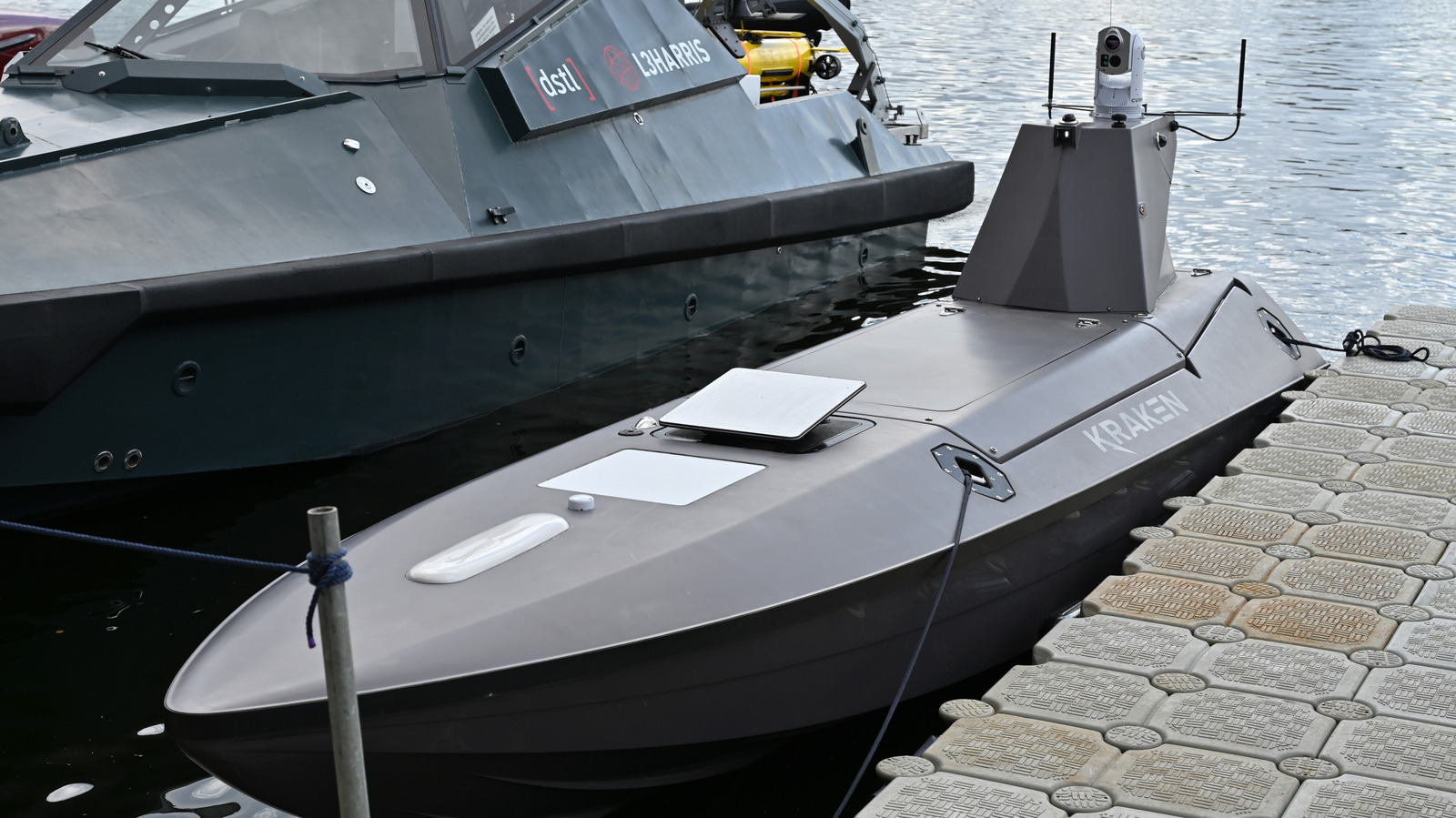
Их Британийн тэнгисийн цэргийн хүчний ашигладаг K3 Scout загварын нисгэгчгүй завин дээрх камерууд Хятадын серверийн хаяг руу автоматаар дохио илгээж байсан нь аудитын шалгалтаар тогтоогдсон байна.
Их Британийн Тэнгисийн цэргийн хүчин K3 Scout загварын усан доорх болон усан дээрх нисгэгчгүй завьнуудад ашиглаж байсан гуравдагч талын камерууд “зүрхний цохилт” буюу системийн төлөв байдлыг илтгэх автомат дохиог Хятад дахь IP хаяг руу тогтмол илгээж байсныг илрүүлжээ. Энэхүү дохио нь төхөөрөмж ажиллаж байгаа эсэхийг баталгаажуулдаг бөгөөд үүний улмаас Хятадын тал Британийн цэргийн техник хэрэгслийн ашиглалтын талаарх мэдээлэлд хандах боломжтой болсон байна.
Асуудал илэрсний дараа Британийн тал эдгээр дронуудын утасгүй холболтыг бүрмөсөн тасалж, аюулгүй байдлын аудит хийсэн байна. “Kraken Technology Group” компанийн мэдэгдсэнээр, шалгалтаар ямар нэгэн нууц мэдээлэл алдагдсан шинж тэмдэг илрээгүй бөгөөд илэрсэн эмзэг байдлыг бүрэн арилгасан гэж үзэж байна. Гэсэн хэдий ч энэ үйл явдал цэргийн зориулалттай тоног төхөөрөмжид гадны улс орны эд ангийг ашиглахтай холбоотой эрсдэлийг дахин хөндөв.
K3 Scout загварын нисгэгчгүй завь нь 30 хоногийн турш тасралтгүй ажиллах, 600 гаруй кг ачаа тээвэрлэх хүчин чадалтай тул тагнуул, ажиглалтын зорилгоор өргөн ашиглагддаг. Энэхүү системийг АНУ-ын Тусгай ажиллагааны командлал (SOCOM) мөн худалдан авсан байдаг. Одоогоор АНУ-ын зүгээс уг асуудалтай холбоотой ямар нэгэн албан ёсны мэдэгдэл хийгээгүй бөгөөд цаашид хэрхэн арга хэмжээ авах нь тодорхойгүй байна.
Дэлгэрэнгүйг эх сурвалжаас харах
Эх сурвалжийг нээх ↓
For decades, the People’s Republic of China has duplicated other countries’ technology while also embedding its own tech in numerous consumer electronics. You might recall the concern in the U.S. over TikTok’s Chinese ownership, with some worried that sensitive information might wind up in the wrong hands. Now, a similar concern has emerged related to a massive United Kingdom drone program with Chinese camera components.
In addition to crafting its own powerful drone programs,China also procures components that other countries use for theirs.Aboard some of the U.K.’s K3 Scout uncrewed surface vessels (USV), the Royal Navy recently stripped away wireless connectivity after it became apparent that there was an issue with such components. As reported by various outlets,cameras were sending “heartbeat communications,” orautomated signals, to an IP address inChina. These signals indicate whether the system is online and functioning correctly, meaning China was essentially made aware of the K3 Scout’s usage through these signals.
Prior to the installation of the third-party camera components, Kraken Technology Group, the company that developed and sells the K3 Scout, assured the U.K. government that they were secure. The program continued with the Chinese parts, though it appears that none in the Royal Navy were fully aware of the heartbeat communications transmission until an audit was completed. Fortunately, the audit found that no sensitive data made its way to Chinese servers, but the fact that a signal was sent repeatedly created a great deal of concern.
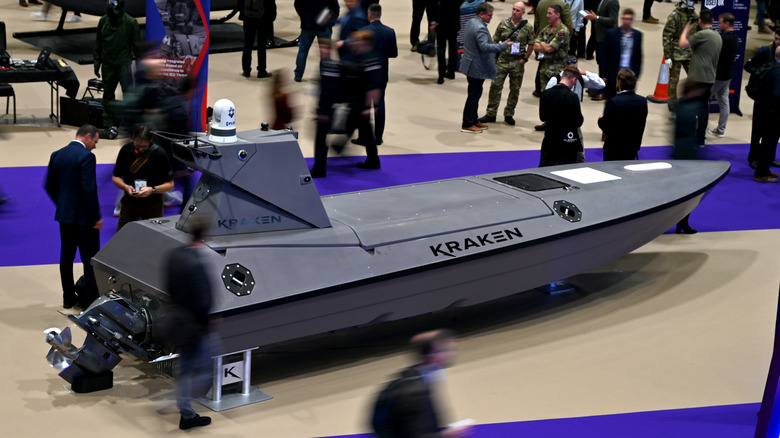
The K3 Scout USV’s compromised components create an expensive problem for the U.K.
John Keeble/Getty Images
The U.K. acted quickly once the heartbeat communications were identified. A company spokesman fromKraken Technology Groupresponded to the issue, saying, “We are aware that some third-party, NDAA-compliant cameras had a small number of components originating from outside the U.K. … After a full audit by both Kraken and the Royal Navy, we are confident no sensitive information has ever been shared outside of intended channels and any potential vulnerabilities have been identified and closed” (via TechRadar).
While that solves the immediate concern, the impact reaches further than the U.K. Not only has the U.K. been utilizing the K3 Scout and other USVs, but United States Special Operations Command (SOCOM) has also purchased the platform.Outside of the heartbeat communications issue, the K3 Scout is a desirable USV. It can carry a payload weighing up to 1,322 lbs. while operating continuously for 30 days, making it an ideal candidate for reconnaissance and intelligence gathering.
Still, the heartbeat communications issue is a big one. The U.K. has invested heavily in its multi-billion-pound program, but it may have to be more cautious with the drones and components it purchases from here on out.As of this writing, it was unclear what the U.S. plans to do with its K3 Scout USVs, as neither SOCOM nor the Department of War had issued a statement on the matter.

