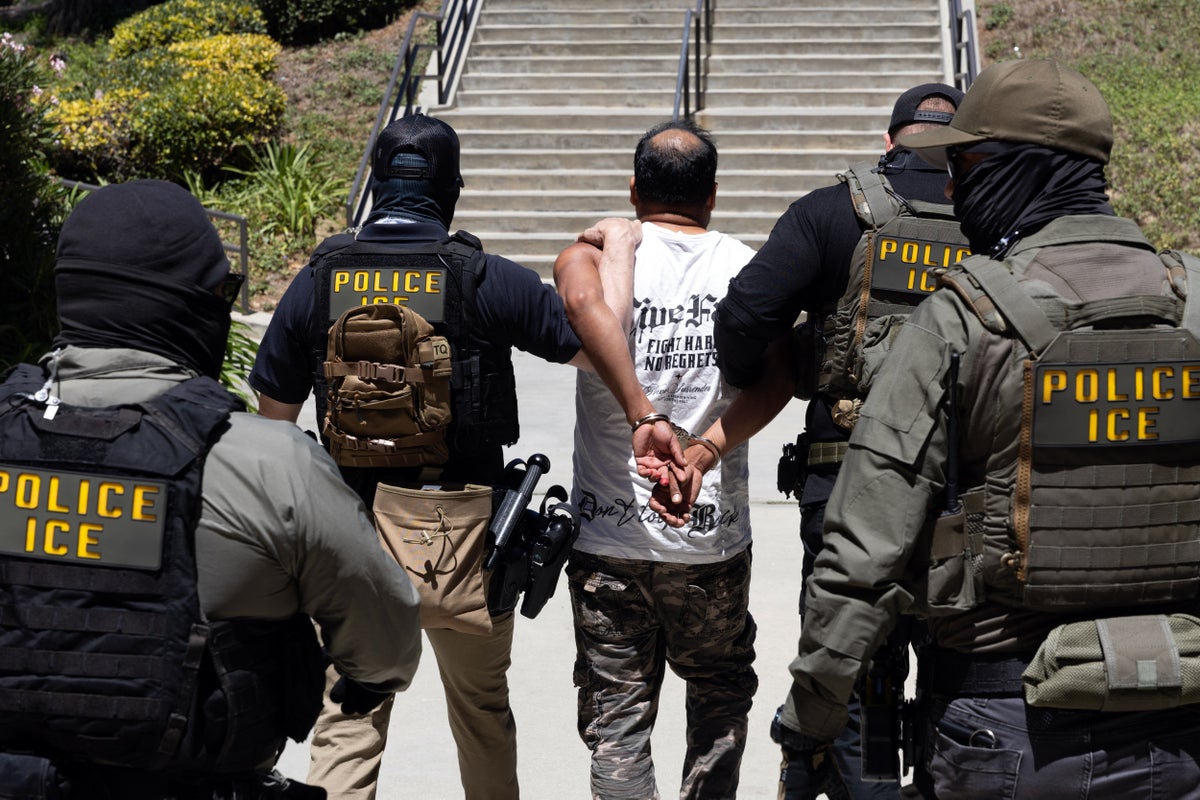
АНУ-ын Цагаачлал, гаалийн алба (ICE) холбооны хууль сахиулах ажиллагаанд оролцож буй орон нутгийн алба хаагчдад учирч болзошгүй хууль зүйн эрсдэлийг бууруулах зорилгоор даатгалын хөтөлбөр хэрэгжүүлэхээр төлөвлөж байна.
Тус агентлагийн төлөвлөгөөний дагуу орон нутгийн цагдаагийн алба хаагчид цагаачлалын хууль зөрчсөн этгээдийг баривчлах явцад гаргасан алдаа эсвэл хүч хэрэглэсэн гэх гомдолтой холбоотой хууль зүйн зардлаа нөхөн төлүүлэх боломжтой болох юм. Энэхүү хөтөлбөрийн хүрээнд алба хаагч бүрт 500,000 ам.долларын нөхөн олговор бүхий даатгал олгох бөгөөд үүний зардлыг холбооны төсвөөс жилд 250 ам.доллар хүртэлх хэмжээгээр нөхөн олгохоор тусгажээ.
АНУ-ын Ерөнхийлөгч Дональд Трамп үүрэгт ажилдаа эргэн орсны дараа ICE болон орон нутгийн хууль сахиулах байгууллагуудын хамтын ажиллагаа эрчимжиж, 2026 оны эхний хоёр сарын байдлаар сард дунджаар 3,000 цагаач баривчилсан нь өмнөх онуудтай харьцуулахад эрс нэмэгдсэн үзүүлэлт юм. Одоогоор 32 мужийн 1,600 орчим агентлаг 287(g) хөтөлбөрийн хүрээнд холбооны засгийн газартай хамтран ажиллах гэрээтэй байна.
Орон нутгийн цагдаагийн байгууллагууд цагаачлалын ажиллагаанд оролцохдоо хууль зүйн хариуцлага хүлээх, шүүхэд дуудагдах эрсдэлээс болгоомжилж буйгаа илэрхийлсээр ирсэн. Тухайлбал, Пенсилвани мужийн эрсдэлийн сан цагаачлалын хяналттай холбоотой үйл ажиллагааг даатгалд хамруулахгүй гэж мэдэгдсэн нь орон нутгийн засаг захиргаадыг бие даан даатгалын шийдэл хайхад хүргэж байна.
Шүүмжлэгчдийн зүгээс энэхүү санаачилгыг хууль сахиулагчдыг хувь хүний хариуцлагаас чөлөөлөх алхам гэж үзэж байгаа бол Үндэсний шерифүүдийн холбоо үүнийг орон нутгийн байгууллагуудын хамтын ажиллагааг дэмжих эерэг алхам хэмээн дүгнэж байна. ICE талуудаас санал хүсэлтээ энэ пүрэв гараг гэхэд ирүүлэхийг хүссэн бөгөөд хөтөлбөрийг хэрэгжүүлэх хугацаа болон нийт төсвийн талаарх мэдээлэл одоогоор тодорхойгүй байна.
Дэлгэрэнгүйг эх сурвалжаас харах
↓Эх сурвалжийг нээх ↓
U.S. Immigration and Customs Enforcement is considering a new proposal to protect local police officers from potential financial fallout if they face allegations of misconduct while executing immigration arrests.
A planning document released Friday shows the agency intends to subsidize liability insurance for state and local officers who are trained and authorized to enforce federal immigration laws.
Partnerships between ICE and local law enforcement have increased sharply following President Donald Trump’s return to the White House last year. Offering subsidized liability coverage could further expand participation by removing a key obstacle that has kept some local police departments from signing on.
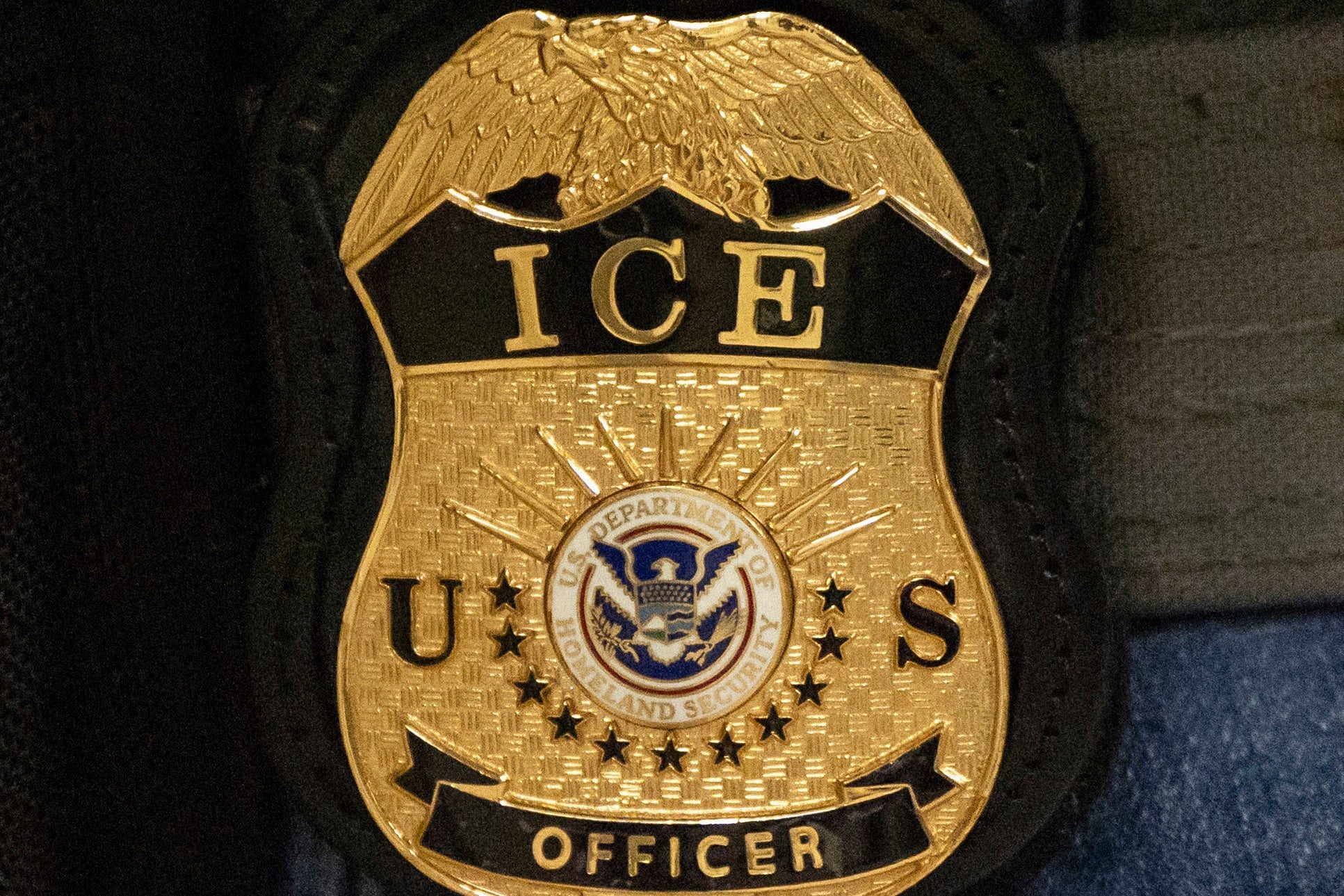
Under the plan, officers would purchase insurance covering up to $500,000 in personal liability, which typically funds legal fees, settlements and judgments. Officers would be reimbursed up to $250 annually — roughly what the insurance is expected to cost.
One prominent critic of ICE’s immigration crackdown said the program would be yet another way for officers to avoid personal accountability for misconduct.
“The concern here is that ICE is going above and beyond to guarantee law enforcement does not have even the slightest risk of liability for violating Americans’ rights while helping ICE arrest people,” said David Bier, director of immigration studies at the Cato Institute, who has called on Congress to make it easier to sue ICE agents for wrongdoing.
ICE outlined the plan in a document informing industry officials that it is considering hiring a contractor to help provide outreach, training and communications support for its so-called 287(g) partnerships with local departments, which are named for a section of a 1996 immigration law. The contractor would hire the insurance vendor and process the reimbursements, among other tasks.
ICE has asked for industry feedback by Thursday. The proposed timeline for launching the program and its estimated cost are unclear.
ICE had no immediate comment on the plan.
Arrests by ICE’s local partners have spiked since last year
During Trump’s second term, ICE has offered generous financial incentives to participating local agencies, increasing the number who have partnered with the federal government, as well as the number of arrests.
Nearly 1,600 agencies in 32 states now have agreements to participate in ICE’s task force model, in which trained local officers can interrogate, arrest and charge people suspected of being in the country illegally, according to ICE data.
Departments qualify for funding to help cover expenses like their officers’ pay, equipment and vehicles. With encouragement from state and local Republican officials, agencies in Florida, Texas, Oklahoma and Georgia have been among the leaders.
Arrests made through such programs jumped to an average of 3,000 per month in the first two months of 2026, according to the most recent ICE data provided to the University of California Berkeley’s Deportation Data Project. That compares to a monthly average of 250 in 2024 under President Joe Biden.

Local departments, officers worried about liability for ICE work
As local officers increasingly carry out federal immigration work, they and their departments have expressed concerns about the civil liability that could result from claims alleging excessive use of force, wrongful arrest and illegal search and seizure, among other things.
That’s because insurance policies that cover their local work may not apply. Pennsylvania’s risk pool, for instance, recently made clear that it would exclude “proactive immigration enforcement activities” from coverage, forcing several participating counties to search for other insurance options.
Butler County Sheriff Michael Slupe said he found insurance to cover his 13 deputies participating in the program at a cost of $20,000 in annual premiums.
“I want to make sure the guys are additionally covered, so we had to spend the money,” he said, adding that federal funding would cover the cost.
Federal officers usually enjoy legal immunities and a government-funded defense when they face lawsuits. But those protections may not always apply to local officers, which has heightened their concerns over liability and the need for insurance.
While civil lawsuits are the main concern, professional liability insurance typically helps cover legal fees for officers facing criminal investigations as well.
Sheriffs’ group says ICE’s insurance idea sounds promising
Justin Smith, a former Colorado sheriff who is executive director of the National Sheriffs’ Association, said ICE’s plan sounds promising and that he was anxious to speak with ICE about how the plan would work.
Smith said he has shared concerns with ICE that some sheriffs are reluctant to join the partnerships because of the potential liability at a time when immigration enforcement faces intense public protests and media scrutiny. Smith said others who are partnering with ICE have already started facing legal claims tied to their immigration work, which can be costly whether or not deputies are ultimately found to have done anything wrong.
“Right now, any time you are working on immigration there is going to be a much higher potential for there being problems and having suits and issues,” he said. “They’re recognizing that it is a different environment. And I think trying to be good partners with us as best they can.”
Under their agreements, ICE warns local departments that they are responsible for the costs of incidents that give rise to liability. But it seeks to reduce the risk by saying local officers performing ICE-authorized functions are “acting under color of federal authority,” which would bar lawsuits against individual officers.
The agreements also state that local officers who face civil lawsuits can ask the U.S. Department of Justice to represent them, and that ICE will generally support their requests. But the final decision on whether to do so rests with DOJ.


