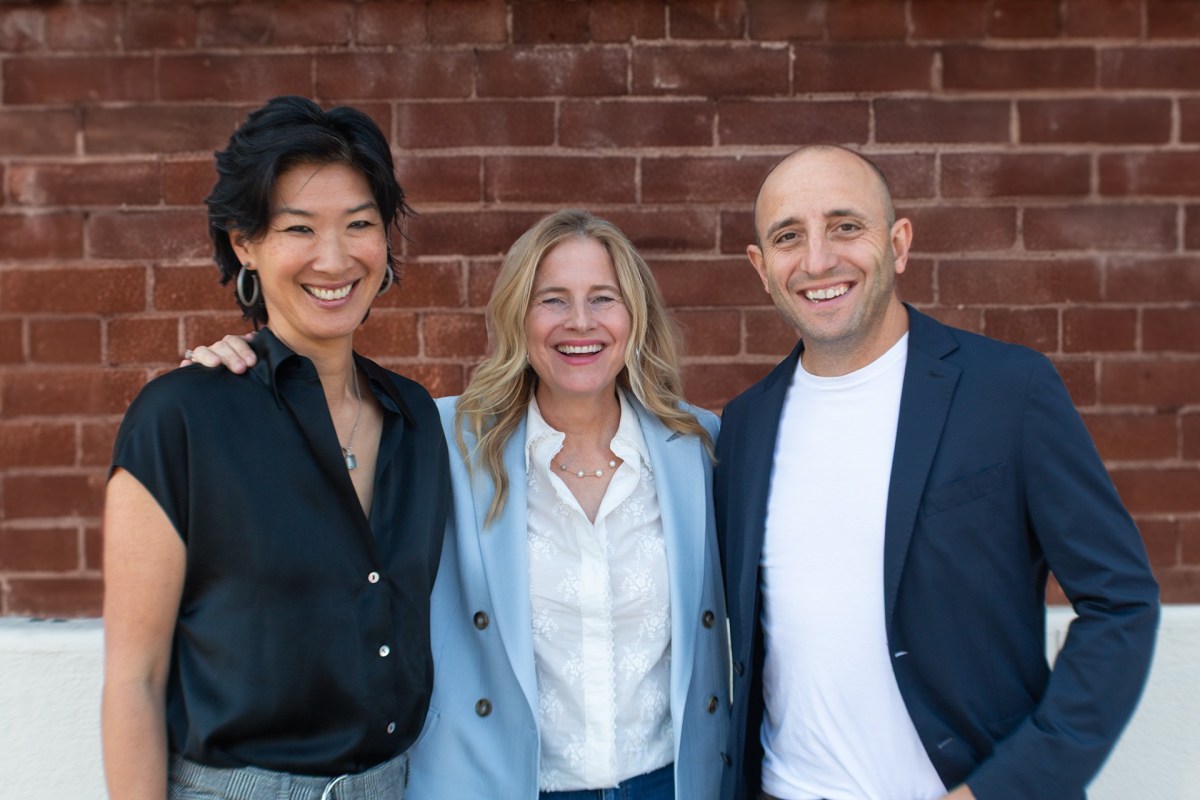
Сан Францискод төвтэй тус хөрөнгө оруулалтын компани нь хүний чадавхыг нэмэгдүүлэх чиглэлээр ажилладаг технологийн компаниудад хөрөнгө оруулалт хийхээр төлөвлөж байна
Reach Capital компани 265 сая ам.долларын сан бүхий тав дахь сангаа (Fund V) амжилттай хааснаа зарлалаа. Арван нэгэн жилийн түүхтэй тус фирм нь хиймэл оюун ухааныг ашиглан сургалт, эрүүл мэнд, болон хөдөлмөрийн бүтээмжийг нэмэгдүүлэх зорилготой стартапуудад хөрөнгө оруулах стратеги баримталж байна.
Шинэ сан нь ирэх гурван жилийн хугацаанд 50 орчим компанид хөрөнгө оруулалт хийхээр төлөвлөж байгаа бөгөөд нэг компанид 1-10 сая ам.долларын санхүүжилт олгох юм. Хөрөнгө оруулалтын үе шат нь пре-сийд (pre-seed) хөрөнгө оруулалтаас эхлээд А цуврал (Series A) хүртэл үргэлжлэх болно.
Тус сангийн хөрөнгө оруулагчдын бүрэлдэхүүнд Capricorn Investment Group, LEGO Foundation, College Board зэрэг байгууллагууд багтаж байна. Удирдах түнш Жомайра Эррерагийн мэдээлснээр, хөрөнгө босгох үйл явц зургаан сараас бага хугацаанд амжилттай болж, салбарын онцлогт төвлөрсөн хөрөнгө оруулалтын сангуудад зах зээлийн сонирхол өндөр хэвээр байгааг харууллаа.
Reach Capital нь өмнө нь 2021 онд 165 сая, 2023 онд 215 сая ам.долларын сангуудыг тус тус байгуулж байв. Саяхан тус компанийн хөрөнгө оруулалт хийсэн GPTZero стартапыг Grammarly компанид харьяалагддаг Superhuman платформ худалдан авсан нь тус фирмийн сүүлийн үеийн томоохон гарц болжээ.
Дэлгэрэнгүйг эх сурвалжаас харах
↓Эх сурвалжийг нээх ↓
Reach Capital announced Tuesday the close of a $265 million Fund V. The thesis of the 11-year-old, San Francisco firm is to back founders building AI applications that can “expand human potential,” Tony Wan, head of platform at Reach Capital, told TechCrunch. In practice, he added, that means looking at founders building across three areas: learning, health, and work.
“We believe AI should serve human flourishing, not replace it,” Wan said. The firm’s previous investments include Replit, ClassDojo, and Coral Care.
The new fund will write checks of $1 million to $10 million, spanning pre-seed through Series A, into roughly 50 companies over the next three years. So far, no companies have been backed through Fund V.
Limited partners include Capricorn Investment Group, the Los Angeles Fire and Police Pensions, the LEGO Foundation, and College Board. Speaking to TechCrunch, general partner Jomayra Herrera said fundraising went smoothly and that the team was able to raise the new fund in less than six months.
“The vast majority of our LPs doubled down, and we brought on a few new marquee LPs,” Herrera said. “We attribute this to LP interest in sector-focused boutique funds that focus on conviction-based investments.”
Reach Capital’s new fund is noteworthy given the barbell shape the broader fundraising market has taken in recent years, with capital flowing overwhelmingly to giant, brand-name funds on one end and to sharply focused specialists on the other, with generalist firms in the middle struggling to get LPs’ attention.
Analysis by PitchBook and the National Venture Capital Association found that established firms captured more than 90% of the roughly $62 billion raised across U.S. VC funds through May of this year, leaving a smaller pool of first-time and mid-sized managers to compete for whatever’s left. Reach’s thesis, with over a decade of edtech and impact-investing, fits the mold of the kind of specialist fund LPs have remained open to funding.
The outfit previously raised $215 million for Fund IV in 2023 and $165 million for Fund III in 2021.
One of its most recent exits came in June, when Superhuman — the productivity platform now owned by Grammarly — acquired GPTZero, the AI-detection startup co-founded by Princeton graduate Edward Tian. Terms weren’t disclosed, but GPTZero had grown to more than 19 million registered users and $30 million in annual recurring revenue on just $13.5 million raised, and Reach was one of several investors in the company, alongside Uncork Capital, Footwork, and Jack Altman’s Alt Capital.
When you purchase through links in our articles, we may earn a small commission. This doesn’t affect our editorial independence.


