
Судалгаагаар зүү засал нь сэтгэл хөдлөл болон урам зоригтой холбоотой тархины бүсүүдийн үйл ажиллагааг өөрчлөх замаар сэтгэл гутралын шинж тэмдгийг бууруулдаг болохыг тогтоожээ.
Beijing University of Chinese Medicine-ийн судлаачид сэтгэл гутралын эмгэгтэй 357 оролцогчийг хамарсан өмнөх долоон эмнэлзүйн туршилтын тархины дүрслэлийн өгөгдөлд дүн шинжилгээ хийжээ. Судалгааны үр дүнгээс үзэхэд зүү засал нь сэтгэл хөдлөлийг зохицуулах үүрэгтэй баруун бүсэлхийн нугалаас (cingulum) болон тархины урамшууллын системийн нэг хэсэг болох баруун сүүл хэлбэрийн бөөм (caudate nucleus)-ийн идэвхжлийг нэмэгдүүлдэг байна. Энэ нь уламжлалт эмийн эмчилгээний нөлөөлдөг тархины хэсгүүдээс ялгаатай болохыг тогтоожээ.
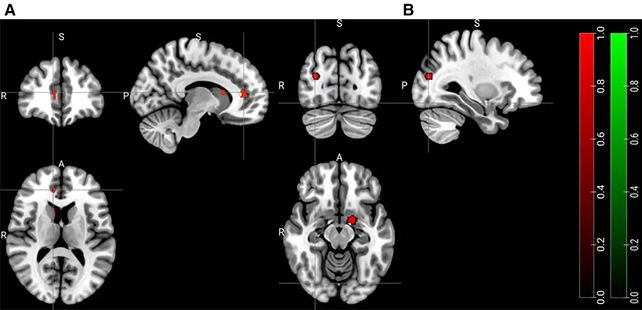
Түүнчлэн зүү заслын олон удаагийн сесс нь сэтгэл хөдлөл боловсруулахад чухал үүрэгтэй зүүн амигдала бүсэд илүү их өөрчлөлт гаргаж, сэтгэл хөдлөлийн хяналтад эерэгээр нөлөөлж болзошгүйг судалгаа харууллаа. World Health Organization-ы мэдээлснээр дэлхий даяар 100 насанд хүрсэн хүн тутмын зургаа нь сэтгэл гутралаар өвчилдөг бөгөөд зүү засал нь стандарт эмчилгээнд үр дүн муутай өвчтөнүүдэд нэмэлт эмчилгээний сонголт байж болох юм.

Судлаачид зүү засал нь тархины мэдрэлийн бүтцийг өөрчлөх замаар сэтгэл гутрал болон түгшүүрийн шинж тэмдгийг бууруулахад үр дүнтэй болохыг онцолсон байна. Гэсэн хэдий ч судалгаанд оролцогчдын дийлэнх нь зүү заслын зэрэгцээ сэтгэл гутралын эсрэг эм ууж байсан нь анхаарал татаж байна. Цаашид илүү олон төрлийн оролцогчдыг хамарсан, удаан хугацааны судалгаа хийж, зүү заслын үйлчлэх механизмыг бүрэн тайлбарлах шаардлагатай гэж Medicine сэтгүүлд нийтлэгдсэн уг судалгааны баг дүгнэжээ.
Дэлгэрэнгүйг эх сурвалжаас харах
↓Эх сурвалжийг нээх ↓
Acupuncture is a traditional and significant part of Chinese medicine that’s been around for thousands of years, and continues to be used to ease the pain and discomfort that come with a wide variety of conditions, including fibromyalgia and osteoarthritis.
The practice has also shown potential for easing the symptoms of depression. What hasn’t been clear, however, is why.
In a new study published in Medicine, researchers led by a team from the Beijing University of Chinese Medicine analyzed brain imaging data from seven previous clinical trials, involving a total of 357 participants with major depressive disorder.
When comparing the brain scans of people who had been given acupuncture treatments against those on antidepressants or those receiving a placebo version of acupuncture, the researchers found something interesting: acupuncture seemed to be rewiring specific brain regions.
“Acupuncture shows promise as an adjunctive therapy for depression, but its neurobiological mechanisms remain incompletely understood,” write the researchers in their published paper.
“Our findings indicate that acupuncture-based interventions elicit a distinct pattern of neuroplastic remodeling, targeting key regions involved in emotion regulation and reward processing, which contrasts with the hippocampal–occipital effects of conventional treatments.”
Patients who had been given acupuncture as a treatment showed increased activity in the right cingulum region (linked to emotional control) and the right caudate nucleus (part of the brain’s reward system).
A related analysis linked more acupuncture sessions to greater change in the left amygdala region of the brain. This region is important in emotional processing, and the suggestion is that the needle treatment might be acting as an emotional brake of some kind.
It was a different story for the patients on antidepressants. In these participants, the brain activity boosts were seen in the left hippocampus (involved with memory and stress regulation) and the right middle occipital gyrus (a visual processing area).
Compared to antidepressants alone, acupuncture was more effective at reducing depression and anxiety scores in the study volunteers – though it’s worth pointing out that most acupuncture participants were taking antidepressant medication too.
“The correlation between neuroplastic changes in affective circuits and clinical improvement supports a potential mechanism for acupuncture’s efficacy in alleviating core depressive symptoms such as anhedonia and emotional dysregulation,” write the researchers.
We’re still at the early stages in terms of understanding the mechanisms, but the results show that acupuncture can be effective at reducing the symptoms of depression – and it works through different neural pathways than conventional medications do.

That’s particularly significant for the sizable chunk of people with depression that don’t respond to standard treatments. Acupuncture could be an alternative route.
“This pattern suggests that acupuncture may offer complementary mechanisms for patients who exhibit hippocampal nonresponsiveness or reward-circuit dysfunction – a common phenotype in treatment-resistant depression,” write the researchers.
According to the World Health Organization, almost 6 in every 100 adults worldwide suffer from depression, and it seems to be brought on by a complex combination of factors, including genetics, environmental pressures, and physical health.

While we’re making progress at finding ways to combat it, not everyone who has depression is able to get relief from it – and it’s also thought to raise the risk of further health problems, including dementia.
The next steps here are to test the effects of acupuncture in larger, more diverse groups of people than this analysis was able to, and over a longer period of time. The different methods of acupuncture varied over the seven trials that were analyzed, which is something that could be standardized in future work.
It’s also going to be important to study in more detail the chemical processes that are driving the neural rewiring. That will require more biological data than just brain scans, and should give researchers an idea of how the benefits of acupuncture could be boosted even further.
Related: There Are Actually 2 Biologically Distinct Forms of Major Depression, Says New Study
“Future work should integrate molecular biomarkers with longitudinal neuroimaging to unravel acupuncture’s systems-level mechanisms and to advance personalized neuromodulation strategies for depression,” write the researchers.
The research has been published in Medicine.
This article was fact-checked by Fiona MacDonald and edited by Fiona MacDonald. While we pride ourselves on our process, we are only human. If you spot a mistake, please let us know.


