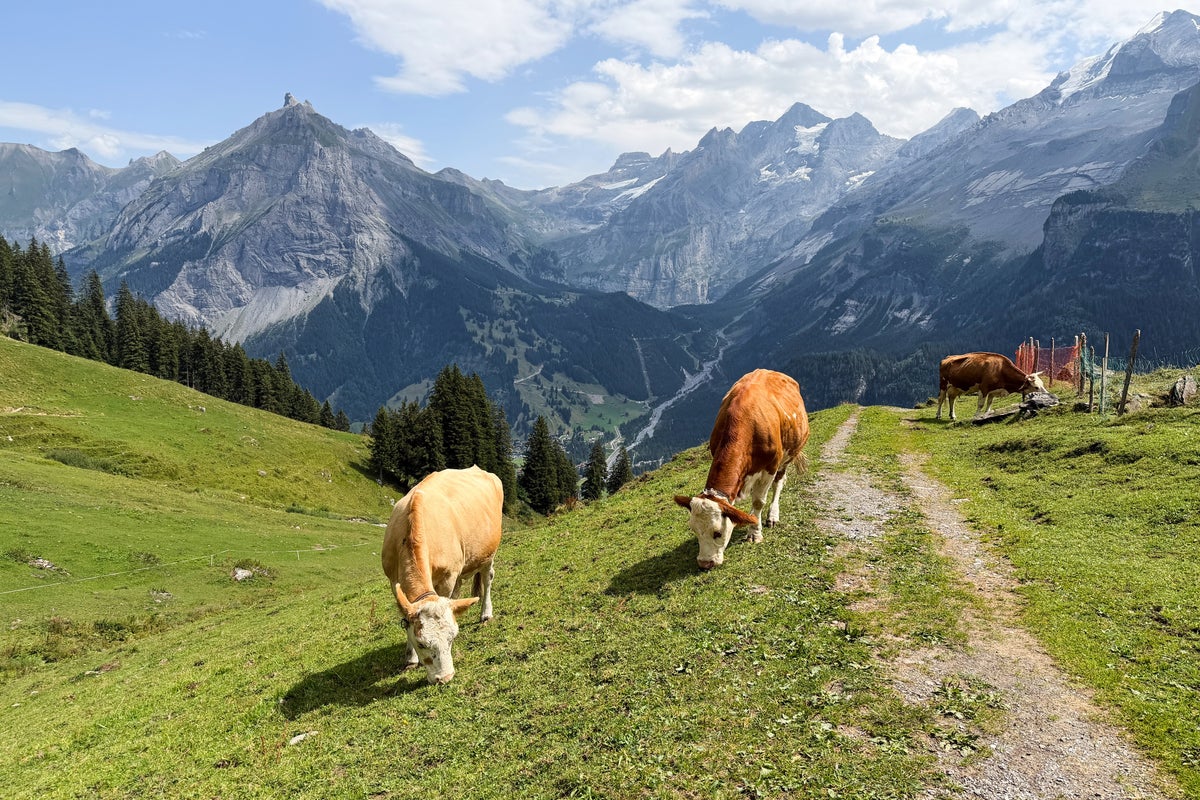
Уур амьсгалын өөрчлөлтөөс шалтгаалан мөнх цэвдэг хайлж байгаа нь Швейцарын Альпийн нуруунд байрлах сууринуудад байгалийн гамшгийн ноцтой эрсдэлийг бий болгож байна.
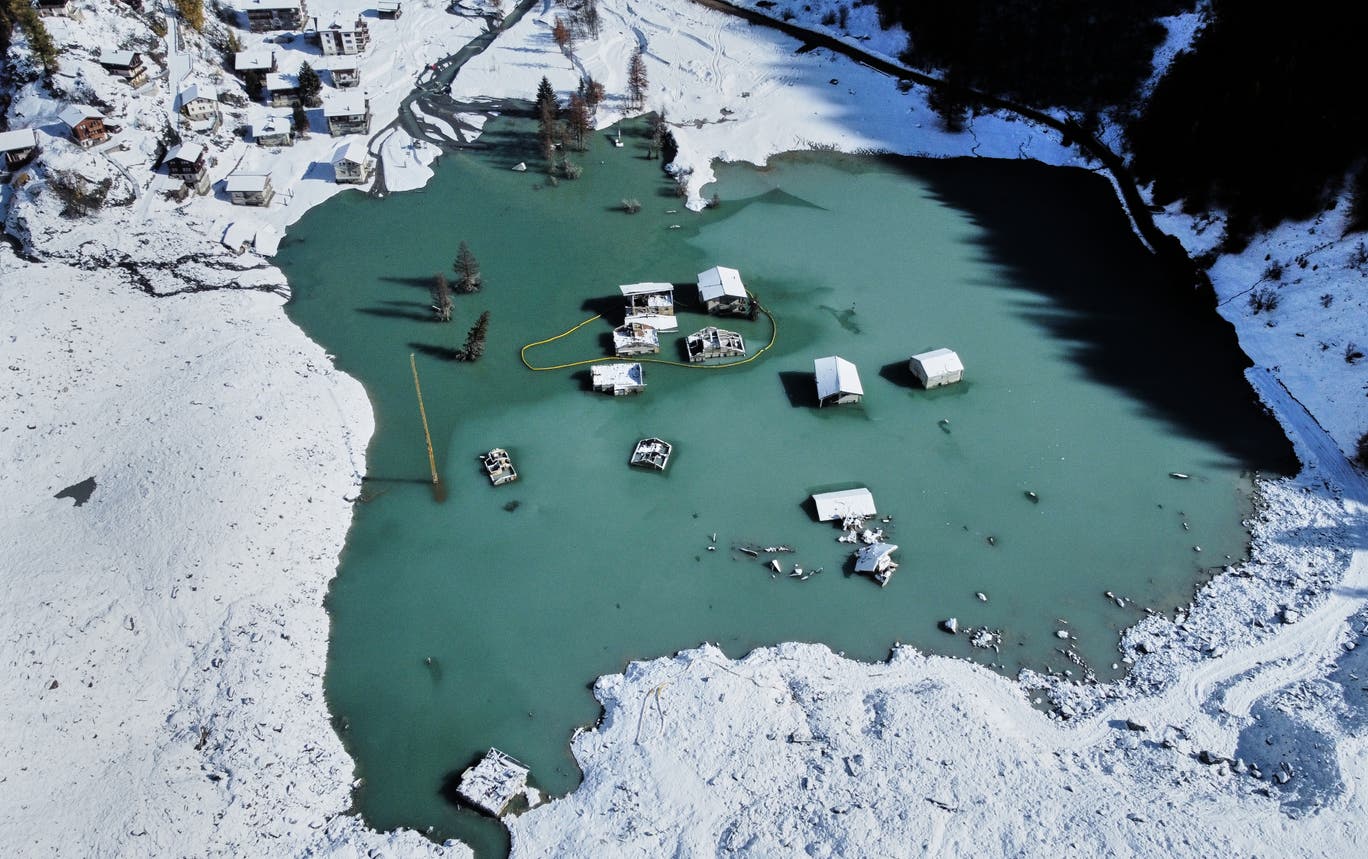
Швейцарын Берн кантоны Кандерстег тосгоны дээр орших “Spitze Stei” хэмээх уулын чулуурхаг тогтоц нь мөнх цэвдэг хайлсны улмаас тогтворгүй болж, тосгон руу нуранги буух аюул тулгараад байна. Ойролцоогоор 15-20 сая шоо метр эзлэхүүн бүхий энэхүү хэсэг нь 2025 оны тавдугаар сард Блаттен тосгоныг сүйтгэсэн гамшигтай ижил төстэй нөхцөл байдлыг үүсгэж болзошгүй гэж мэргэжилтнүүд анхааруулж байна.
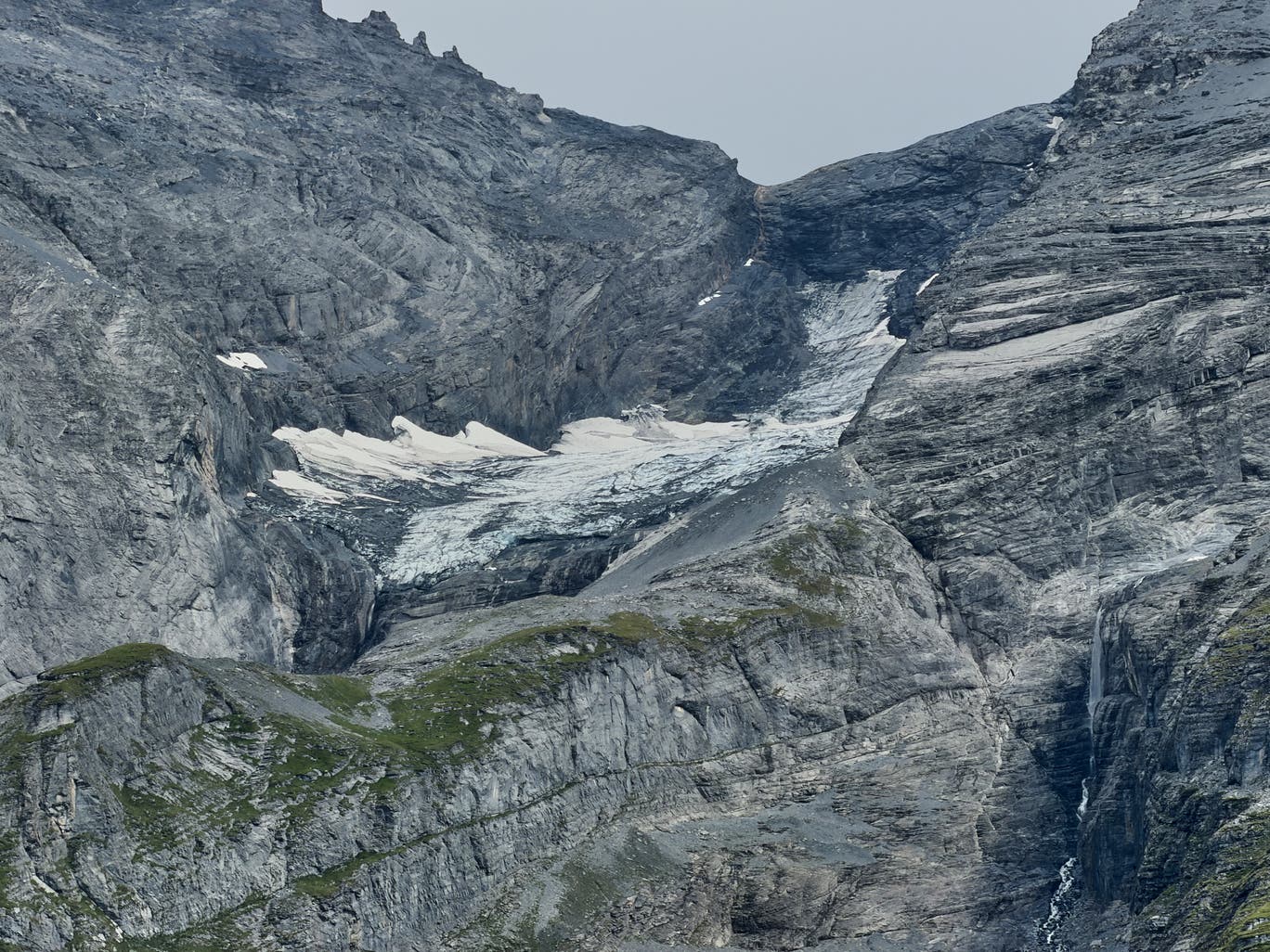
Уг бүс нутагт уур амьсгалын өөрчлөлт нь мөсөн гол болон мөнх цэвдгийг хайлуулж, уулын налууг тогтворгүй болгож байгааг Женев дэх их сургуулийн профессор Маркус Стоффел онцолжээ. Мөс нь уулын хэмжээний хөрс, чулуулгийг барьж байдаг “цемент” үүрэг гүйцэтгэдэг тул түүний хайлалт нь нуранги үүсэх үндсэн шалтгаан болж байна.
Кандерстег тосгоны оршин суугчид эрх баригчдын авч хэрэгжүүлж буй урьдчилан сэргийлэх арга хэмжээ, хяналтын системд итгэж буйгаа илэрхийлжээ. Мэргэжилтнүүдийн үзэж буйгаар тус уулын хэсэг нь нэг дор бүхлээрээ нурах бус, аажмаар задарч унах магадлал өндөр байгаа тул байнга хяналт тавин ажиллаж байна.
Гринпис байгууллагын уур амьсгал, эрчим хүчний шинжээч Натан Солотурнманн дэлхийн дулаарлын улмаас ирээдүйд зарим уулын тосгодыг орхин нүүх эсвэл дэд бүтцээ хамгаалах зардал нь ашиггүй болох эрсдэлтэйг санууллаа. Уур амьсгалын өөрчлөлтөөс үүдэлтэй байгалийн гамшгийн давтамж нэмэгдэж байгаа нь бүс нутгийн аюулгүй байдлын бодлогод томоохон сорилт болж байна.
Дэлгэрэнгүйг эх сурвалжаас харах
↓Эх сурвалжийг нээх ↓
A catastrophe looms over a quiet Swiss village, in the form of a landslide that could destroy everything in its path.
The unstable mountain rock formation looming above Kandersteg threatens a landslide that could rival the disaster that destroyed nearby Blatten last year. The collapse has been linked to thawing permafrost and glacier dynamics.
The 1,300 residents of Kandersteg, in Switzerland’s Bern canton, live amid a quintessential Alpine landscape of glaciers, green valleys and the sound of cowbells.
The mountainside rock formation called Spitze Stei, part of a mountain landscape increasingly affected by thawing permafrost, threatens to collapse into the valley in a massive landslide.
“You are aware that it’s happening, but not afraid,” said Brigitte Jüni, an inhabitant of Kandersteg. She said authorities took all the precautions they could.
“But then it’s nature. It’s nature and you never know,” Jüni added.
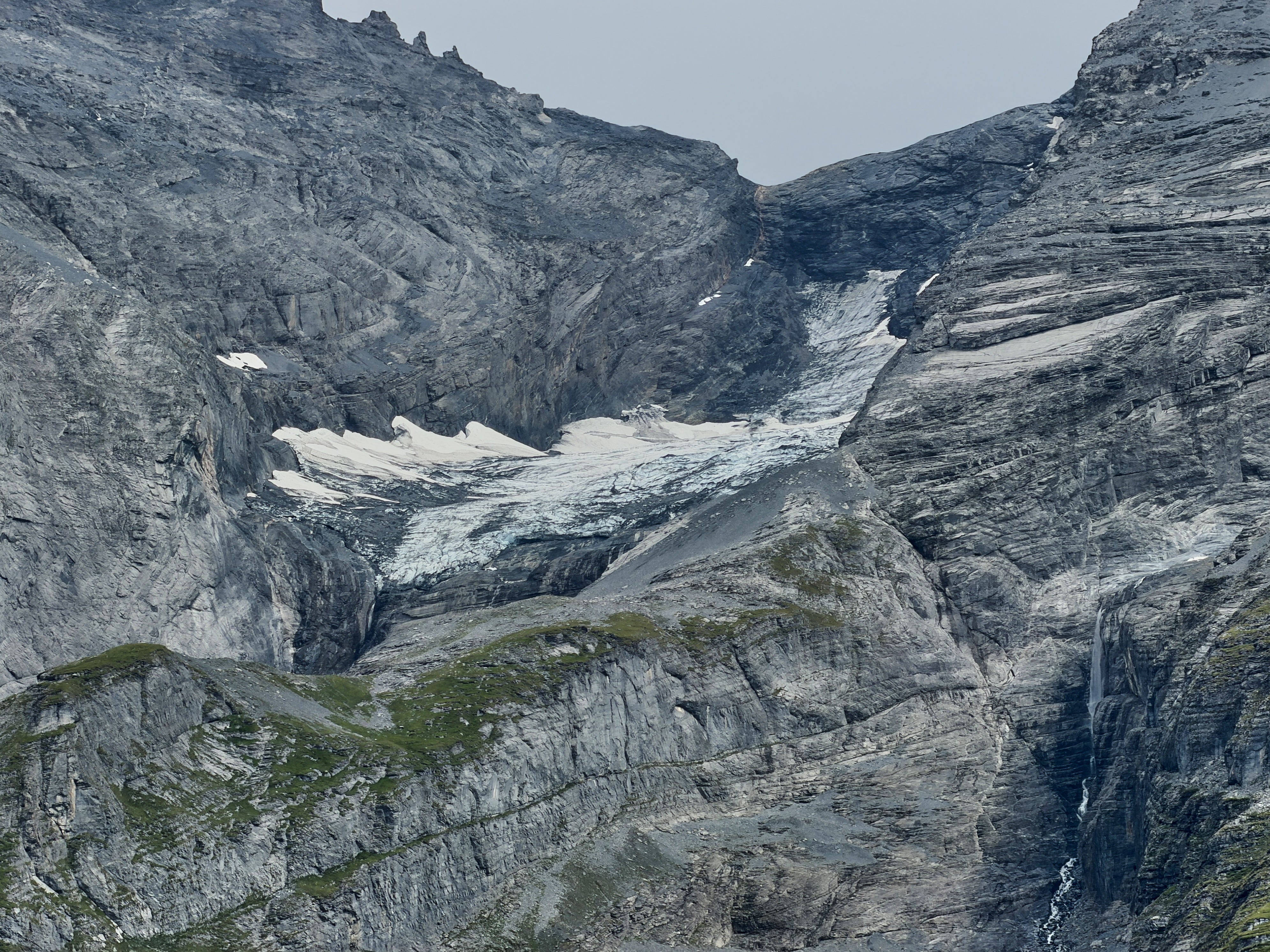
As glaciers and permafrost, the frozen soil sediment and rock that acts like a glue holding mountains together, melt due to higher temperatures caused by climate change, the threat of landslides is rising in the Swiss Alps.
In May 2025, a huge mass of rock and ice from a glacier thundered down the mountainside in the nearby Loetschental valley, sending plumes of dust skyward and coating with mud nearly all of Blatten, which had been evacuated earlier as a precaution.
Markus Stoffel, professor for climate change and natural risks at the University of Geneva, said climate change leads to the melting of both glaciers and permafrost.
“In the mountains and in the unconsolidated debris, there is lots of ice,” Stoffel said. “Once this ice is melting, it acts like a cement. These mountain slopes will become increasingly unstable.”
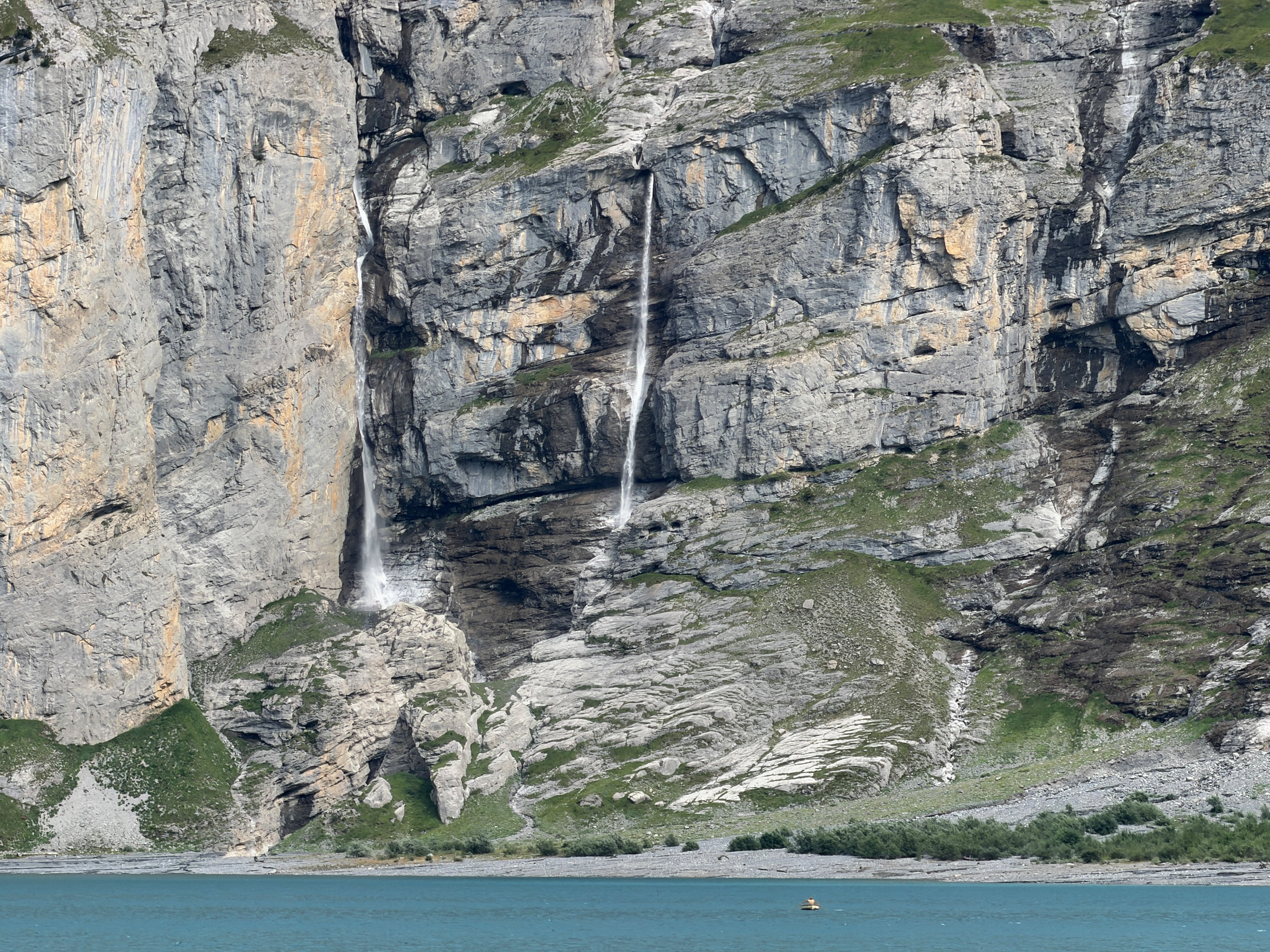
Locals in Kandersteg say their situation is different from Blatten and that preparations made already allow them to live calmly.
“This isn’t the same case as in Blatten. It’s a different situation,” said local resident Rudolf Isler. “We are not afraid of the Spitze Stei rock. It’s been many years seeing stones falling from up there. The problem here is about global warming and rising temperatures.”
If the entire unstable section of the Spitze Stei — estimated at roughly 15–20 million cubic meters — were to collapse, it would trigger a massive natural disaster. But the rock is under constant monitoring, evacuation plans are prepared and experts say the rock is more likely to break down gradually than in one huge chunk.
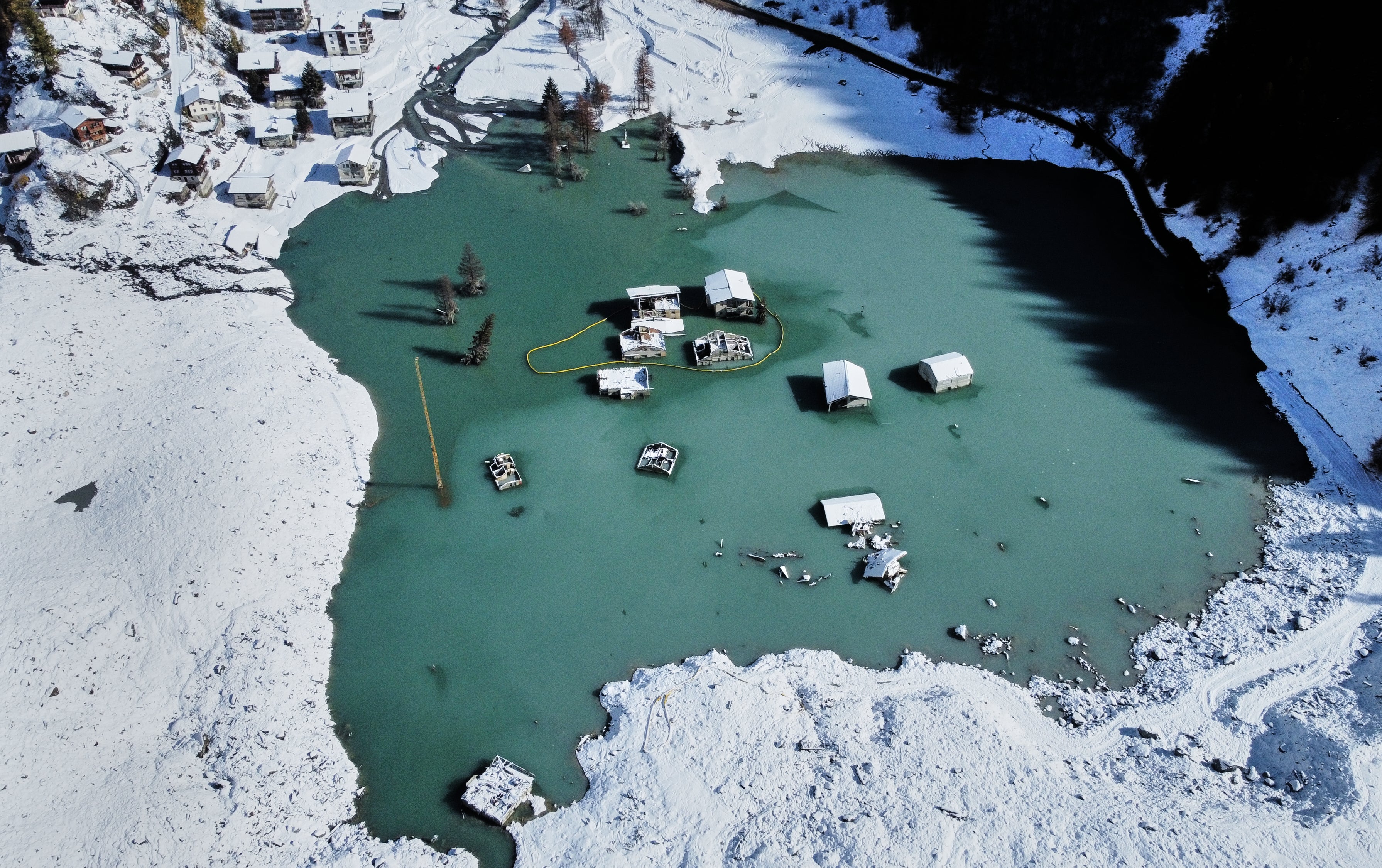
Nathan Solothurnmann, a climate and energy expert for Greenpeace Switzerland, says that climate change means landslides or avalanches will become more common.
“Maybe even one day we will have to abandon certain valleys or certain villages because it’s becoming impossible to live there,” Solothurnmann said. “Or the measure you will need to take to protect infrastructure is so expensive, the efforts are so big, that it’s not worthwhile anymore living there.”

