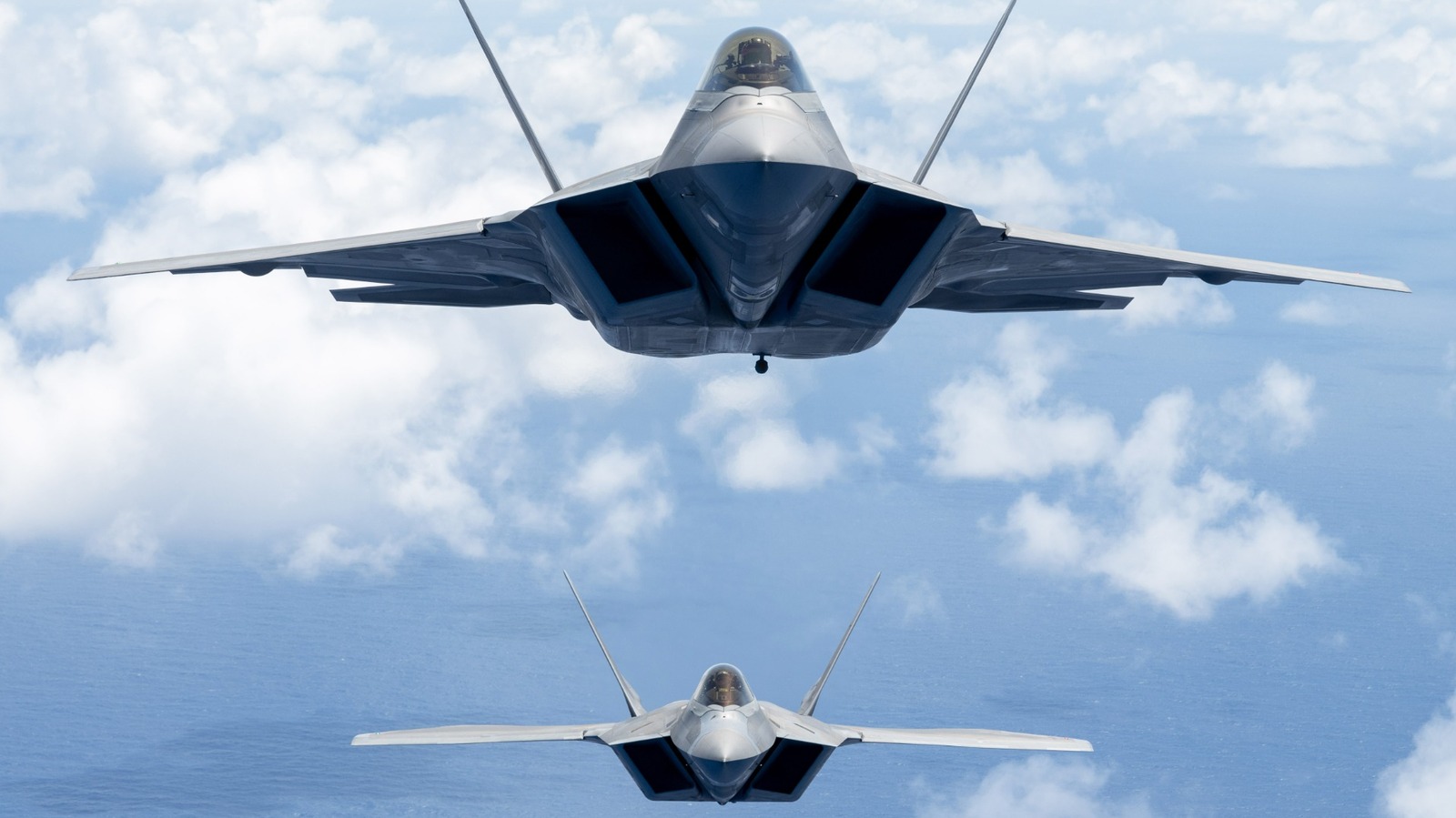
Агаарын цэргийн хүчин нисэх онгоцны хамгаалалт болон даалгаврын гүйцэтгэлийг сайжруулах зорилгоор хосоор нисэх тактикийг стандарт болгон ашигладаг.
Сөнөөгч онгоцууд хосоор эсвэл бүлгээр нисэх нь харилцан бие биеэ хамгаалах, нөхцөл байдлын үнэлгээг өргөжүүлэх үндсэн зорилготой юм. Нислэгийн удирдагч нь үндсэн даалгавар болон байг устгахад анхаарлаа төвлөрүүлдэг бол жигүүрийн нисгэгч нь агаар болон газрын аюул заналыг тасралтгүй хянаж, тагнуулын үүрэг гүйцэтгэдэг. Мөн ойр зайнд нисэх нь газрын радар илрүүлэгчдийг төөрөгдүүлж, агаарын довтолгооноос хамгаалах системээс зайлсхийхэд тусалдаг байна.
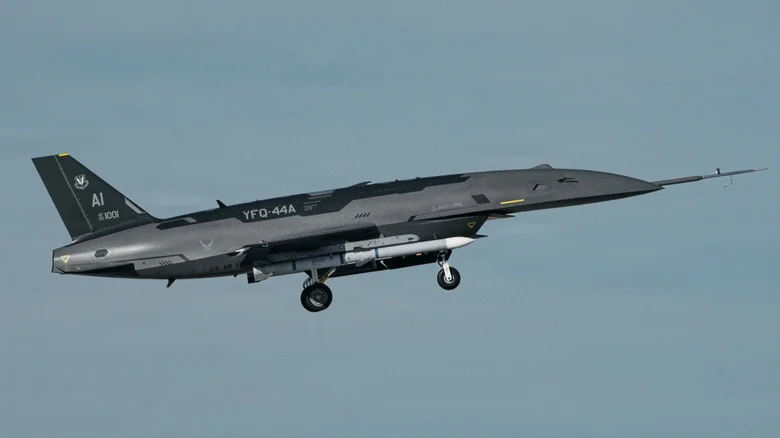
Дэлхийн хоёрдугаар дайны сүүлчээс хойш ашиглагдаж ирсэн энэхүү тактикийг ирээдүйд хиймэл оюун ухаан бүхий дрон системээр солихоор АНУ-ын Агаарын цэргийн хүчин ажиллаж байна. 2024 онд эхлүүлсэн “Collaborative Combat Aircraft” (CCA) хөтөлбөрийн хүрээнд хүнгүй нисэх төхөөрөмжүүдийг сөнөөгч онгоцны жигүүрт ашиглахаар төлөвлөжээ.
Эдгээр бие даасан болон хагас бие даасан зэвсэглэсэн дронууд нь нисгэгчтэй онгоцны аюулгүй байдлыг хангах, шаардлагатай тохиолдолд өөрийгөө золиослох замаар үндсэн хөлгийг хамгаалах үүрэгтэй. Одоогоор YFQ-42A болон YQF-44A загваруудыг туршиж байгаа бөгөөд энэхүү технологи нь бүрэн нэвтэрснээр агаарын байлдааны ажиллагааны үр нөлөөг эрс нэмэгдүүлнэ гэж үзэж байна. Гэсэн хэдий ч зургаа дахь үеийн F-47 сөнөөгч онгоц бүрэн нэвтрэх хүртэл нисгэгчтэй онгоцууд хосоор нисэх тактикаа үргэлжлүүлсээр байх болно.
Дэлгэрэнгүйг эх сурвалжаас харах
Эх сурвалжийг нээх ↓
If you’re a fan of air shows, you’ve likely witnessed some fighter jets flying in formation. This is an incredibly common sight at shows, but it’s also standard operating procedure over military bases. Other examples include fighter jets flying over some military funerals, and it certainly looks impressive. It also takes a great deal of training and skill to maintain position while flying in formation, but that’s how the military operates, and it’s also how they fly in combat operations.
The reason why fighter jets tend to fly in pairs is primarilyto protect one another. Fighter jets fly with wingmen, which are other pilots flying nearby who can provide cover as each aircraft protects the other. This is due to several factors, including expanded situational awareness. A formation includes a leader whose priority is on the mission at hand. They’re focused on the mission’s target(s), so they aren’t as engaged with observing threats while flying in that capacity.
While the leader is engaged in the mission, the wingman can pay closer attention to threats on the ground and in the air. The wingman and leader work in tandem, and it’s not uncommon for more than two fighters to operate in this capacity. Another reason why fighter jets fly close together is to provide radar confusion, though this isn’t as necessary as in previous decades in the modern era of stealth operations. Still, when they’re close enough, a radar operator on the ground might misidentify the fighters on approach, potentially providing safety from ground-based air defense systems.
The future of fighter jet formations
Fighter jets have flown in formations since they took off at the tail end of World War II. In the decades that followed, wingmen supported their leader throughout countless combat operations, but the times they are a-changin’. The United States Air Force launched its Collaborative Combat Aircraft (CCA) program in 2024 with the aim of producing loyal wingman drones. These are envisioned to be autonomous or semi-autonomous armed drones.
CCAs would fly alongside crewed fighter jets, effectively replacing the concept of a crewed wingman fighter with a drone. This isn’t a process that is happening overnight, and it’s unlikely to come to fruition until the U.S. unleashes its first sixth-generation fighter, the F-47. Regardless, work is underway to create a series of CCA for the U.S. Air Force, Navy, and Marine Corps. The Air Force’s new fighter drones could change air combat forever, and it has selected two for testing and further development: the YFQ-42A and YQF-44A (pictured).
There are several benefits to using CCA instead of crewed fighters, but most notable is protection. To counter potential threats, a CCA could put itself in harm’s way to protect its leader. This could result in the CCA’s destruction, but it would save an aviator from being directly targeted. Additionally, CCAs would free up pilots to jump into the cockpit of more aircraft, making any CCA a force multiplier in any combat operation. It will be some time before the tech comes to fruition, so in the meantime, expect to see crewed fighters continue to fly in formation.

