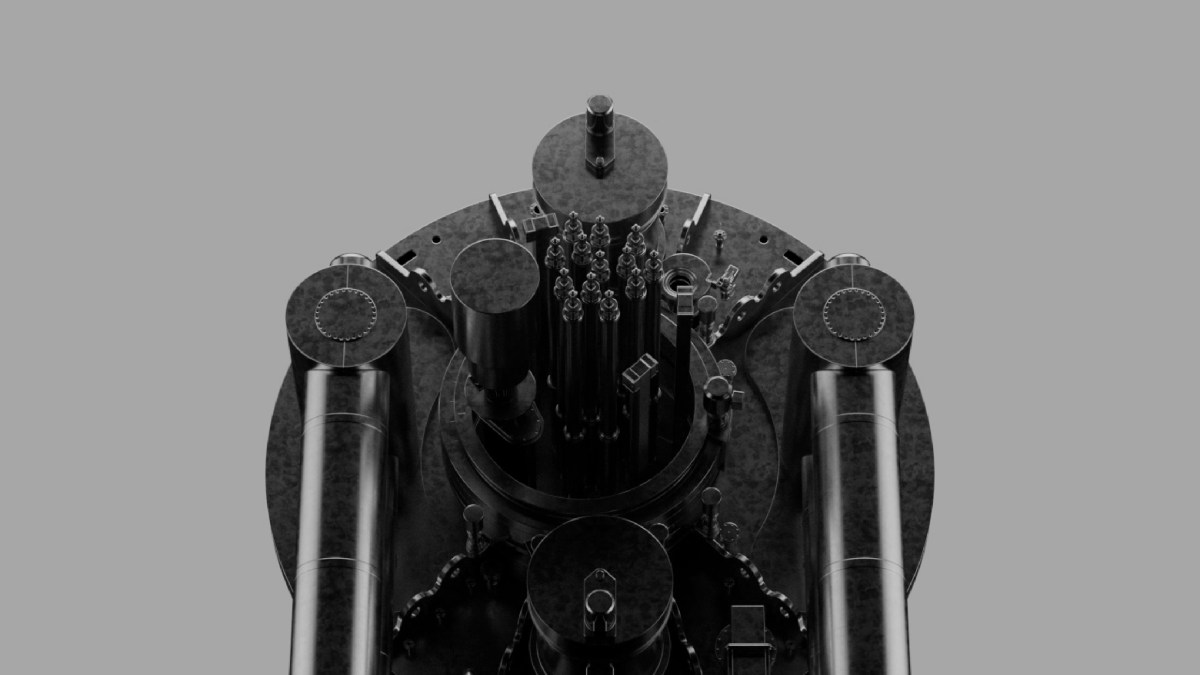
Билл Гейтсийн үүсгэн байгуулсан TerraPower компани эрчим хүчний хуримтлалын технологийг ашиглан хиймэл оюун ухааны дата төвүүдийн ачааллыг зохицуулах шинэ реакторын төслөө энэ онд зарлахаар төлөвлөж байна.
TerraPower компанийн 345 мегаваттын хүчин чадалтай, хайлмал давсаар хөргөх реактор нь эрчим хүчний хэрэгцээ огцом нэмэгдэх үед үүсэх ачааллыг даах чадвартайгаараа онцлог юм. Тус компани нь цөмийн реакторын үндсэн үйл ажиллагааг зогсоохгүйгээр илүүдэл дулааныг хайлмал натрийн нөөцлүүрт хадгалж, шаардлагатай үед турбиныг эргүүлэх уур үүсгэх замаар эрчим хүчний гаралтыг хурдан хугацаанд зохицуулдаг. Энэхүү арга нь цөмийн эрчим хүчний тогтвортой байдлыг сэргээгдэх эрчим хүчний эх үүсвэрүүдтэй хослуулж, дата төвүүдийн эрчим хүчний хэлбэлзлийг тэнцвэржүүлэх боломжийг бүрдүүлж байна.
Тус компанийн анхны реактор Вайоминг мужид баригдаж байгаа бөгөөд дата төвийн хоёр дахь төслийн газар шорооны ажлыг 2027 онд эхлүүлэхээр төлөвлөжээ. Өнгөрсөн нэгдүгээр сард Meta компани TerraPower-ийн найман ширхэг Natrium реакторыг худалдан авахаар тохиролцсон хэдий ч дата төвийн шинэ төслийн захиалагч нь одоогоор тодорхойгүй байна.
Цөмийн реакторууд нь ихэвчлэн бүрэн хүчин чадлаараа ажиллах үедээ хамгийн өндөр бүтээмжтэй байдаг ч дата төвүүдийн эрчим хүчний хэрэглээ хиймэл оюун ухааны сургалтын ачааллаас хамааран огцом өөрчлөгддөг. TerraPower-ийн хөгжүүлж буй энэхүү шийдэл нь эрчим хүчний өндөр зардалтай дэд бүтцийг илүү үр ашигтай ашиглаж, дата төвүүдийн хэрэгцээнд нийцсэн уян хатан байдлыг хангах давуу талтай юм.
Дэлгэрэнгүйг эх сурвалжаас харах
↓Эх сурвалжийг нээх ↓
Nuclear power startups have been pitching themselves as the antidote to what ails AI data centers: power that’s always available. Bill Gates-founded TerraPower is one of the latest to throw its hat that into that ring, with Bloomberg reporting that the startup plans to announce its first data center project this year.
TerraPower did not say who the customer will be, though in January, it announced that Meta had agreed to buy eight of its Natrium power plants. The data center project, expected to break ground in 2027, would be the company’s second power plant, with its first already under construction in Wyoming.
Not every nuclear reactor is suited to data center duty, but TerraPower possesses one key advantage — energy storage — that promises to give it an edge over competitors. And it’s all thanks to renewable power sources like wind and solar.
Nuclear reactors, TerraPower’s included, work best when they’re running at full tilt. Of all the different types of power plants, nuclear reactors have the highest capacity factor — 92.5% of the time, they generate at maximum power in the U.S. But in a way, they need to be. Existing reactors are slow to ramp up and down, capable of increasing or decreasing only about 5% of their total rated output per minute, according to the National Laboratory of the Rockies.
New small modular reactors (SMRs), which many startups are pursuing, can react faster, about 10% of their rated output per minute, per NRL. But running at reduced capacity isn’t ideal — it’s hard to make money when you’re not generating electrons.
That’s true of any power plant, but it’s especially true of nuclear, which has the highest capital expenditures of any generating technology. Startups are hoping that mass manufacturing of SMRs will bring capex down, but that has yet to be proven. And if it does work, it could take a decade or more to reap the benefits. Every startup acknowledges that its early power plants will be expensive, so it makes sense to operate it them at peak capacity as often as possible.
For data centers, especially those that rely on behind-the-meter power, that poses a challenge. Their loads, especially when training AI or responding to prompts, can sink and soar quickly as GPUs respond to the tasks. The swings are so demanding that natural gas turbines have been breaking under the stress. To smooth the curve, they need to use large banks of batteries, which increase costs further.
TerraPower designed its 345-megawatt molten salt-cooled reactor to work around those challenges. One of the key considerations was ensuring the reactor could complement intermittent sources of electricity like wind and solar — the power plant needed to ramp up and down quickly. While TerraPower had renewable power, not data centers, in mind when it sketched its plans, the two are similarly intermittent, just on different sides of the equation.
To ramp quickly, TerraPower doesn’t increase or decrease the power output of its reactor. Rather, it keeps on splitting atoms, and the extra heat gets stored in a giant vat of molten sodium. When power demand spikes, the power plant can tap that reservoir to generate more steam to spin the turbines. The expensive equipment keeps working even when demand is low, allowing the company to amortize its investment over more operational hours.
The approach takes the best of nuclear power — high capacity factor —and pairs it with an energy storage technology that allows TerraPower to play nicely on a renewable-heavy grid or when connected to an data center. It’s a flexible approach that could give the startup an advantage in the race to power AI.
When you purchase through links in our articles, we may earn a small commission. This doesn’t affect our editorial independence.

