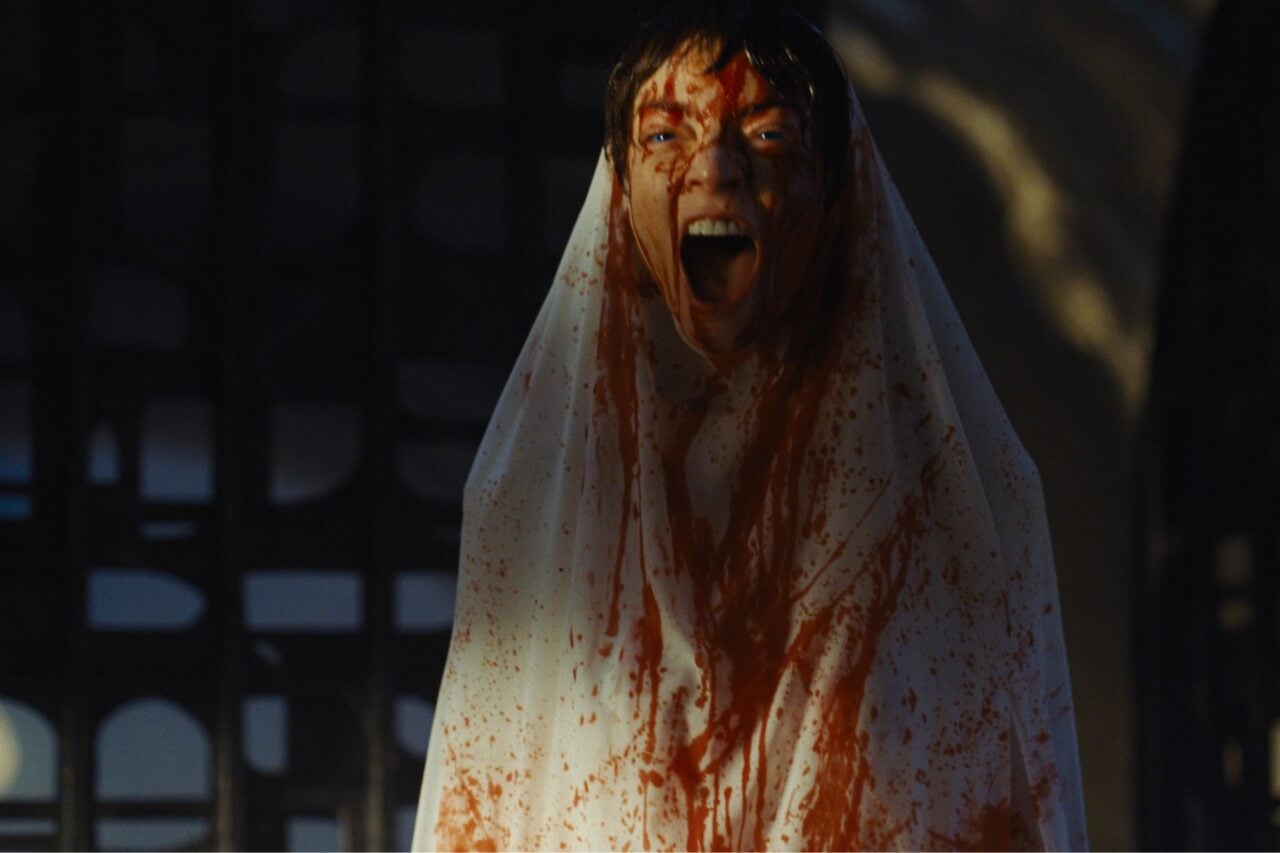
70мм IMAX форматын хомсдол нь тасалбарын эрэлтийг нэмэгдүүлж, захиалгын системд хүндрэл учруулж байна.
Сүүлийн үед томоохон кинонуудын тасалбарыг нээлтээс нь хэдэн сарын өмнө худалдаалж эхэлсэн нь үзэгчдийн дунд бухимдал төрүүлж, цахим хуудсуудын үйл ажиллагааг доголдуулах боллоо. Тухайлбал, “Dune: Part Three” киноны тасалбар худалдаанд гарах үеэр AMC Theatres компанийн цахим хуудас гацаж, гүйцэтгэх захирал Адам Арон уучлалт гуйхын зэрэгцээ вэбсайтаа сайжруулахад 2 сая ам.доллар зарцуулахаа мэдэгдсэн байна.
Энэхүү асуудал нь дэлхий даяар 30 орчим байршилд л байдаг 70мм IMAX танхимын хязгаарлагдмал хүртээмж болон эрэлт хоёрын зөрүүгээс үүдэлтэй юм. Кристофер Нолан, Дени Вильнёв нарын найруулагчид бүтээлээ 70мм IMAX форматаар үзэх нь илүү дээр гэдгийг сурталчилгаагаараа дамжуулан онцолдог тул үзэгчдийн дунд тусгай танхимд үзэх “FOMO” буюу хоцрох вий гэсэн айдас үүсдэг байна.
Гэвч энэхүү нөхцөл байдал нь бүх кинонд хамааралгүй бөгөөд зөвхөн цөөн тооны найруулагчийн бүтээлүүдтэй холбоотой онцгой тохиолдол юм. “Avengers: Doomsday” зэрэг бусад томоохон төслүүдийн хувьд тасалбар худалдаалах үйл явц хэвийн явагдаж байгаа нь эрэлт болон нийлүүлэлт харьцангуй тэнцвэртэй байгаатай холбоотой.
Ирээдүйд 70мм IMAX форматтай киноны тоо болон ийм төрлийн танхимын хүртээмж нэмэгдэхийн хэрээр тасалбарын эрэлт тогтворжиж, дамлан худалдаалах асуудал аяндаа багасна гэж шинжээчид үзэж байна. Одоогоор энэхүү хүндрэл нь зөвхөн цөөн тооны онцгой төслүүдэд л ажиглагдаж буй түр зуурын үзэгдэл юм.
Дэлгэрэнгүй эх сурвалжийг харах
Эх сурвалжийг нээх ↓
When tickets for The Odyssey went on sale a year before the film was released, and months before director Christopher Nolan even finished the film, we knew things would change. And in the year or so since, they have changed, primarily for the worse. But we don’t think super advanced ticket sales and the inevitable problems it has caused are the end of movie-going as we know it. It’s more of a genius marketing tactic that’s only viable for a few select films, and won’t be as prevalent as you fear.
Since that first sale of Odyssey tickets, several films have sold tickets much further out than fans are used to. In the past, it’s been days or weeks, but now, it’s months. Sometimes, it’s not a huge deal, like with Avengers: Doomsday. There weren’t a lot of problems reported there. Other times, like with The Odyssey, it can be extremely frustrating. The latest instance was Tuesday, when advance tickets for Dune: Part Three went on sale and caused such a stir that Adam Aron, the CEO of AMC Theatres, had to apologize on X and pledge to spend $2 million to improve his company’s website so it won’t crap out again as it did on Tuesday.
Buying movie tickets shouldn’t be as stressful as buying concert or convention tickets. Movie tickets are supposed to be easy. There are more theaters, more showtimes, more options. Fans shouldn’t have to compete with scalpers to see a movie. They shouldn’t waste hours refreshing a website to see a movie. So what’s going on here, and is this a larger problem? Let’s dig in.
The main reason for this is simple supply and demand. Specifically, the demand to see movies like Dune: Part Three and The Odyssey in 70mm IMAX film locations, and there only being about 30 or so 70mm IMAX film locations around the world. Basically, because of those handful of locations, you have probably tens of thousands of people trying to buy tickets at a few specific theaters, which can only do a few screenings per day, and that concentration of web traffic breaks the system down for everyone else.
AMC and Fandango aren’t crashing because of fans trying to buy tickets to a normal screening, or even an IMAX or Dolby screening, of Dune: Part Three somewhere in rural America. They’re breaking for people in rural America because of how many people are going after so few screenings in New York and Los Angeles.
So why did the internet break with The Odyssey and Dune: Part Three but not Avengers: Doomsday or Spider-Man: Brand New Day? Simple. Filmmakers Christopher Nolan and Denis Villeneuve made their films to be seen, ideally, in 70mm IMAX, and each was brilliantly marketed as such by the studios. The marketing basically gave the impression that if you don’t see these movies in 70mm IMAX, you aren’t seeing them at all. As a result, lots of people try to buy tickets for those very few prime theaters and showtimes; it attracts people who see an opportunity to profit. That’s how you get scalpers.
Now, the need to see a movie in 70mm IMAX is both true and not. Having seen The Odyssey (and One Battle After Another and Sinners and Oppenheimer and many, many others) in 70mm IMAX, it is undoubtedly a superior experience. Not only are the screens bigger, but the image captured by the filmmaker is also bigger, so you get a much more revealing, immersive experience. It’s different. And yet, the filmmakers also know most people over the course of time will not see the movie that way. TVs aren’t made that way. Most theaters aren’t IMAX theaters. So the film has to work in other formats too.
Basically, you don’t have to see The Odyssey or Dune: Part Three in 70mm IMAX. If you can? Great. But as additive as it is, it’s not a game changer. More than anything, it’s just a case of extreme FOMO.
Think of it this way. Your favorite band or performer is coming to town. You could try and buy tickets for the front row, which undoubtedly would be a better experience. But there are fewer of those, and they’re way more expensive. So, you decide to get seats further back. If the show is good, it will be good from any seat in the house. 70mm IMAX is basically like the front row. Other theaters are not.

The difference with that analogy, though, is that concerts usually only happen once in a location. Same demand, way less supply. The Odyssey and Dune: Part Three may screen 100 times a day at some theaters across multiple screens. And all of those theaters have great seats in them. They’re just not those metaphorical front row seats.
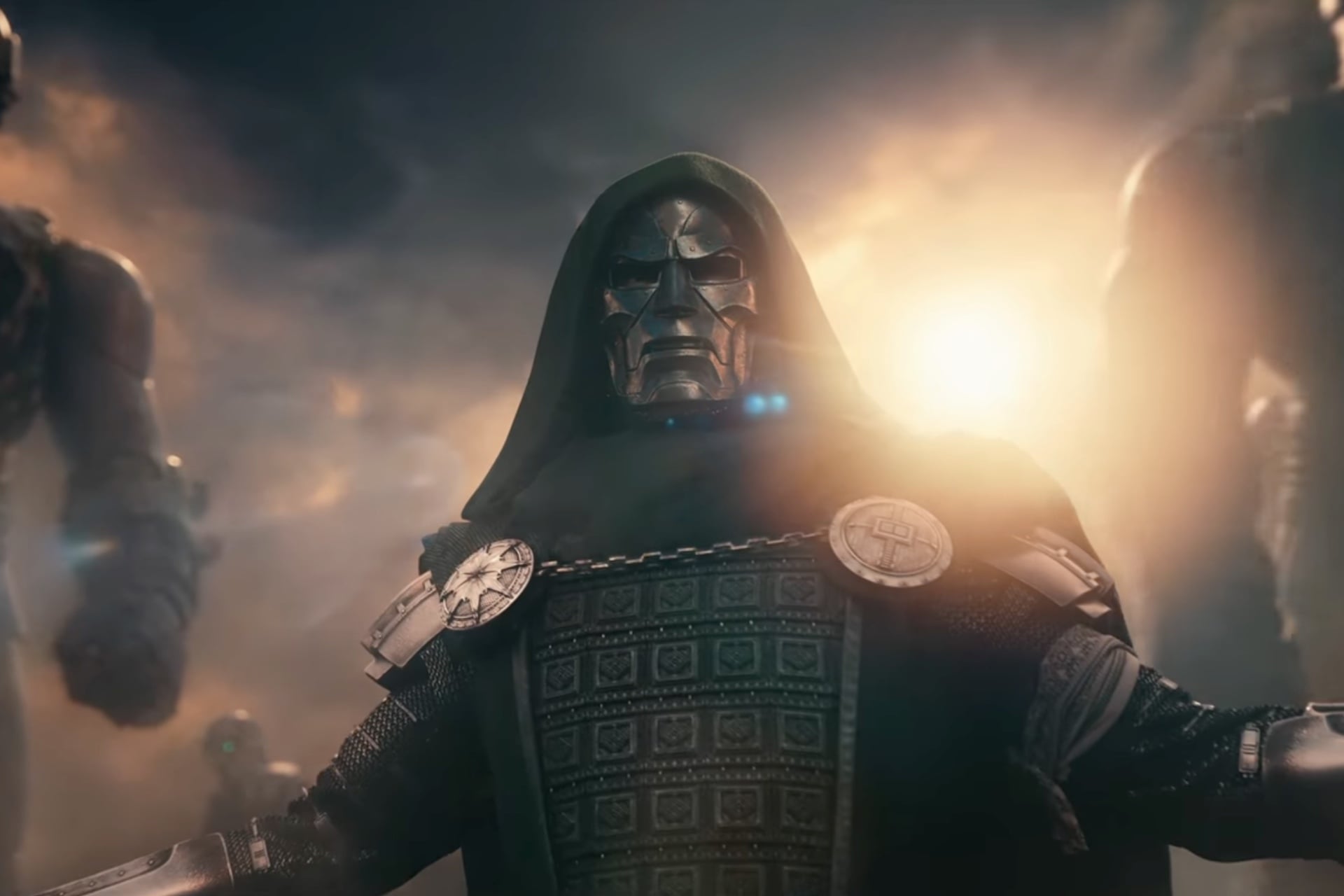
As for why the sites crash for Dune and The Odyssey and don’t for Avengers: Doomsday, it’s about specificity. Doomsday isn’t being released in 70mm IMAX. It wasn’t shot that way and, even if it was, Dune is on those screens when it opens. So, to combat it, Marvel made up a term called “Infinity Vision” to create the illusion of a similar higher-end, must-see experience. However, “Infinity Vision” is a distinction that can apply to multiple formats as long as they meet some basic standards. Basically, the best screen at most modern movie theaters is probably “Infinity Vision.” That means even if the demand is equal, or even greater for Doomsday, the supply is way, way higher. The web traffic is more evenly spread out, and thus, it’s an easier experience. Everyone feels like they got great tickets because they did.
That’s the norm. 70mm IMAX is the exception to it. Especially because only a few select filmmakers have the clout to make movies that “need to be seen” in 70mm IMAX. Nolan and Villeneuve will surely keep doing it (James Bond in 70mm IMAX is going to be insane), and Ryan Coogler has already teased the idea for his upcoming Black Panther III. But even if 10 other filmmakers join them, those films won’t be the only ones playing. And they won’t all be coming out at the same time. Plus, they’ll be from filmmakers and on topics that have to be good in any format. Maybe just plan to see it in 70mm IMAX for a second viewing on a less busy day.

The success of 70mm IMAX screenings can’t be ignored, though. Studios will attempt to make more films in the format, and theaters will try to figure out ways to present the format (though that will be difficult logistically considering the size of the theaters and rarity of the technology, but that’s another article). Success breeds imitation. As a result of movies like The Odyssey and Dune, more 70mm IMAX movies and theaters will come. And when there is a greater supply, the demand will start to even out. That’s when the scalpers will stop taking notice.
So, yes, when major movies like Dune: Part Three or The Odyssey have this much rarer, much different, much better experience available, there will be people willing to go to crazy lengths to experience it. Websites might crash. Scalpers might flourish. But, for now, films like those are as rare as the 70mm IMAX format itself. Ticket sales for more typical blockbuster movies won’t be like that because, for the most part, the movie-going experience with them is more uniform. The concertification of movie tickets might be an issue now and again, but it won’t be an issue forever.
Want more io9 news? Check out when to expect the latest Marvel, Star Wars, and Star Trek releases, what’s next for the DC Universe on film and TV, and everything you need to know about the future of Doctor Who.


