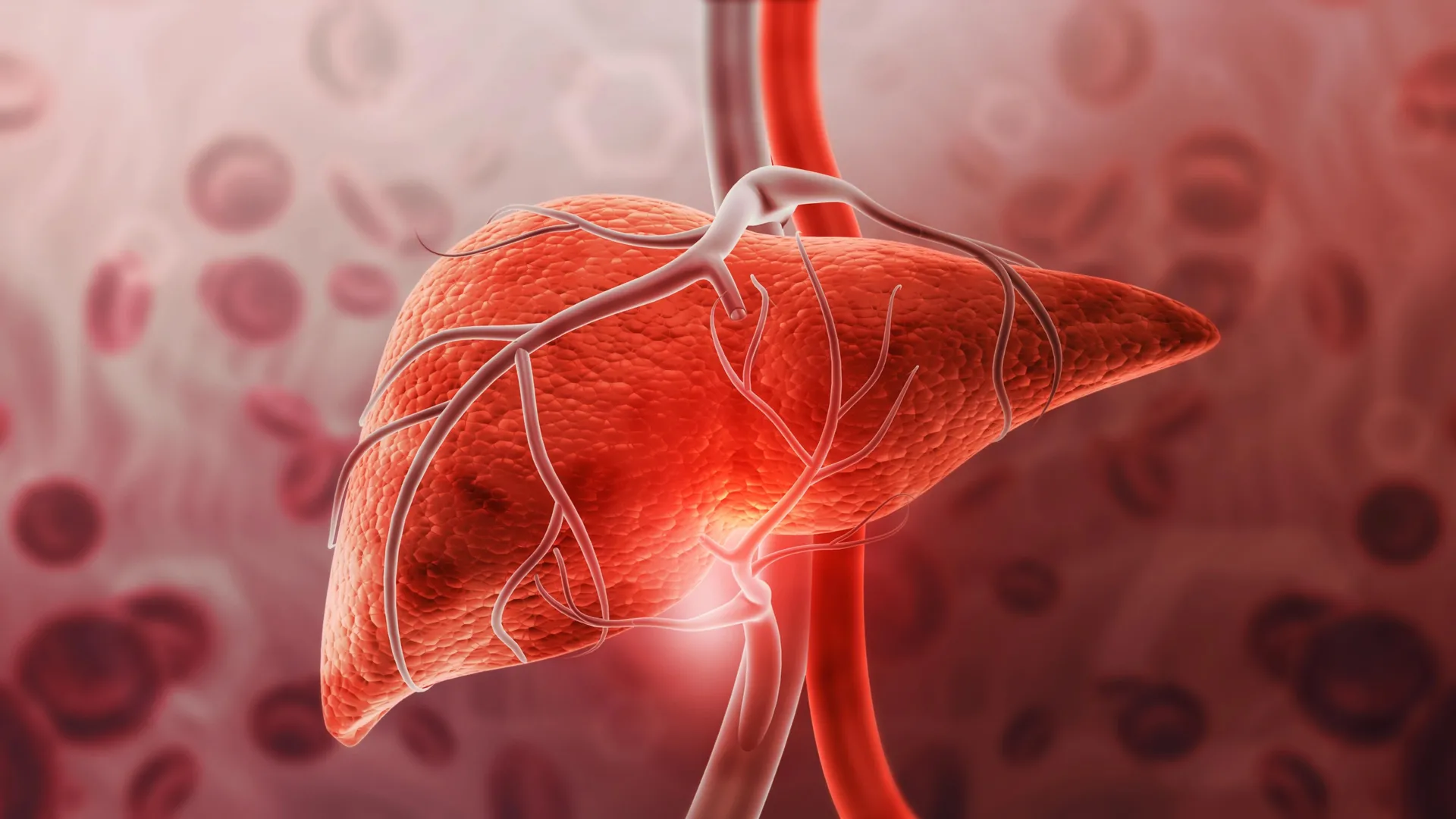
Судлаачид GDF15 даавар нь тархи-элэгний холбоот дохиоллын системээр дамжуулан элэгний гэмтлийг хэрхэн хамгаалдаг болохыг нээсэн байна.
McMaster их сургуулийн эрдэмтдийн 2026 оны наймдугаар сарын 10-нд Cell Metabolism сэтгүүлд нийтлүүлсэн судалгаагаар GDF15 дааврын шинэ үүргийг илрүүлжээ. Уг даавар нь хоолны дуршил бууруулж, жин хасахад тусалдаг гэдгээрээ танигдсан ч элэгний үрэвсэл, сорвижилтыг жингийн өөрчлөлтөөс үл хамааран бууруулах чадвартай болох нь тогтоогдсон байна. Энэхүү нээлт нь бодисын солилцооны улмаас үүсдэг элэгний үрэвсэлт өвчнийг (MASH) эмчлэх шинэ арга замыг зааж өгч магадгүй юм.
Судалгааны баг хулганы загвар ашиглан генетик, фармакологи, геномик болон орон зайн транскриптомикийн дэвшилтэт аргуудыг хослуулан судалжээ. GDF15 нь тархинаас мэдрэлийн системээр дамжин глюкокортикоидын ялгарлыг өдөөдөг бөгөөд энэхүү стероид дааврууд нь элэгний үрэвслийг дарах үүрэгтэй болохыг тогтоосон байна. Энэ үйл явц нь элэгний эсүүдийг дахин програмчилж, дархлааны эсүүдийг илүү хамгаалалтын төлөвт шилжүүлснээр эд эрхтэнд учирч болох гэмтлээс сэргийлдэг аж.
Профессор Грегори Стэйнбэрг болон түүний багийнхан энэхүү судалгаа нь GDF15 даавар нь бие махбодын архаг гэмтлийн эсрэг өөрийн гэсэн хамгаалалтын тогтолцооны нэг хэсэг байж болохыг харуулж байна гэж үзэж байна. Өмнөх судалгаагаар уг даавар нь жин хасах үед илчлэг шатаах явцыг хадгалахад тусалдаг болохыг тогтоож байсан бол энэ удаагийн үр дүн нь элэгний үрэвслийг чиглэсэн эмчилгээний шинэ боломжийг нээж өгч байна.
Одоогийн эмчилгээний аргууд нь ихэвчлэн биеийн жин болон элэгний өөхлөлтийг бууруулахад төвлөрдөг. Харин энэхүү биологийн дохиоллын замыг илрүүлснээр цаашид элэгний үрэвслийг шууд онилсон эмчилгээг одоогийн аргуудтай хослуулан хэрэглэх боломж бүрдэж болзошгүй гэж судлаачид дүгнэжээ. Энэхүү судалгааг Канадын байгалийн шинжлэх ухаан, инженерийн судалгааны зөвлөл (NSERC), Канадын эрүүл мэндийн судалгааны хүрээлэн (CIHR) болон Diabetes Canada дэмжин ажилласан байна.
Дэлгэрэнгүйг эх сурвалжаас харах
↓Эх сурвалжийг нээх ↓
Researchers at McMaster University have uncovered an unexpected role for a naturally occurring hormone already known for reducing appetite and supporting weight loss. The hormone appears to protect the liver from inflammation through a previously unknown signaling pathway, a finding that could point toward new approaches for treating advanced fatty liver disease.
The study, published in Cell Metabolism on August 10, 2026, found that GDF15 can reduce liver inflammation and slow the development of liver scarring even when weight loss does not occur. The result challenges the long-held view that the hormone’s benefits are primarily tied to its effects on appetite and body weight.
A New Target for Advanced Fatty Liver Disease
Millions of people around the world are affected by metabolic dysfunction-associated steatohepatitis (MASH), an advanced form of fatty liver disease that can eventually lead to cirrhosis, liver cancer, and liver failure. New weight loss medications have helped improve outcomes for many patients, but inflammation in the liver can remain even after substantial weight loss.
By identifying a biological pathway that directly regulates this inflammation, the new findings suggest that future therapies could potentially target liver inflammation alongside existing treatments focused on weight and liver fat.
“Our findings show that GDF15 does much more than regulate appetite and body weight,” says Gregory Steinberg, professor in McMaster University’s Department of Medicine, co-director of the Centre for Metabolism, Obesity and Diabetes Research (MODR), and senior author of the study. “We discovered that GDF15 activates a natural brain-to-liver signaling pathway that helps suppress liver inflammation and reduce fibrosis. This changes how we think about the hormone and suggests it may be part of the body’s own defense system against chronic liver injury.”
How GDF15 Sends a Protective Signal to the Liver
To explore how GDF15 affects advanced liver disease, the team used mouse models designed to closely reproduce human MASH. Researchers combined genetic, pharmacological, genomic, and spatial transcriptomics techniques to examine what happens when the hormone becomes active.
They found that GDF15 initiates signaling from the brain through the nervous system, ultimately causing the release of glucocorticoids. These steroid hormones are important for metabolism, immune activity, and the body’s response to stress.
The glucocorticoids then help suppress inflammation in the liver. Importantly, researchers observed these protective effects regardless of changes in food consumption, body weight or liver fat. GDF15 also appeared to slow the progression of liver fibrosis, the accumulation of scar tissue that occurs as liver disease becomes more advanced.
“GDF15 helps reprogram liver cells to reduce inflammation and scarring by advanced spatial technology,” says Dongdong Wang, first and corresponding author of the study and assistant professor in McMaster’s Department of Medicine. “Instead of causing liver damage, GDF15 appears to help calm the liver’s immune system. It shifts immune cells into a more protective and less active state, helping reduce inflammation and prevent damage to the liver.”
A Second Surprising Role for GDF15
Research published in 2023 by Steinberg and Wang showed that GDF15 helps the body maintain calorie burning during weight loss. The latest findings reveal a very different function for the same hormone: protecting the liver through a previously unknown anti-inflammatory pathway.
Researchers say that, taken together, the two studies could help shape future therapies that specifically address liver inflammation. This inflammation is a major factor driving the progression of MASH and remains difficult to treat.
Steinberg, an executive member of NexusHealth at McMaster and chief scientific officer, shareholder and co-founder of Espervita Therapeutics, recently co-authored preclinical research describing a promising drug candidate for advanced liver disease.
That research focused on a potential therapeutic compound. In contrast, the new study reveals a biological pathway that the body naturally uses to control liver inflammation, providing additional clues that could help guide the development of future treatments.
Combining Weight Loss With Inflammation Control
“Current therapies largely focus on reducing body weight and liver fat,” says Steinberg. “Our work suggests there may be value in combining those approaches with therapies that directly target inflammation. By understanding how the body naturally protects the liver, we can identify new opportunities to develop more effective treatments for people living with MASH.”
The study also included collaborators Rune E. Kuhre and Sebastian B. Jørgensen of Novo Nordisk A/S. The research was funded by the Natural Sciences and Engineering Research Council of Canada (NSERC), the Canadian Institutes of Health Research (CIHR), and Diabetes Canada. Novo Nordisk provided research support and supplied the GDF15 hormone used in the study.


